


 Summonsy


 Egypt

-
Nº11
 Date: 2014-01-26 - 13:00
-
 Max Depth: 16m Duration: 50mins
Pictures

No pictures for this dive
- Dive type : Recreational, Reef
Dive reviews
| Overall review | ||
| Dive difficulty | ||
| Marine life quality |
Recent Divers in Shag Rock
Recent Pictures in Shag Rock

Link to this spot:
- Spot:
- Country:
- Area:
- Body of water:
Dive Profile
Data provided by EOL.org







Species Identified
Cociella punctata (Cuvier, 1829) (Spotted flathead)
Frequents shallow areas in depths of 10 m or less. Taken in trawl fisheries at depths from 23 to 250 m. Reported from a trap in the Gulf of Aqaba at a depth of 300 m. Young to juvenile stages utilize mangrove habitat . Adults occur in silty sand habitats from the shallows to a depth of 300 m .
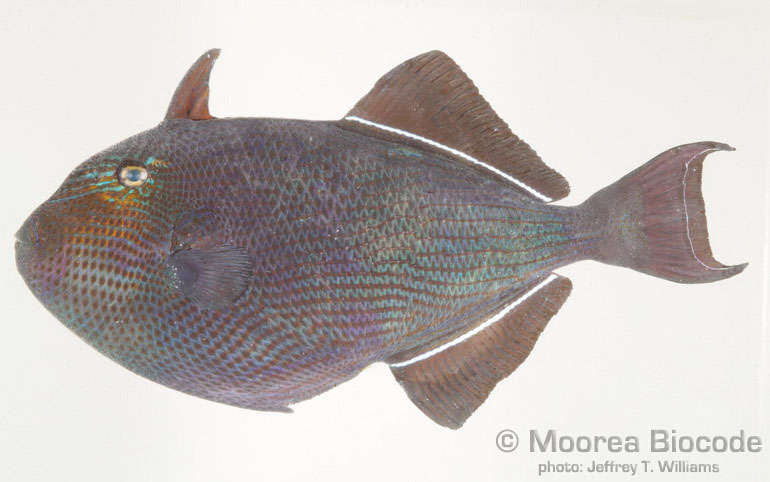
Melichthys niger (Bloch, 1786) (Black triggerfish)
Abalistes stellatus ([Lacepède, 1798]) (Starry triggerfish)
Inhabits mud and silt sand bottoms . Adults on deep coastal slopes and usually seen swimming high above the bottom, sometimes found in estuaries. Juveniles in sheltered coastal bays and estuaries with outcrops of rubble or debris on open substrates .
Chromis dimidiata (Klunzinger, 1871) (bicolor reeffish)
Inhabits lagoon and seaward reefs. Abundant, in large aggregations over reef tops and upper edges of slopes . Usually seen solitary in reefs, staying close to the substrate in depths of about 10 m .
Pseudochromis flavivertex Rüppell, 1835 (Sunrise dottyback)
Occurs usually around bases of small rocks or coral heads on sandy bottoms. Has been reared in captivity .
Pseudochromis fridmani Klausewitz, 1968 (Orchid dottyback)
Usually on vertical rock faces or beneath overhangs, taking refuge in small holes. Generally common . Has been reared in captivity .
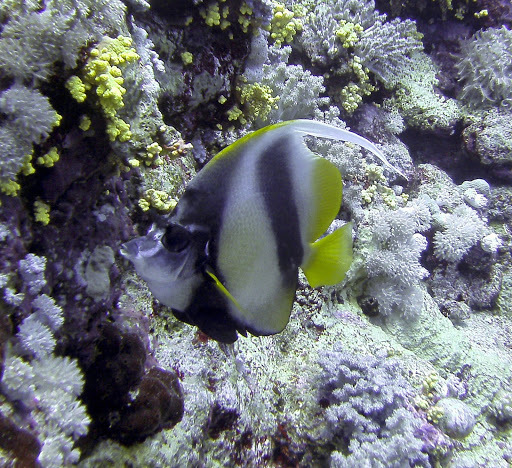
Heniochus intermedius Steindachner, 1893 (Red Sea bannerfish)
Found on coral slopes Juveniles in large groups at base of reef, sometimes with H. diphreutes; adults usually solitary or paired, occasionally in groups . Feed on zooplankton and benthic invertebrates . Oviparous , monogamous . Form pairs during breeding .
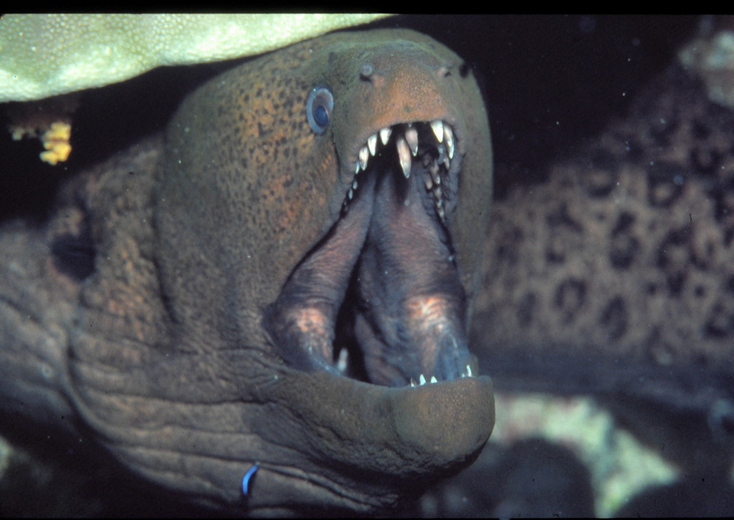
Gymnothorax flavimarginatus (Rüppell, 1830) (Yellow-edged moray)
Gymnothorax undulatus (Lacepède, 1803) (Moray)
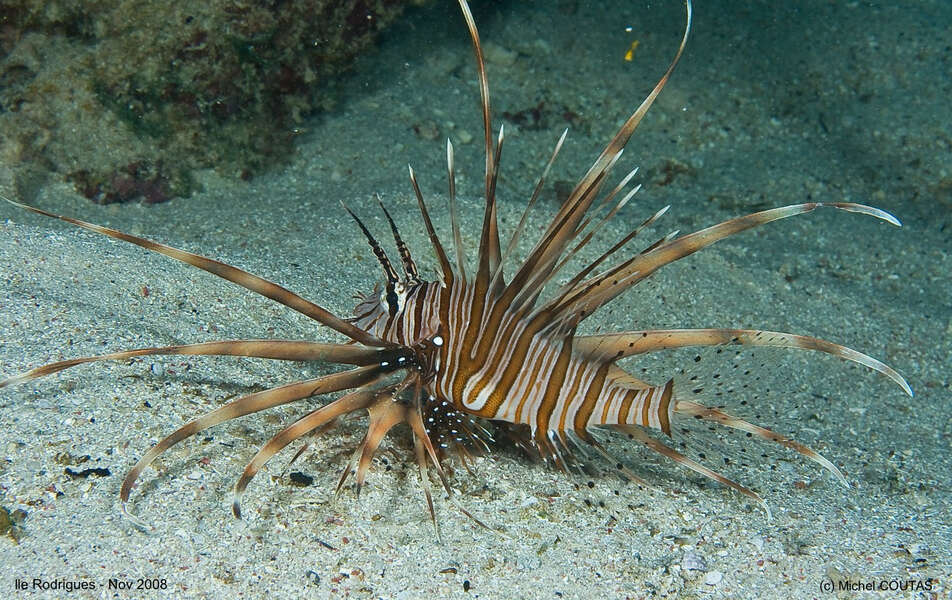
Pterois volitans (Linnaeus, 1758) (Red lionfish)
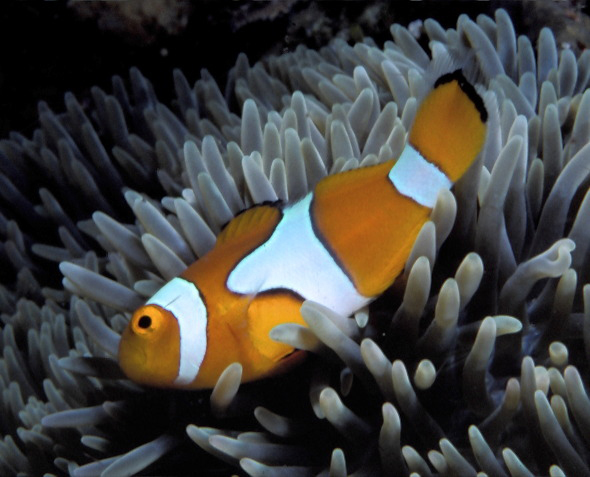
Amphiprion percula (Lacepède, 1802) (Orange clownfish)
Inhabits lagoon and seaward reefs . Each group of fish consists of a breeding pair and 0-4 non-breeders. Within each group there is a size-based hierarchy: the female is largest, the male is second largest, and the non-...
Read More
Read More
Holacanthus ciliaris (Linnaeus, 1758) (queen angelfish)
Found on coral reefs. Generally occurs solitarily or in pairs. Moves gracefully between seafans, seawhips, and corals . Stomach contents of 26 specimens indicate that the species feeds almost exclusively on sponges supp...
Read More
Read More
Pyglopites diacanthus (Royal empress angelfish)
Eretmochelys imbricata (LINNAEUS) 1766 (Hawksbill Turtle)
Hawksbills may take decades to mature and it could be between 20 to 40 years before they are ready to breed . Upon reaching sexual maturity, a female will typically lay up to five clutches of around 100 to 140 eggs in one ...
Read More
Read More
Tridacna squamosa Lamarck, 1819 (Fluted giant clam)
Tridacna clams have muscles for opening and closing their shell and a foot for attaching themselves to rocks. They breathe through gills and feed through a mouth . Most clams fulfill their nutritional requirements b...
Read More
Read More
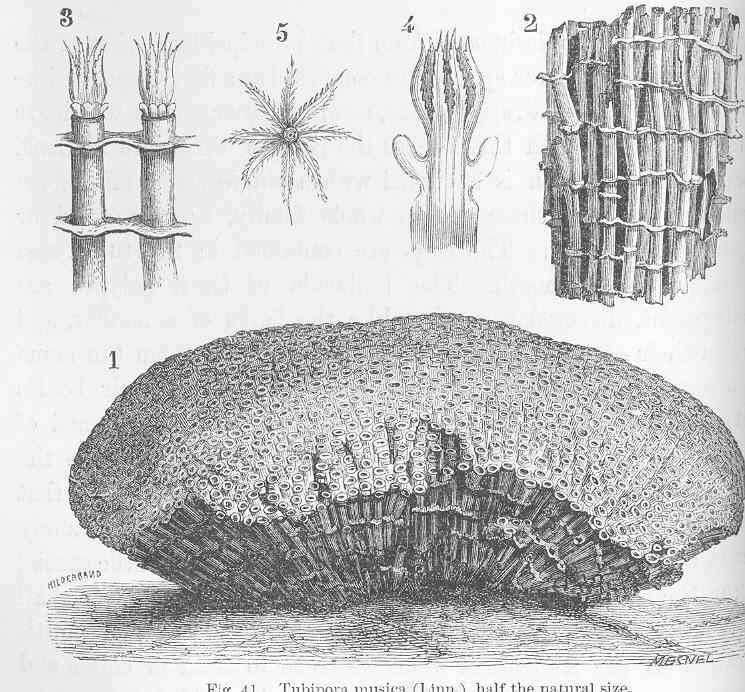
Tubipora musica Linnaeus, 1758 (Organ-pipe coral)
zooxanthellate
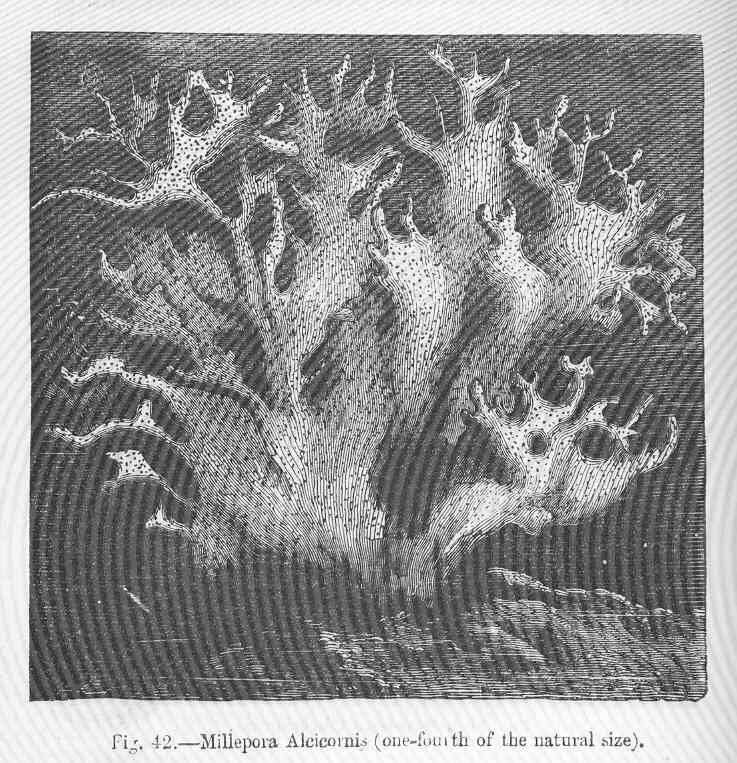
Millepora alcicornis Linnaeus, 1758 (fire coral)
colonial, calcareous skeleton
Chromodoris geometrica (Geometric nudibranch)
Chromodoris magnifica (Quoy & Gaimard 1832) (Magnificent Chromodoris)
Chromodoris reticulata (Nudibranch)
Share on Social Networks
- Facebook:

personalize your shared text as well as its destination (wall, page...) or send as a private message to a friend
- Twitter: Tweet personalize your tweet
- Google Plus:
Direct link to this dive
- Long link:
- Short link:


 We are participating today in the startup contest Techcrunch Disrupt. Support Diveboard by voting for us!
























































































