



 Filip Montgomery



 Egypt
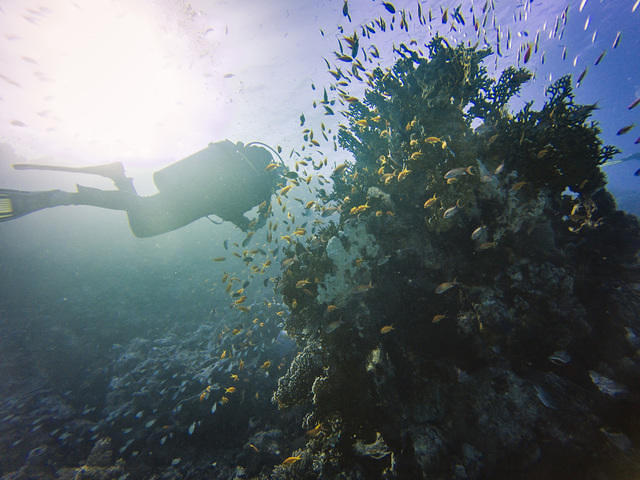
-
Nº52
 Date: 2018-11-25 - 14:00
-
 Max Depth: 12.1m Duration: 58mins
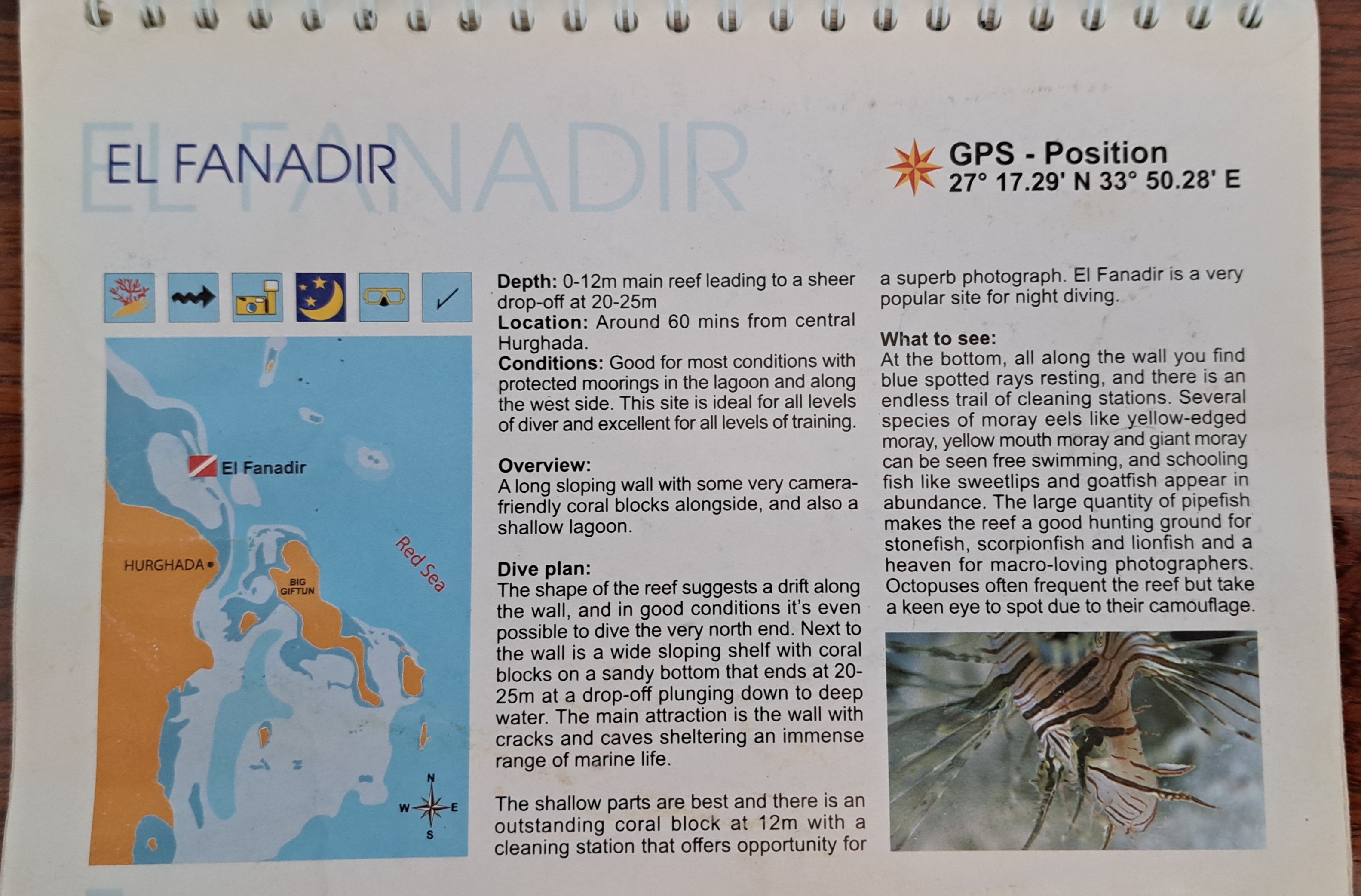
Dive Location

- Temp: Surf 25°C Bottom 26°C
- Dive type : Recreational, Reef, Photo
- Visibility: Excellent Water: Salt
Specific gear used
- Weights: 6 kg
Dive reviews
| Overall review | ||
| Dive difficulty | ||
| Marine life quality |
Recent Divers in Hurghada


Recent Pictures in Hurghada
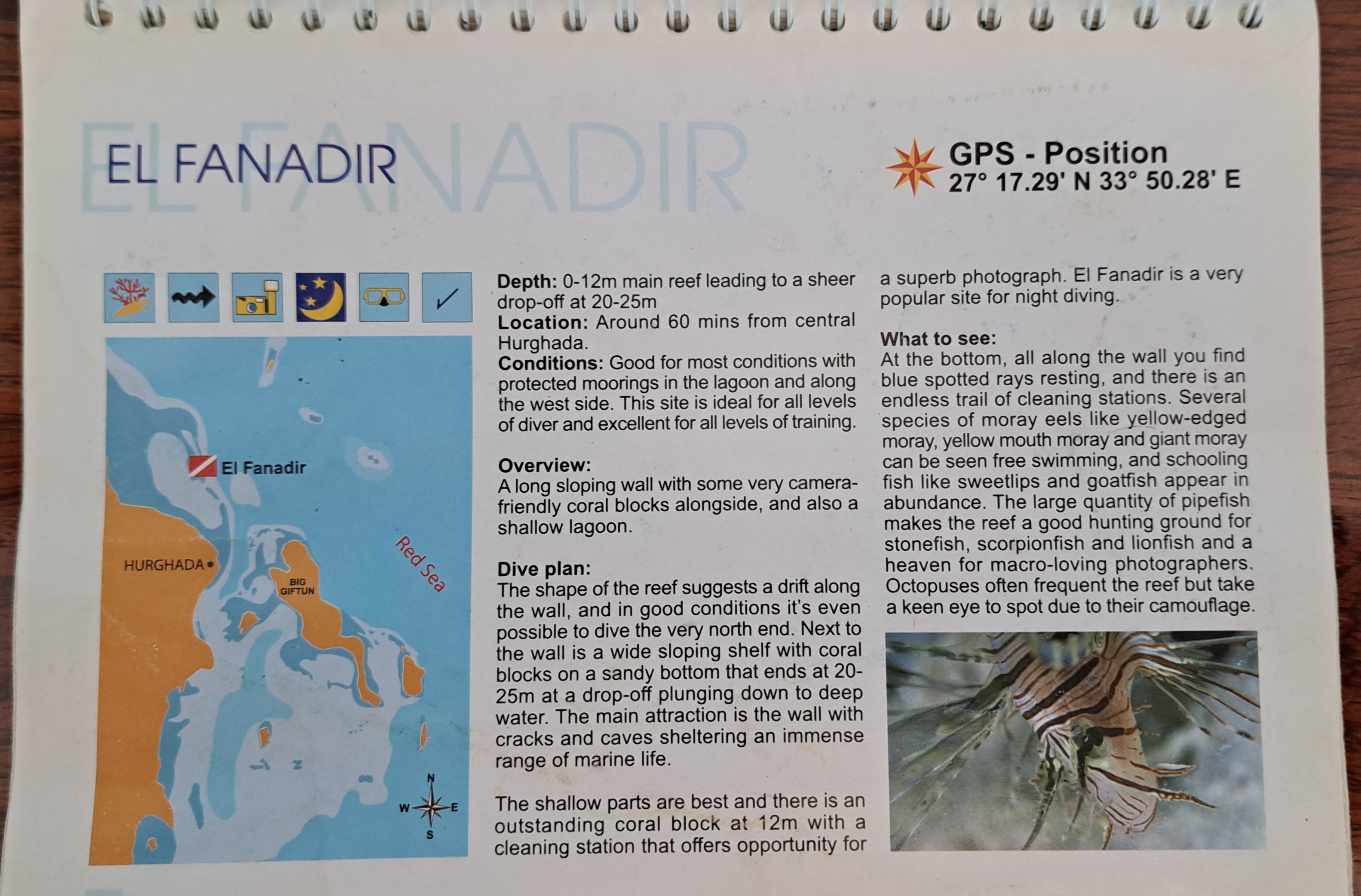

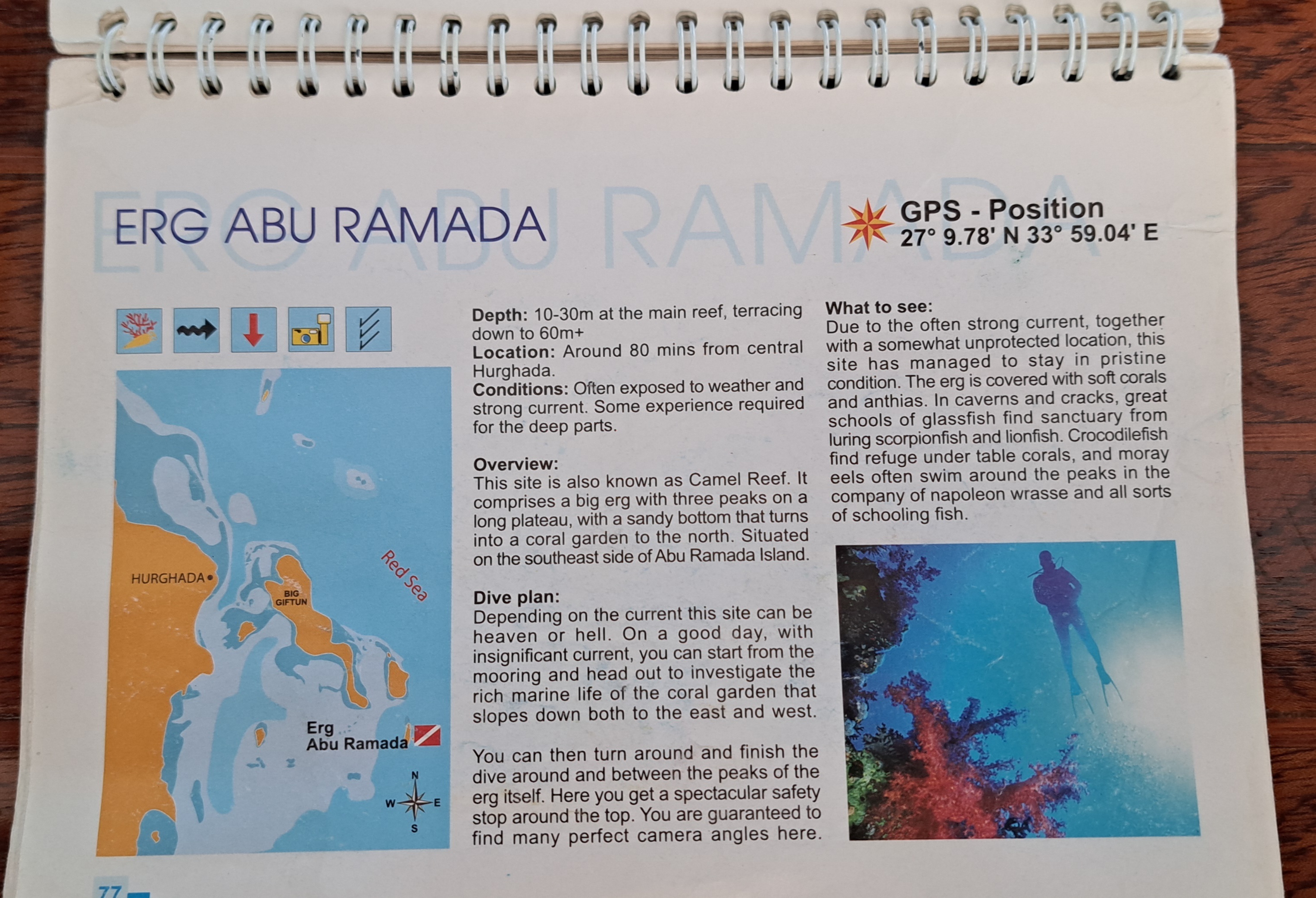



Dive Shop & Buddies
 Dive with Colona Dive Center El Gouna

Link to this spot:
- Spot:
- Country:
- Area:
- Body of water:
Dive Profile
- 1. Nitrox 31
- 15L Aluminium 200 → 70 bar
- Average depth: 9.1m
Data provided by EOL.org


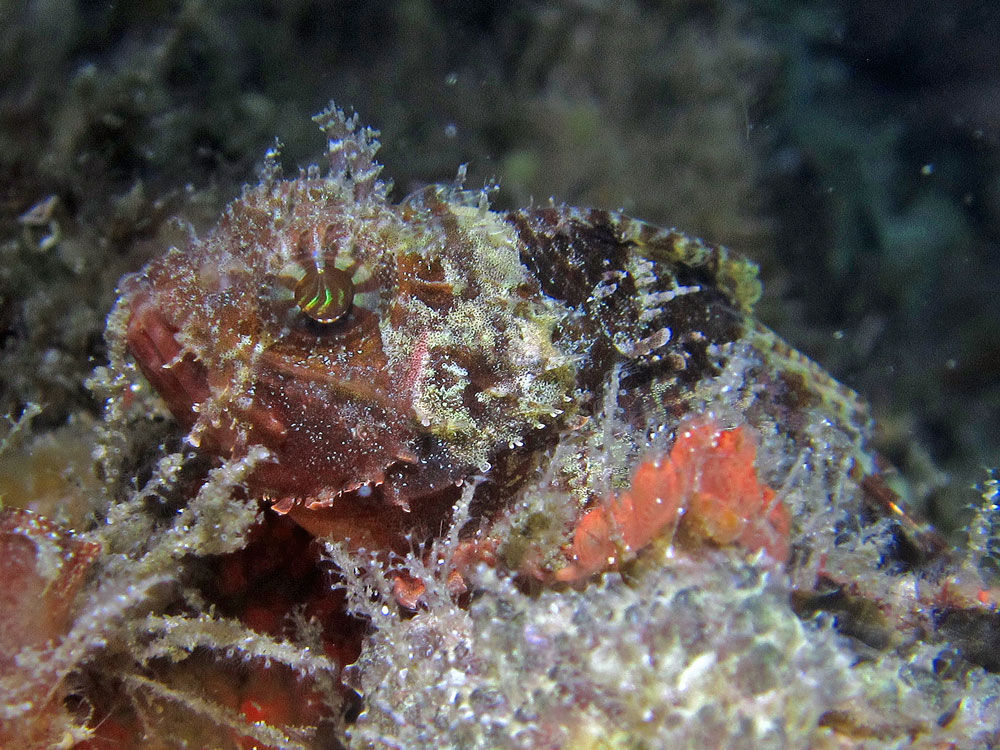
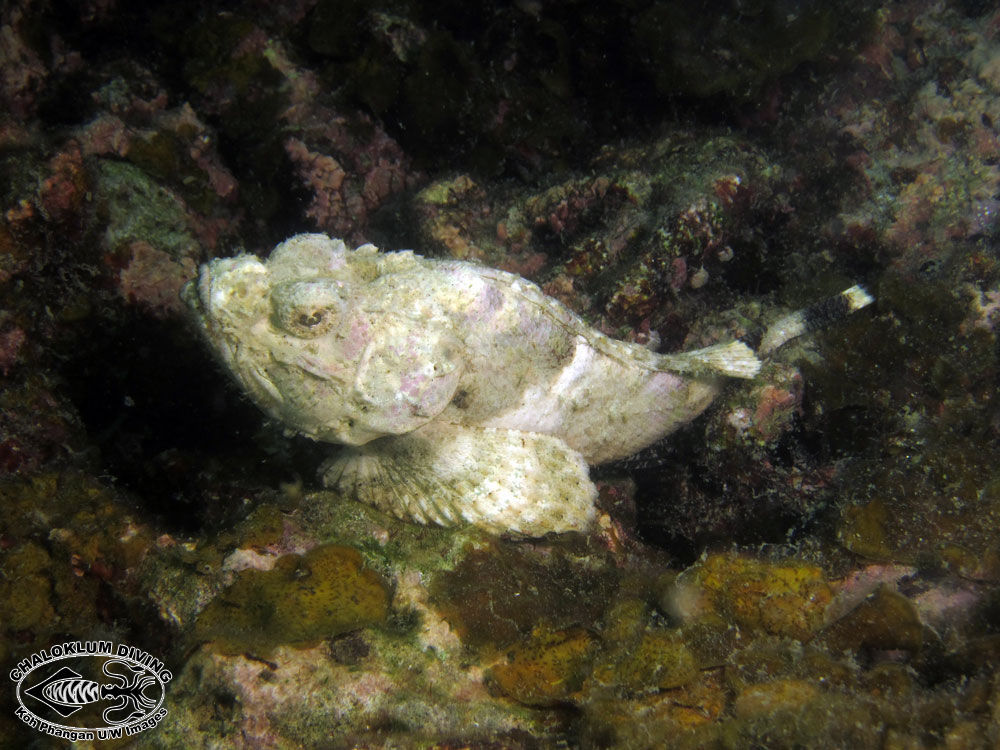
Species Identified
Neotrygon kuhlii (Müller & Henle, 1841) (Bluespotted stingray)
A solitary species found on sandy bottoms near rocky or coral reefs . Usually found in deeper water but moves onto the reef flat and into shallow lagoons at high tide . Occasionally covers itself with sand, leaving only ...
Read More
Read More
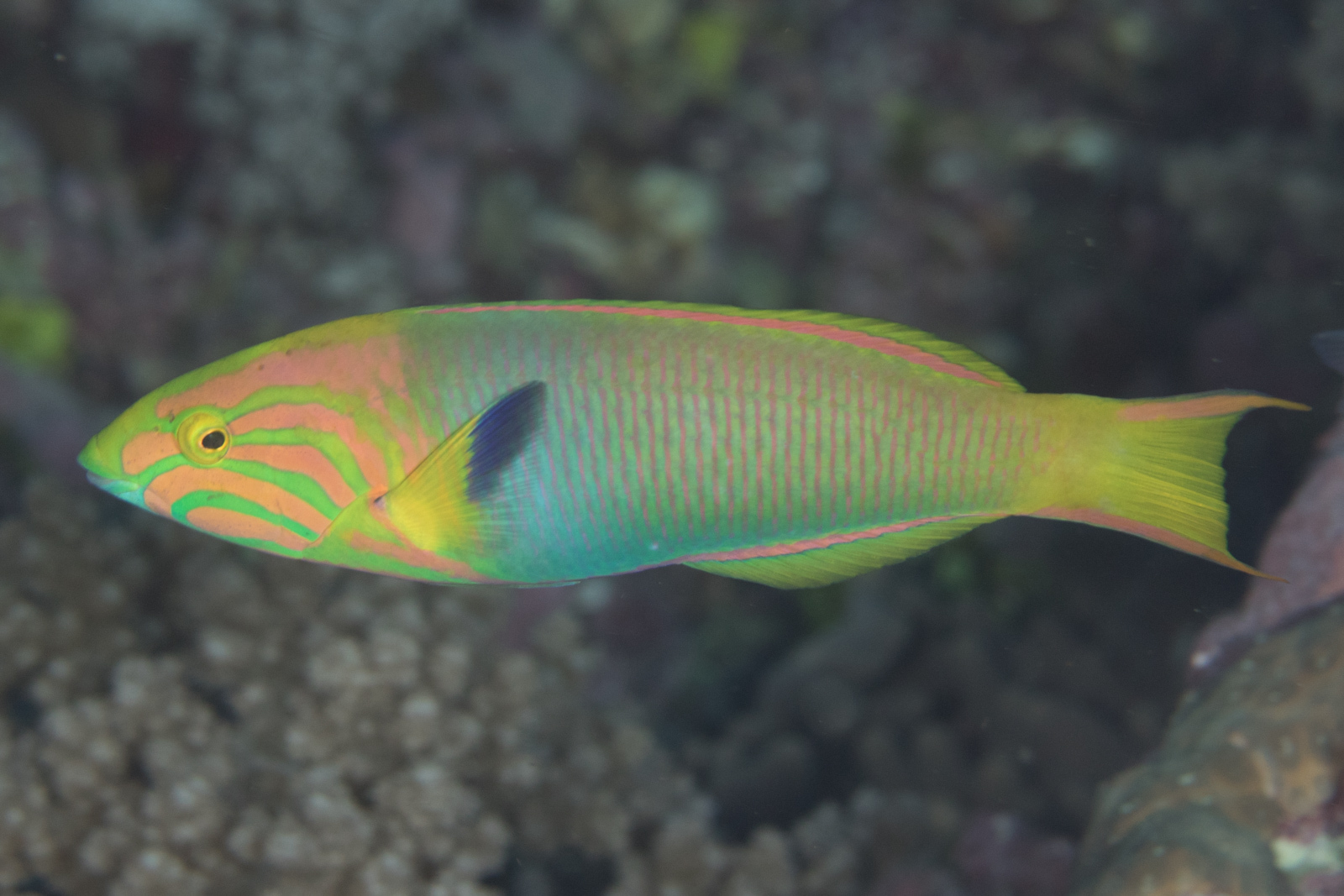
Thalassoma lutescens (Lay and Bennett, 1839) (parrotfish)
Occurs in clear outer lagoon and seaward reefs, over open sand and rubble as well as dense coral growth. Common is shallow exposed areas . Benthopelagic . Feeds mainly on shelled benthic invertebrates , also on polychaete worms and fish eggs.
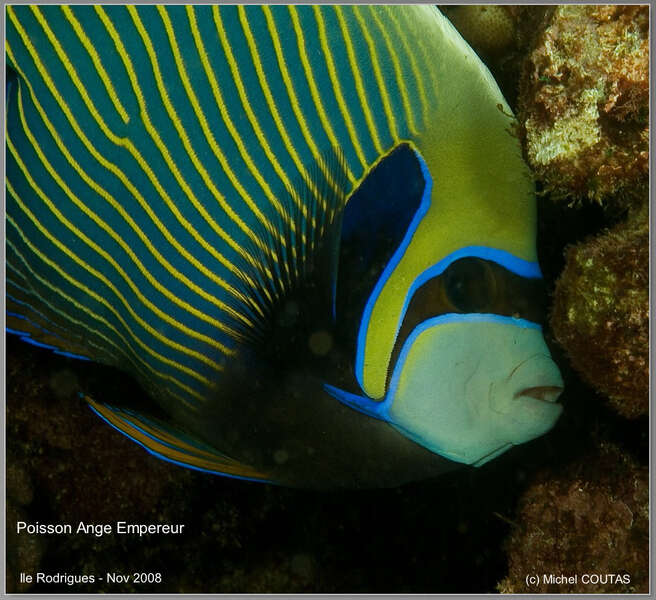
Pomacanthus imperator (Bloch, 1787) (Angel fish)
Juveniles are encountered under ledges, or in holes of outer lagoon patch reefs or semi-protected areas of exposed channels and outer reef flats. Subadults move to reef front holes and surge channels. Large adults inhabi...
Read More
Read More
Pterois miles (Bennett, 1828) (Devil firefish)
Lives in coastal waters in muddy habitats . Fin spines highly venomous, may cause human death .
Scorpaenopsis oxycephala (Bleeker, 1849) (Tassled scorpionfish)
Inhabits clear-water outer reef slopes and channels from depths of 1 to at least 35 m, in areas with mixed rock and coral substrates. Venomous spines.
Scorpaenopsis diabolus (Cuvier, 1829) (False stonefish)
Relatively an uncommon inhabitant of rubble or weedy coralline-rock bottoms of reef flats and lagoon and seaward reefs . Benthic . Flashes its inner pectoral fins when disturbed . Can inflict a painful injury with its venomous dorsal sting. Often partly buried .
Share on Social Networks
- Facebook:

personalize your shared text as well as its destination (wall, page...) or send as a private message to a friend
- Twitter: Tweet personalize your tweet
- Google Plus:
Direct link to this dive
- Long link:
- Short link:


 We are participating today in the startup contest Techcrunch Disrupt. Support Diveboard by voting for us!






















































































