


 Adrien


 Dominican Republic

-
Nº9
 Date: 2009-12-07 - 10:00
-
 Max Depth: 14.3m Duration: 44mins
Pictures

No pictures for this dive
- Temp: Bottom 26°C
- Dive type : Recreational
- Visibility: Average Water: Salt
Dive reviews
| Overall review | ||
| Dive difficulty | ||
| Marine life quality |

Link to this spot:
- Spot:
- Country:
- Area:
- Body of water:
Dive Profile
Data provided by EOL.org




Species Identified
Tripneustes ventricosus (Lamarck, 1816) (sea egg)
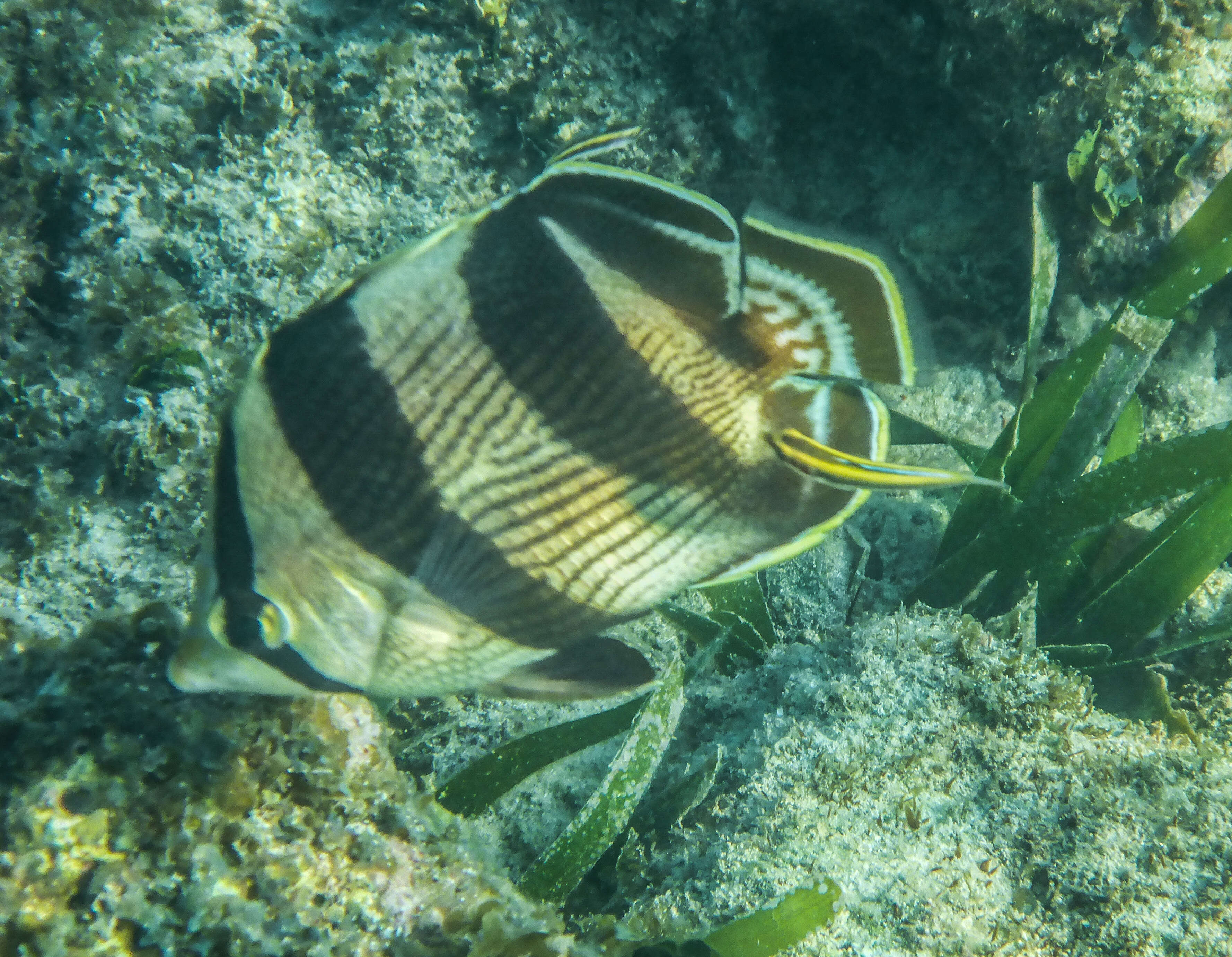
Chaetodon striatus Linnaeus, 1758 (Butterbun)
Inhabit coral reefs. Occur singly or in pairs. Feed on polychaete worms, coral polyps, crustaceans and mollusk eggs. Oviparous , monogamous . Form pairs during breeding . Adults may form plankton-feeding aggregations ...
Read More
Read More
Chaetodon ocellatus Bloch, 1787 (Butterbun)
Inhabit shallow, coral reefs with clear water . Develop dusky bands at night. Generally common . Oviparous . Form pairs during breeding .
Meandrina meandrites (Linnaeus, 1758) (maze coral)
zooxanthellate
Gymnothorax moringa (Cuvier, 1829) (Common conger)
A benthic and solitary species abundant in shallow rocky and grassy areas and on coral reefs; less common in turbid bays or harbors. Its bite is very dangerous . Active during the day, sometimes together with other pred...
Read More
Read More
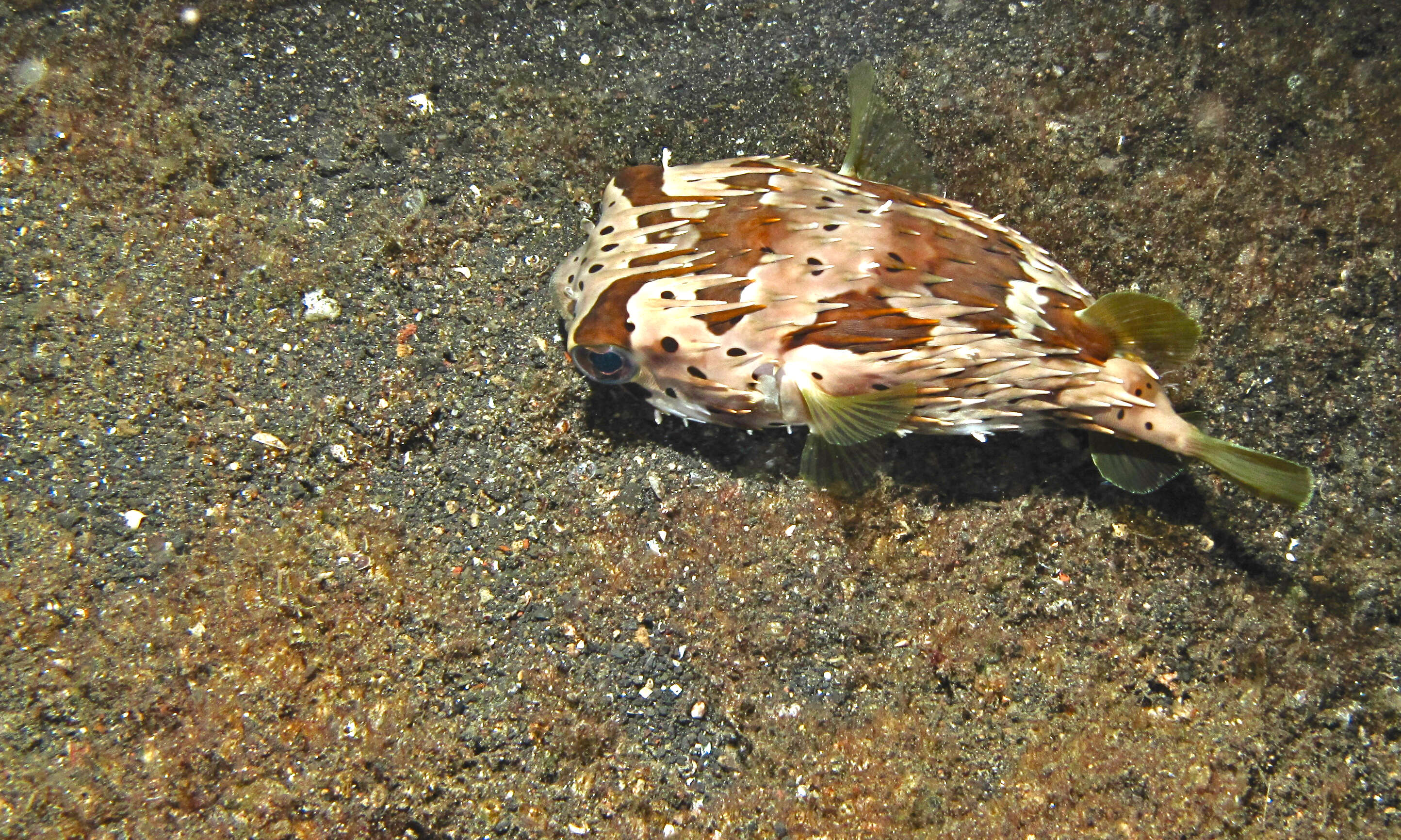
Diodon holocanthus Linnaeus, 1758 (Long-spine porcupinefish)
Diploria clivosa (Ellis and Solander, 1786) (Knobby brain coarl)
zooxanthellate
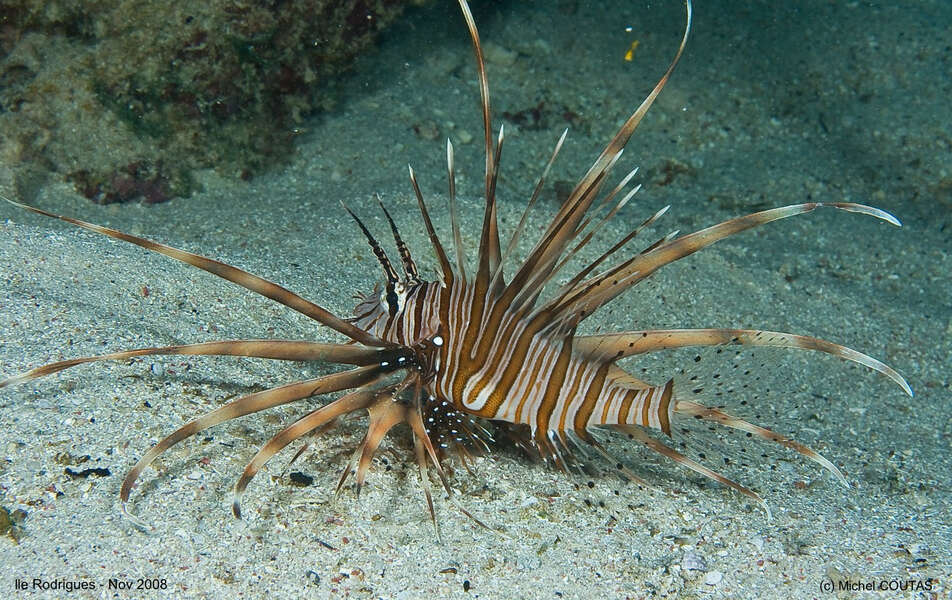
Pterois volitans (Linnaeus, 1758) (Red lionfish)
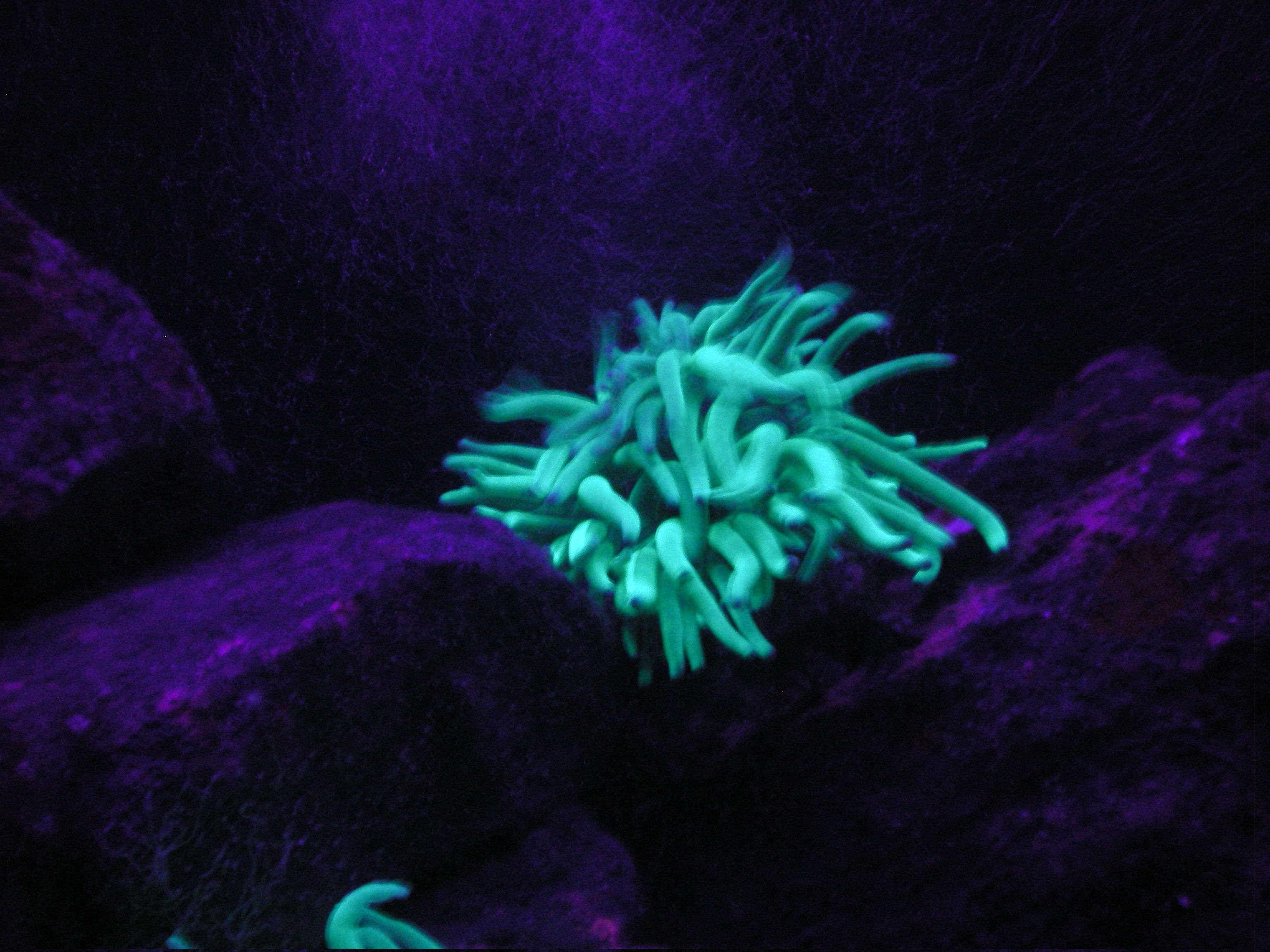
Condylactis gigantea (Weinland, 1860) (giant caribbean anenone)
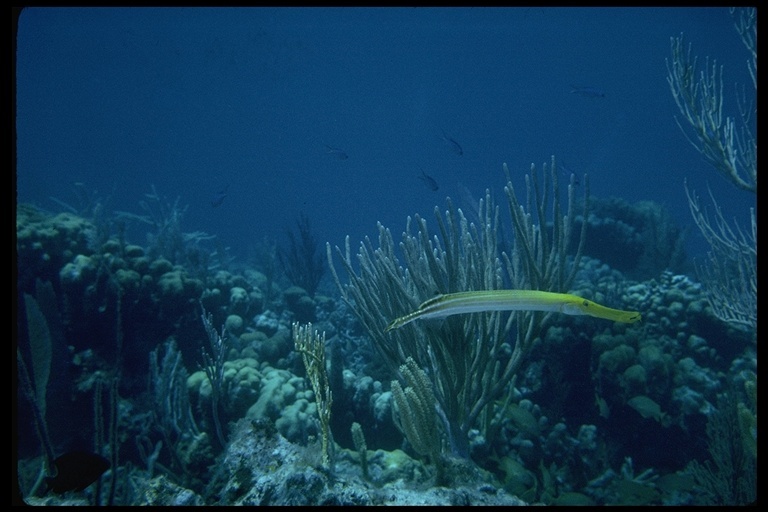
Aulostomus maculatus Valenciennes, 1841 (Caribbean trumpetfish)
Commonly found in weedy areas and especially around reefs, where they usually swim snout-down among sea whips . A solitary ambusher of small fishes and crustaceans that lurk among branching coral or gorgonians. Often swi...
Read More
Read More
Urobatis jamaicensis (Cuvier, 1816) (Maid)
Commonly found along sandy beaches to the water's edge, and especially in sandy areas in and around coral reefs . Raises front end of disc to attract prey seeking shelter . Feeds on shrimps, probably also on small fi...
Read More
Read More
Share on Social Networks
- Facebook:

personalize your shared text as well as its destination (wall, page...) or send as a private message to a friend
- Twitter: Tweet personalize your tweet
- Google Plus:
Direct link to this dive
- Long link:
- Short link:


 We are participating today in the startup contest Techcrunch Disrupt. Support Diveboard by voting for us!
























































































Landed on fire coral :(