


 Aledpencil


 United Arab Emirates
-
Nº9
 Date: 2014-08-04 - 16:00
-
 Max Depth: 9.6m Duration: 30mins
Pictures

No pictures for this dive
- Temp: Surf 38°C Bottom 25°C
- Dive type : Recreational, Photo
- Visibility: Excellent Water: Salt
Specific gear used
- Camera: intova - ic14
- Fins: Atomic Aquatics - Hydrosplit
- Mask: Oceanic -
- Weights: 4 kg
Dive reviews
| Overall review | ||
| Dive difficulty | ||
| Marine life quality | ||
| Big fish |
Dive Shop & Buddies
 Dive with Randy Pascua from Atlantis, The Palm

Link to this spot:
- Spot:
- Country:
- Area:
- Body of water:
Dive Profile
Data provided by EOL.org




Species Identified
Myliobatis aquila (Linnaeus, 1758) (Common eagle ray)
Found in shallow lagoons , bays and estuaries; also offshore down to at least 95 m . Often found in groups . Feeds on benthic crustaceans, mollusks and fish. Ovoviviparous . Gestation period of 6-8 months, the females ...
Read More
Read More
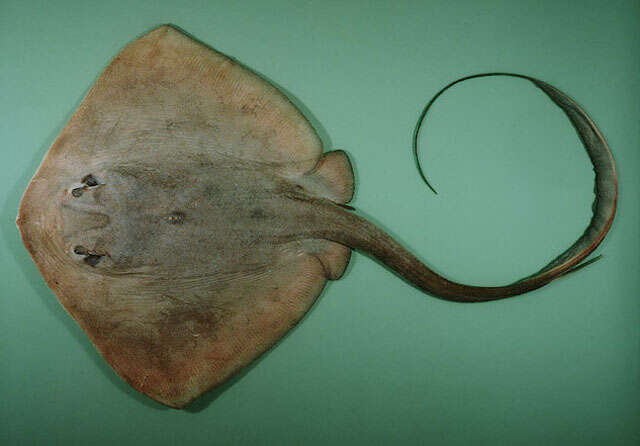
Pastinachus sephen (Forsskål, 1775) (Cowtail stingray)
Found in lagoons, reef flats, and reef faces . Also in rivers far from the sea . Feeds on bony fishes, worms, shrimp, and crabs . Ovoviviparous . Adults are sometimes accompanied by remoras or members of the trevally f...
Read More
Read More
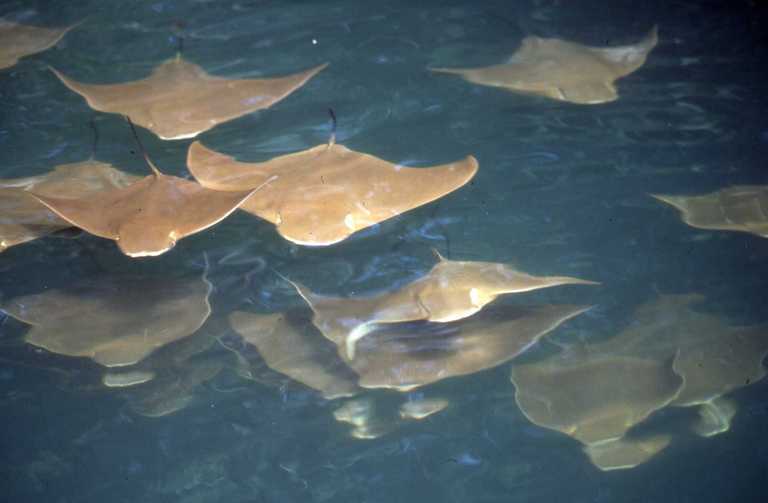
Rhinoptera bonasus (Mitchill, 1815) (Cownose ray)
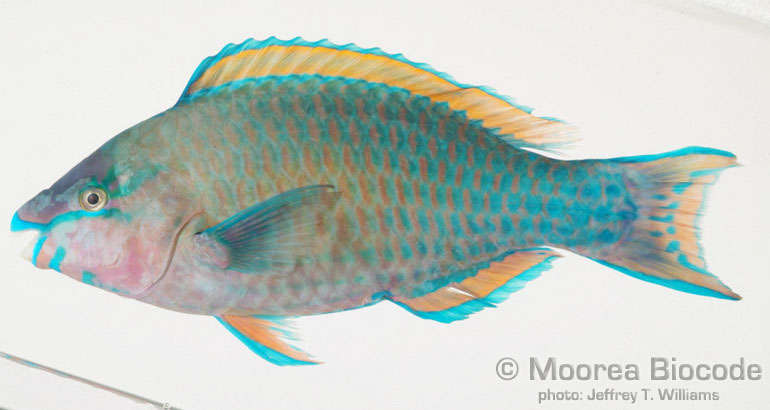
Scarus psittacus Forsskål, 1775 (Common parrotfish)
Inhabit reef flats and lagoon and seaward reefs to at least 25 m depth . Found over corals . Benthopelagic . Initial-phase fish stage usually form small feeding schools . Graze on benthic algae . Secrete a mucus cocoon .
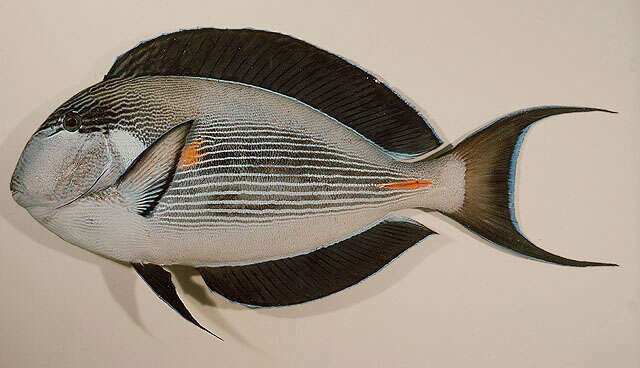
Acanthurus sohal (Forsskål, 1775) (Sohal surgeonfish)
A common species found in seaward edges of reefs exposed to surge . Aggressive and territorial . Feeds on various kinds of algae, mainly Sargassum, and fine filamentous green algae. Caught with nets .
Abudefduf conformis Randall and Earle, 1999 (Sergeant major)
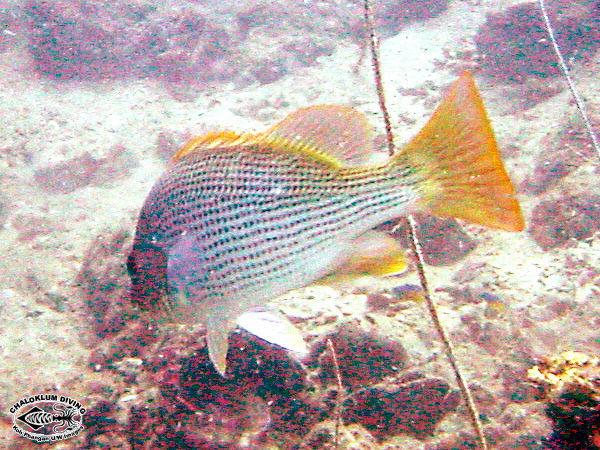
Lutjanus monostigma (Cuvier, 1828) (black spot snapper)
Inhabits coral reef areas, usually close to shelter in the form of caves, large coral formations and wreckage. Usually solitary; occasionally occurring in small groups. Feeds mainly on fishes and benthic crustaceans, pri...
Read More
Read More
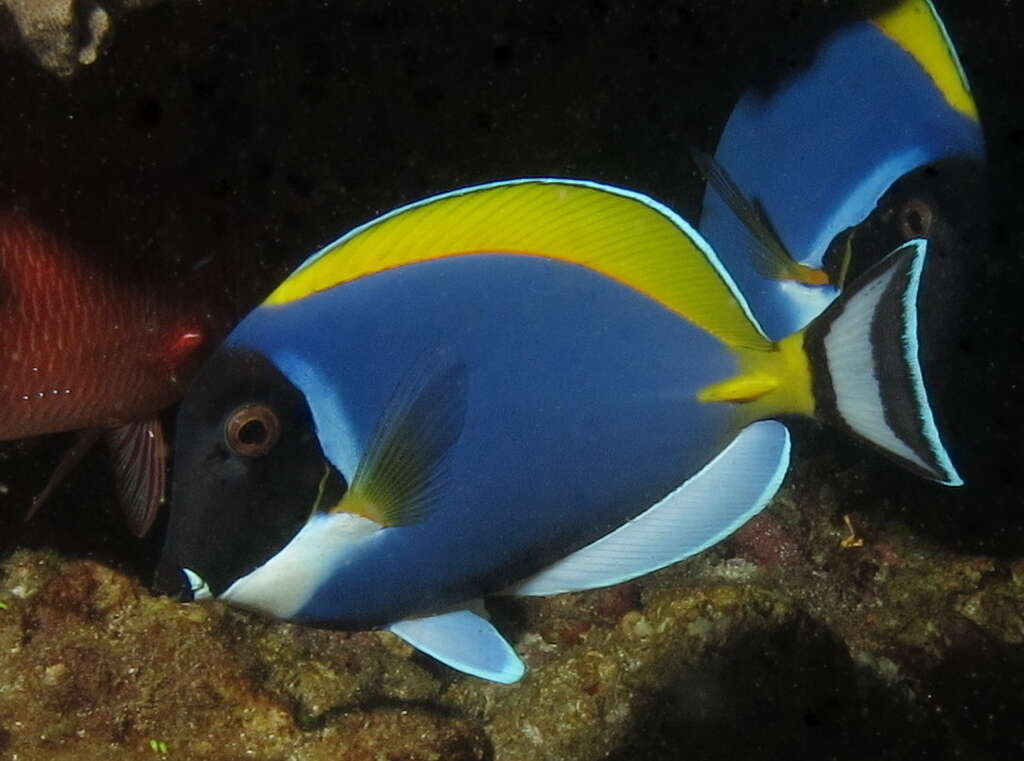
Acanthurus leucosternon Bennett, 1833 (Powderblue surgeonfish)
Inhabits shallow, clear coastal and island coral reefs . Usually found on reef flats and along upper seaward slopes . May occur singly or in large feeding aggregations. Monogamous . Feeds on benthic algae; on small, sp...
Read More
Read More
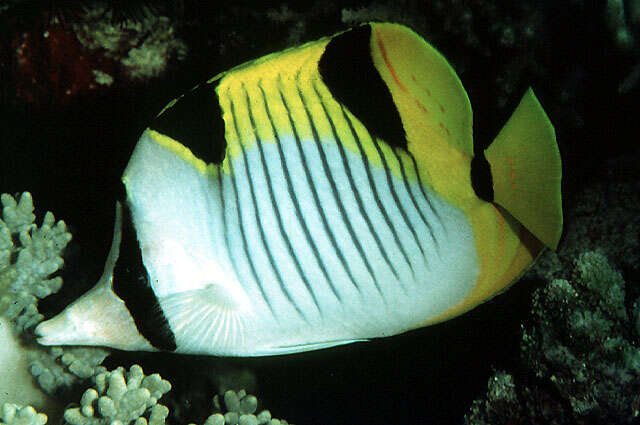
Chaetodon falcula Bloch, 1795 (Blackwedged butterflyfish)
Found on the reef edge and upper slope. Usually in current-prone habitats; juveniles secretive in corals . Generally seen in pairs or in small aggregations . Feed mainly on invertebrates . Oviparous . Form pairs during breeding .
Alestes baremoze (Joannis, 1835) (Silversides)
Mainly diurnal. There is considerable flexibility in its diet, A. baremoze shifts from zooplankton to zoobenthos, detritus and macrophytes as plankton densities decline . Occurs at a temperature range of 14.6-35.0°C. In...
Read More
Read More
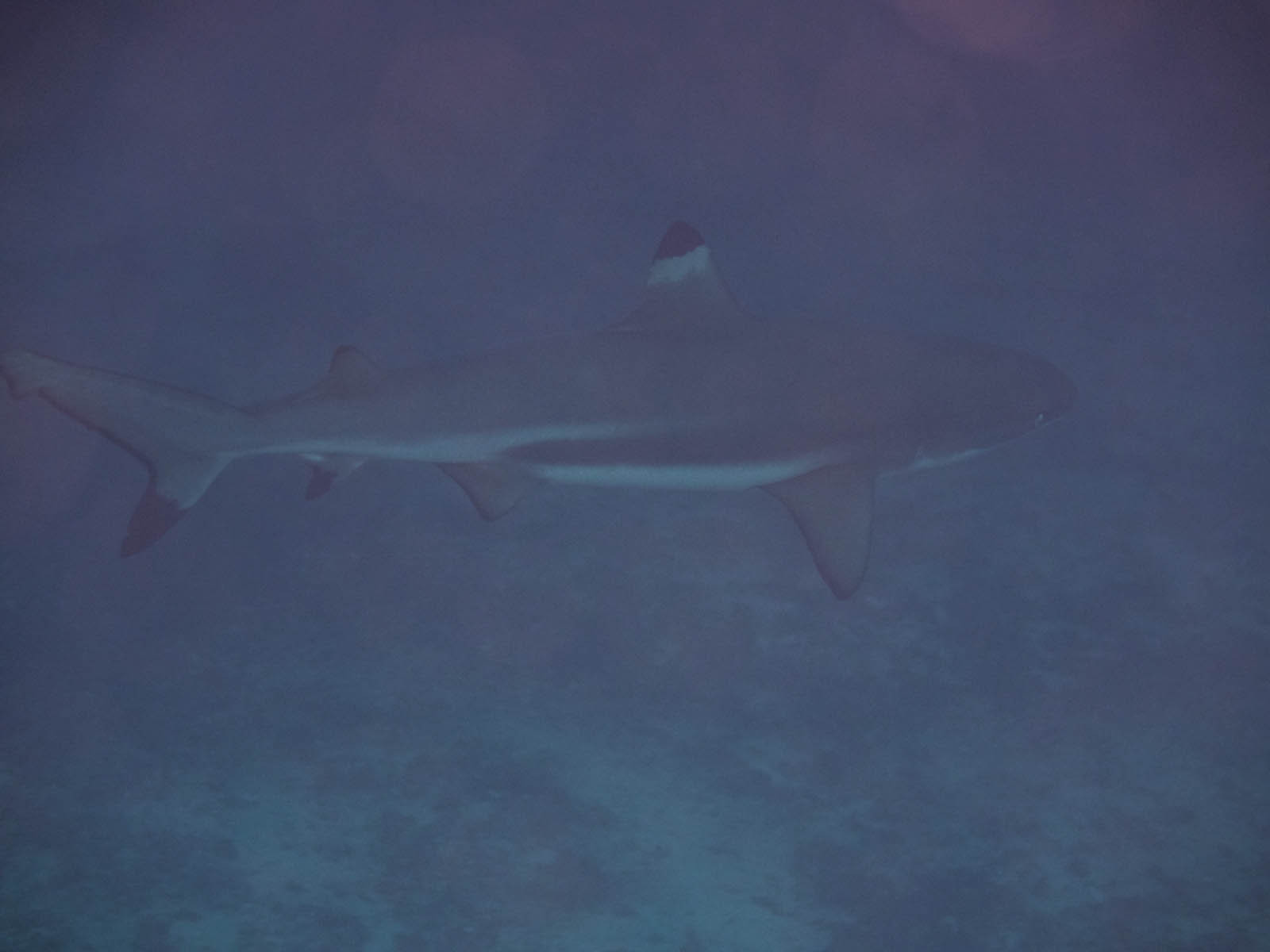
Carcharhinus melanopterus (Quoy and Gaimard, 1824) (blacktip reef shark)
This powerful swimmer is well known for its tendency to enter incredibly shallow water, and is often found in water only 30 centimetres deep or less, with its distinctive dorsal fin protruding from the surface of the water...
Read More
Read More
Rhynchobatus djiddensis (Forsskål, 1775) (Giant guitarfish)
The giant guitarfish swims onto reef flats at high tide to feed and find refuge . Diet comprises crabs, lobsters, clams, small fish and squid . Males mature at a length of around 156 cm, females at around 177 cm. Repr...
Read More
Read More
Rhina ancylostoma Bloch and Schneider, 1801 (Bowmouth guitarfish)
Very little is known about the biology of the bowmouth guitarfish . This species feeds mainly on crustaceans and mollusks on the sea bed , catching them by restraining the prey against the sea bottom using its large head a...
Read More
Read More
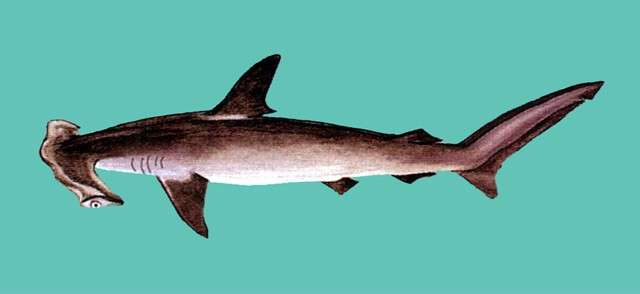
Sphyrna zygaena (Linnaeus, 1758) (Smooth hammerhead shark)
Known for their spectacular schooling behaviour, the smooth hammerhead gathers into these large groups as juveniles, but as adults they occur singly or in small groups. They hunt for bony fish, small sharks and stingrays a...
Read More
Read More
Share on Social Networks
- Facebook:

personalize your shared text as well as its destination (wall, page...) or send as a private message to a friend
- Twitter: Tweet personalize your tweet
- Google Plus:
Direct link to this dive
- Long link:
- Short link:


 We are participating today in the startup contest Techcrunch Disrupt. Support Diveboard by voting for us!
























































































