


Italy
(12849 reviews) |
Scuba diving locations in Italy:
- Portofi Marine Park has an abundance of marine life rarely seen in the Mediterranean Sea. There are more than 20 dive sites within 15 minutes of the port by boat.
- On the west coast of Italy is the Naples Bay area. Plenty of caves and caverns with small colourful fish, seahorses, octopus, moray eels and more. Capri offers some good cave diving with plenty of overhangs.
- The Tremiti islands include some exceptional growths of Georgian fans of various colours as well as numerous hard corals near the shorelines which have grown into vertical pillars.
- Elba has mostly boat dives where you can see a lot of different fish including wrasses, baraccudas and groupers. In summer, sun fish, eagle rays. sponges, seafans, small red corals are also visible.
- Most of the northern part of the island of Sardinia is a protected area, with the large Marine Park of the Maddalena Archipelago and the Marine Park of Lavezzi. Much takes place on the sheltered eastern coast, with most of the dives around caverns and overhangs, although there are some good wrecks.
- Sicily is Italy's largest island and the largest island in the Mediterranean Sea.
- Ustica, in the Tyrrhenian Sea, north of Sicily, is protected by a Natural Marine Reserve.
When to scuba dive in Italy:
Generally from April to October, when the water reaches up to 27C. It can drop to as low as 13C in winter.
Local standards for gear:
The best scuba diving spots in Italy:
- Cristo Degli Abissi, ‘The Christ of ...
Based on 12849 reviews
Scuba diving locations in Italy:
- Portofi Marine Park has an abundance of marine life rarely seen in the Mediterranean Sea. There are more than 20 dive sites within 15 minutes of the port by boat.
- On the west coast of Italy is the Naples Bay area. Plenty of caves and caverns with small colourful fish, seahorses, octopus, moray eels and more. Capri offers some good cave diving with plenty of overhangs.
- The Tremiti islands include some exceptional growths of Georgian fans of various colours as well as numerous hard corals near the shorelines which have grown into vertical pillars.
- Elba has mostly boat dives where you can see a lot of different fish including wrasses, baraccudas and groupers. In summer, sun fish, eagle rays. sponges, seafans, small red corals are also visible.
- Most of the northern part of the island of Sardinia is a protected area, with the large Marine Park of the Maddalena Archipelago and the Marine Park of Lavezzi. Much takes place on the sheltered eastern coast, with most of the dives around caverns and overhangs, although there are some good wrecks.
- Sicily is Italy's largest island and the largest island in the Mediterranean Sea.
- Ustica, in the Tyrrhenian Sea, north of Sicily, is protected by a Natural Marine Reserve.
When to scuba dive in Italy:
Generally from April to October, when the water reaches up to 27°C. It can drop to as low as 13°C in winter.
Local standards for gear:
The best scuba diving spots in Italy:
- Cristo Degli Abissi, ‘The Christ of the Abyss’, a giant submerged statue cast in bronze, is located in the bay of San Fruttuoso that is only reachable by boat or a long walk over the mountains.
- L’Isuela, Portofi Marine Park, is one of the more popular dive sites due to its beauty.
- Formiche Della Zanca on the northern coast of the Island of Elba is a group of emerging rocks, the underwater part of which is a scenic seabed with various routes.
- Lo Scoglietto is found off a small isle just outside the bay of Portoferraio. The seabed beneath it is made of a large variety of natural formations and there are shoals of pelagic fish, such as silver amberjacks.
- The Kt12 Wreck, in the Gulf of Orosei, Sardinia, was a 65 metre long German ship which was sunk in 1943 and now sits between 25 to 30 metres.. The current can be fierce especially near the surface.
- The Roman Columns, an ancient Roman wreck south-east of the bay of Cape Taormina (26m), sank more than 2000 years ago.
- Boe Capo Taormina (depth 30 metres.) is an advanced dive on a wall with a current and a lot of sea life. The film "The Big Blue" was filmed here.
- At the Secca Della Colombara on the North-Eastern coast of Ustica, you should see groupers, big fish of up to 40 kilos, amberjacks, Mediterranean barracudas, Dentex, white bream and crayfish.
- The Grotta Dei Gamberi has delicate fan-like red gorgonias and the archaeological trail off Punta Gavazzi where many artefacts, such as anchors and Roman amphorae, can be seen.
The best spots to snorkel in Italy:
Fun scuba facts:
- Cristo Degli Abissi, ‘The Christ of the Abyss’, in the bay of San Fruttuoso was created in memory of Dario Gonzatti, one of the pioneers of scuba diving. Gonzatti was based in the area and was the first Italian to wear scuba gear and tested a lot of that gear in what is now the marine park. There is an annual pilgrimage each July where divers from all over the world light floating candles in the water above the statue.
Country data:
Administrative details
- Currency: Euro (EUR)
- Population: is about 60,700,000 (2011)
- Time Zone: CET (GMT+1), Summer CEST (GMT+2)
- Main languages spoken: Italian ## Diveable overseas territories:
Italian diving federations:
FEDERAZIONE ITALIANA PESCA SPORTIVA E ATTIVITA SUBACQUEE (FIPSAS), COMITATO ITALIANO RICERCHE STUDI SUBAQUEI (CIRSS), Associaziona Nazionale Istruttori Subacquei (ANIS), Federazione Italiana Attivita Subacquee (FIAS), Federazione Italiana Sport Acquatici Centro Nazionale Attività Subacquee ([FISASUB]organization://FISASUB)) are all members of Confédération Mondiale des Activités Subaquatiques (CMAS)
Local diving laws and regulations (and PADI-equivalent certifications):
Best dive spots in Italy
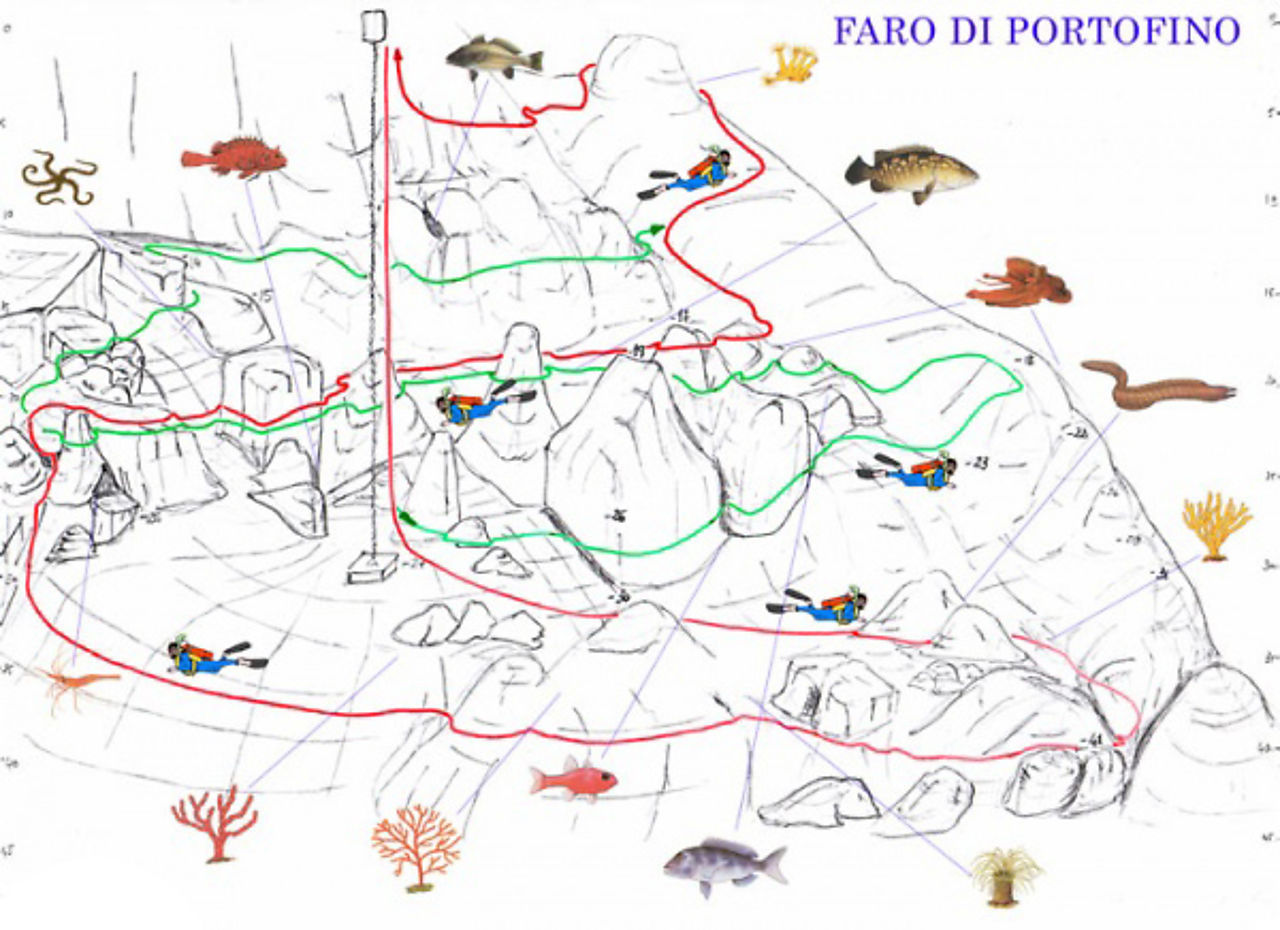
Ligurian Sea 159 dives
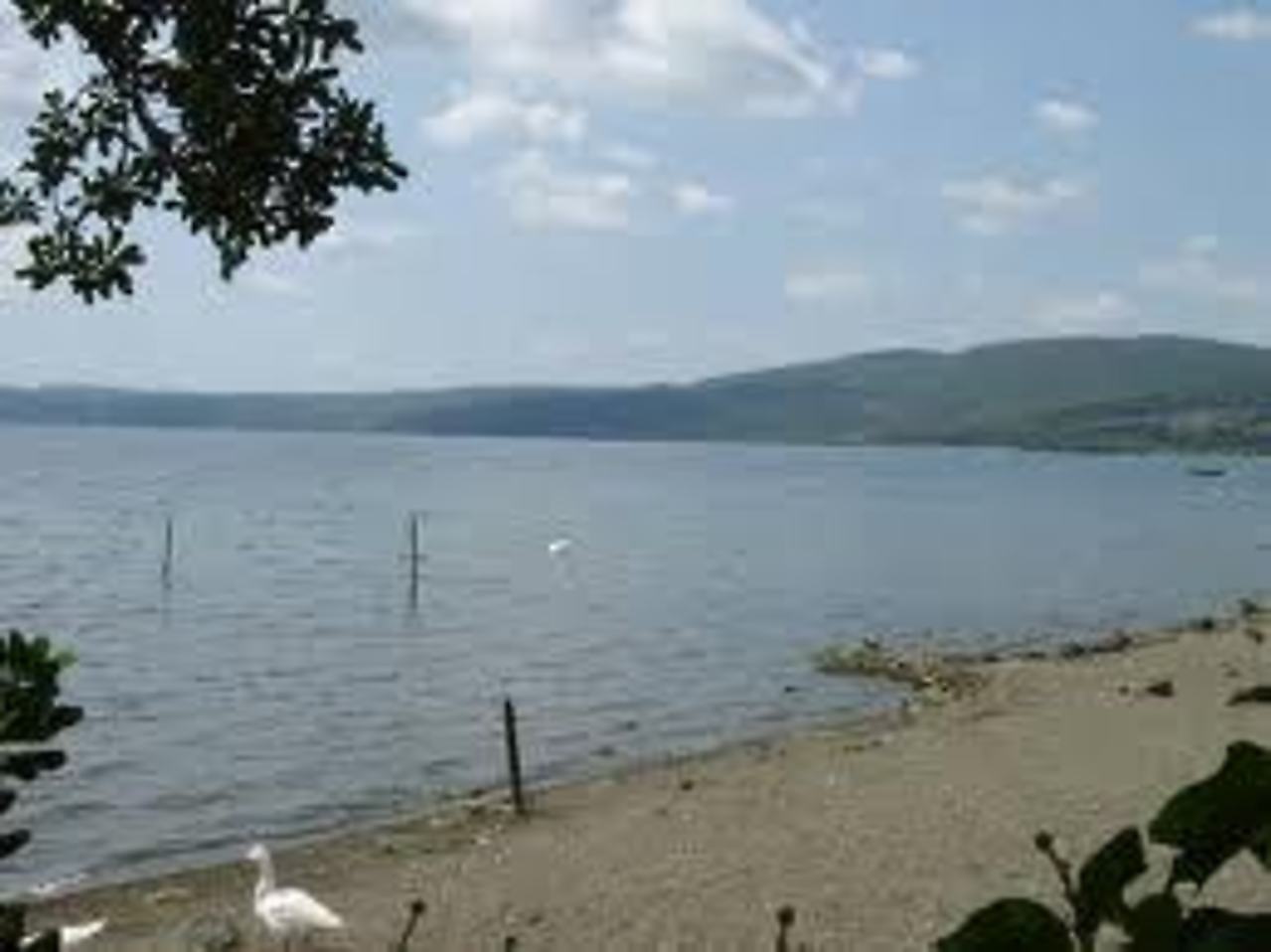
Bracciano Lake 36 dives
Ionian Sea 188 dives
Lago Di Garda 86 dives
Best dive shops in Italy



About

The #1 place for everything scuba.
Discover destinations through divers' eyes & book your dives.
Mobile ready and fully featured with the best online logbook to share your explorations and feedbacks.
Quick Links
Change language: |
|
|
Product and services
Online Logbook |
Community and help |
About Diveboard |
 |
 |
 |
Copyright 2008-2024 Diveboard
Change language: |
|
