


 Ausiwi66


 Australia

-
Nº1
 Date: 2012-09-22 - 10:50
-
 Max Depth: 10m Duration: 34mins
Pictures

No pictures for this dive
- Temp: Surf 30°C Bottom 26°C
- Dive type : Training, Reef
- Visibility: Good Water: Salt
Specific gear used
- BCD:
- Compass:
- Computer:
- Regulator:
- Wet suit:
- Fins: Scubapro - Jetsport
- Gloves:
- Mask: Icon -
- Weights: 10 kg
Dive Shop & Buddies
 Dive with Cameron from Pro Dive Cairns
 Dive buddies:
Graeme

Link to this spot:
- Spot:
- Country:
- Area:
- Body of water:
Dive Profile
- 1. Air
- 12L Aluminium 205 → 60 bar
- Average depth: 6.7m
Data provided by EOL.org



Species Identified
Acropora pulchra (Brook, 1891)
zooxanthellate
Pocillopora damicornis (Linnaeus, 1758) (Cauliflower coral)
zooxanthellate
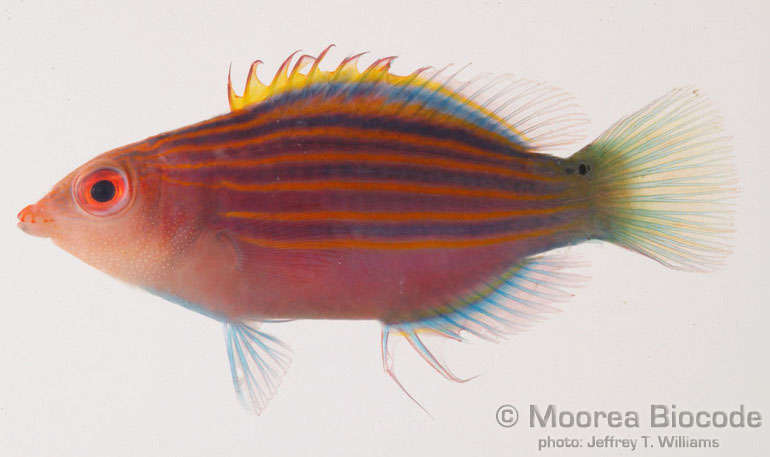
Pseudocheilinus hexataenia (Bleeker, 1857) (Pyjama)
Occurs in seaward reefs among coral branches. Also in clear coastal waters, dense coral habitats on shallow reef crest or slopes to depth of about 20 m. Usually occurs in small loose groups. A shy species, usually swimm...
Read More
Read More
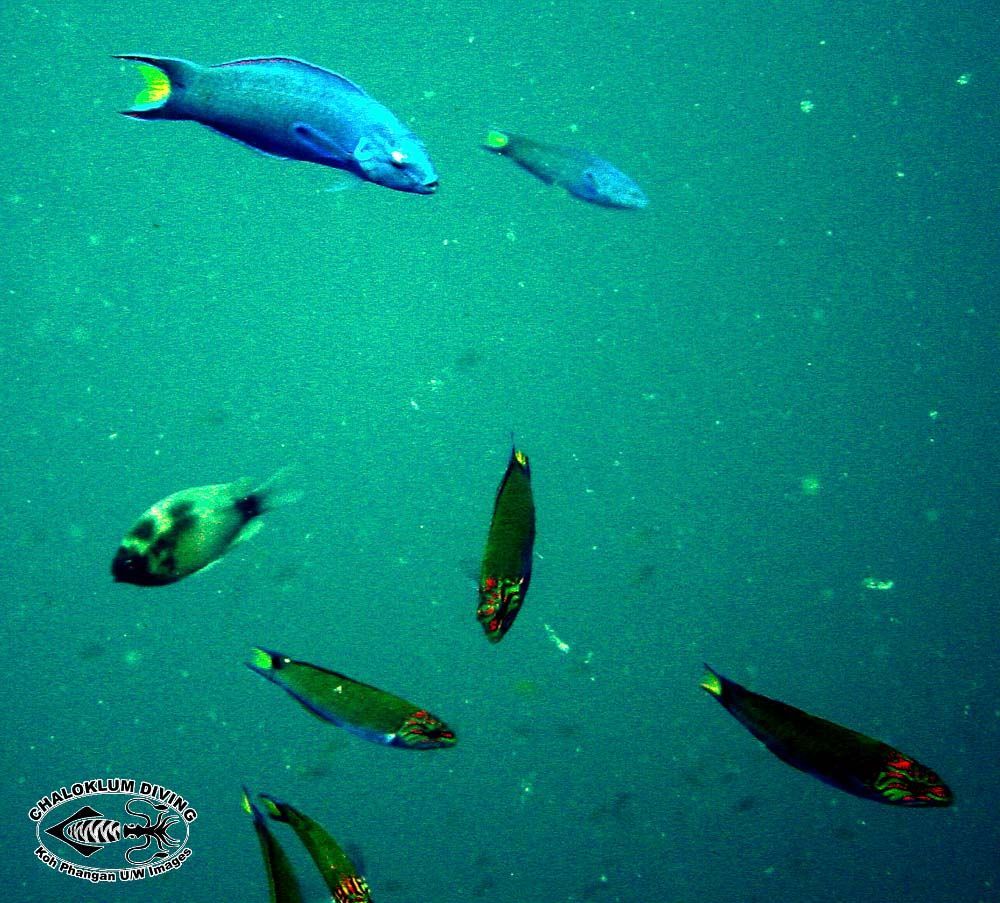
Thalassoma lunare (Linnaeus, 1758) (Blue wrasse)
Occurs in the upper portions of lagoon and coastal reefs, and in protected seaward reefs . Enters estuaries . Usually found on upper portions of ledges and heads . Feeds mainly on small benthic invertebrates and fish eggs . A protogynous hermaphrodite .
Dascyllus aruanus (Linnaeus, 1758) (black-and-white damselfish)
Territorial, inhabit shallow lagoon and subtidal reef flats. Form large aggregations above staghorn Acropora thickets or in smaller groups above isolated coral heads. Feed on zooplankton, benthic invertebrates, and algae...
Read More
Read More
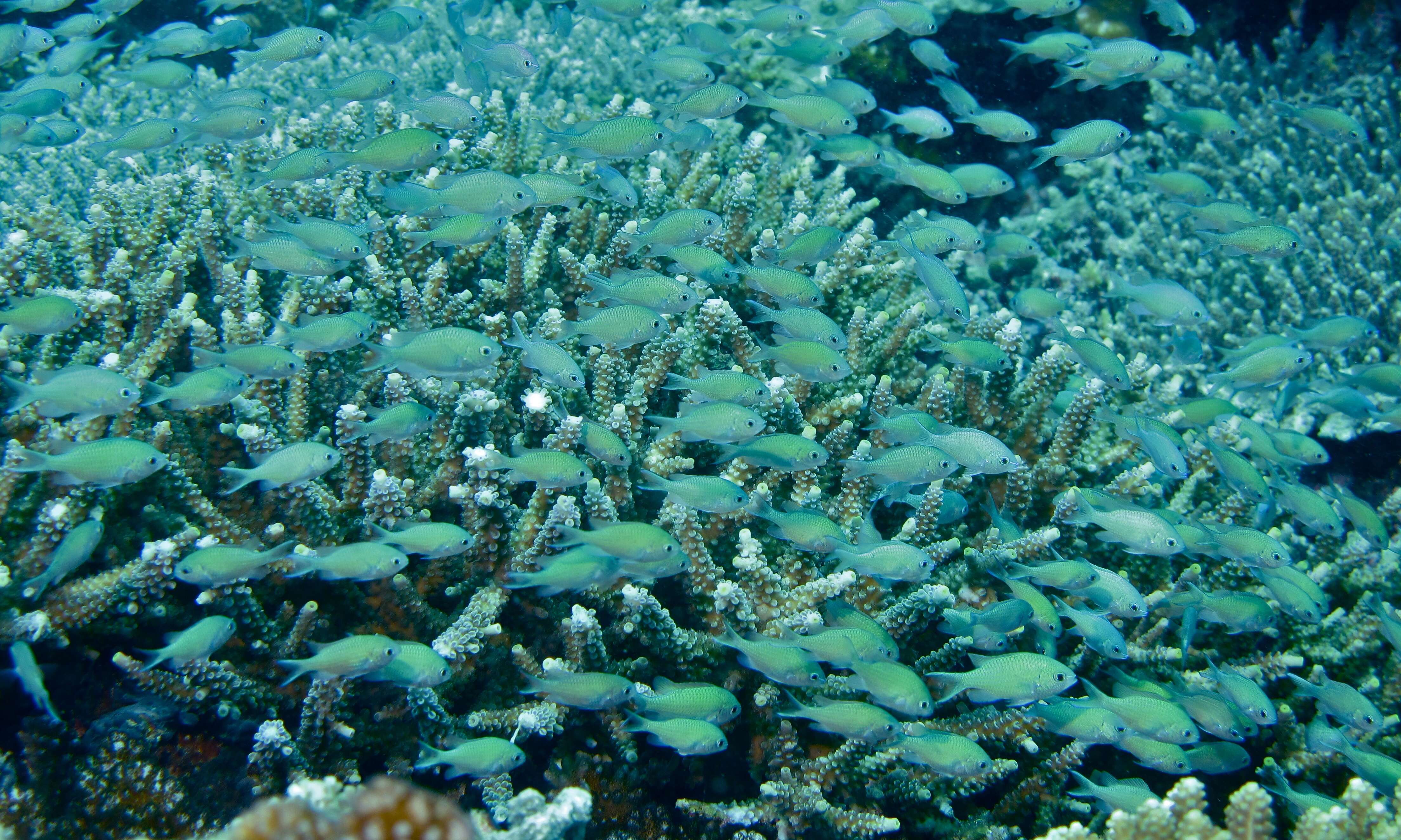
Chromis viridis (Cuvier, 1830) (blue-green chromis)
Found in large aggregations above thickets of branching Acropora corals in sheltered areas such as subtidal reef flats and lagoons. Juveniles closely tied to individual coral heads . Phytoplankton feeders. Breeding is d...
Read More
Read More
Sepia elliptica Hoyle, 1885 (Cuttlefish)
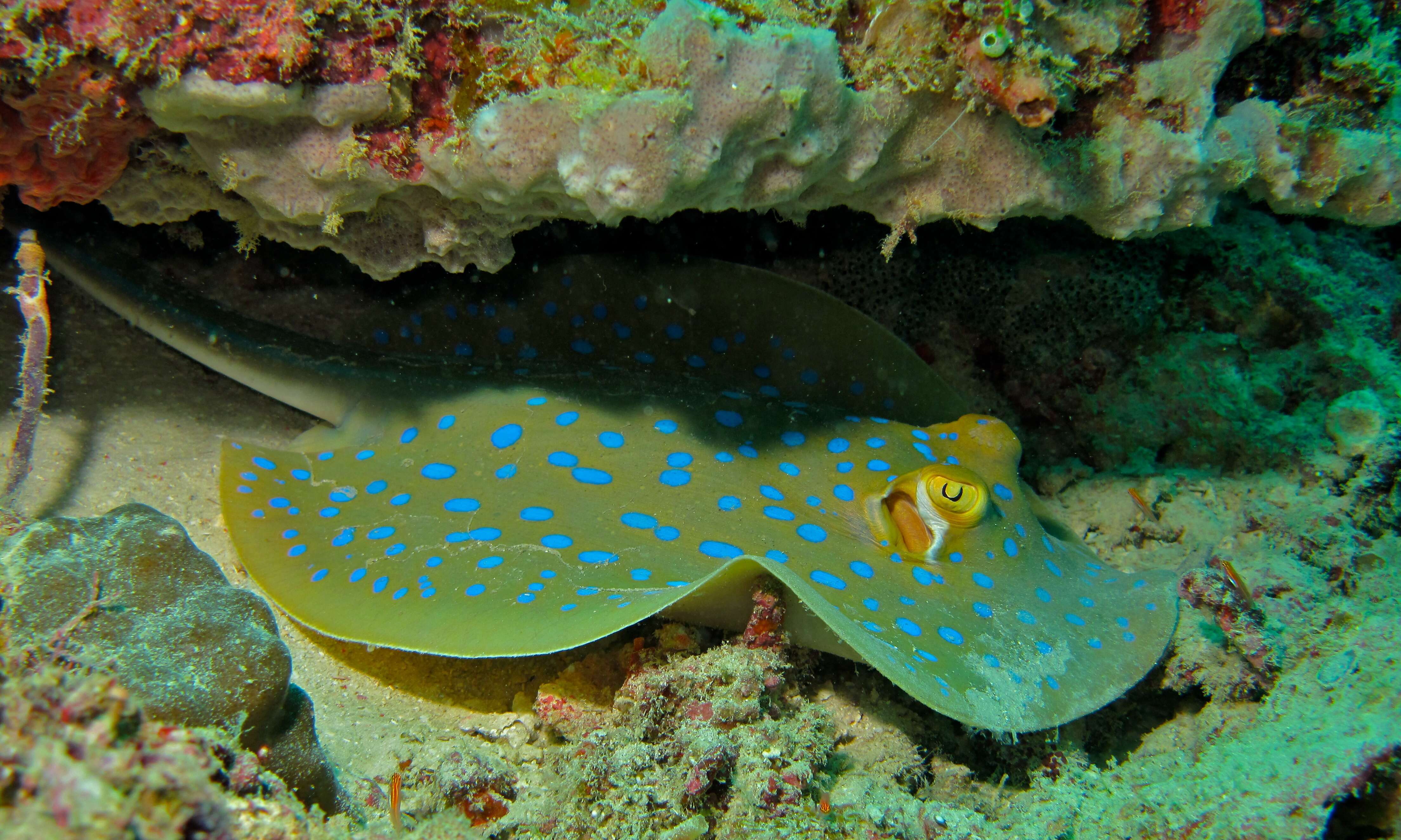
Taeniura lymma (Forsskål, 1775) (Bluespotted ribbontail ray)
Blue-spotted stingrays live alone or in small groups , migrating in large schools into shallow sandy areas on the rising tide in order to feed, and dispersing back into the ocean as the tide falls to shelter in the coral c...
Read More
Read More
Share on Social Networks
- Facebook:

personalize your shared text as well as its destination (wall, page...) or send as a private message to a friend
- Twitter: Tweet personalize your tweet
- Google Plus:
Direct link to this dive
- Long link:
- Short link:


 We are participating today in the startup contest Techcrunch Disrupt. Support Diveboard by voting for us!
























































































1st Training Dive, Cramp Removal, Tired Diver Tow, Snorkel/Regulator Exchange, Remove/Replace Scuba (Surface), Remove/Replace Weights (Surface).
Awesome totally relaxed, saw 2 cuttlefish, 2 blue spotted stingrays, nemo, played with pineapple sea cucumber