


 Balaji ProtecSol

 India
India
-
Nº5
 Date: 2013-03-23 - 12:15
-
 Max Depth: 13m Duration: 41mins
Pictures

No pictures for this dive
- Temp: Surf 38°C Bottom 30°C
- Dive type : Recreational
- Visibility: Good Water: Salt
Specific gear used
- Weights: 8 kg
Recent Divers in Netrani Island
Recent Pictures in Netrani Island
Dive Shop & Buddies
 Dive with Vivek Naidu from Planet Scuba India
 Planet Scuba India confirmed the dive with parameters: 13m / 41mins
 Dive buddies:
Amit Merwar,
Vivek Naidu
Dive buddies:
Amit Merwar,
Vivek Naidu

Link to this spot:
- Spot:
- Country:
- Area:
- Body of water:
Dive Profile
- 1. Air
- 10L Aluminium 200 → 100 bar
- Average depth: 8.7m
Data provided by EOL.org


Species Identified
Gymnothorax flavimarginatus (Rüppell, 1830) (Yellow-edged moray)
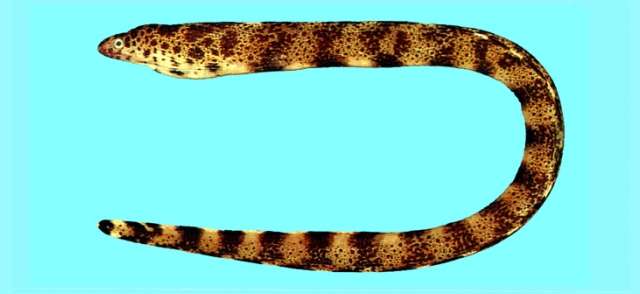
Gymnothorax reticularis Bloch, 1795 (Moray eel)
Caught at great depths; ca 100 m on sandy gravel bottom . Often caught by trawls. Used in Chinese medicine .
Gymnothorax favagineus Bloch & Schneider, 1801 (Laced moray)
Inhabits reef flats and outer reef slopes of continental reefs . One of the two largest of Indo-Pacific morays. Often in holes with cleaner wrasses or shrimps . Feeds on cephalopods and small fishes . Large adults may be aggressive . Minimum depth reported taken from Ref. 30573.
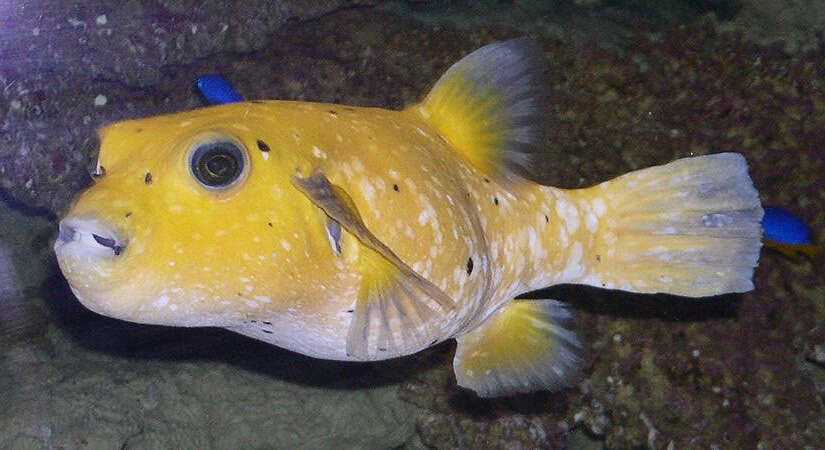
Arothron stellatus (Bloch & Schneider, 1801) (Blackspotted puffer)
Relatively uncommon in patch reefs and coral slopes near sandy areas of clear lagoon and seaward reefs. Juveniles occur in sandy and weedy inner reefs, adults on clear lagoons and seaward reefs . Juveniles inshore, usual...
Read More
Read More
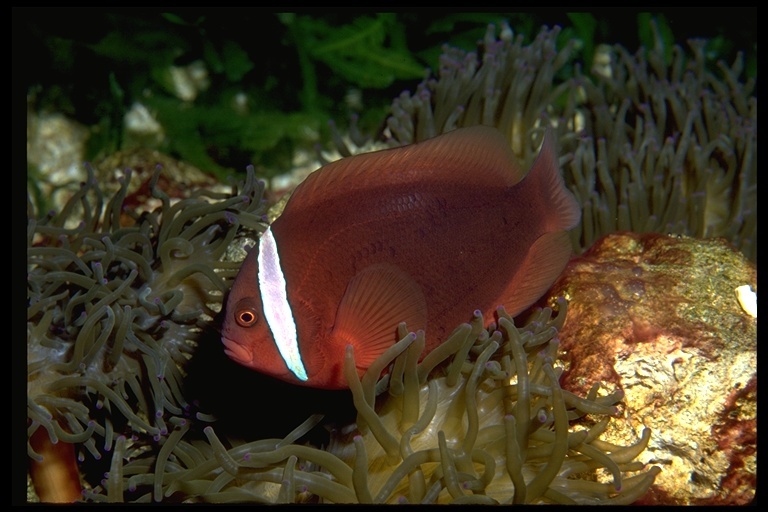
Amphiprion frenatus Brevoort, 1856 (oneband anemonefish)
Found in lagoon reefs and embayment. Monogamous , protandrous hermaphrodite . Associated with the anemone Entacmaea quadricolor . Has been reared in captivity .
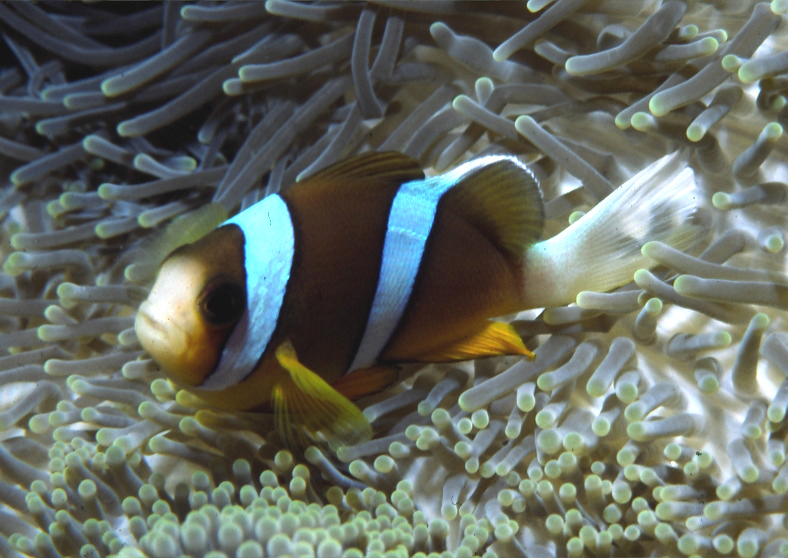
Amphiprion clarkii (Bennett, 1830) (Brown anemonefish)
Inhabits lagoons and outer reef slopes. Omnivorous. Oviparous, with elliptical eggs . Monogamous . Has been reared in captivity . Associated with the anemones: Cryptodendrum adhaesivum, Entacmaea quadricolor, Heterac...
Read More
Read More
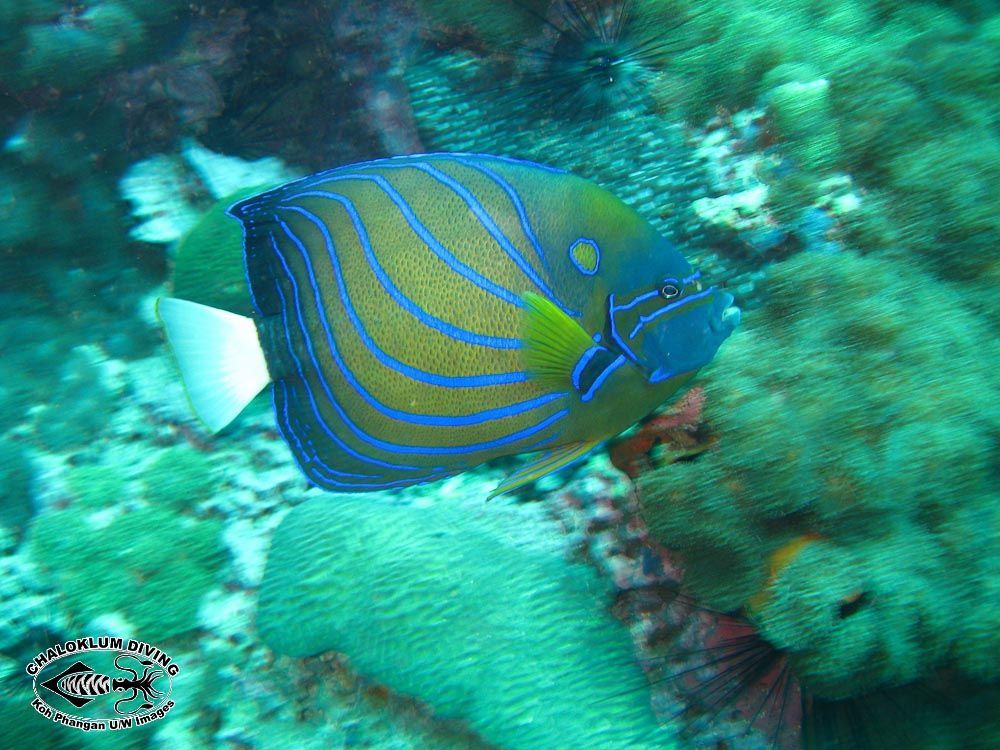
Pomacanthus annularis (Bloch, 1787) (Bluering angelfish)
Inhabits coastal reefs to at least 30 m . Adults often found in pairs inside caves . Juveniles settle in very shallow inshore habitats with short filamentous algae growth on rock or dead coral substrates . Feeds on spon...
Read More
Read More
Apolemichthys xanthurus (Bennett, 1833) (Yellowtail angelfish)
Inhabits coral-rich areas . Found singly or in pairs.
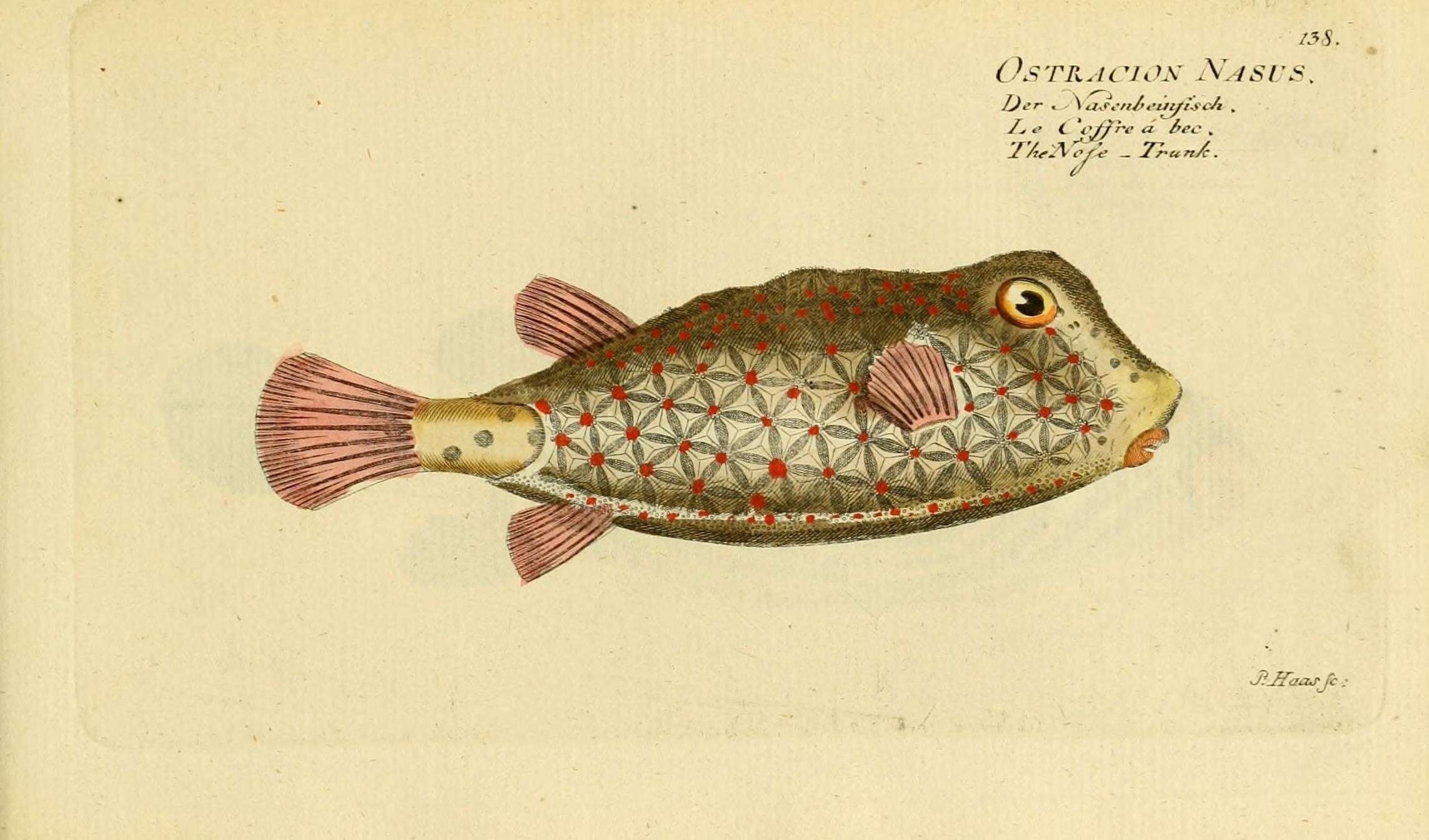
Ostracion nasus Bloch, 1785 (Shortnose boxfish)
Found around rocky and sandy substrates .
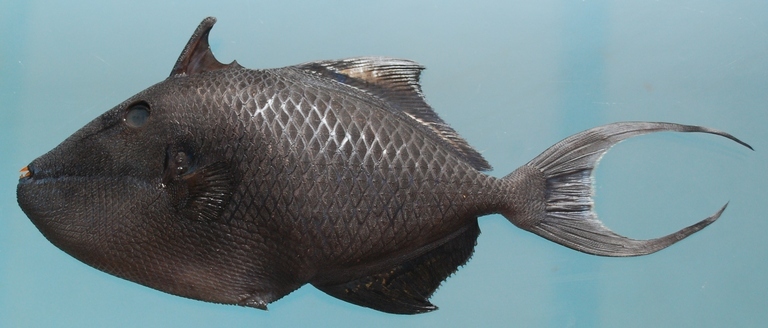
Odonus niger (Rüppell, 1836) (Redtoothed triggerfish)
Inhabits reef channels or along slopes that are subject to strong currents . Occur in current-swept seaward coral reefs. Usually form aggregations and feed on zooplankton as well as sponges . Juveniles associated with i...
Read More
Read More
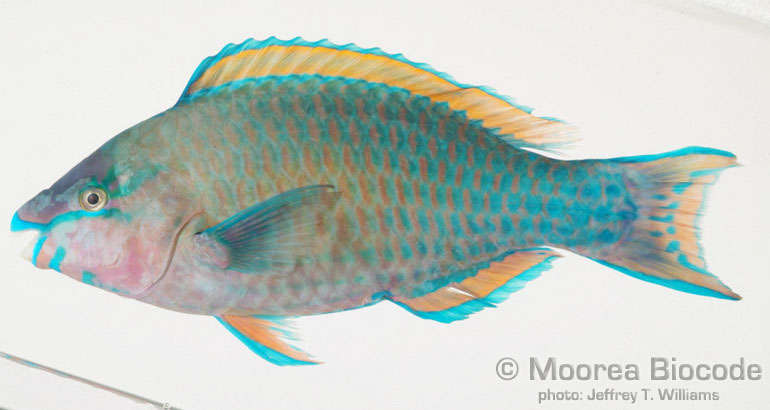
Scarus psittacus Forsskål, 1775 (Common parrotfish)
Inhabit reef flats and lagoon and seaward reefs to at least 25 m depth . Found over corals . Benthopelagic . Initial-phase fish stage usually form small feeding schools . Graze on benthic algae . Secrete a mucus cocoon .
Labroides dimidiatus (Valenciennes, 1839) (Bluestreak cleaner wrasse)
Inhabits coral rich areas of inner lagoons and subtidal reef flats to seaward reefs . Feeds on crustacean ectoparasites and mucus of other fishes . Monogamous . A protogynous hermaphrodite . Stays in stations where oth...
Read More
Read More
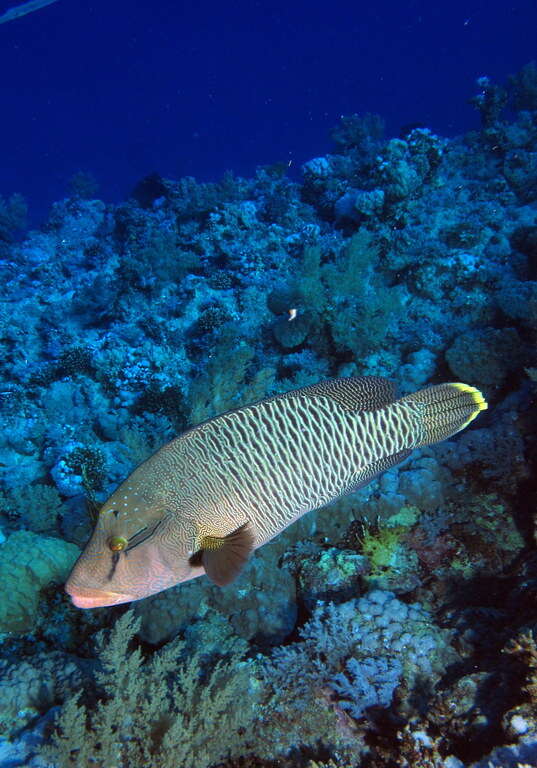
Cheilinus undulatus Rüppell, 1835 (Humphead wrasse)
Humphead wrasses are extremely long-lived, known to survive for at least 30 years, and taking around five to seven years to reach sexual maturity . Adults are usually solitary, spending the day roaming the reef and returni...
Read More
Read More
Arothron meleagris (Lacepède, 1798) ('opu hue)
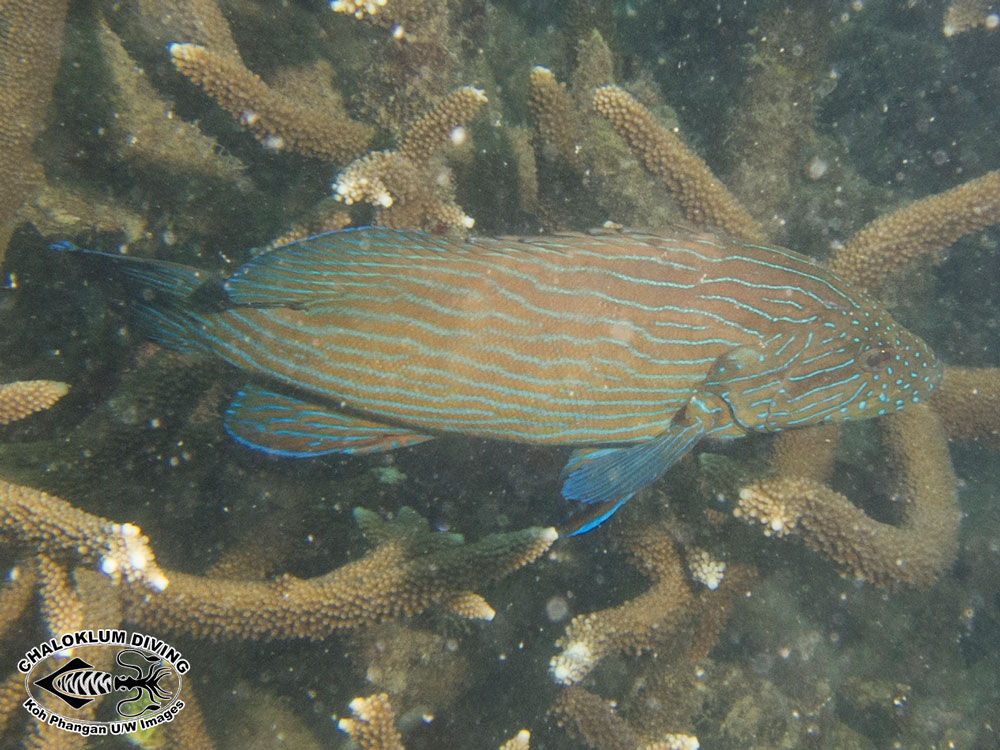
Cephalopholis formosa (Shaw, 1812) (Bluelined rockcod)
Like C. boenak, it prefers shallow dead or silty reefs and this may account for the primarily continental distributions of these two species.
Share on Social Networks
- Facebook:

personalize your shared text as well as its destination (wall, page...) or send as a private message to a friend
- Twitter: Tweet personalize your tweet
- Google Plus:
Direct link to this dive
- Long link:
- Short link:


 We are participating today in the startup contest Techcrunch Disrupt. Support Diveboard by voting for us!
























































































Fun Dive 1
Conducted Basic Skills refresher
Abundant Marine Life. Enjoyed swimming along with the fishes. Freeked Out...totally