


 Brad Hooker

 Australia
-
Nº6
 Date: 2013-12-21 - 07:21
-
 Max Depth: 11m Duration: 40mins
Pictures

No pictures for this dive
- Temp: Surf 19°C Bottom 18°C
- Dive type : Recreational
- Visibility: Average Water: Salt
Specific gear used
- BCD: Oceanic - Probe HLC
- Boots: Tabata / Tusa - DB-4000
- Fins: Tabata / Tusa - SF-15 X-PERT ZOOM Z3
- Knife: Tabata / Tusa - X-PERT II
- Mask: Apollo - Black Demon
- Other: Apollo - Snorkel - Black
- Regulator: Oceanic - FDX10 EOS
- Gloves: Waterproof Diving AB - G1 KEVLAR
- Weights: 12.2 kg
Recent Divers in Manly, NSW
Recent Pictures in Manly, NSW
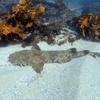
Dive Shop & Buddies
 Dive buddies:
Slewot
Dive buddies:
Slewot

Link to this spot:
- Spot:
- Country:
- Area:
- Body of water:
Dive Profile
- 1. Air
- 12L Steel 190 → 40 bar
- Average depth: m
- 2. Air
- 0L Steel 200 → 50 bar
- Average depth: m
- 3. Air
- 0L Steel 200 → 50 bar
- Average depth: 6.1m
Data provided by EOL.org



Species Identified
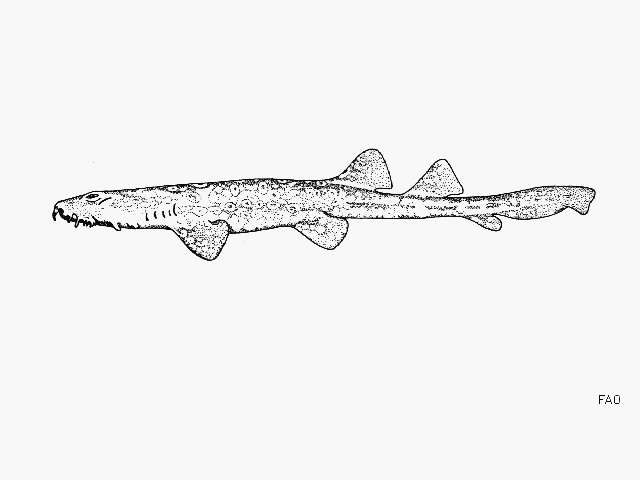
Orectolobus maculatus (Bonnaterre, 1788) (Wobbegong)
The sluggish spotted wobbegong spends much of its day lying motionless on the bottom or hidden in caves, under overhangs or in shipwrecks. At night, the shark becomes more active, and swims, or moves about the sea floor, ...
Read More
Read More
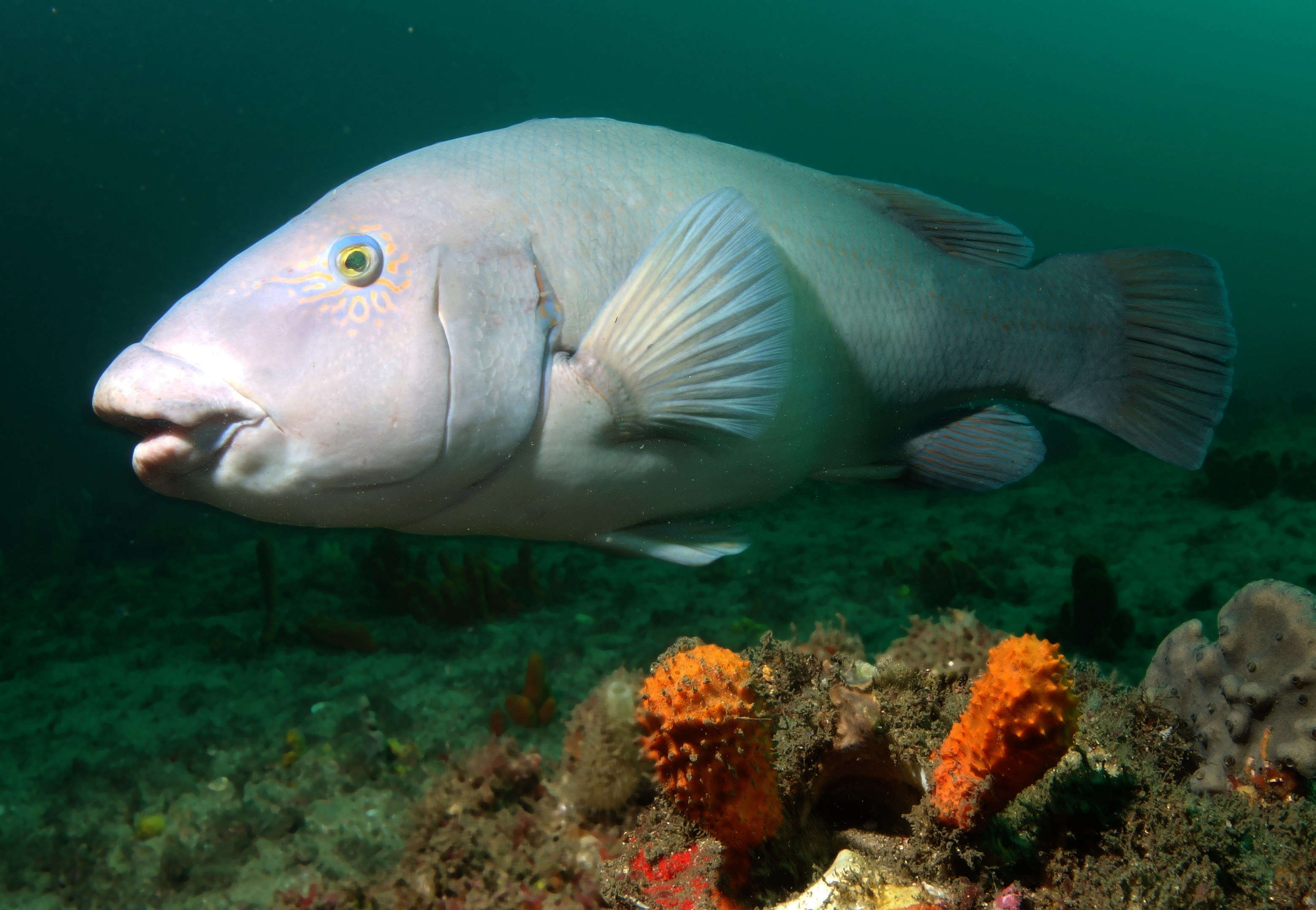
Achoerodus viridis (Steindachner, 1866) (Wrasse)
Found in coastal rocky areas at depths to about 40 m . Max. length for female species . Protogynous hermaphrodite .
Epinephelus morrhua (Valenciennes, 1833) (Blue grouper)
Considered rare in Tahiti but quite common in atolls . The species is easily confused with E. poecilonotus, E. radiatus, or E. tuamotuensis, three closely related deep-water groupers. Known to be ciguatoxic at Mauritius. Uncommon in local markets (probably due to it deep-water habitat).
Urolophus bucculentus Macleay, 1884 (Sandyback stingaree)
Large offshore bottom stingaree that occurs on the outer continental shelf and uppermost slope .
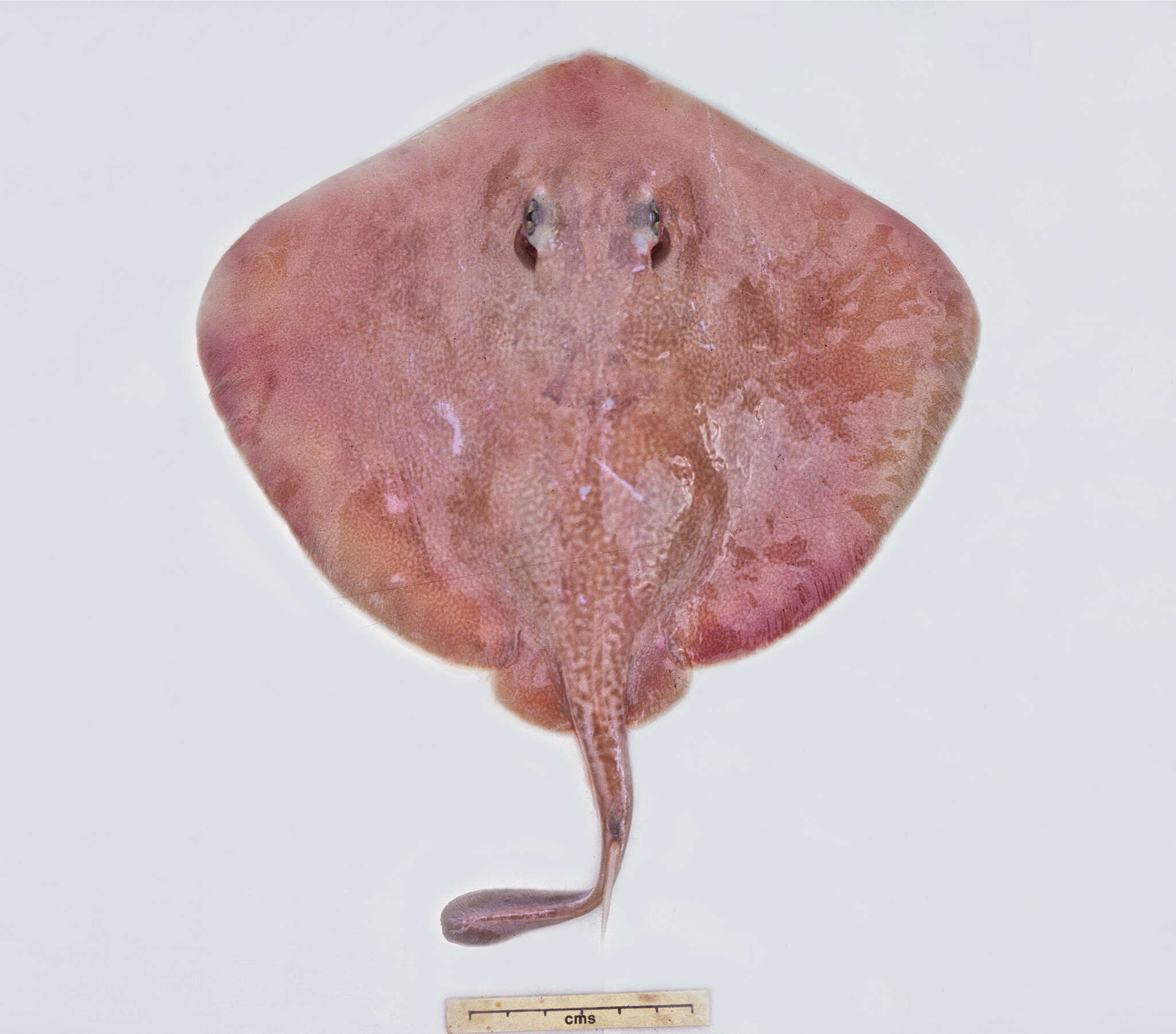
Trygonoptera testacea Müller and Henle, 1841 (stingaree)
Found in sandy beaches and reefs but also well offshore. May venture well upstream in estuaries . Feeds on worms, crustaceans, bony fishes, and other stingarees .
Platycephalus bassensis Cuvier, 1829 (cliff flathead)
Inhabit coastal waters from shallow bays and inlets to depths of about 100 m over sand, shell grit and mud substrates . Sand flathead are usually solitary but may form loose aggregations . They sometimes move long distan...
Read More
Read More
Share on Social Networks
- Facebook:

personalize your shared text as well as its destination (wall, page...) or send as a private message to a friend
- Twitter: Tweet personalize your tweet
- Google Plus:
Direct link to this dive
- Long link:
- Short link:


 We are participating today in the startup contest Techcrunch Disrupt. Support Diveboard by voting for us!
























































































Travis 1st dive back after 4 years