


 Brent Hoak

 Mexico
-
Nº20
 Date: 2020-11-14 - 11:33
-
 Max Depth: 13.1m Duration: 35mins
Pictures

No pictures for this dive
- Temp: Surf 29°C Bottom 29°C
- Dive type : Recreational, Reef
- Visibility: Excellent Water: Salt
Specific gear used
- BCD: Cressi - Ultra Light
- Computer: Cressi - Newton
- Fins: Cressi -
- Mask: Cressi - Big Eyes
- Regulator: Cressi -
- Weights: 7.3 kg
Dive reviews
| Overall review | ||
| Dive difficulty | ||
| Marine life quality |
Recent Divers in Playa del Carmen, Quintana Roo, Mexico

Recent Pictures in Playa del Carmen, Quintana Roo, Mexico
Dive Shop & Buddies
 Dive with Timo from Dressel Divers Club
 Dive buddies:
Rebecca Lindner
Dive buddies:
Rebecca Lindner

Link to this spot:
- Spot:
- Country:
- Area:
- Body of water:
Dive Profile
- 1. Air
- 12L Aluminium 207 → 34 bar
- Average depth: 8.7m
Data provided by EOL.org
Species Identified
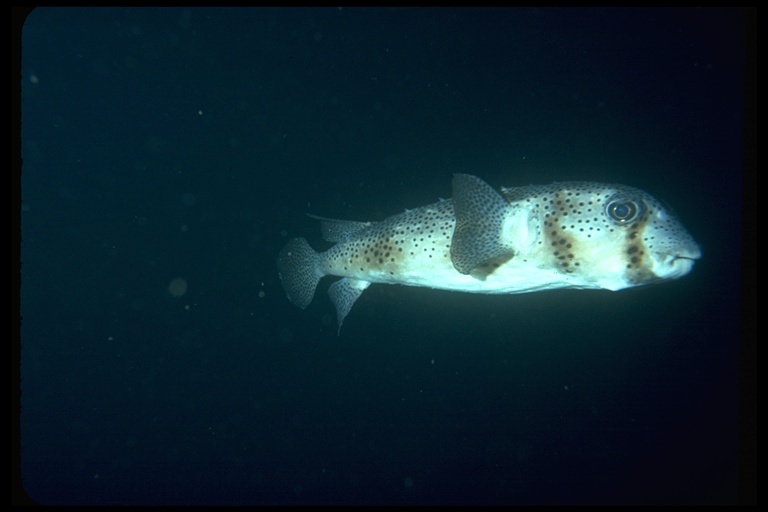
Chilomycterus atringa (Linnaeus, 1758) (Porcupine fish)
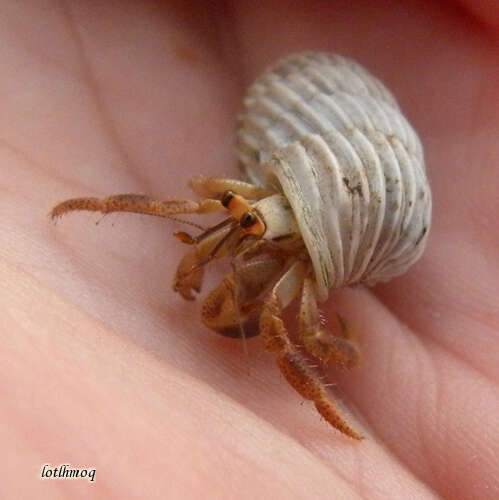
Coenobita clypeatus (J. C. Fabricius, 1787) (Caribbean Hermit Crab)
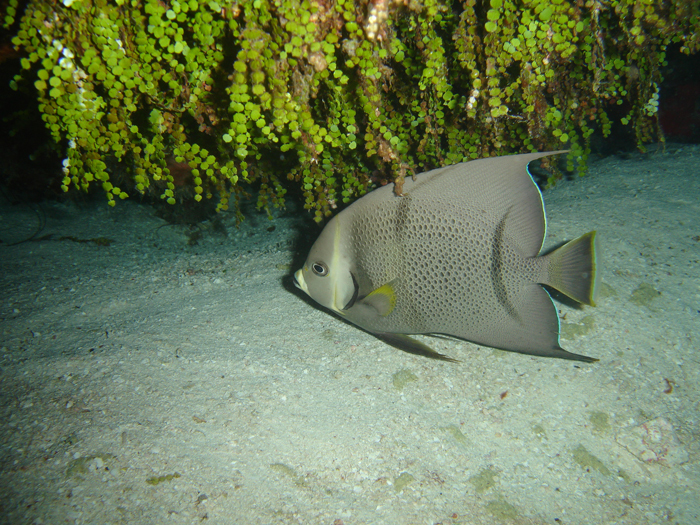
Pomacanthus arcuatus (Linnaeus, 1758) (Grey angelfish)
Common in coral reefs, usually solitary, occasionally in pairs. Juveniles are part-time cleaners. Feed mainly on sponges, but also takes tunicates, algae, zoantharians, gorgonians, hydroids, bryozoans, and seagrasses. O...
Read More
Read More
Holacanthus ciliaris (Linnaeus, 1758) (queen angelfish)
Found on coral reefs. Generally occurs solitarily or in pairs. Moves gracefully between seafans, seawhips, and corals . Stomach contents of 26 specimens indicate that the species feeds almost exclusively on sponges supp...
Read More
Read More
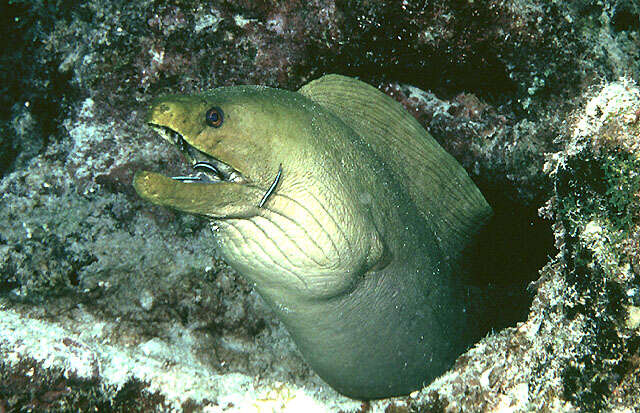
Gymnothorax funebris Ranzani, 1839 (Green cong)
A benthic and solitary species occurring along rocky shorelines, reefs, and mangroves .Usually found shallower than 30 m . Due to its large size and aggressiveness, the bites of this moray are particularly dangerous . F...
Read More
Read More
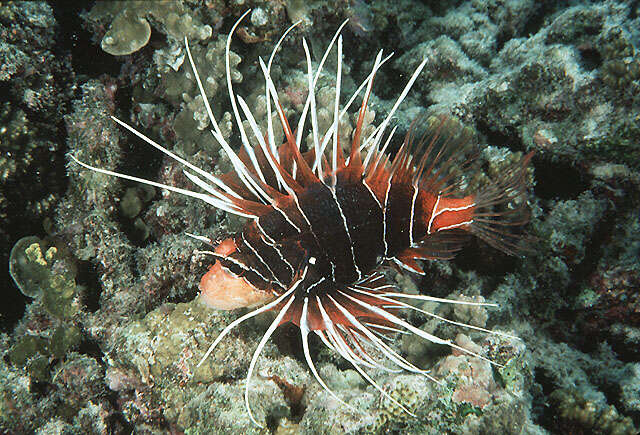
Pterois radiata Cuvier, 1829 (Radial firefish)
A generally uncommon species that inhabits lagoon and seaward reefs . Prefers rocky reefs and seems to avoid stony corals. Coastal, sometimes in surge zones where in narrow crevices, or along rock-walls in small caves . ...
Read More
Read More
Share on Social Networks
- Facebook:

personalize your shared text as well as its destination (wall, page...) or send as a private message to a friend
- Twitter: Tweet personalize your tweet
- Google Plus:
Direct link to this dive
- Long link:
- Short link:


 We are participating today in the startup contest Techcrunch Disrupt. Support Diveboard by voting for us!
























































































Second dive, forgot camera. Figured out I need to use the vents on my BCD.