



 Brunon


 Poland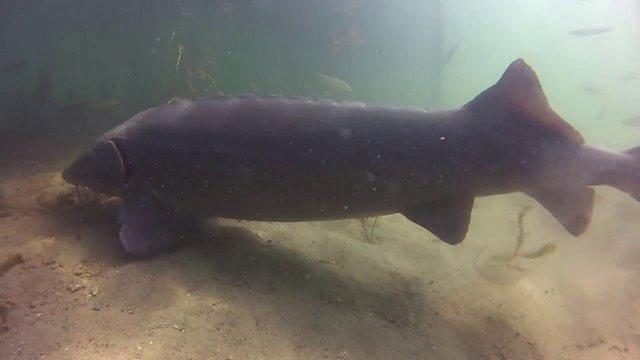
-
Nº38
 Date: 2014-05-01 - 14:28
-
 Max Depth: 8.7m Duration: 45mins
Dive Location

- Temp: Surf 19°C Bottom 5°C
- Dive type : Recreational, Training
- Visibility: Bad Water: Fresh
Specific gear used
- Weights: 10 kg
Dive reviews
| Overall review | ||
| Dive difficulty | ||
| Marine life quality | ||
| Big fish |
Recent Divers in Plotki
Dive Shop & Buddies
 Dive with Deep Diver
 Dive buddies:
Krzysztof Hrynczyszyn
Dive buddies:
Krzysztof Hrynczyszyn

Link to this spot:
- Spot:
- Country:
- Area:
- Body of water:
Dive Profile
- 1. Air
- 15L Steel 200 → 120 bar
- Average depth: 4m
Data provided by EOL.org

Species Identified
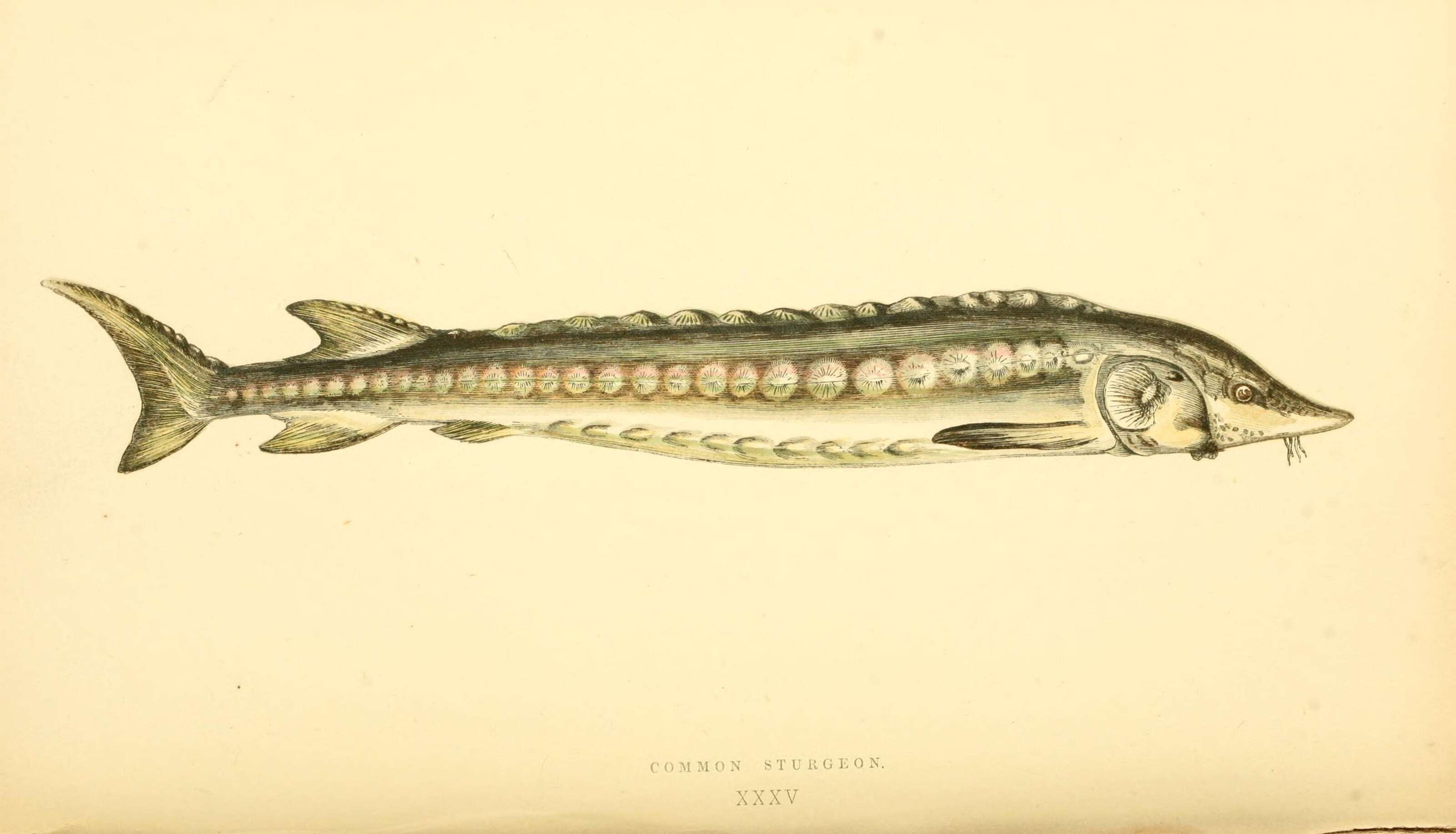
Acipenser sturio Linnaeus, 1758 (Sturgeon)
Sturgeons are generally solitary, spending a number of years at sea before returning to the river where they were born, in order to breed in their turn. Entering the river in spring, mature individuals migrate upriver to t...
Read More
Read More
Cyprinus carpio carpio Linnaeus, 1758 (Common carp)
Inhabit warm, deep, slow-flowing and still waters such as lowland rivers and large, well vegetated lakes . Hardy and tolerant of a wide variety of conditions but generally favor large water bodies with slow flowing or sta...
Read More
Read More
Perca fluviatilis Linnaeus, 1758 (European perch)
Perch live in schools, often mixing with other species of fish, usually in the top 50 metres of water. Spawning takes place in April, the very sticky eggs being produced in bands. Females twine these bands around submerged...
Read More
Read More
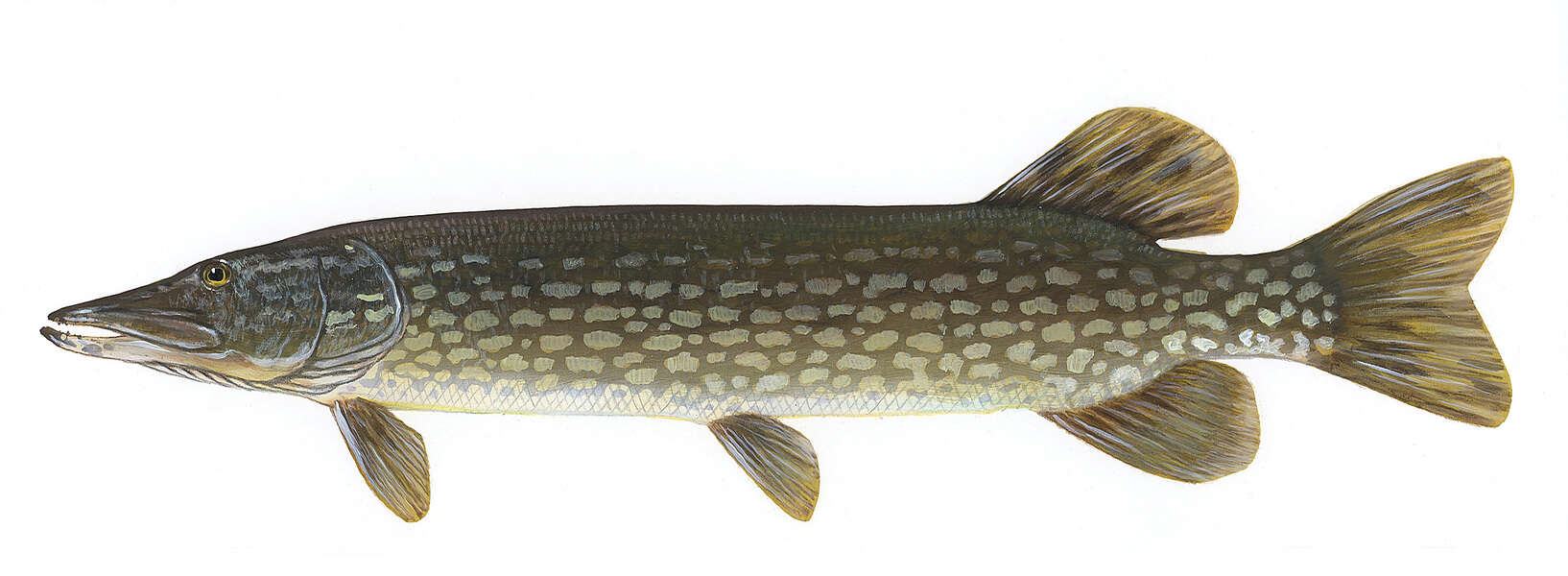
Esox lucius Linnaeus, 1758 (American pike)
Pike spawn from the end of March to the beginning of May, usually in quite shallow water and often using the same places year after year. The spawning process can last several weeks and the number of eggs varies with the a...
Read More
Read More
Scardinius erythrophthalmus (Linnaeus, 1758) (pearl roach)
Occurs mainly in nutrient-rich, well vegetated lowland rivers, backwaters, oxbows, ponds and lakes. Feeds mainly on plankton, terrestrial insects and plant material. Breeds on roots or submerged plants. Can adapt to unfa...
Read More
Read More
Share on Social Networks
- Facebook:

personalize your shared text as well as its destination (wall, page...) or send as a private message to a friend
- Twitter: Tweet personalize your tweet
- Google Plus:
Direct link to this dive
- Long link:
- Short link:


 We are participating today in the startup contest Techcrunch Disrupt. Support Diveboard by voting for us!
























































































Nurkowanie rekreacyjno treningowe w cudownym jeziorze Płotki pośród mnóstwa ryb i pięknej roślinności , oraz mnóstwa wizuanych atrakcji w postaci podwodnego "Parku Jurajskiego". Widzieliśmy jesiotry , karpie , duże okonie i wzdręgi.
Training-recreation diving in a wonderful lake Płotki among plenty of fish and astonishing plants, with many visual attractions as an underwater Jurrasic Park.