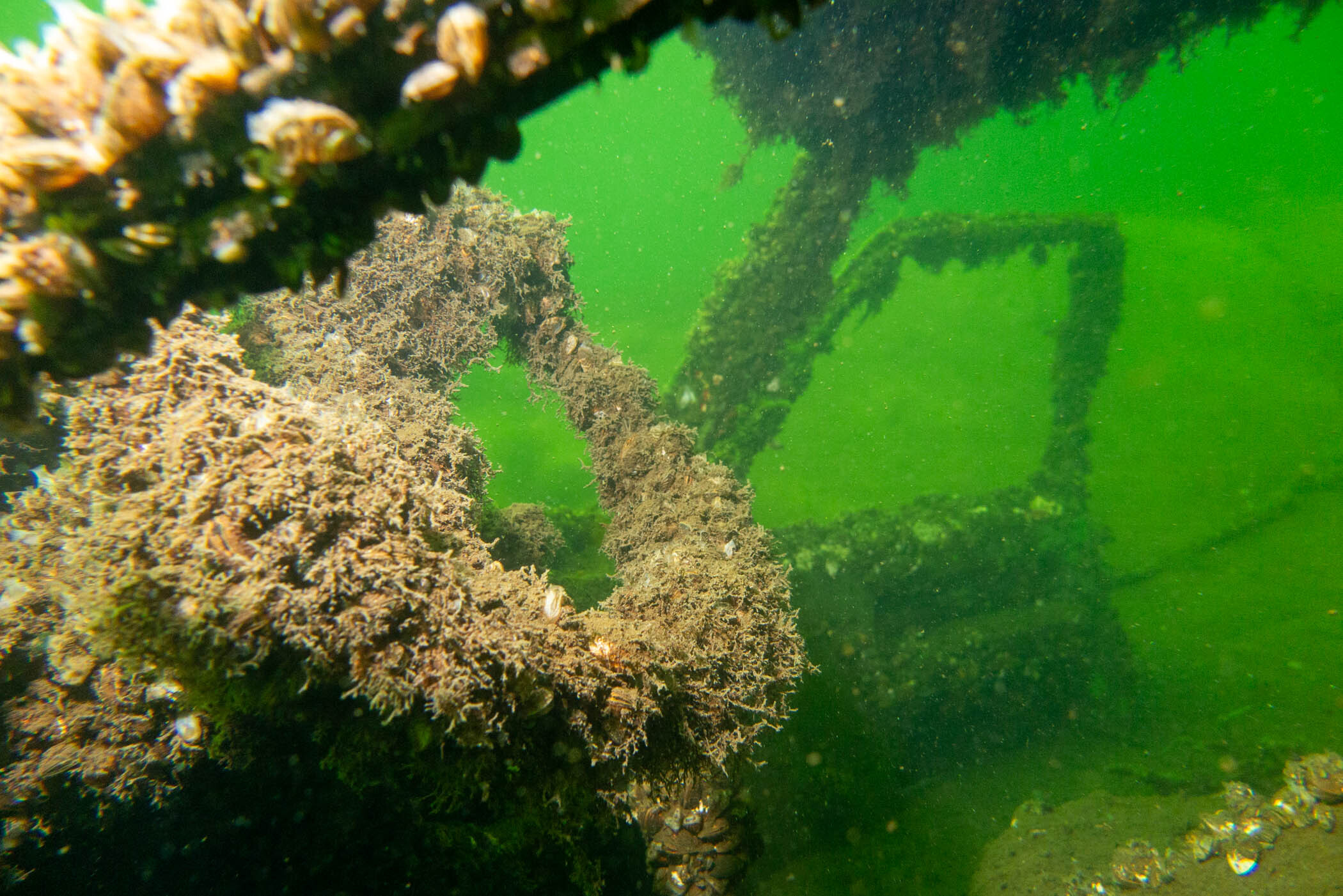



 Egypt

-
Nº1
 Date: 2012-08-22 - 09:35
-
 Max Depth: 11.5m Duration: 30mins
Pictures

No pictures for this dive
- Temp: Bottom 30°C
- Dive type : Training
- Visibility: Good Water: Salt
Specific gear used
- Weights: 4 kg
Dive reviews
| Marine life quality |
Recent Divers in Sharm El Sheikh


Recent Pictures in Sharm El Sheikh
Dive Shop & Buddies
 Dive with Beatriz Moreno from Oonas Dive Club
 Dive buddies:
Zendiver

Link to this spot:
- Spot:
- Country:
- Area:
- Body of water:
Dive Profile
- 1. Air
- 12L Aluminium 200 → 100 bar
- Average depth: 7.7m
Data provided by EOL.org

Species Identified
Myliobatis aquila (Linnaeus, 1758) (Common eagle ray)
Found in shallow lagoons , bays and estuaries; also offshore down to at least 95 m . Often found in groups . Feeds on benthic crustaceans, mollusks and fish. Ovoviviparous . Gestation period of 6-8 months, the females ...
Read More
Read More
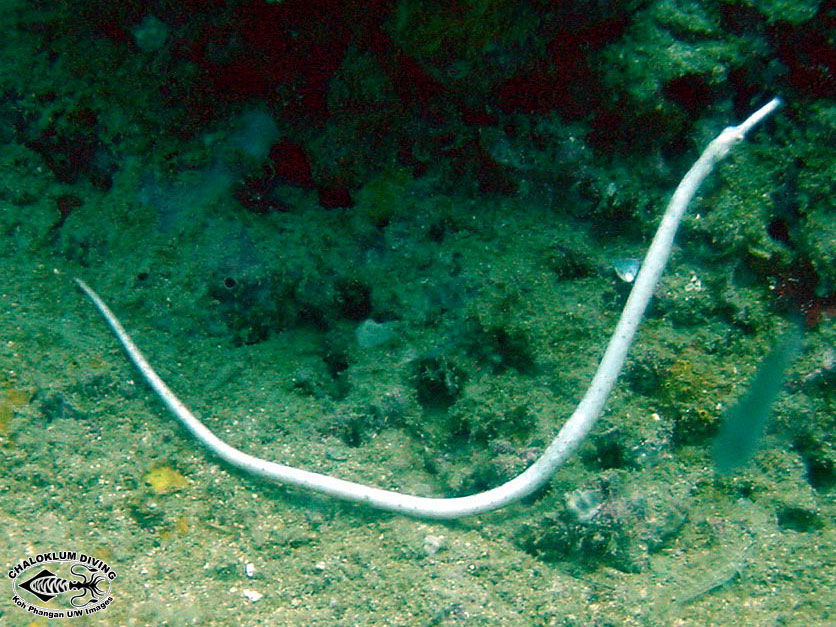
Trachyrhamphus bicoarctatus (Bleeker, 1857) (Double-ended pipefish)
Inhabits subtidal lagoon and seaward reefs, usually among algae or seagrasses . Most are seen on sand and mud areas, prone to currents; usually soft bottom to about 25 m . Ovoviviparous . The male carries the eggs in a brood pouch which is found under the tail .
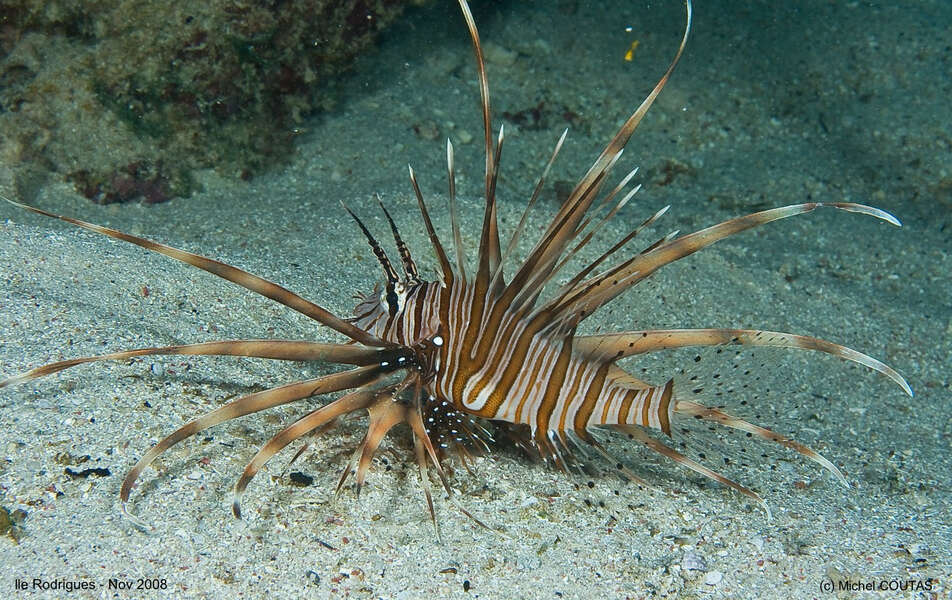
Pterois volitans (Linnaeus, 1758) (Red lionfish)
Epinephelus aeneus (Geoffroy Saint-Hilaire, 1817) (Grouper)
Adults are found on rocky or mud-sand bottom; juveniles have been taken in coastal lagoons and estuaries. In the west African waters, diet comprise of fishes (58%), stomatopods (21%), crabs (10%), and cephalopods (10%). ...
Read More
Read More
Ambassis miops Günther, 1872 (Flag-tailed glass perchlet)
Inhabits clear, flowing creeks, usually within 20 kilometers of the sea . Commonly found in brackish waters and river mouths. Occurs near mangroves, stagnant and running freshwater and coastal areas . This species has ...
Read More
Read More
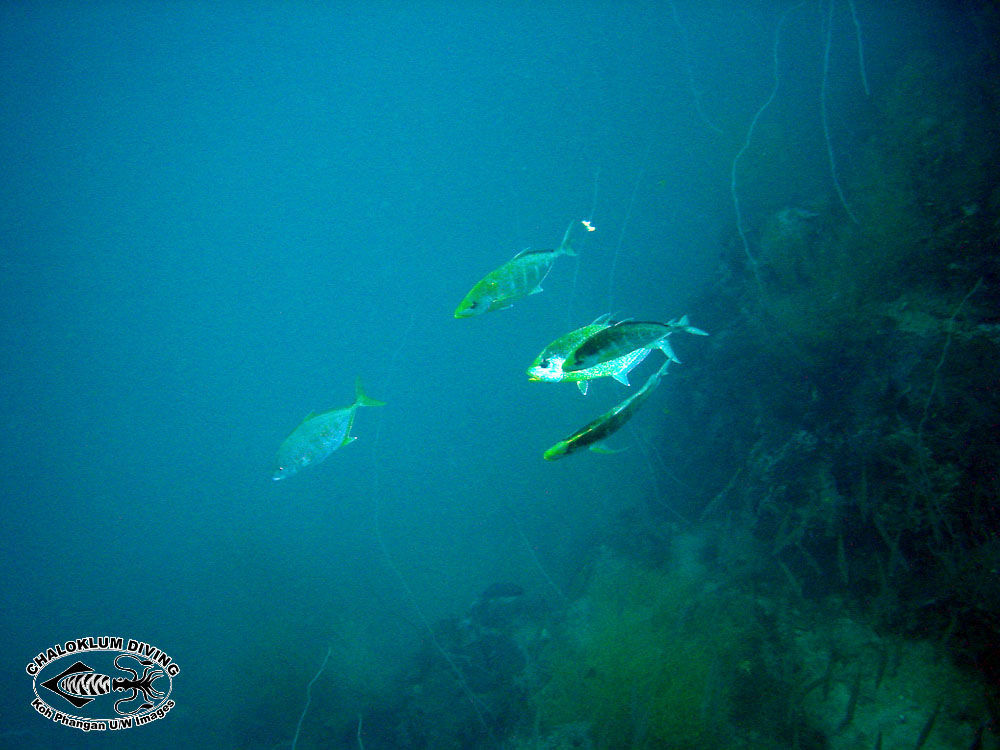
Carangoides bajad (Forsskål, 1775) (Orangespotted trevally)
Common along coastal reef slopes or around large coral heads in lagoons . A xanthic form often seen in muddy bays mixes in schools . Juveniles solitary in sheltered coastal basys .
Share on Social Networks
- Facebook:

personalize your shared text as well as its destination (wall, page...) or send as a private message to a friend
- Twitter: Tweet personalize your tweet
- Google Plus:
Direct link to this dive
- Long link:
- Short link:


 We are participating today in the startup contest Techcrunch Disrupt. Support Diveboard by voting for us!