


 Chris.loizou


 Egypt

-
Nº1
 Date: 2002-03-20 - 10:00
-
 Max Depth: 22m Duration: 49mins
Pictures

No pictures for this dive
- Surface interval:0 mins
- Temp: Surf 25°C Bottom 23°C
- Dive type : Recreational, Reef, Photo, Scuba Refresher dive
- Visibility: Excellent Water: Salt
Specific gear used
- Weights: 5 kg
Dive reviews
| Overall review | ||
| Dive difficulty | ||
| Marine life quality | ||
| Big fish |
Recent Divers in Sharm El Sheikh


Recent Pictures in Sharm El Sheikh
Dive Shop & Buddies
 Dive with Mohammed from Camel Dive Club

Link to this spot:
- Spot:
- Country:
- Area:
- Body of water:
Dive Profile
- 1. Air
- 12L Steel 200 → 50 bar
- Average depth: 14.7m
Data provided by EOL.org

Species Identified
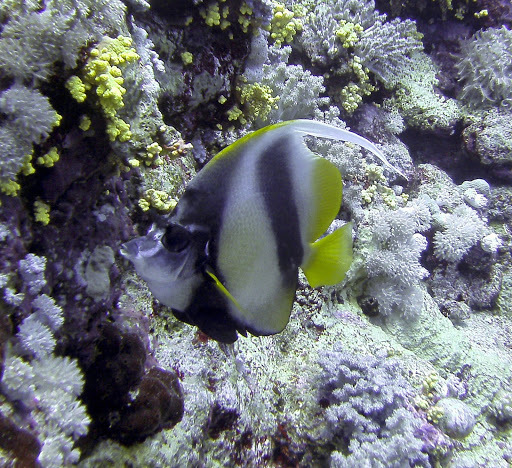
Heniochus intermedius Steindachner, 1893 (Red Sea bannerfish)
Found on coral slopes Juveniles in large groups at base of reef, sometimes with H. diphreutes; adults usually solitary or paired, occasionally in groups . Feed on zooplankton and benthic invertebrates . Oviparous , monogamous . Form pairs during breeding .
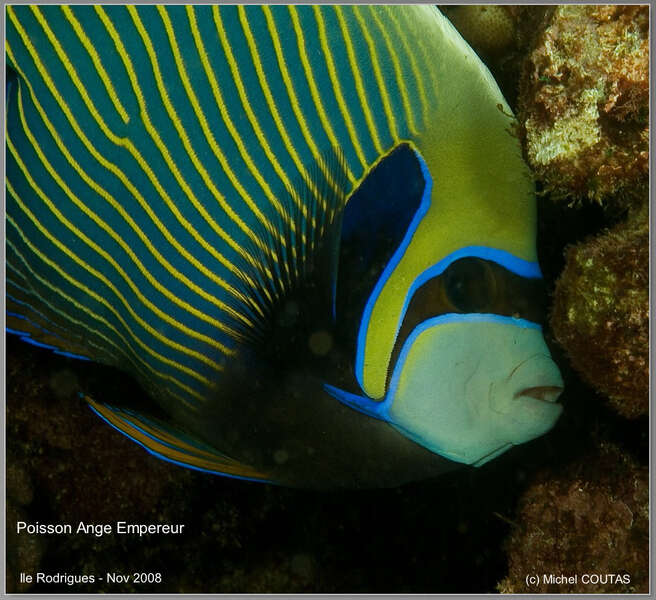
Pomacanthus imperator (Bloch, 1787) (Angel fish)
Juveniles are encountered under ledges, or in holes of outer lagoon patch reefs or semi-protected areas of exposed channels and outer reef flats. Subadults move to reef front holes and surge channels. Large adults inhabi...
Read More
Read More
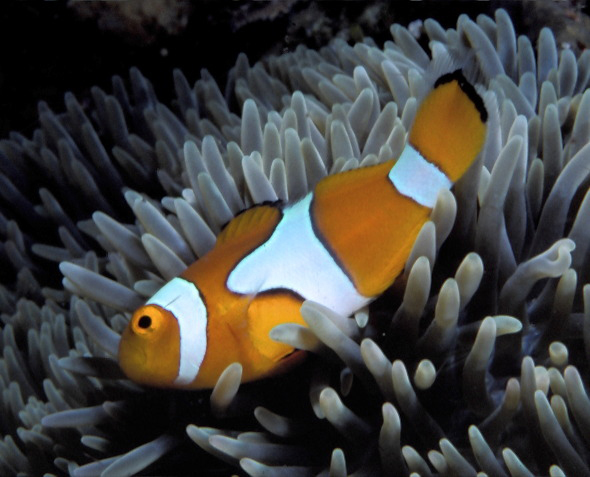
Amphiprion percula (Lacepède, 1802) (Orange clownfish)
Inhabits lagoon and seaward reefs . Each group of fish consists of a breeding pair and 0-4 non-breeders. Within each group there is a size-based hierarchy: the female is largest, the male is second largest, and the non-...
Read More
Read More
Neotrygon kuhlii (Müller & Henle, 1841) (Bluespotted stingray)
A solitary species found on sandy bottoms near rocky or coral reefs . Usually found in deeper water but moves onto the reef flat and into shallow lagoons at high tide . Occasionally covers itself with sand, leaving only ...
Read More
Read More
Share on Social Networks
- Facebook:

personalize your shared text as well as its destination (wall, page...) or send as a private message to a friend
- Twitter: Tweet personalize your tweet
- Google Plus:
Direct link to this dive
- Long link:
- Short link:


 We are participating today in the startup contest Techcrunch Disrupt. Support Diveboard by voting for us!
























































































First dive of holiday. Refresh skills as didn't dive for 12 months. Boat dive with Camel Dive Club on boat Camel 1.
Dive Site Near Garden North East of Naama Bay. Mix of Sand and nice colourful corals.
Loads of Red Sea Bannerfish, Angel fish & some butterflyfish
Gentle slope to 25 metres, drops off to 50m apparently