


 Christina Estrup


 Thailand

-
Nº27
 Date: 2012-04-20 - 15:01
-
 Max Depth: 16.5m Duration: 63mins
Pictures

No pictures for this dive
- Surface interval:1 mins
- Temp: Surf 30°C Bottom 29°C
- Dive type : Recreational, Photo
- Visibility: Average Water: Salt
Specific gear used
- Computer: Suunto - Vyper
- Fins: Seac Sub - Fuga (full foot)
- Wet suit: Evo - Elite 3 mm shorty
- Camera: Canon - PowerShot SX20 HS + WP-DC42
- Weights: 5.6 kg
Recent Divers in Hin Klai
Recent Pictures in Hin Klai
Dive Shop & Buddies
 Dive with Ed from Blue Planet Divers
 Dive buddies:
Niall Forrester

Link to this spot:
- Spot:
- Country:
- Area:
- Body of water:
Dive Profile
- 1. Air
- 15L Steel 200 → 40 bar
- Average depth: 11.6m
Data provided by EOL.org

Species Identified
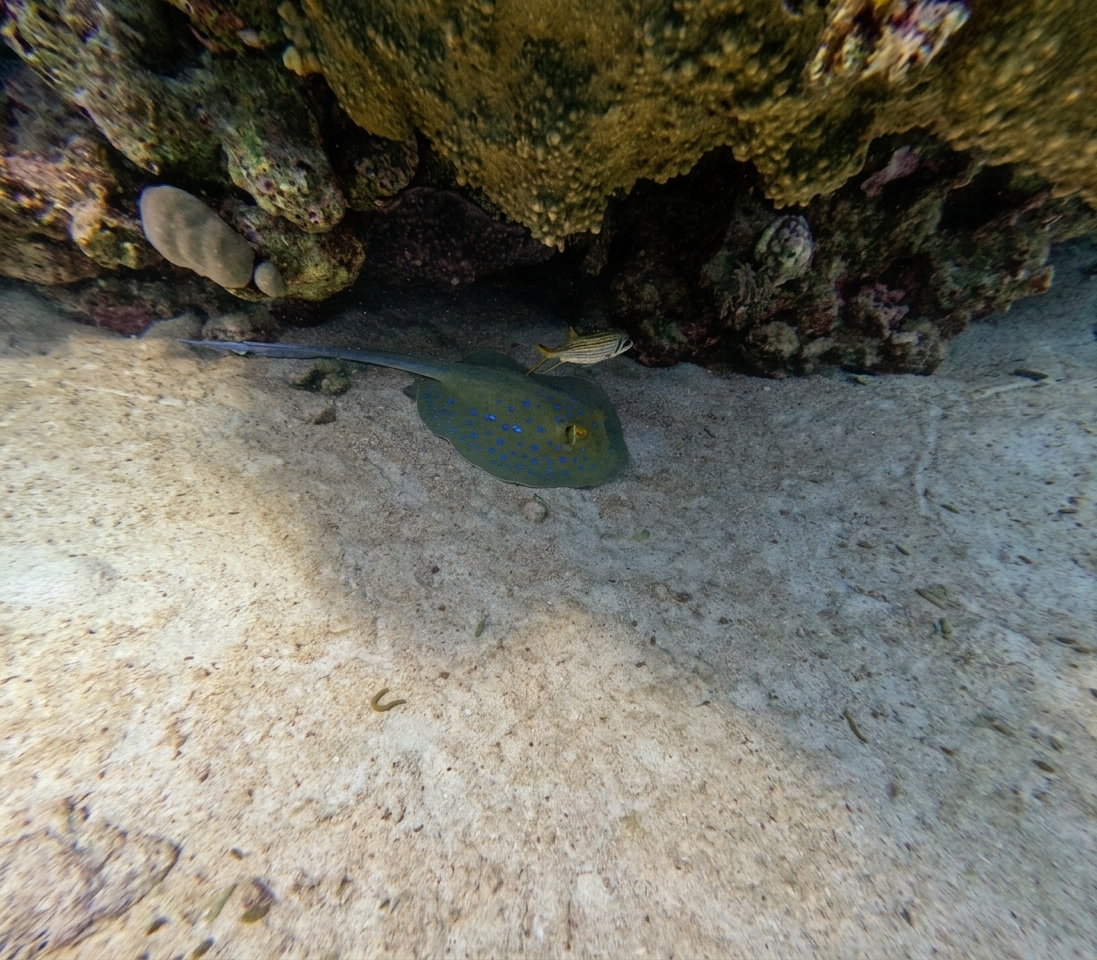
Neotrygon kuhlii (Müller & Henle, 1841) (Bluespotted stingray)
A solitary species found on sandy bottoms near rocky or coral reefs . Usually found in deeper water but moves onto the reef flat and into shallow lagoons at high tide . Occasionally covers itself with sand, leaving only ...
Read More
Read More
Odontodactylus scyllarus (Linnaeus, 1758) (Peacock Mantis Shrimp)
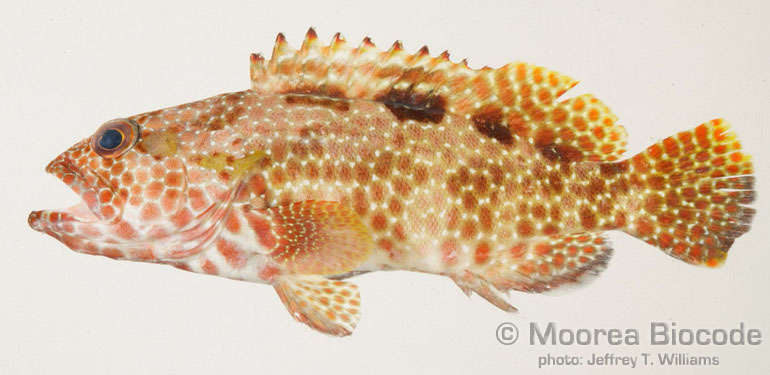
Epinephelus hexagonatus (Forster, 1801) (Hexagon rockcod)
Common in exposed outer-reef areas in relatively shallow water. Well-camouflaged grouper, solitary . Feeds mainly on fishes and crustaceans .
Eretmochelys imbricata (LINNAEUS) 1766 (Hawksbill Turtle)
Hawksbills may take decades to mature and it could be between 20 to 40 years before they are ready to breed . Upon reaching sexual maturity, a female will typically lay up to five clutches of around 100 to 140 eggs in one ...
Read More
Read More
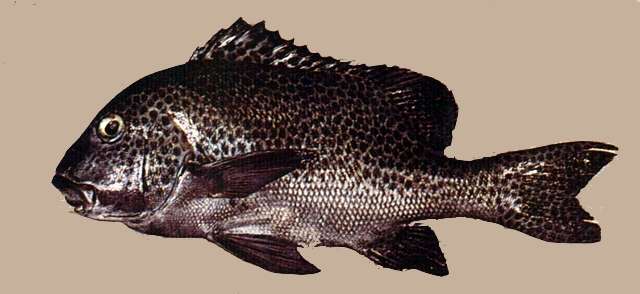
Plectorhinchus chaetodonoides Lacepède, 1801 (Harlequin sweetlips)
Inhabits coral-rich areas of clear lagoon and seaward reefs. Adults are solitary, near and under ledges or caves by day. Juveniles are found among corals . Feeds on crustaceans, mollusks, and fishes at night. Juveniles...
Read More
Read More
Share on Social Networks
- Facebook:

personalize your shared text as well as its destination (wall, page...) or send as a private message to a friend
- Twitter: Tweet personalize your tweet
- Google Plus:
Direct link to this dive
- Long link:
- Short link:


 We are participating today in the startup contest Techcrunch Disrupt. Support Diveboard by voting for us!




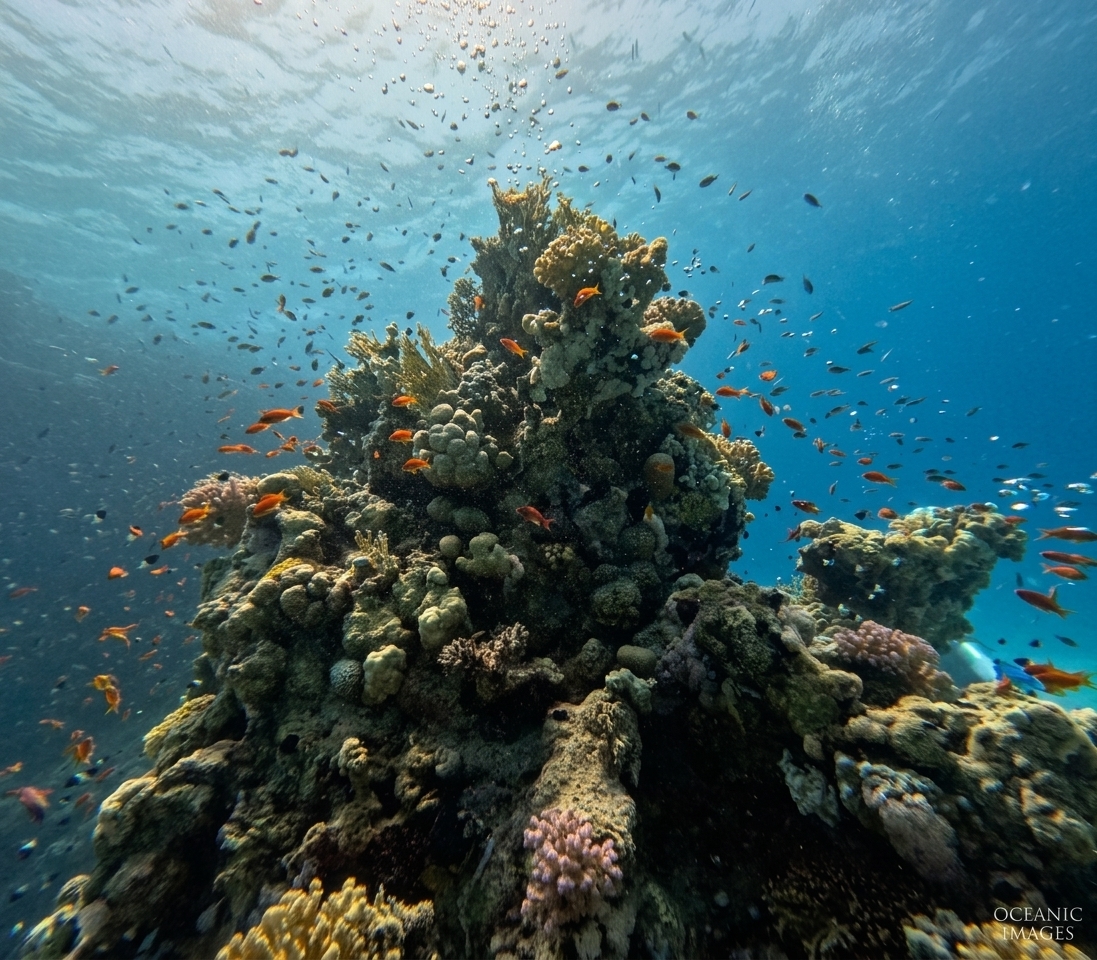
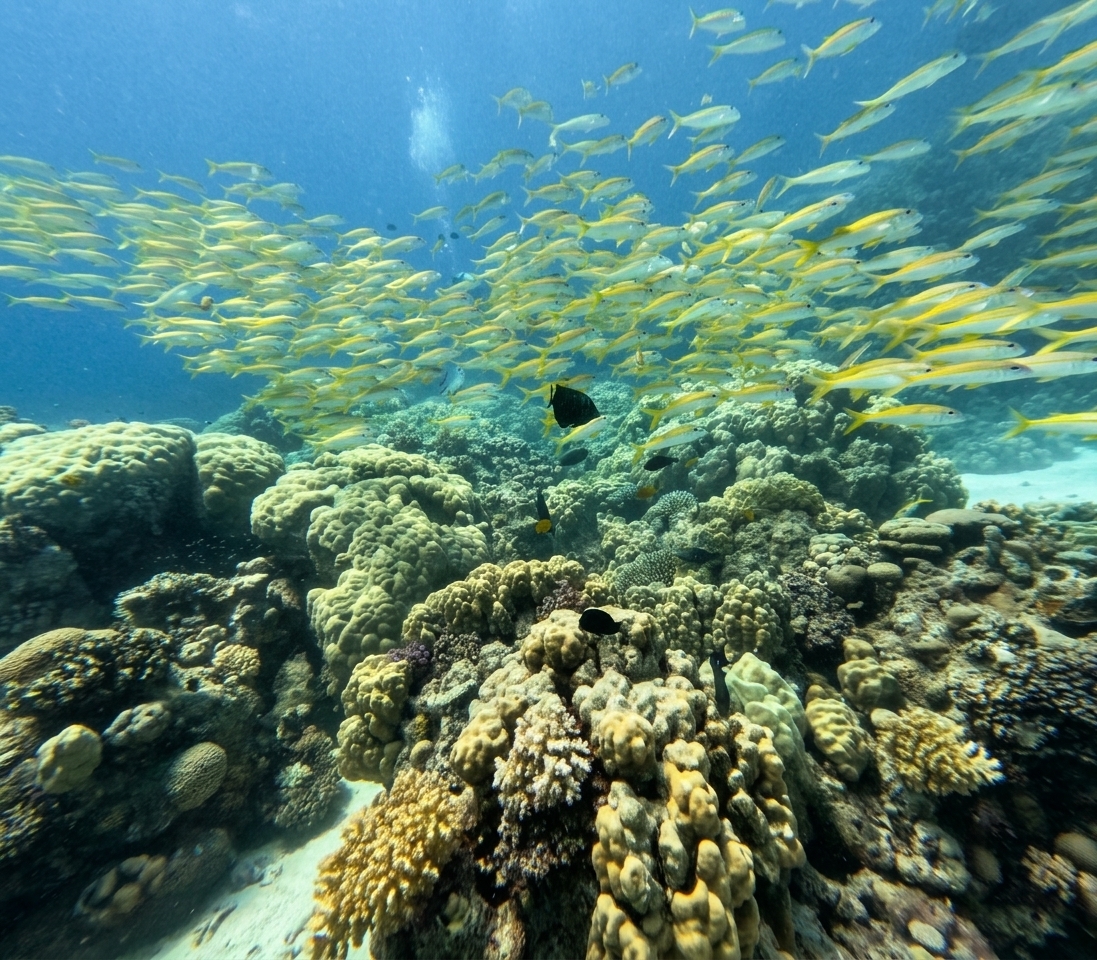
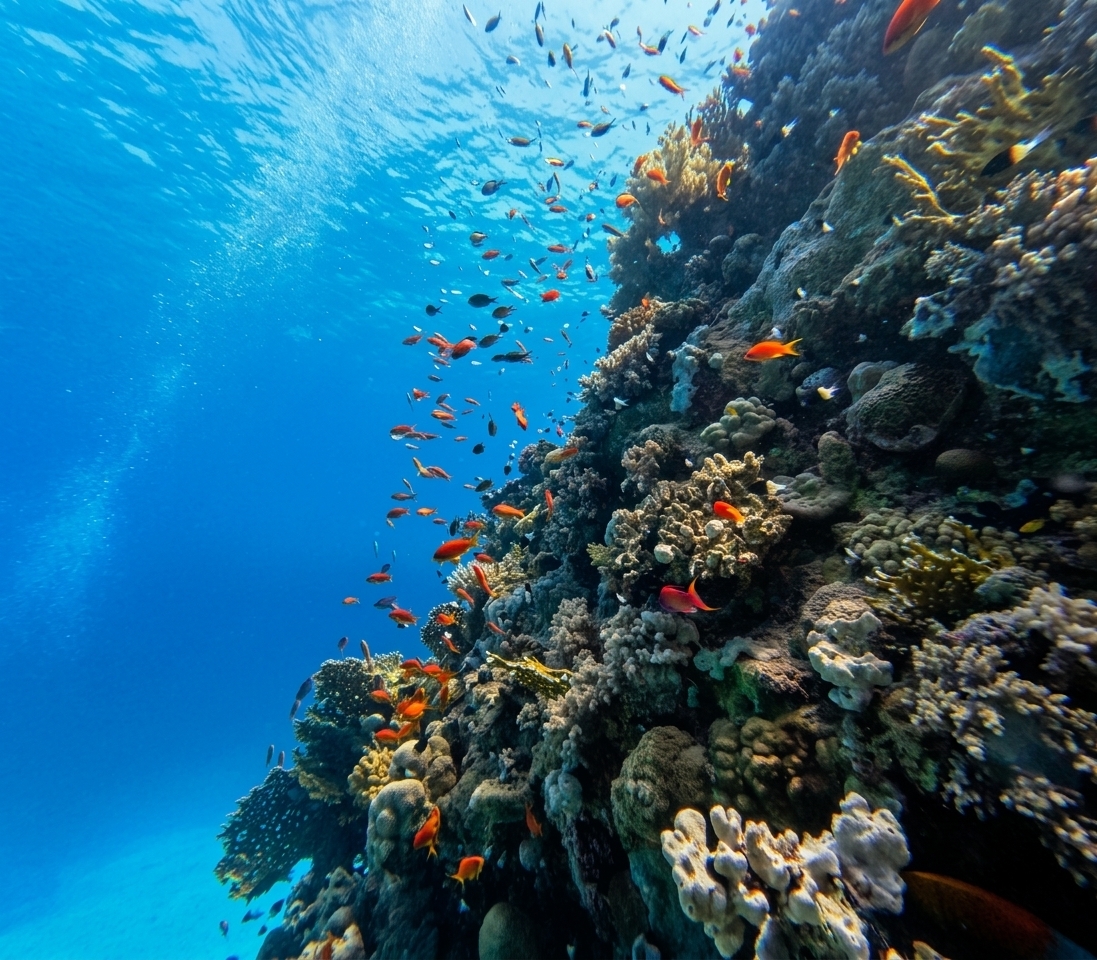
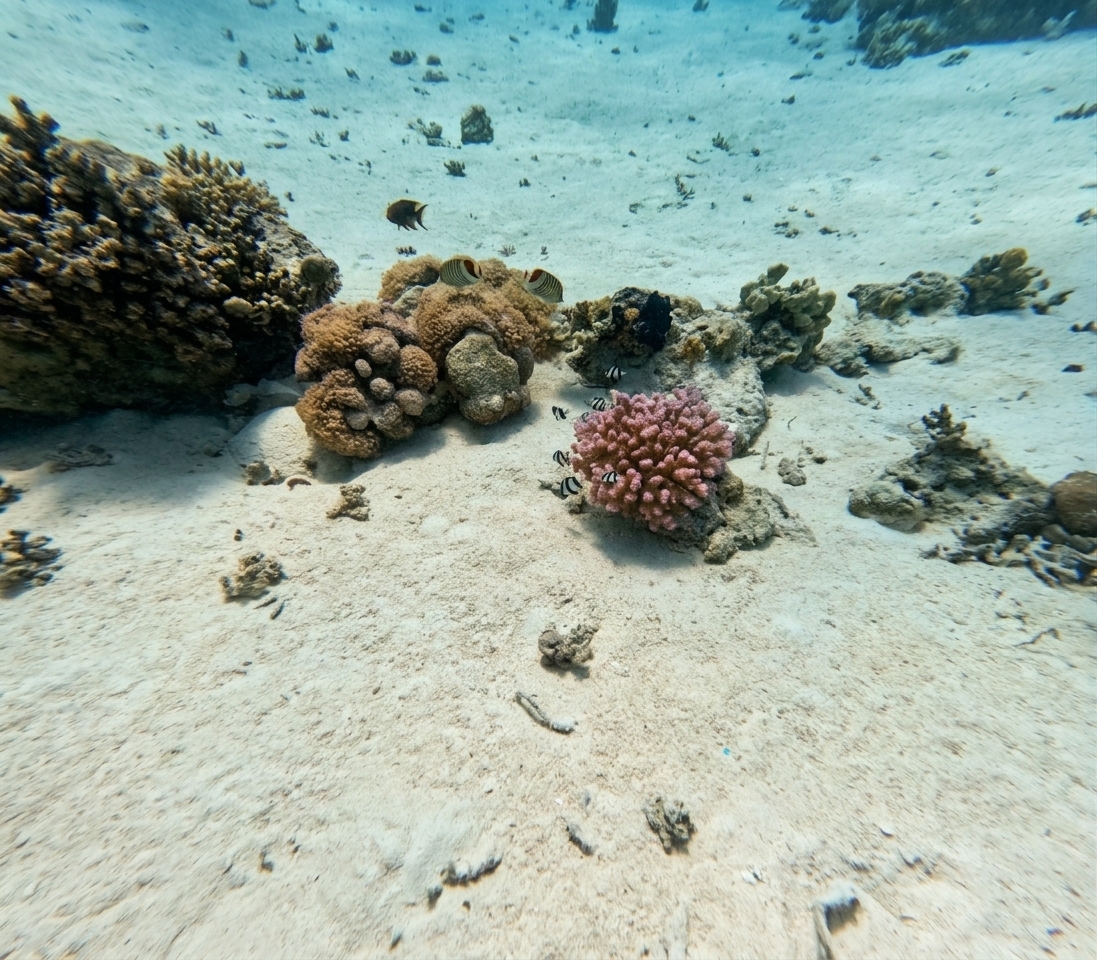
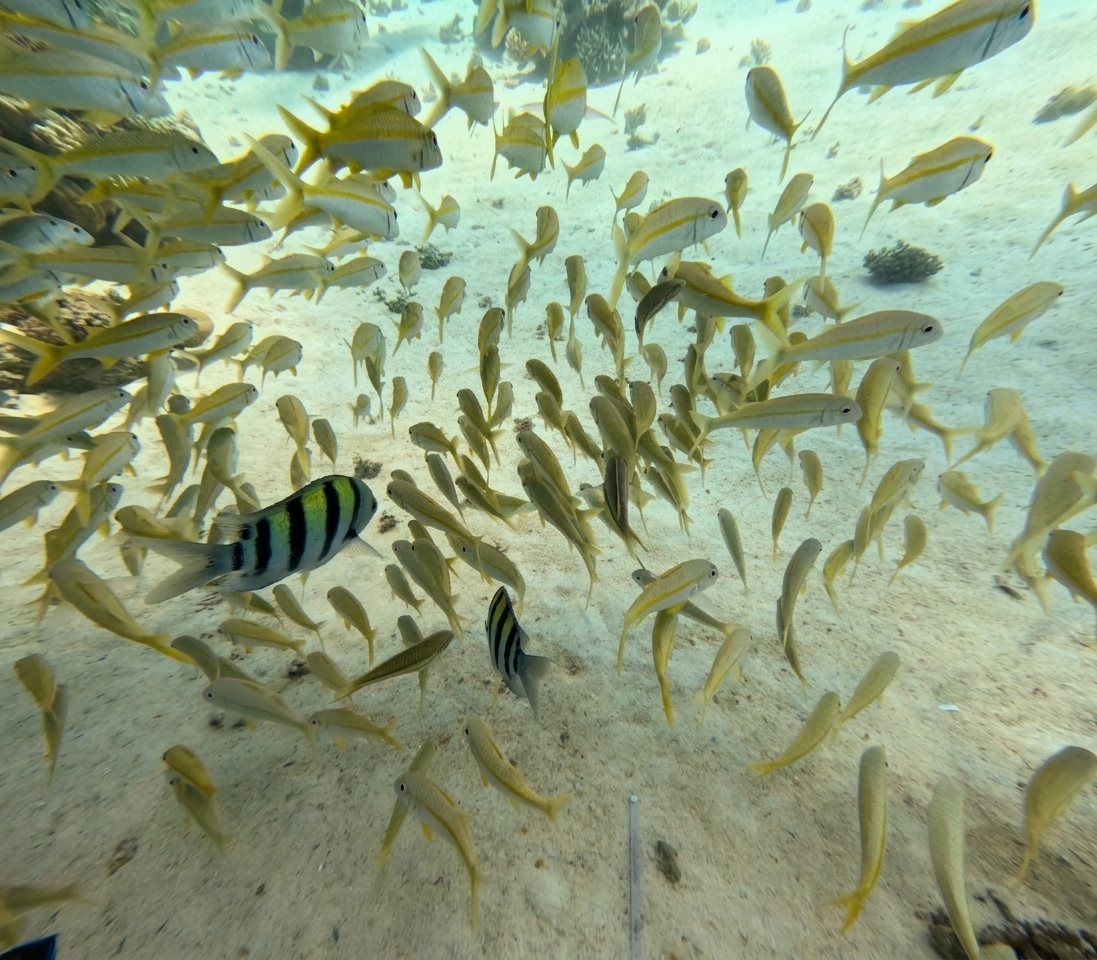
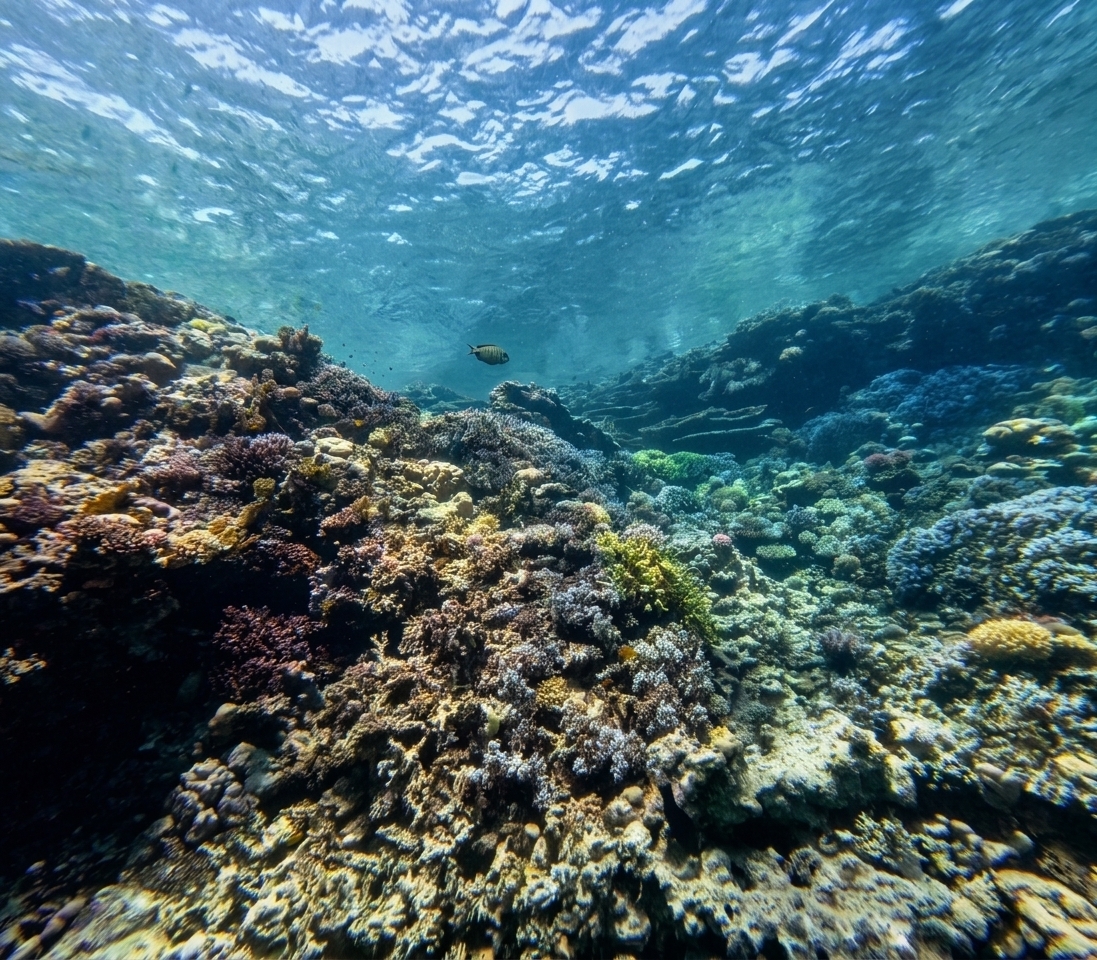
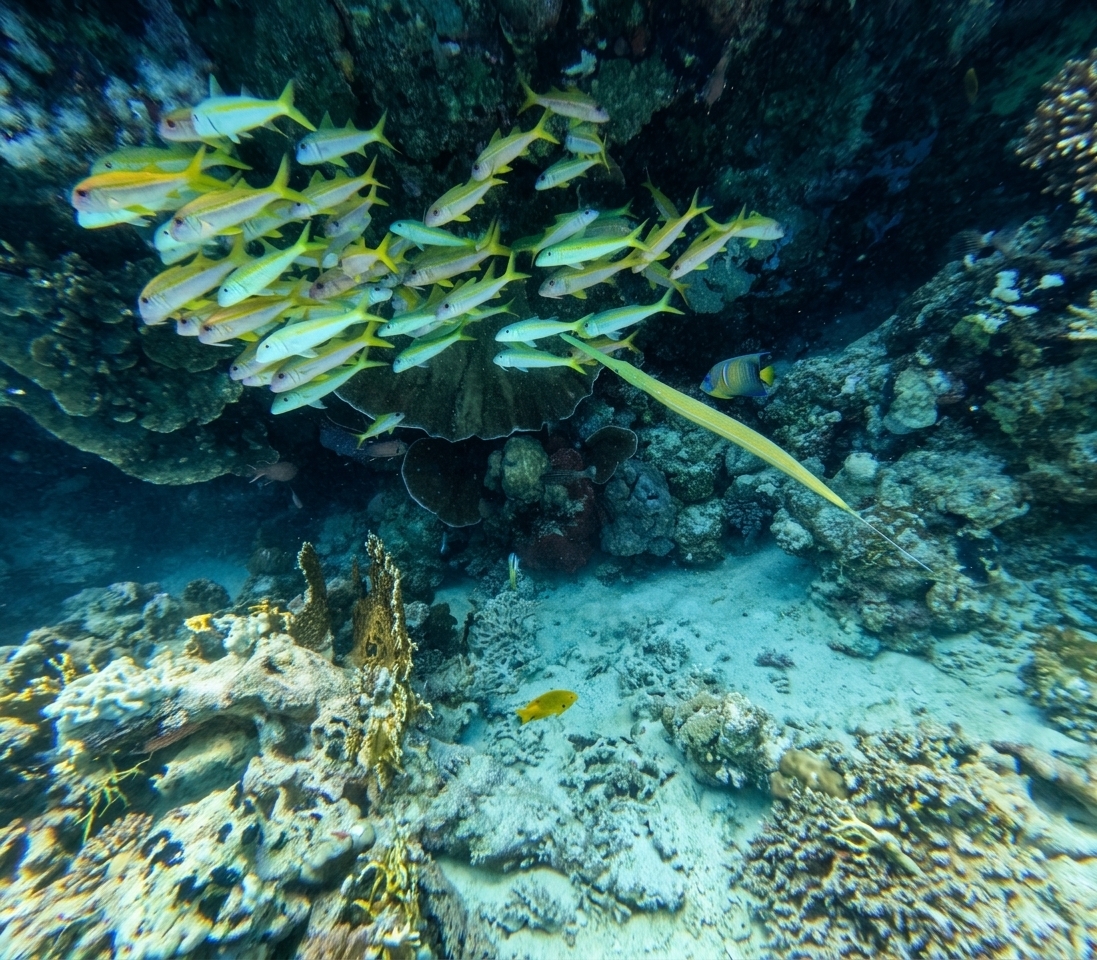
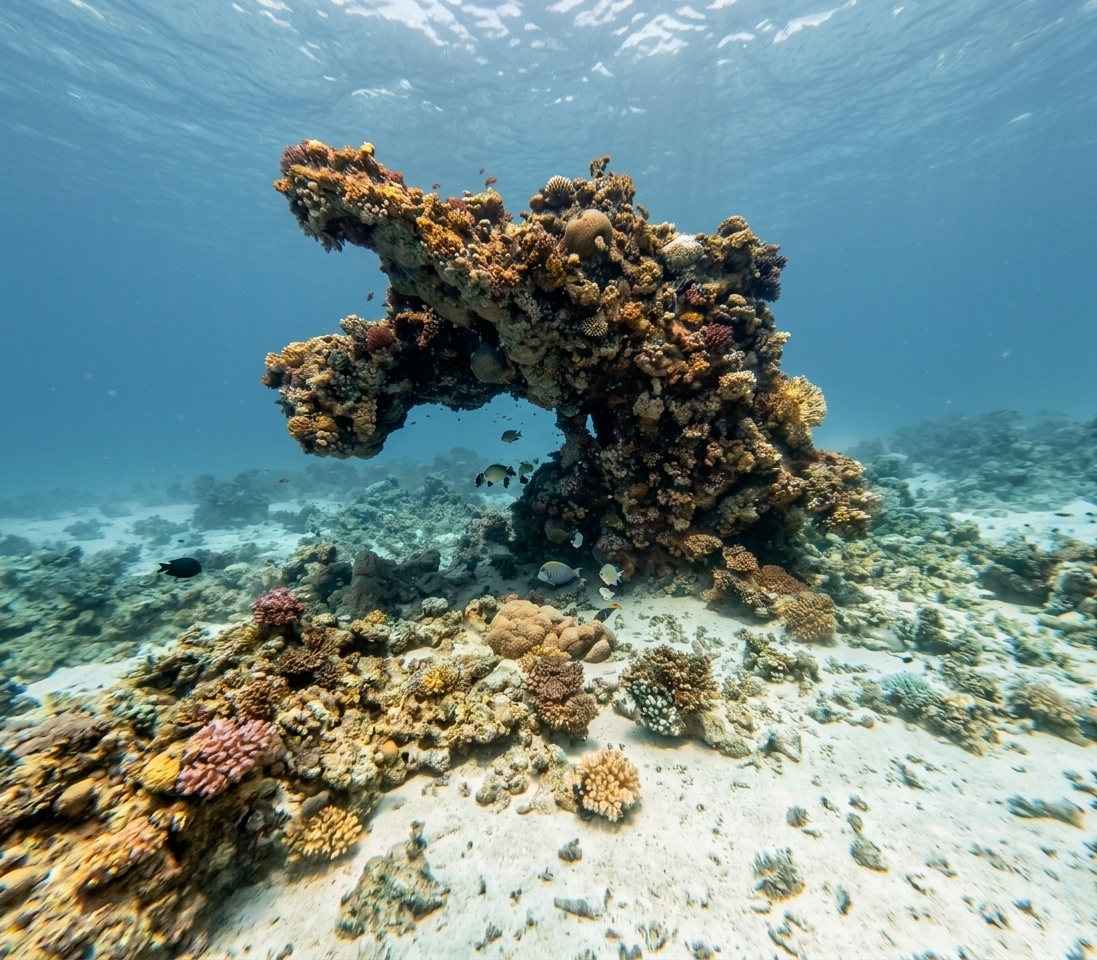
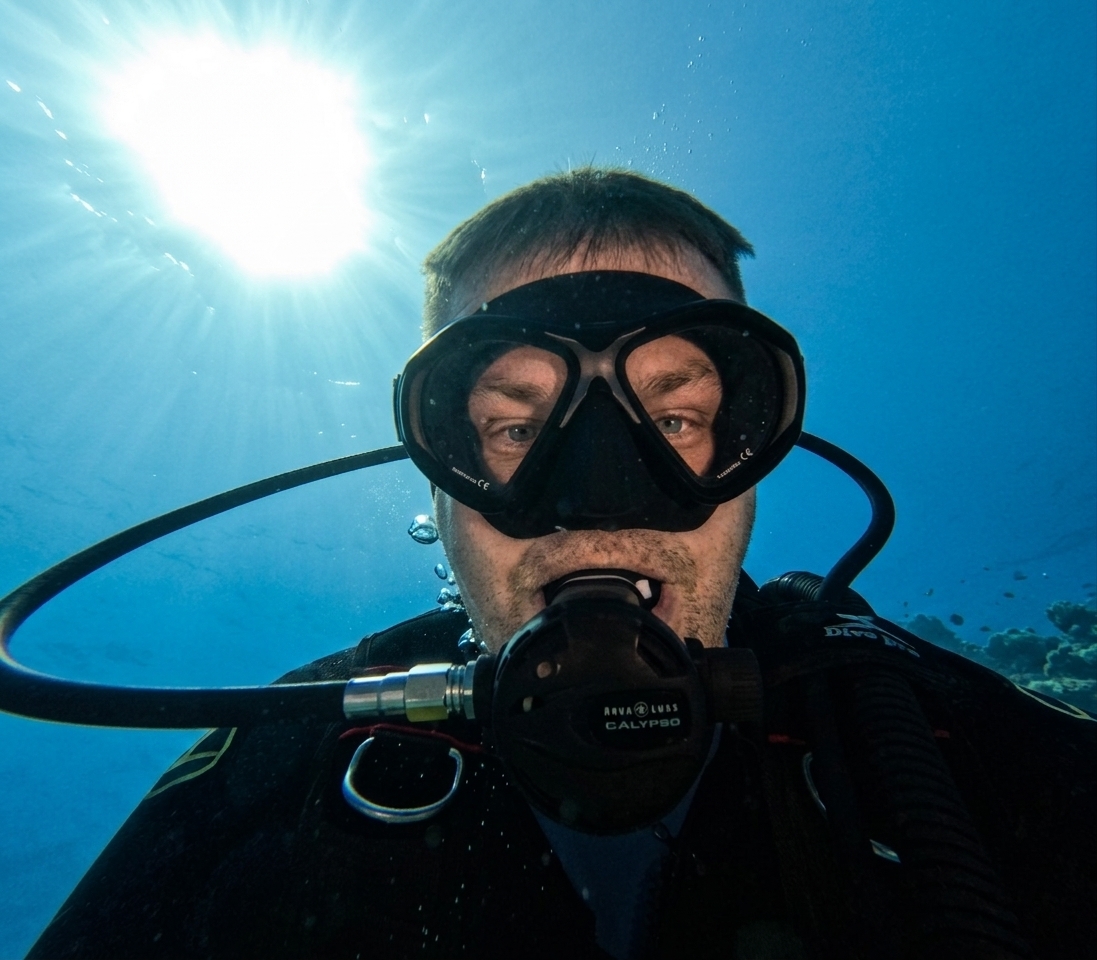









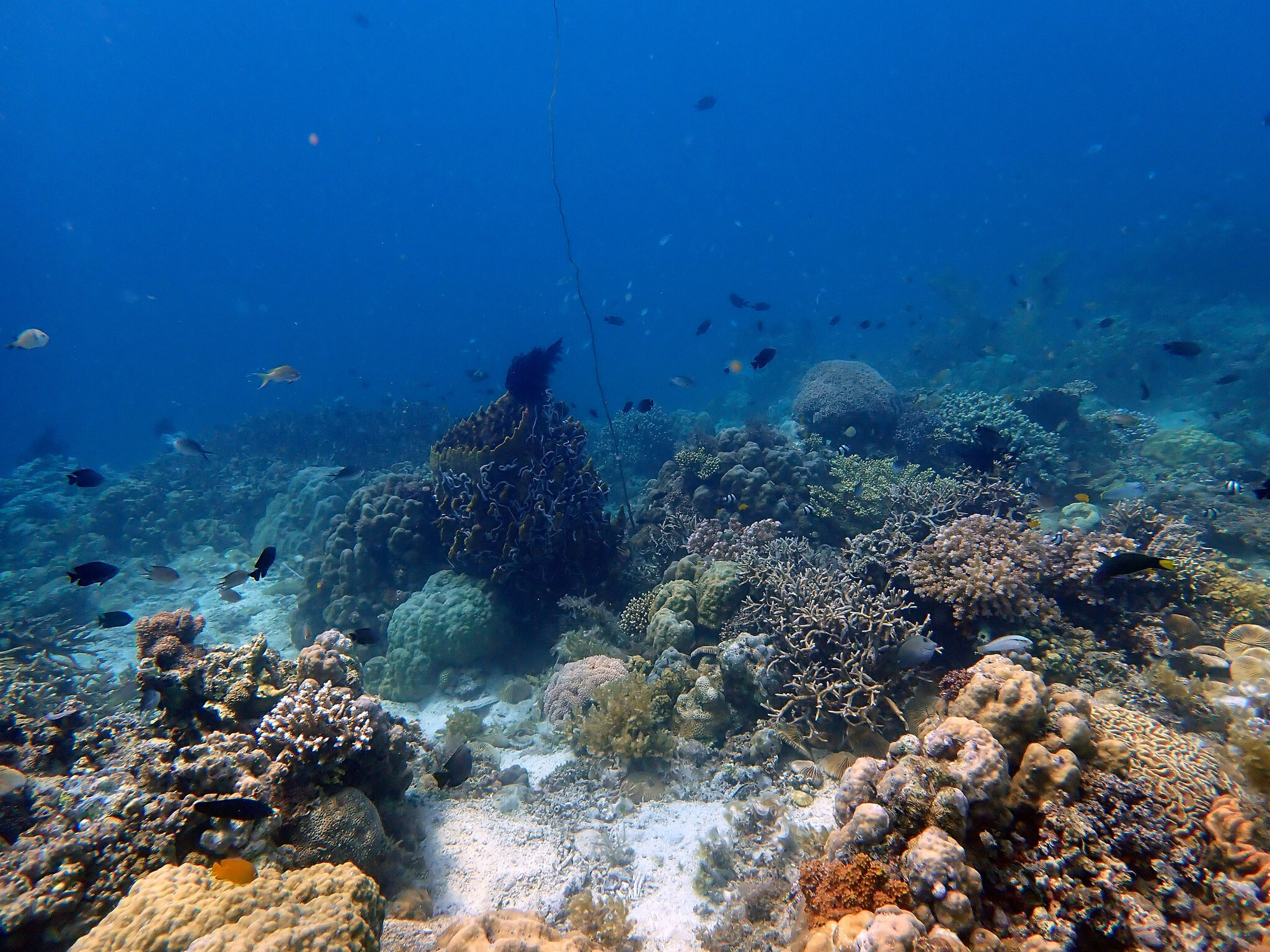
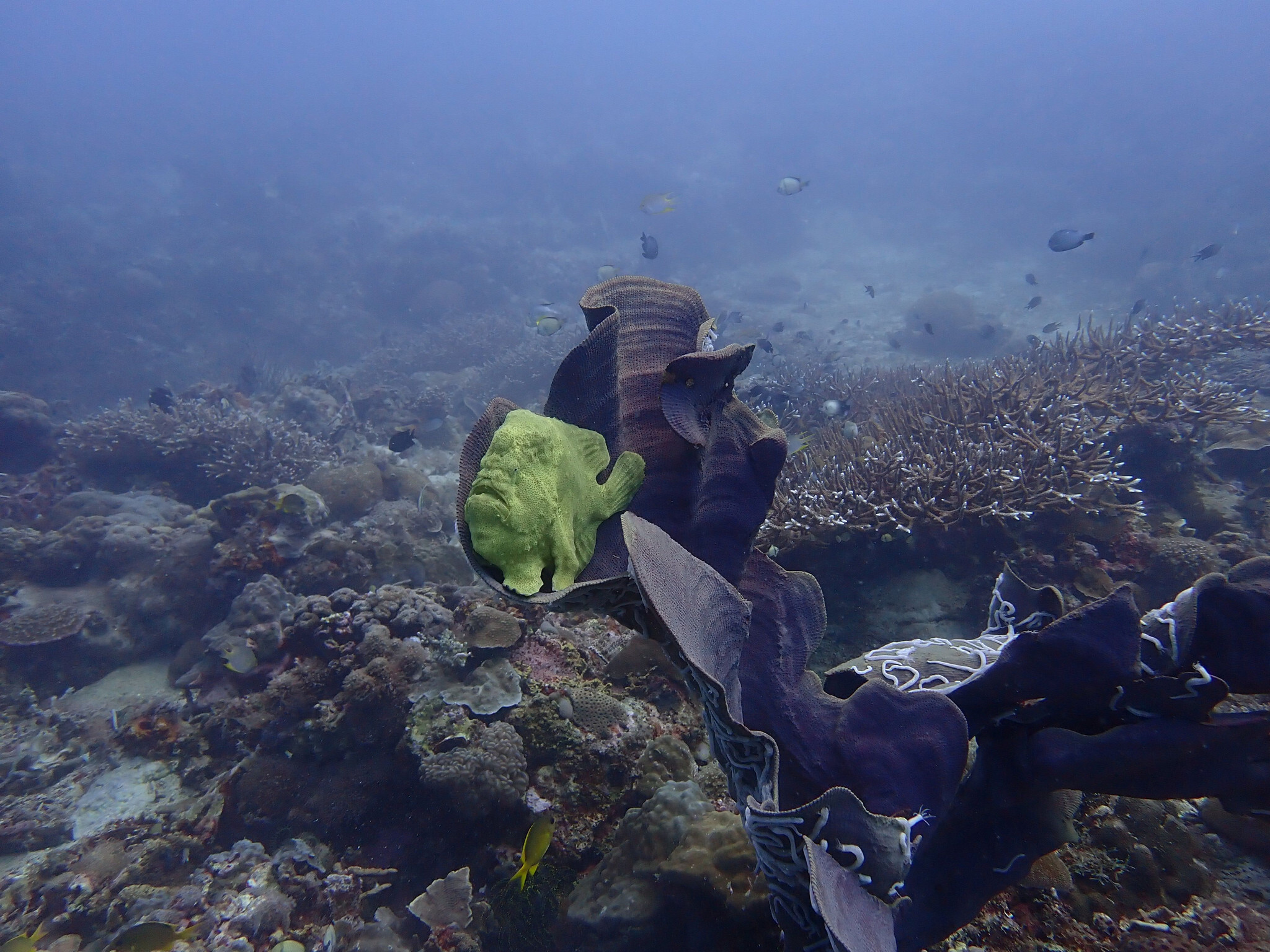
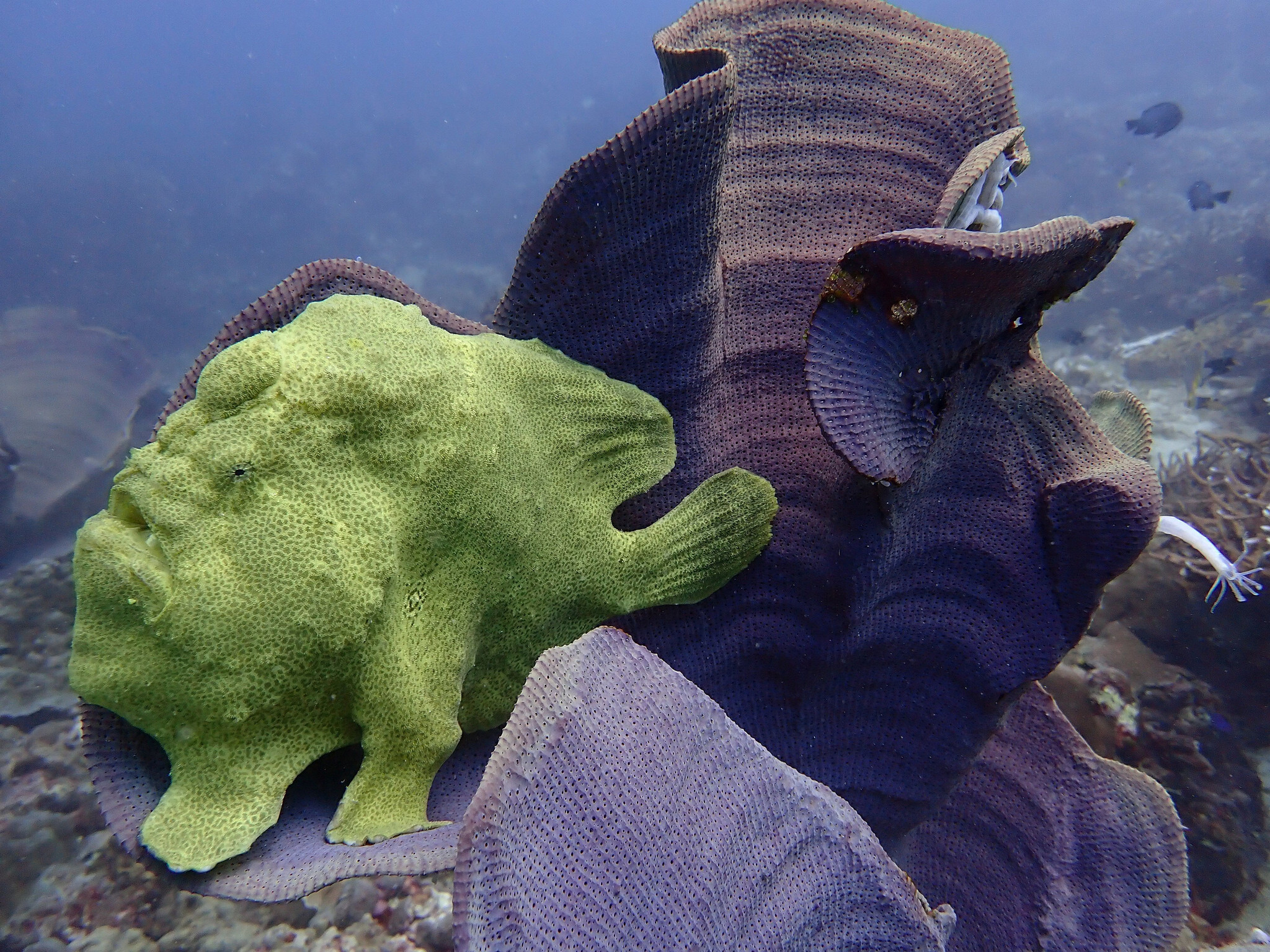
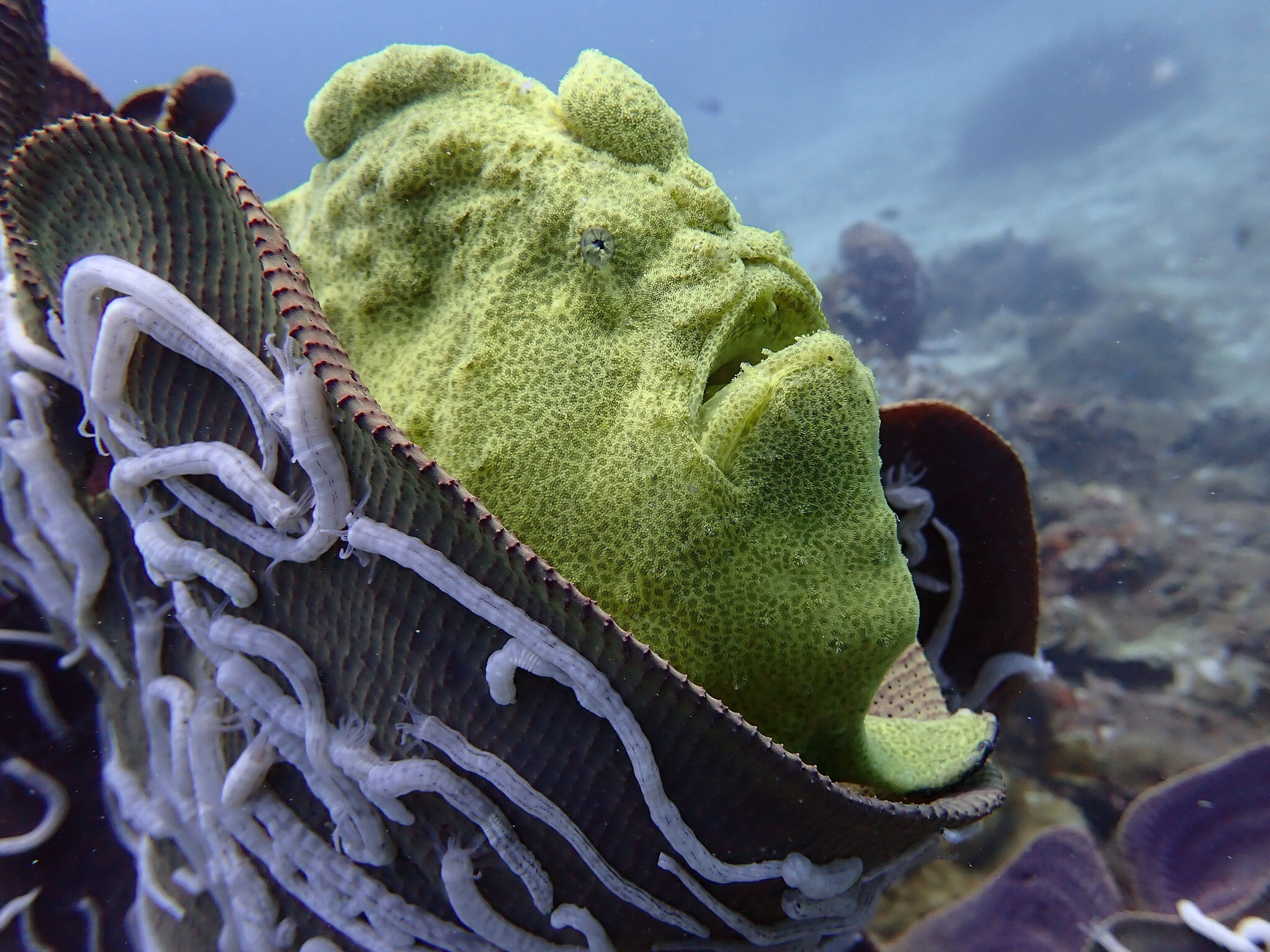
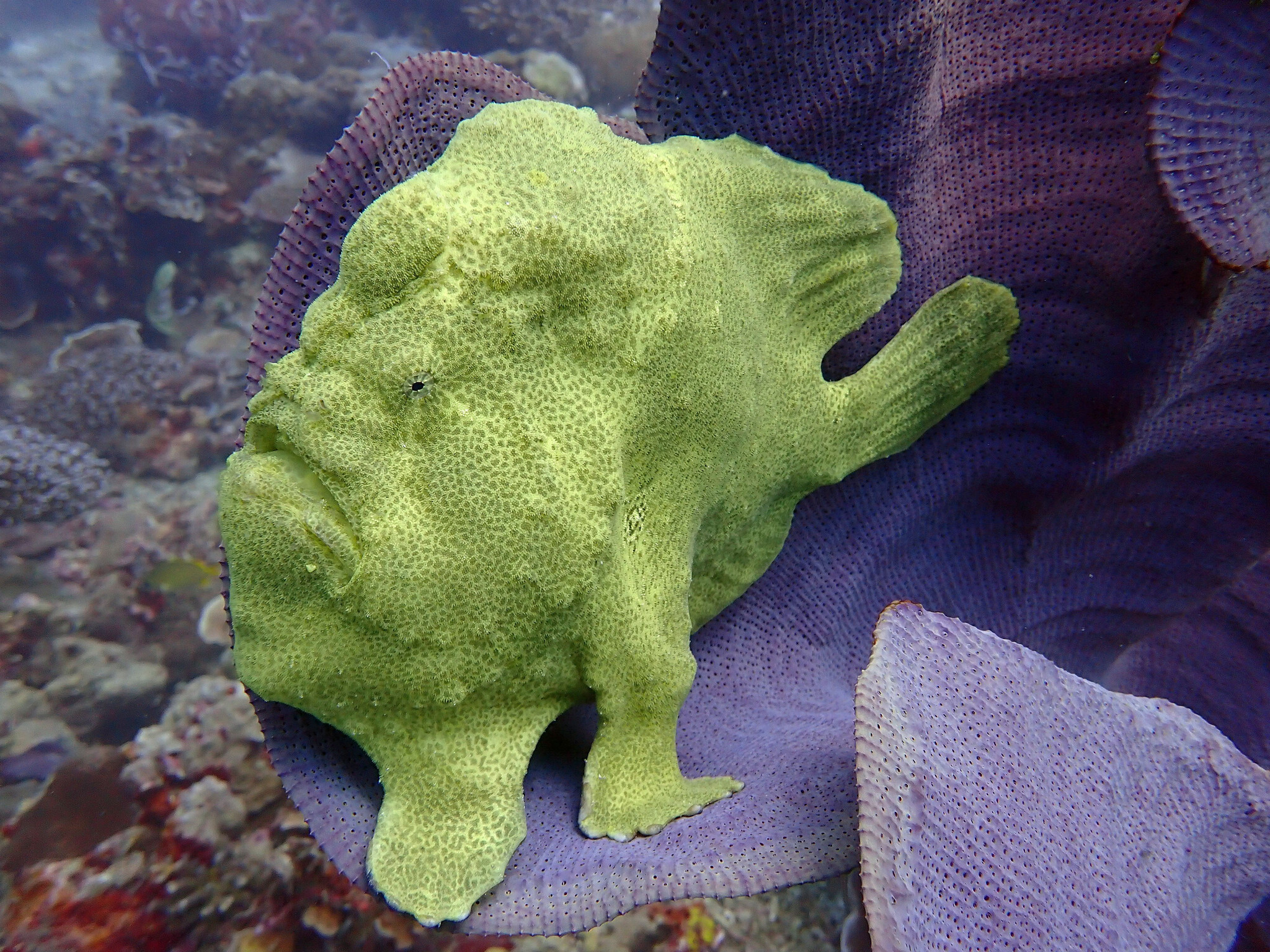
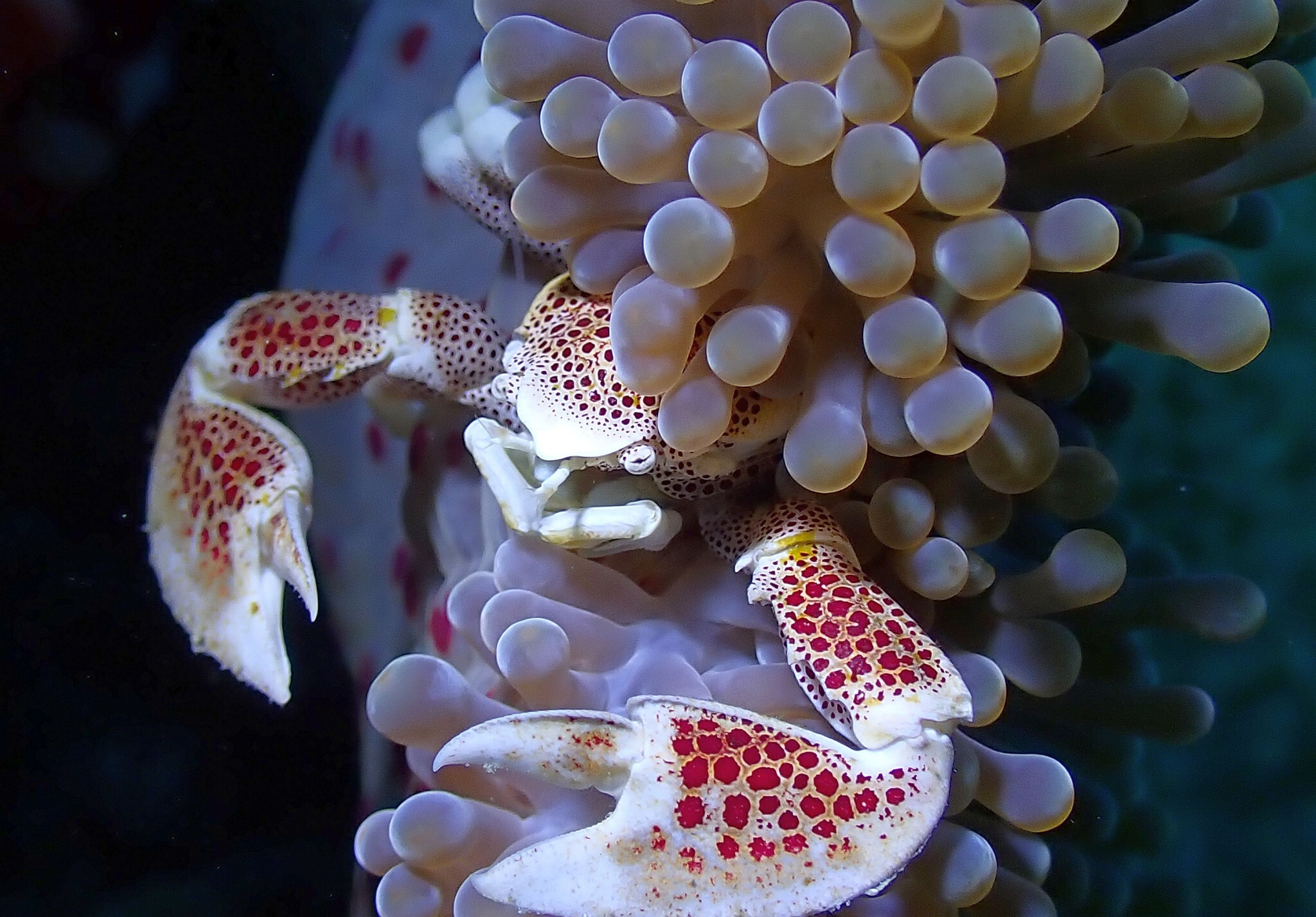
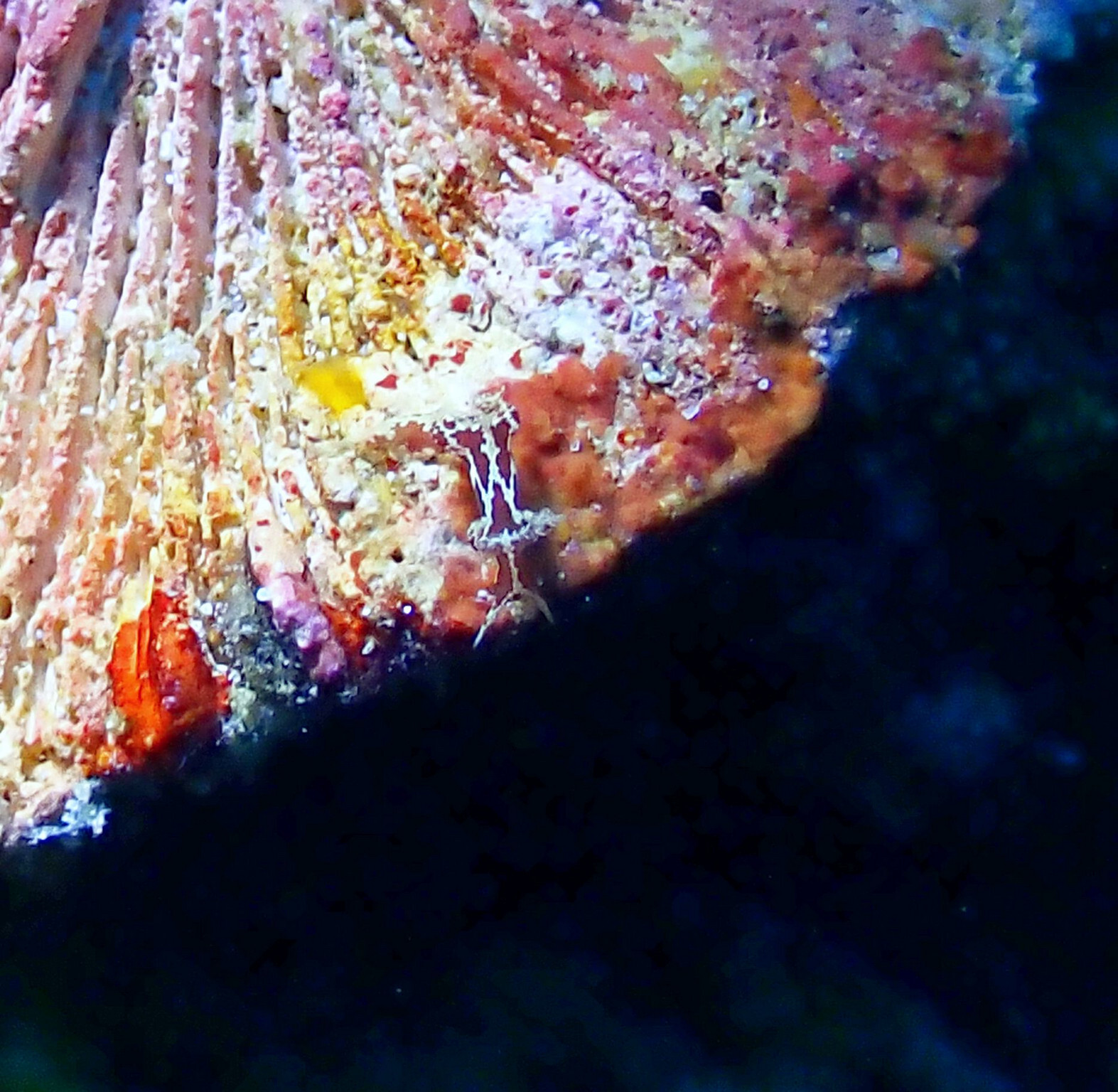
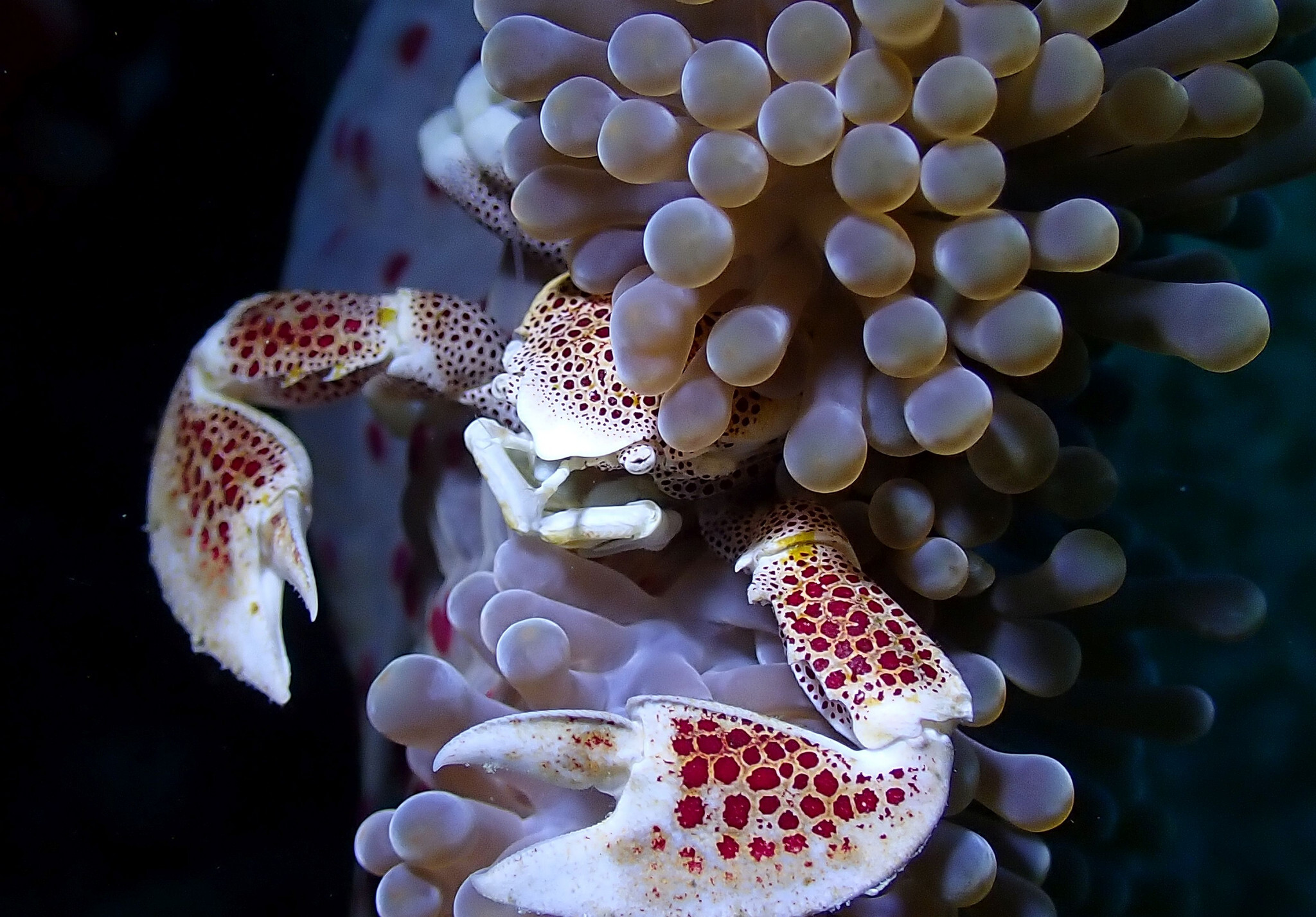
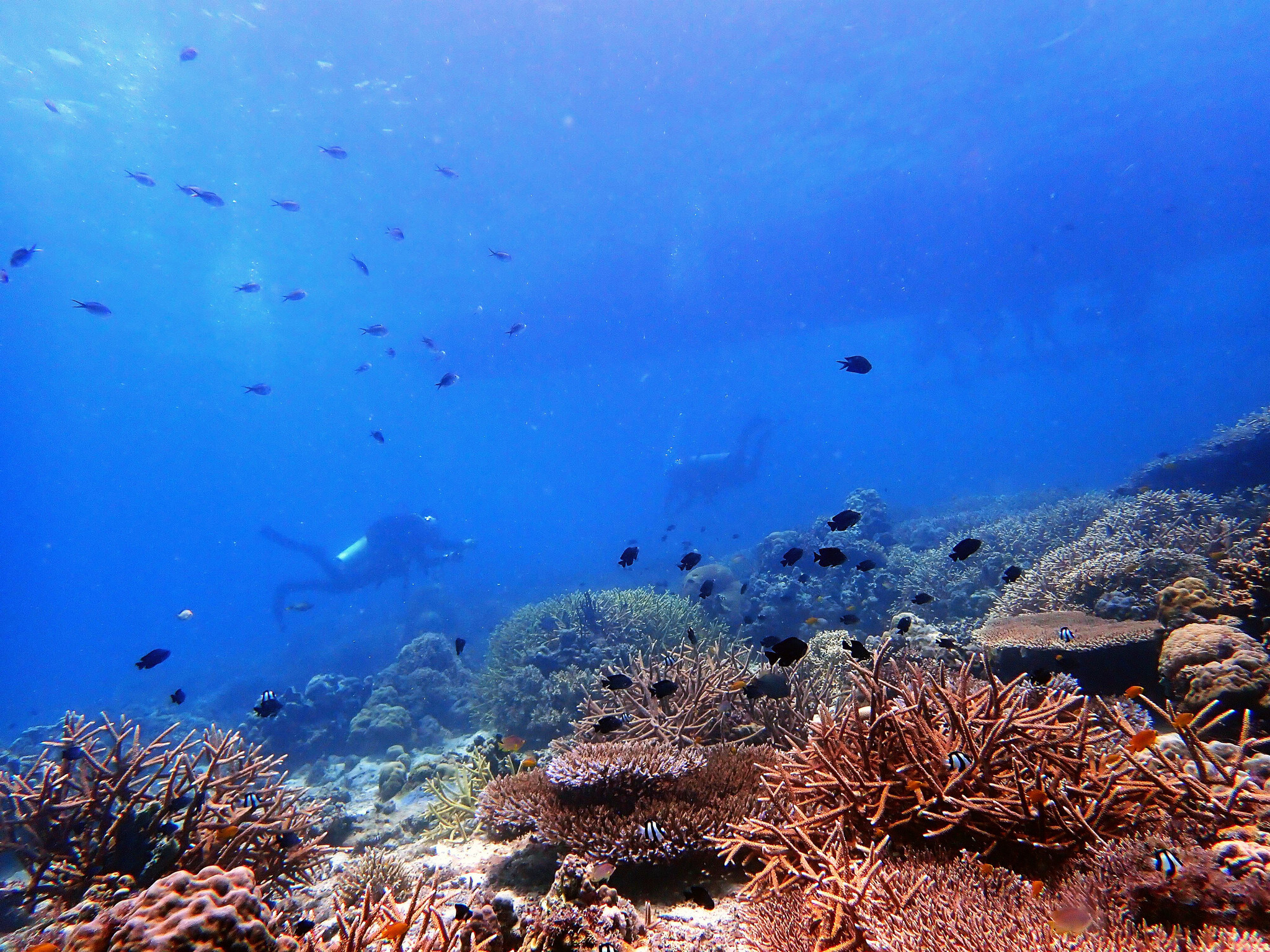
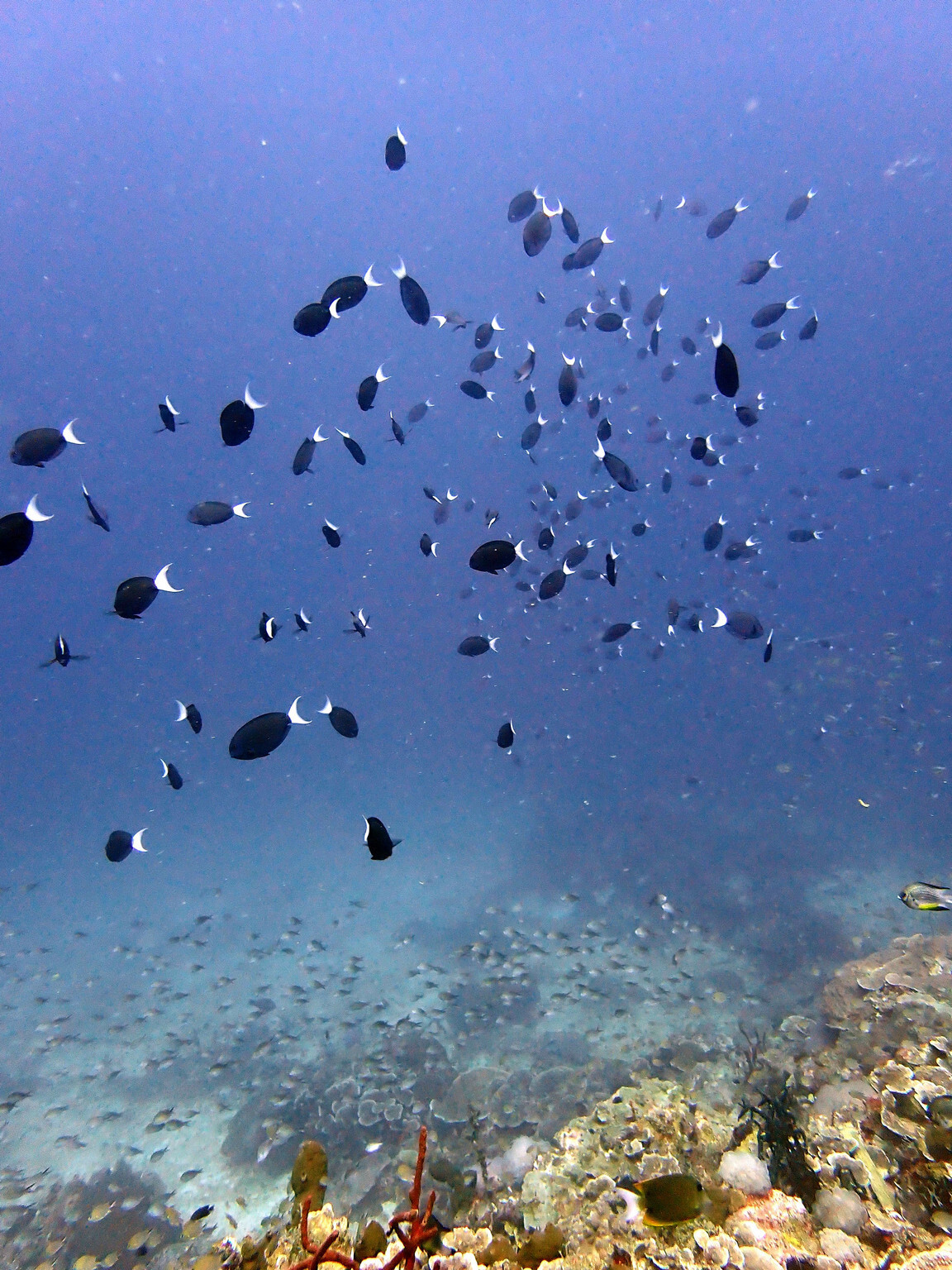
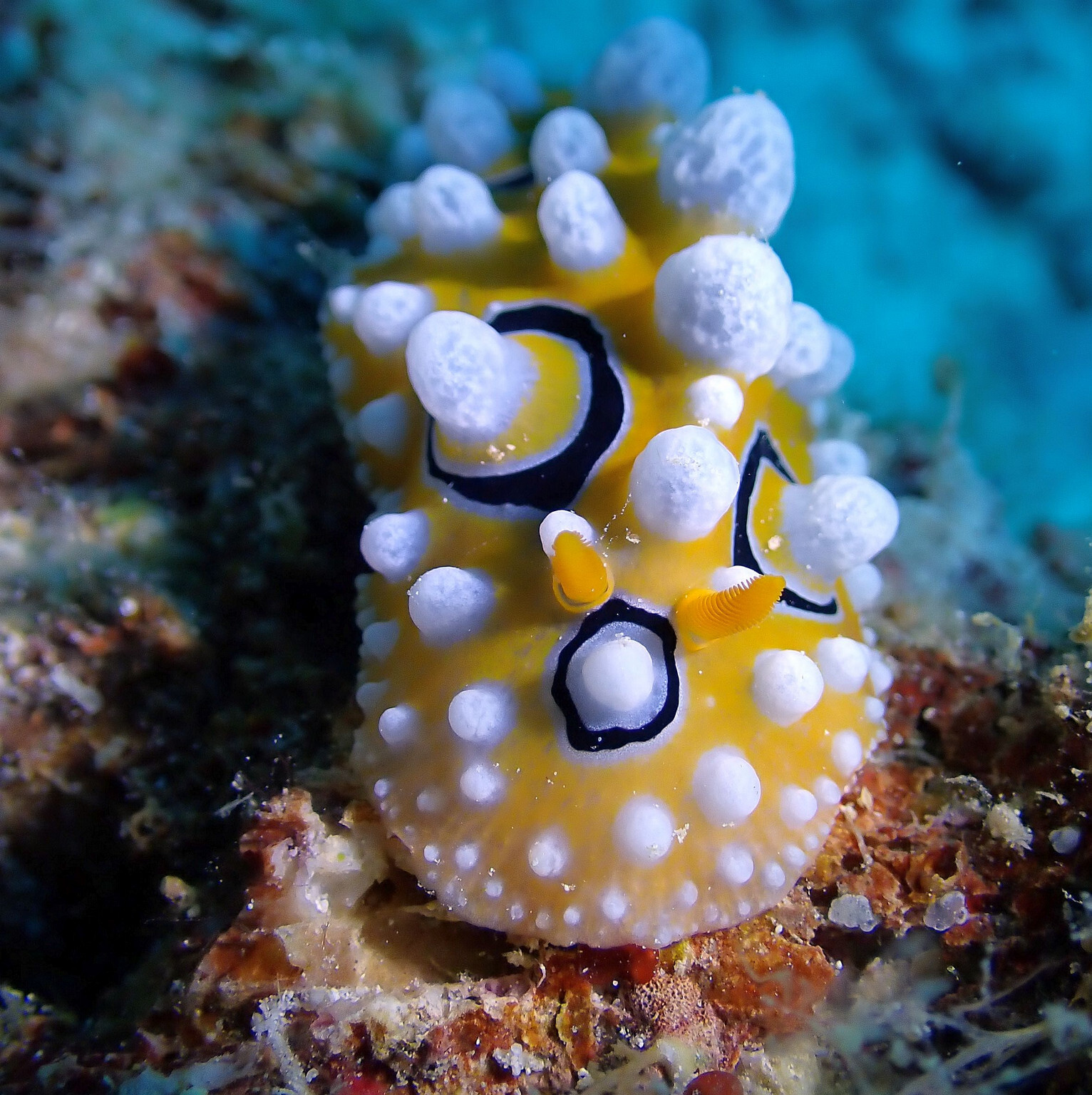
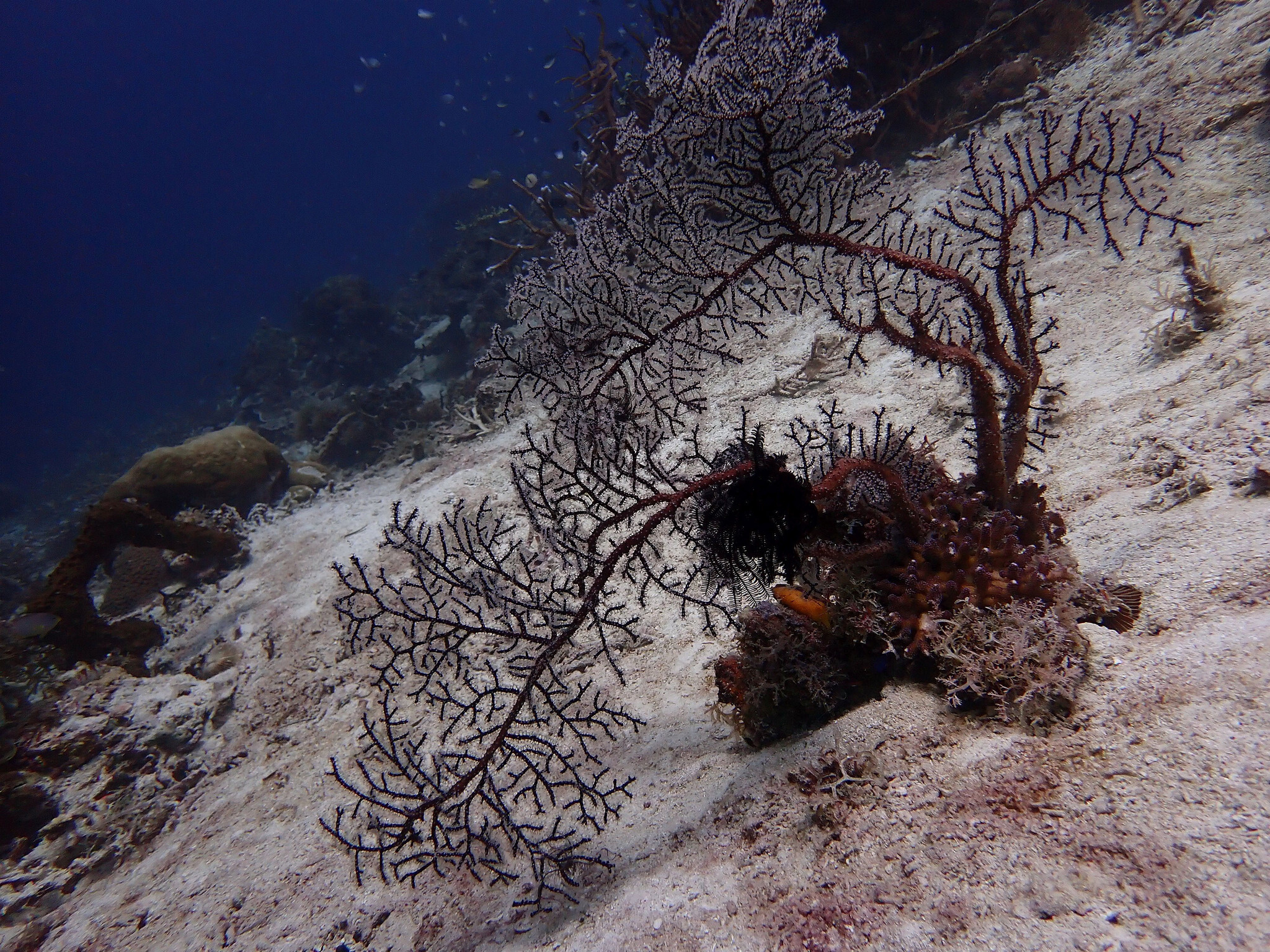
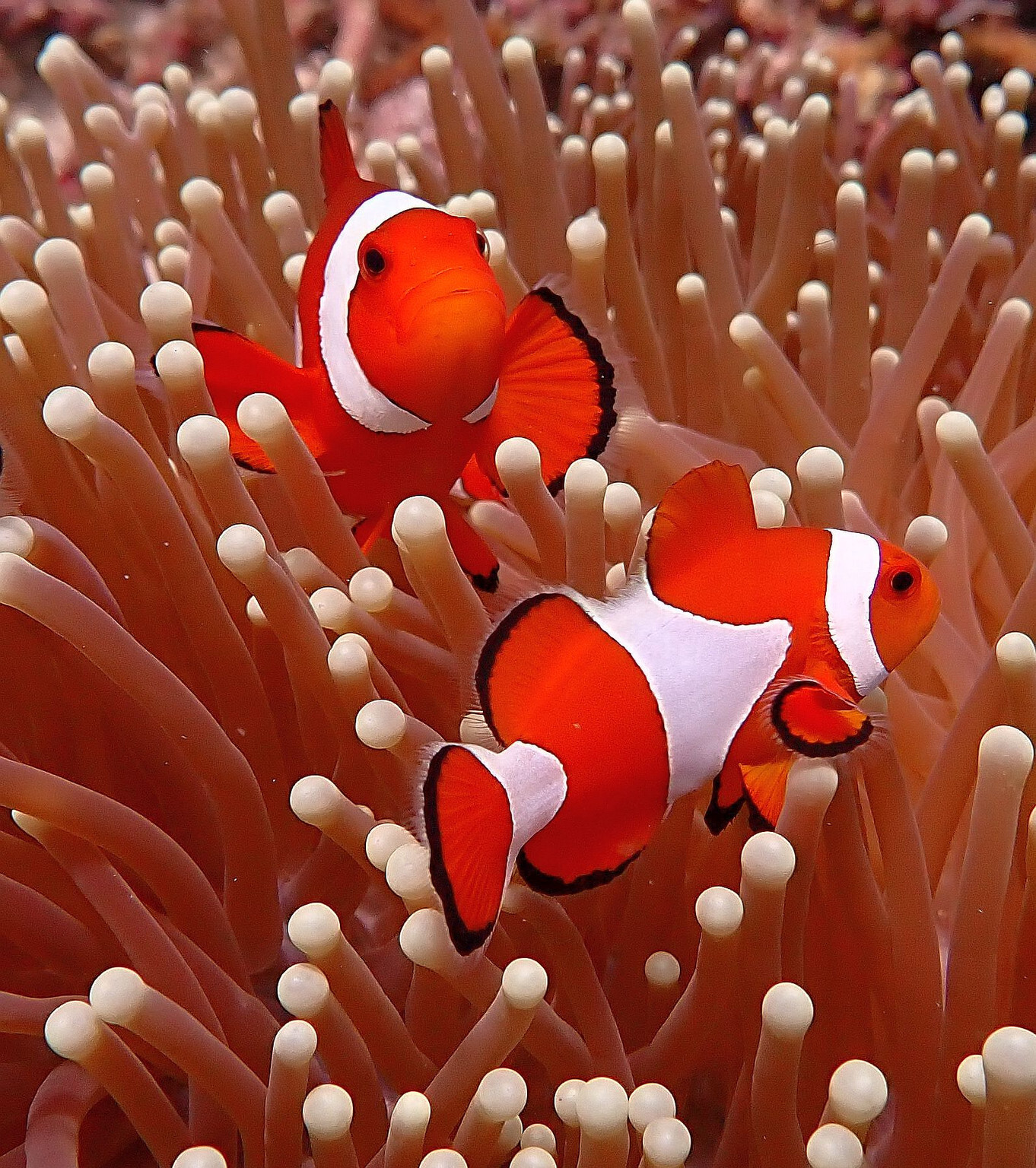
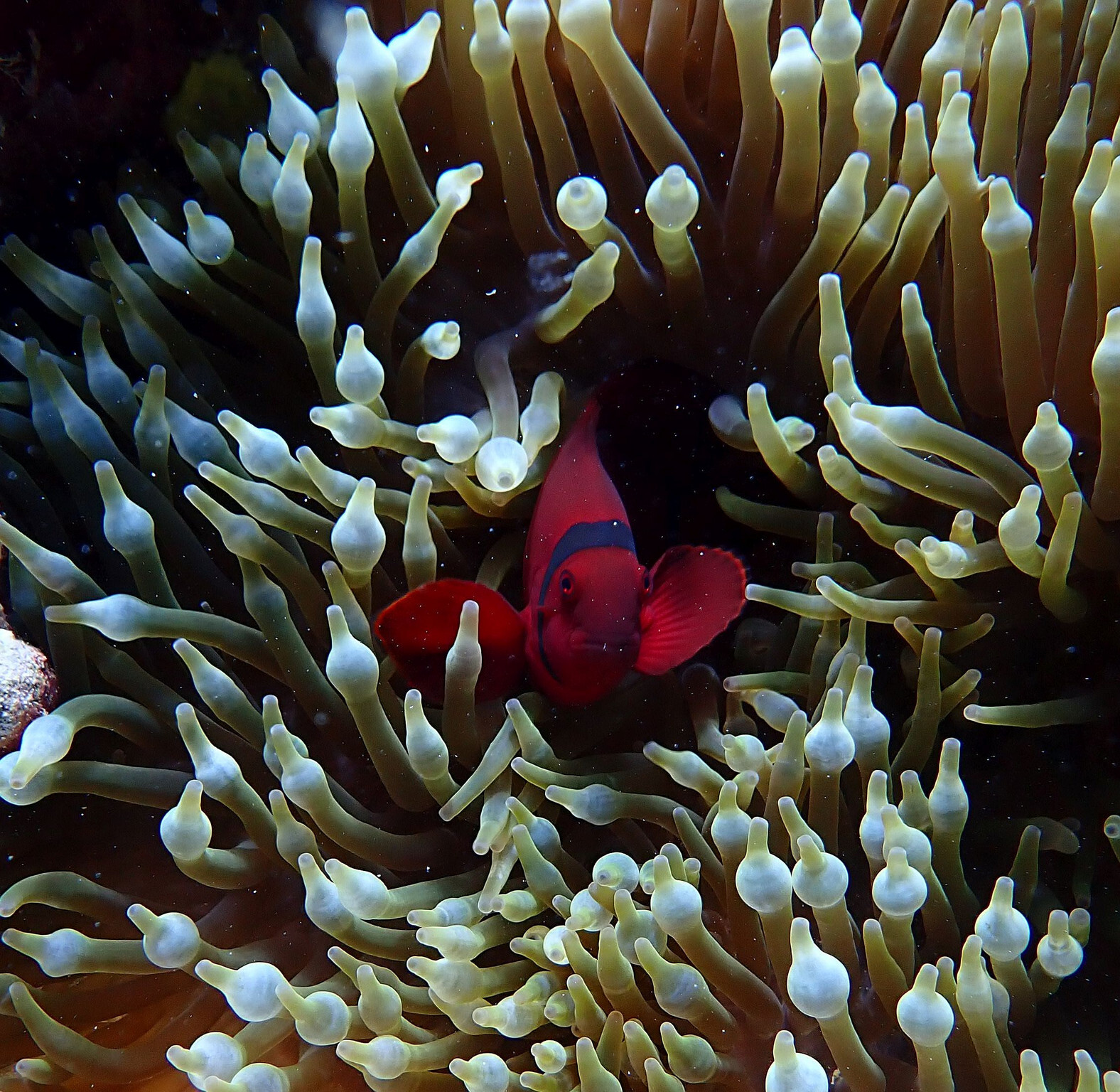


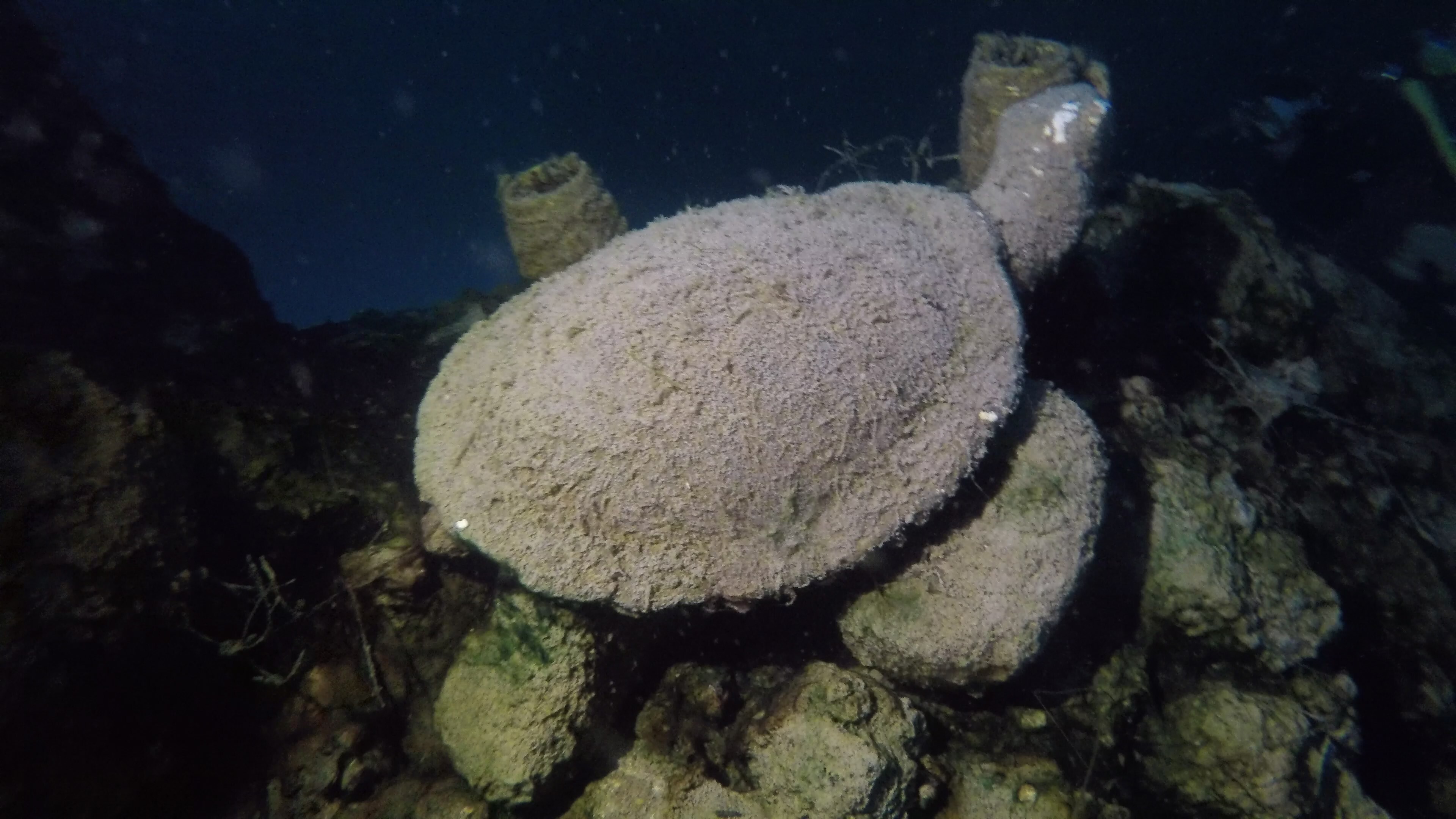
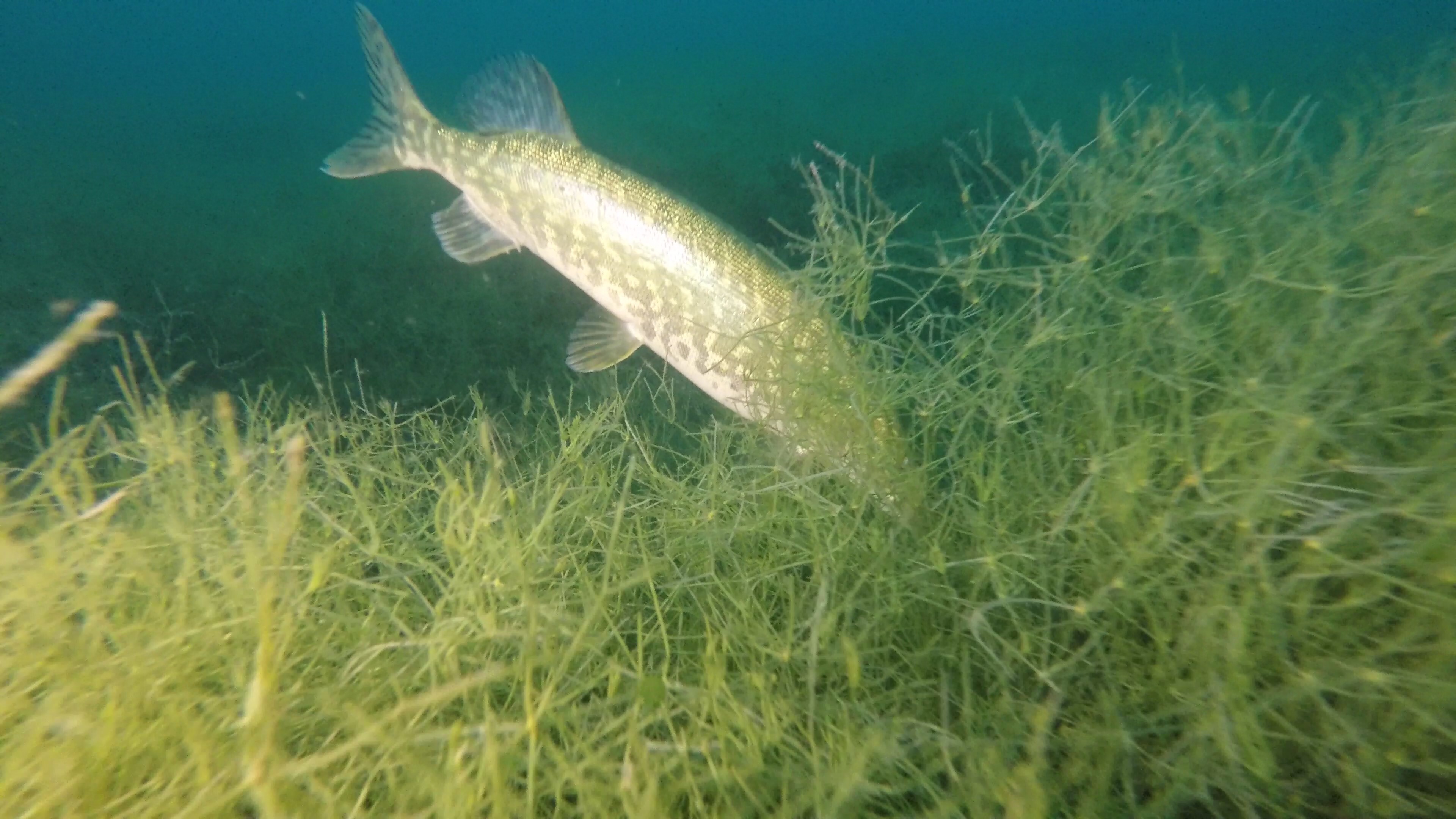
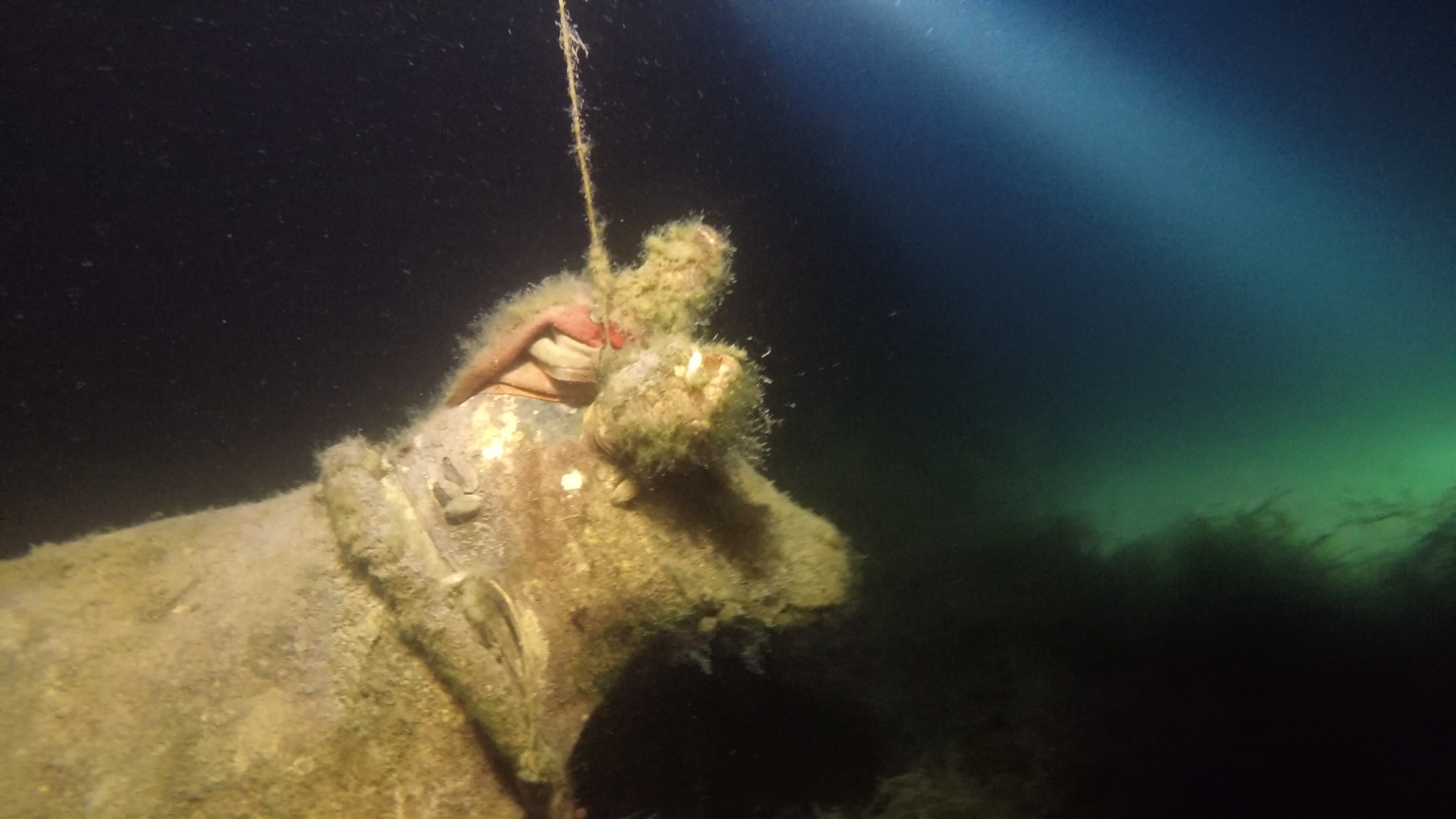
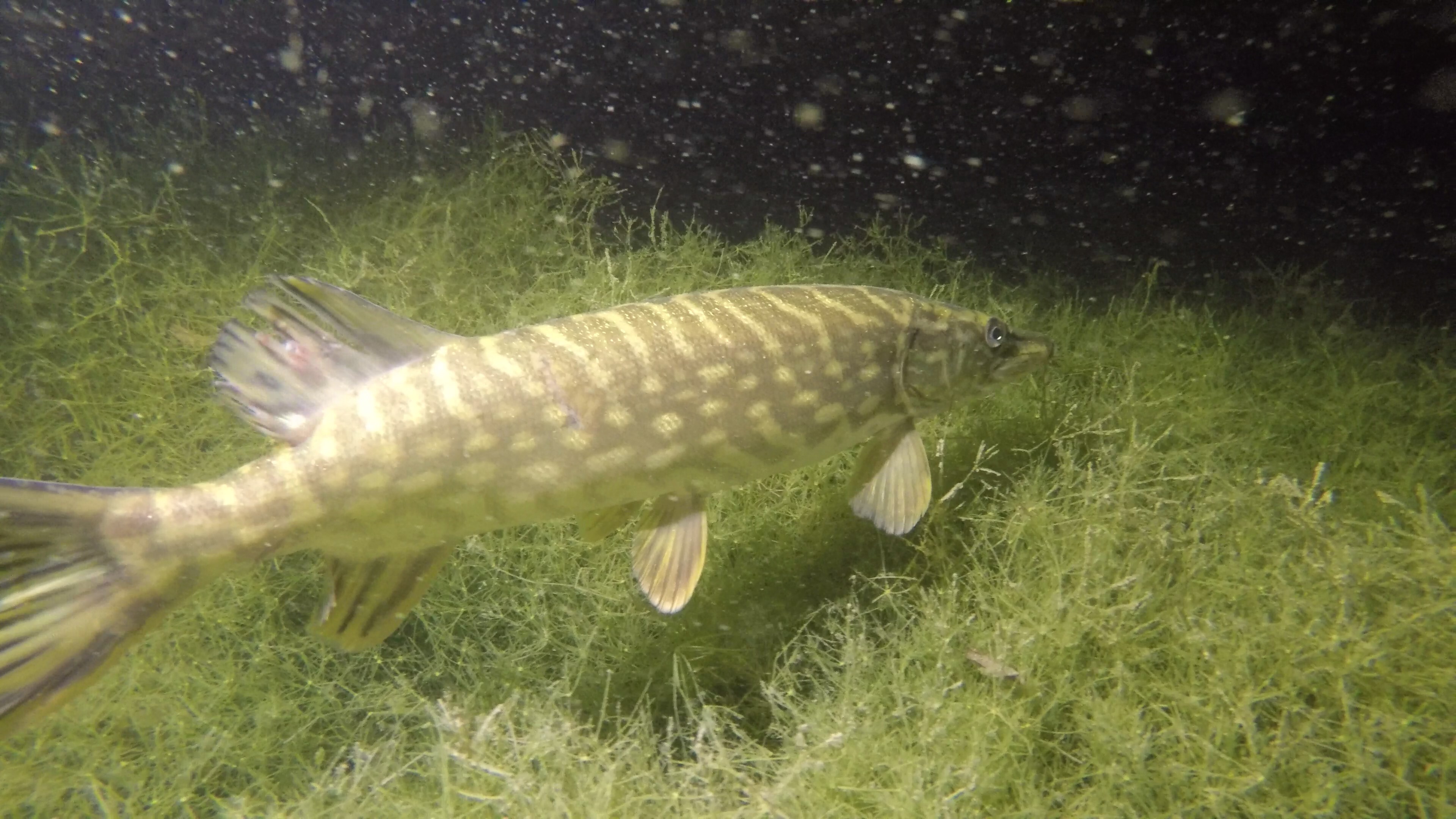
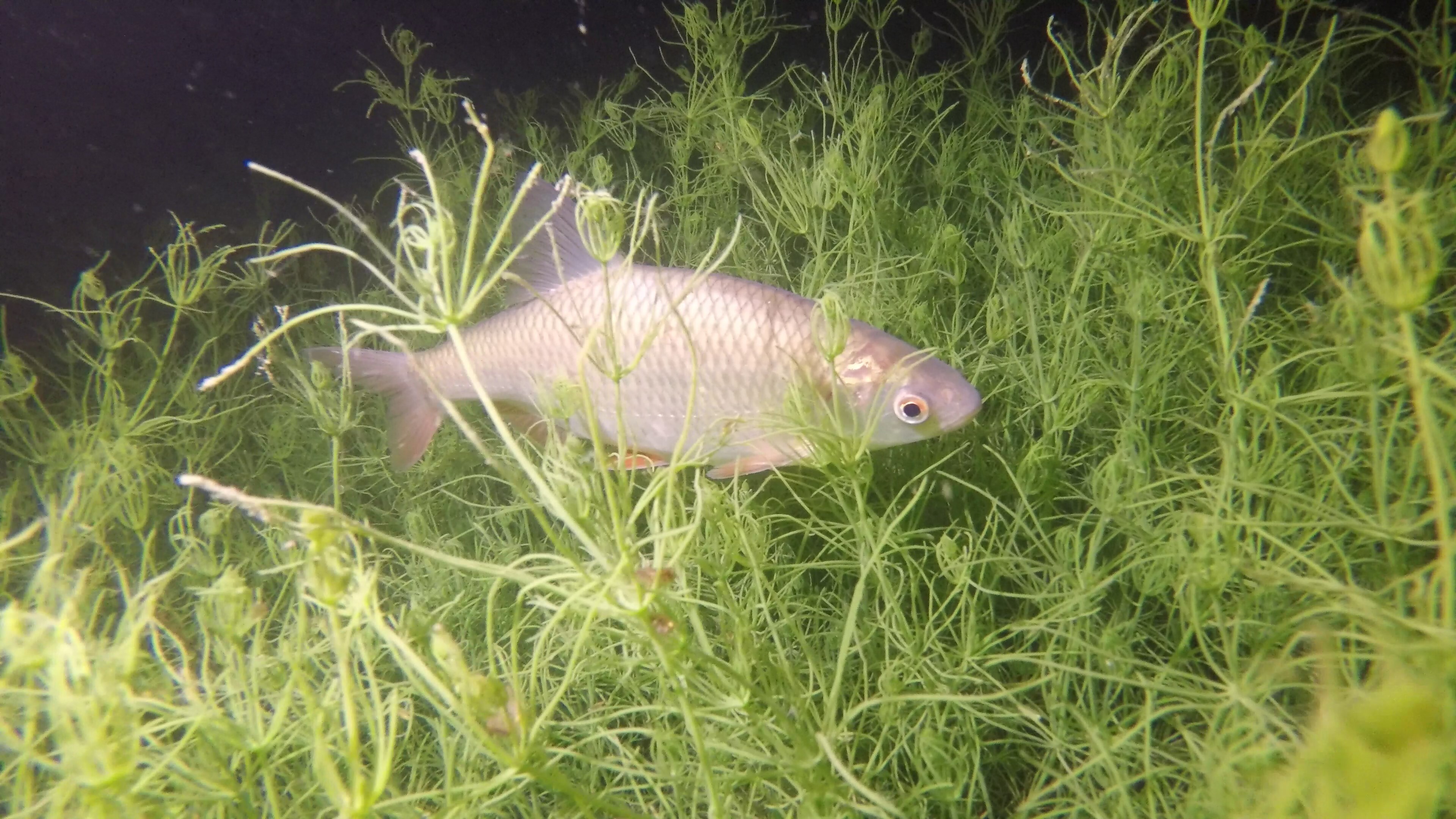
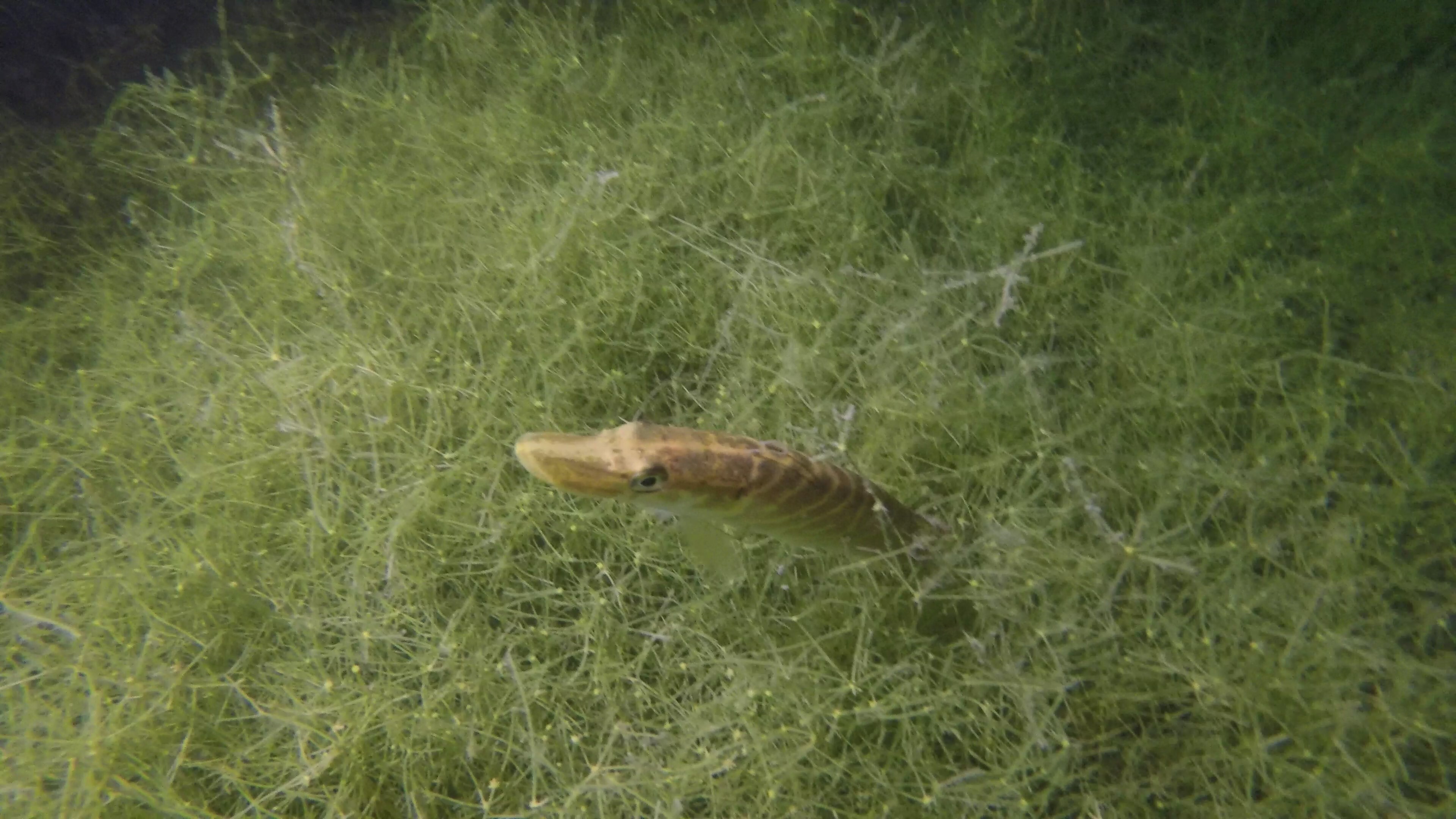






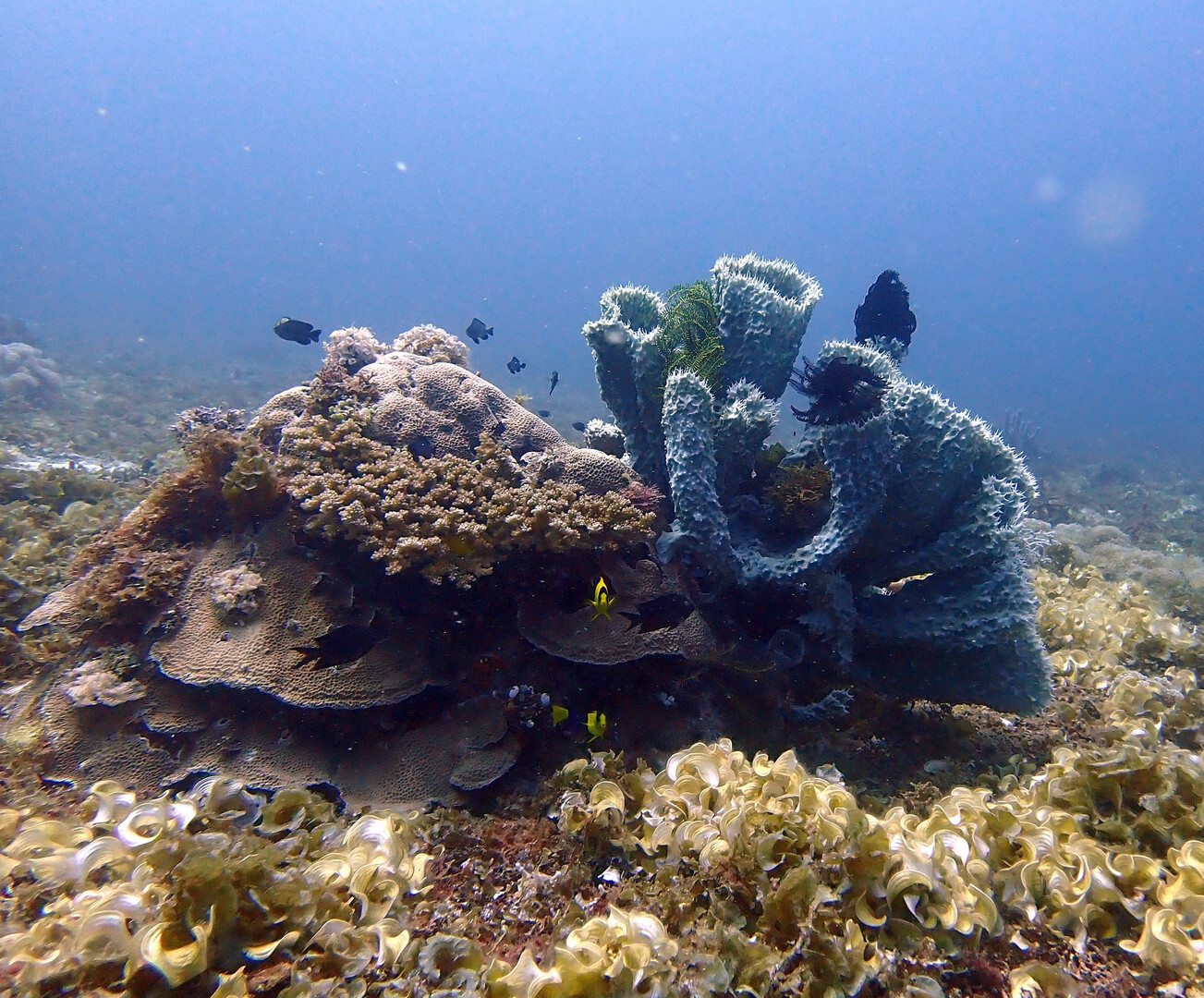
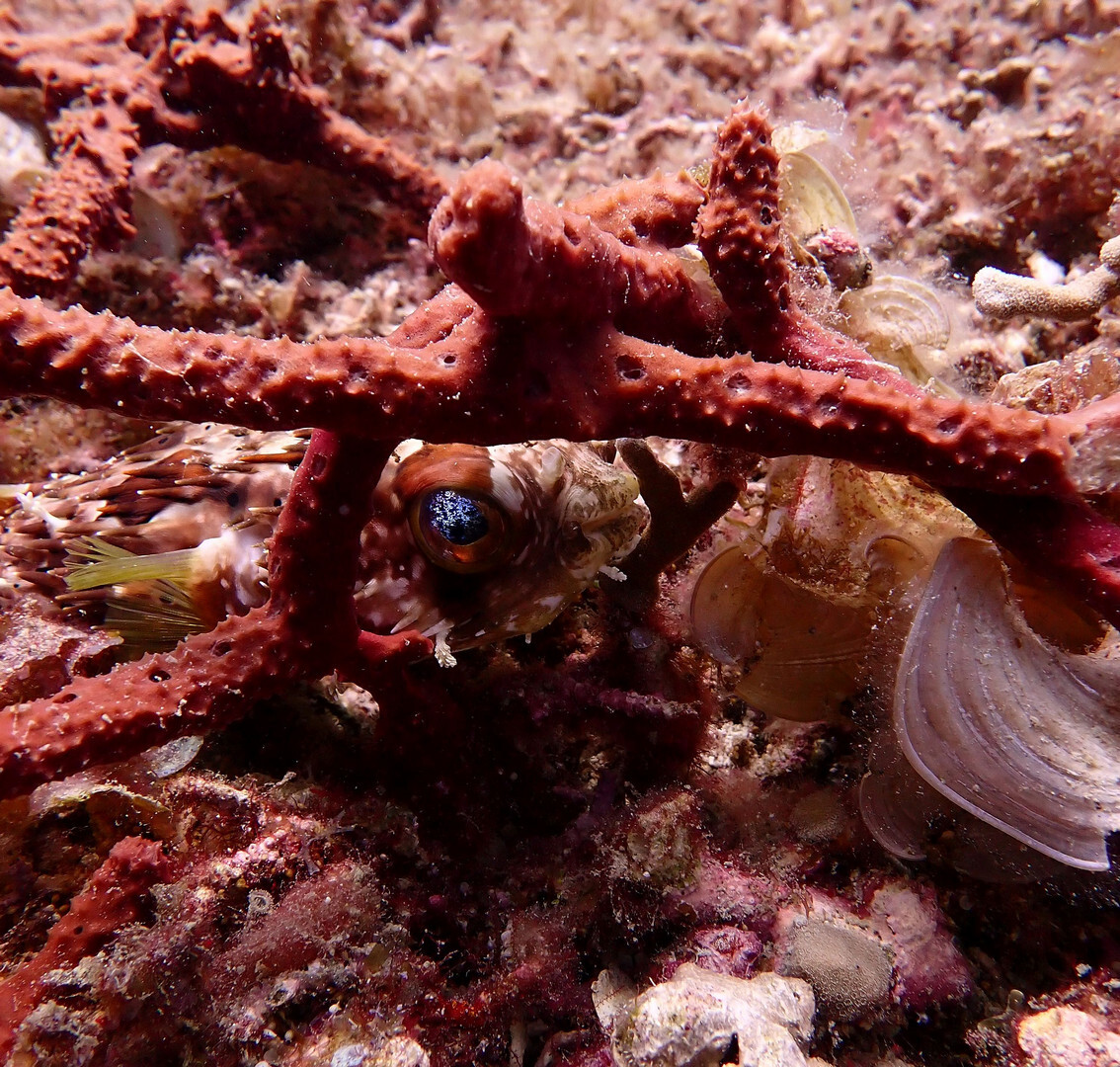
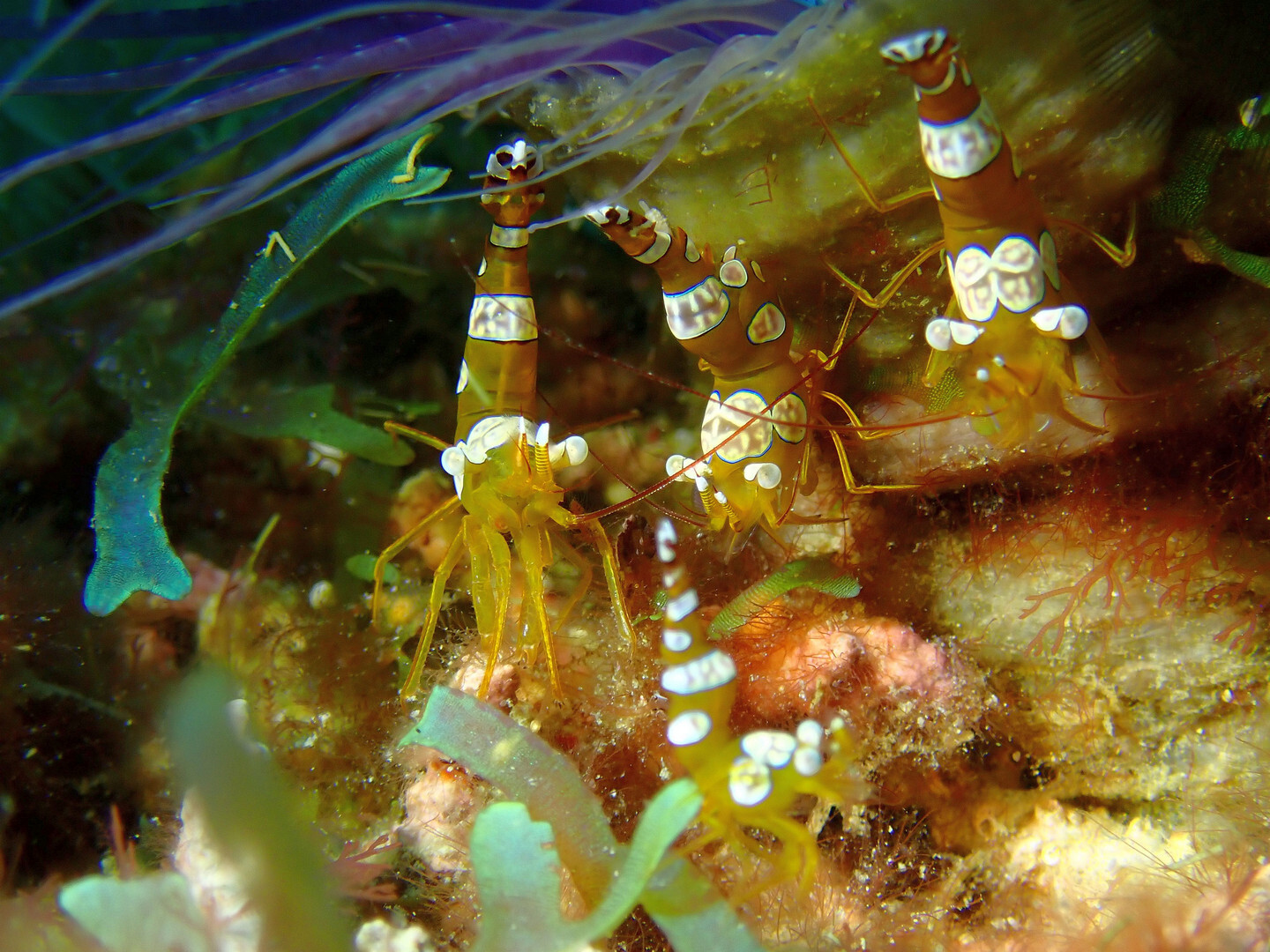

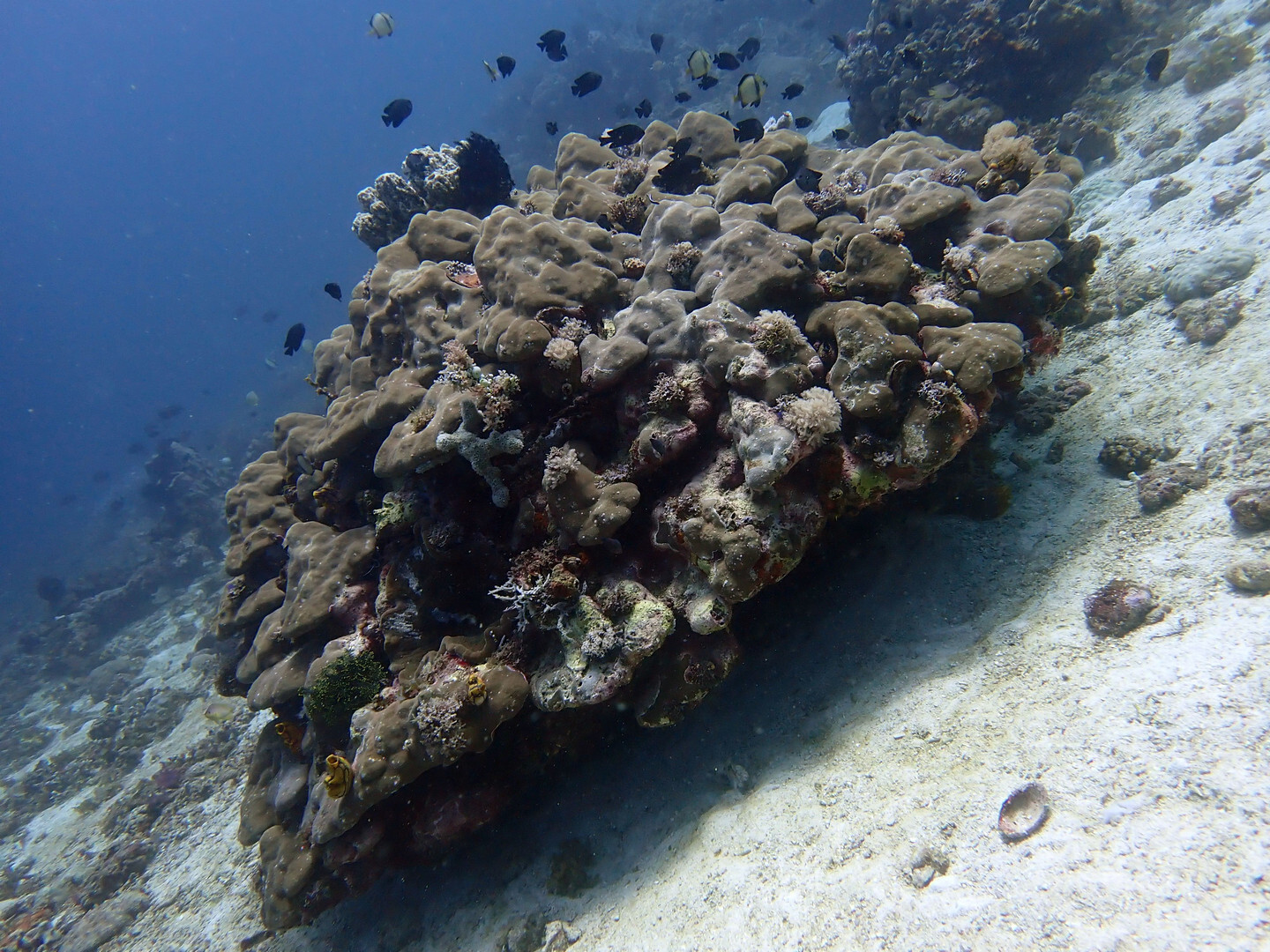
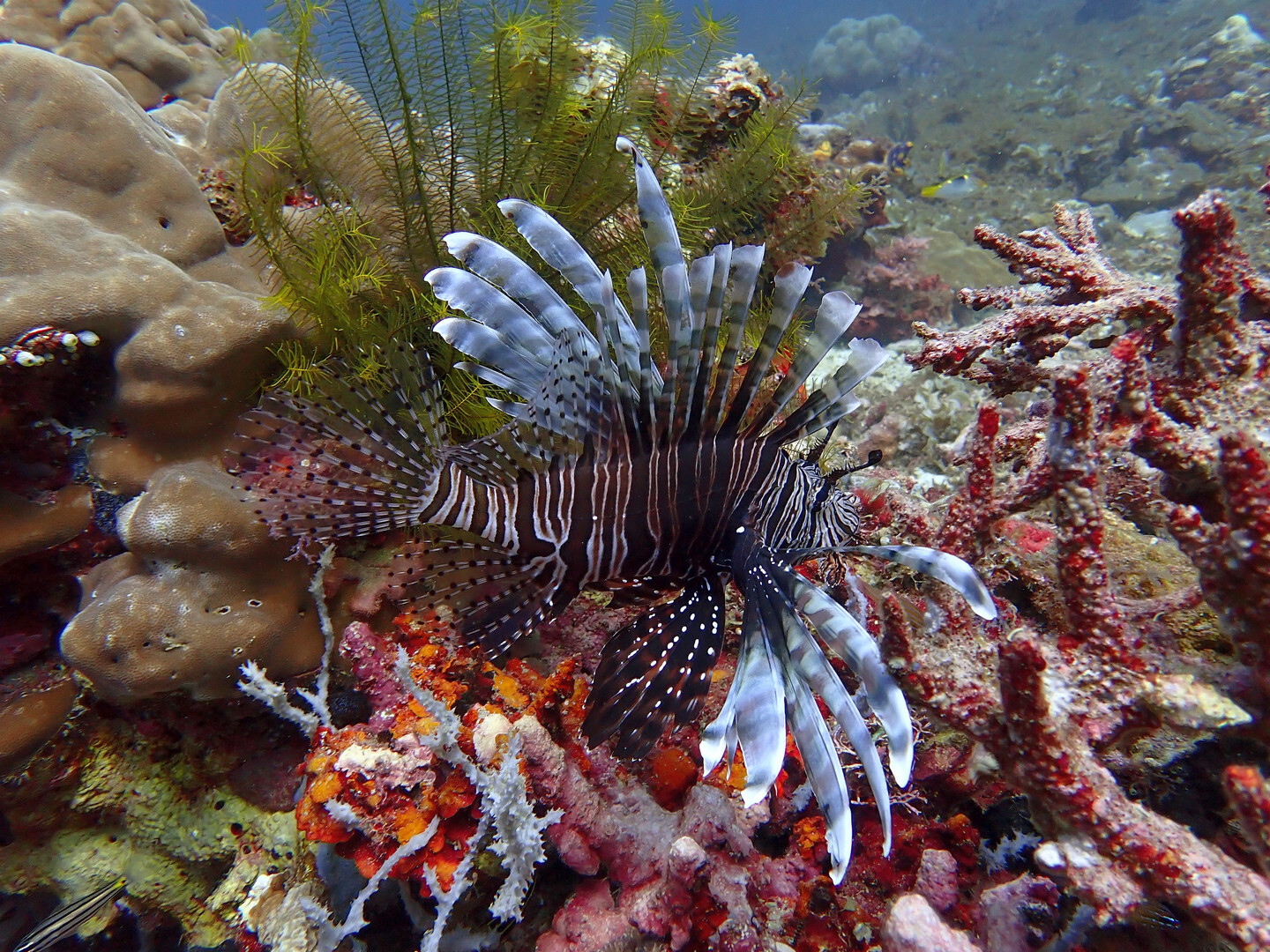
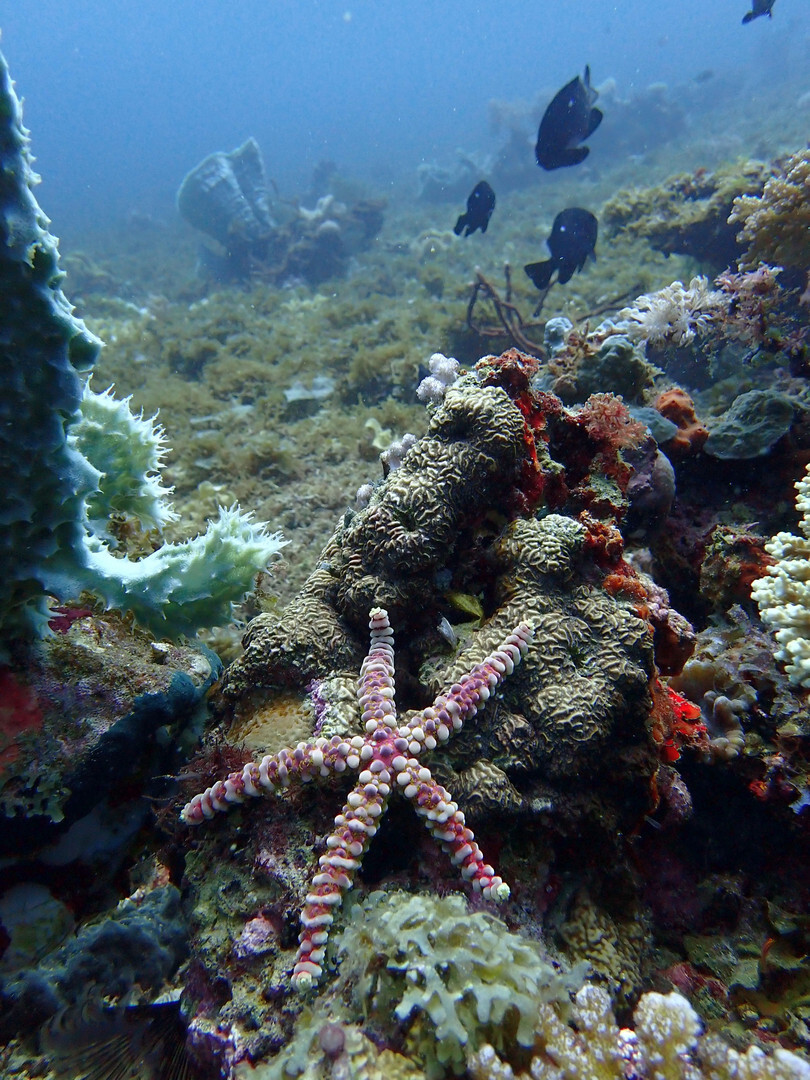
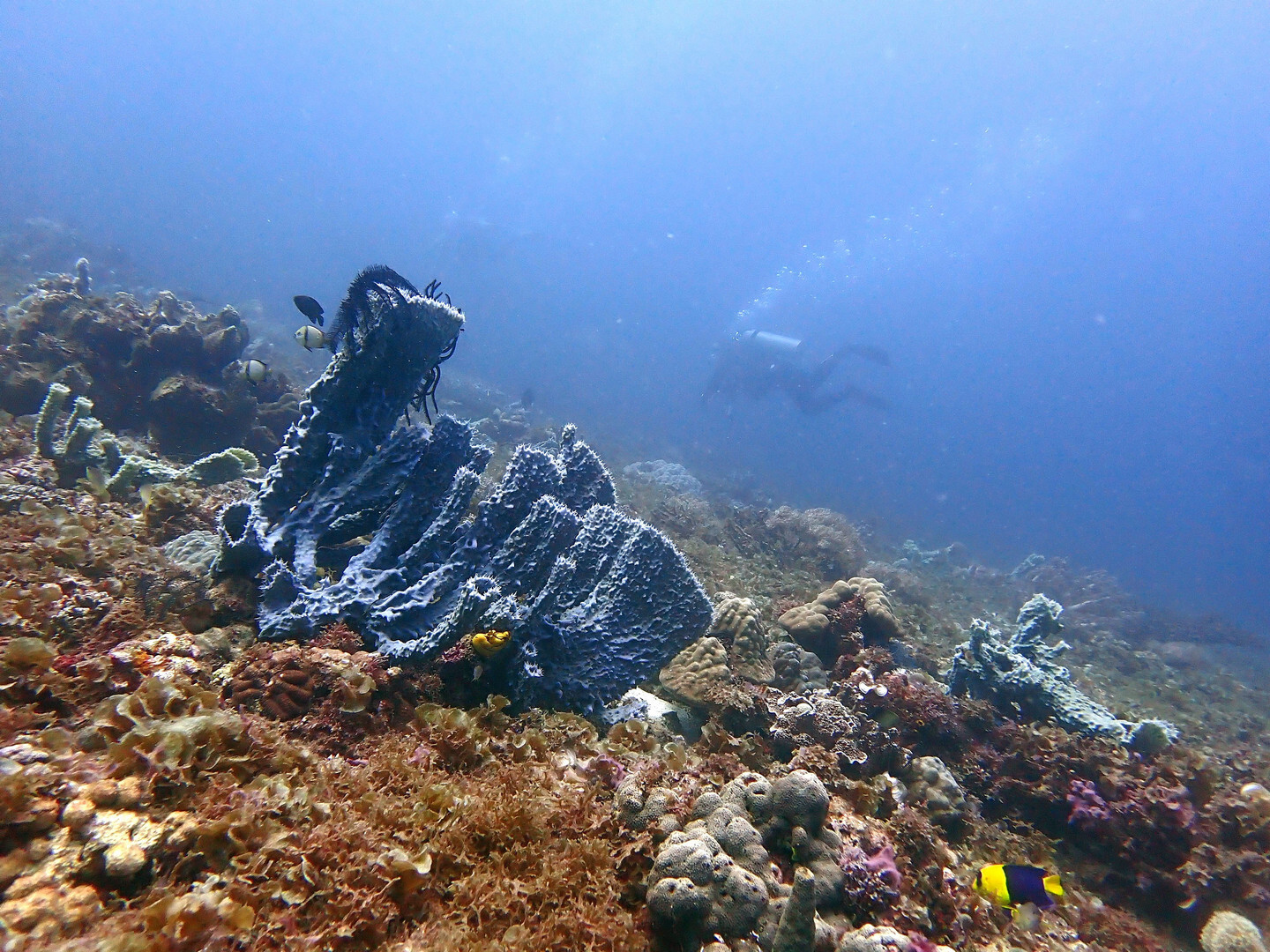
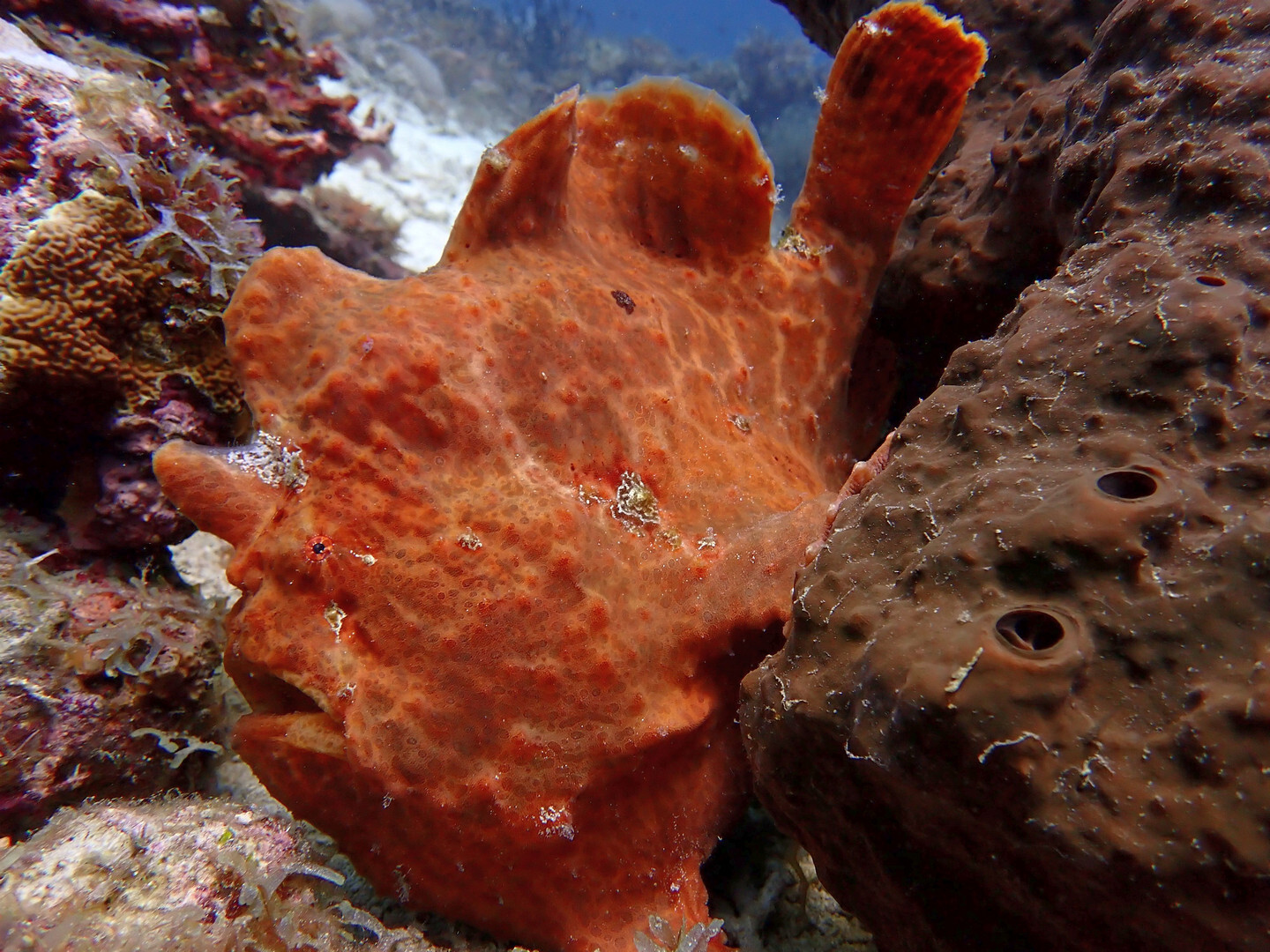
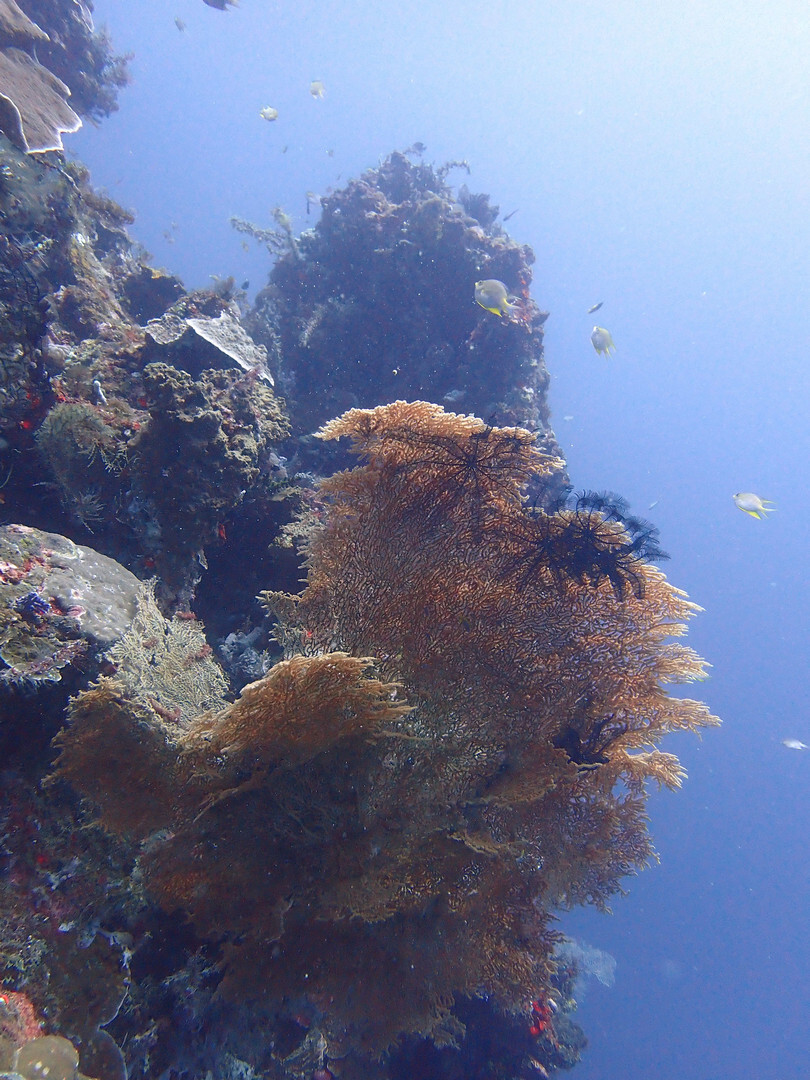
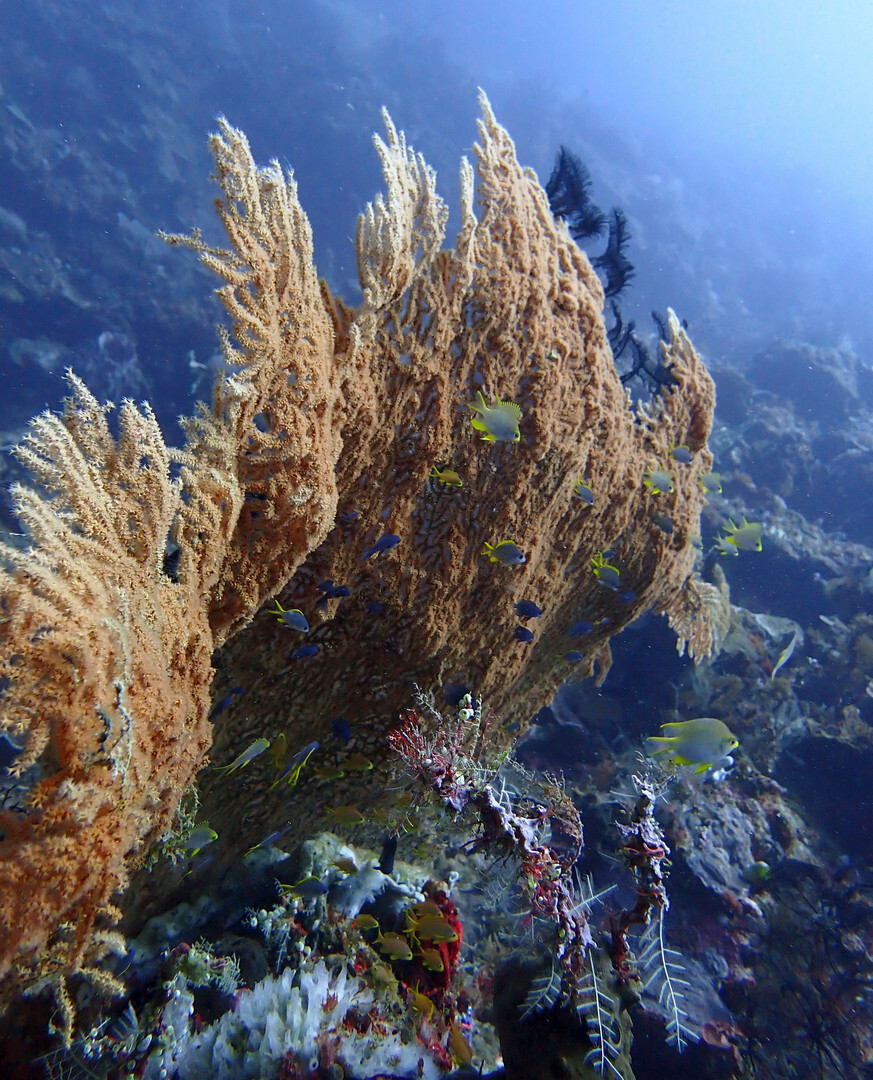
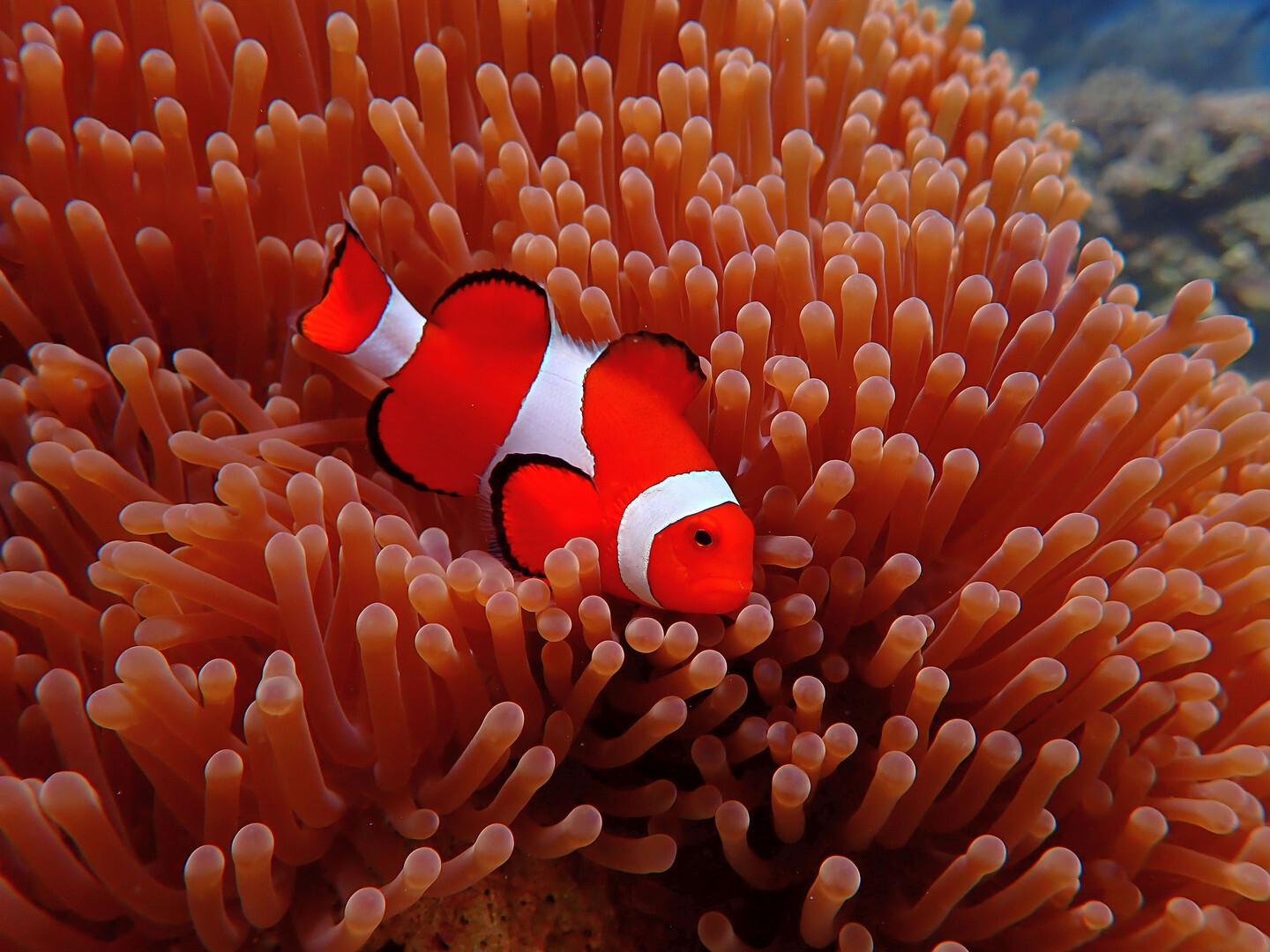
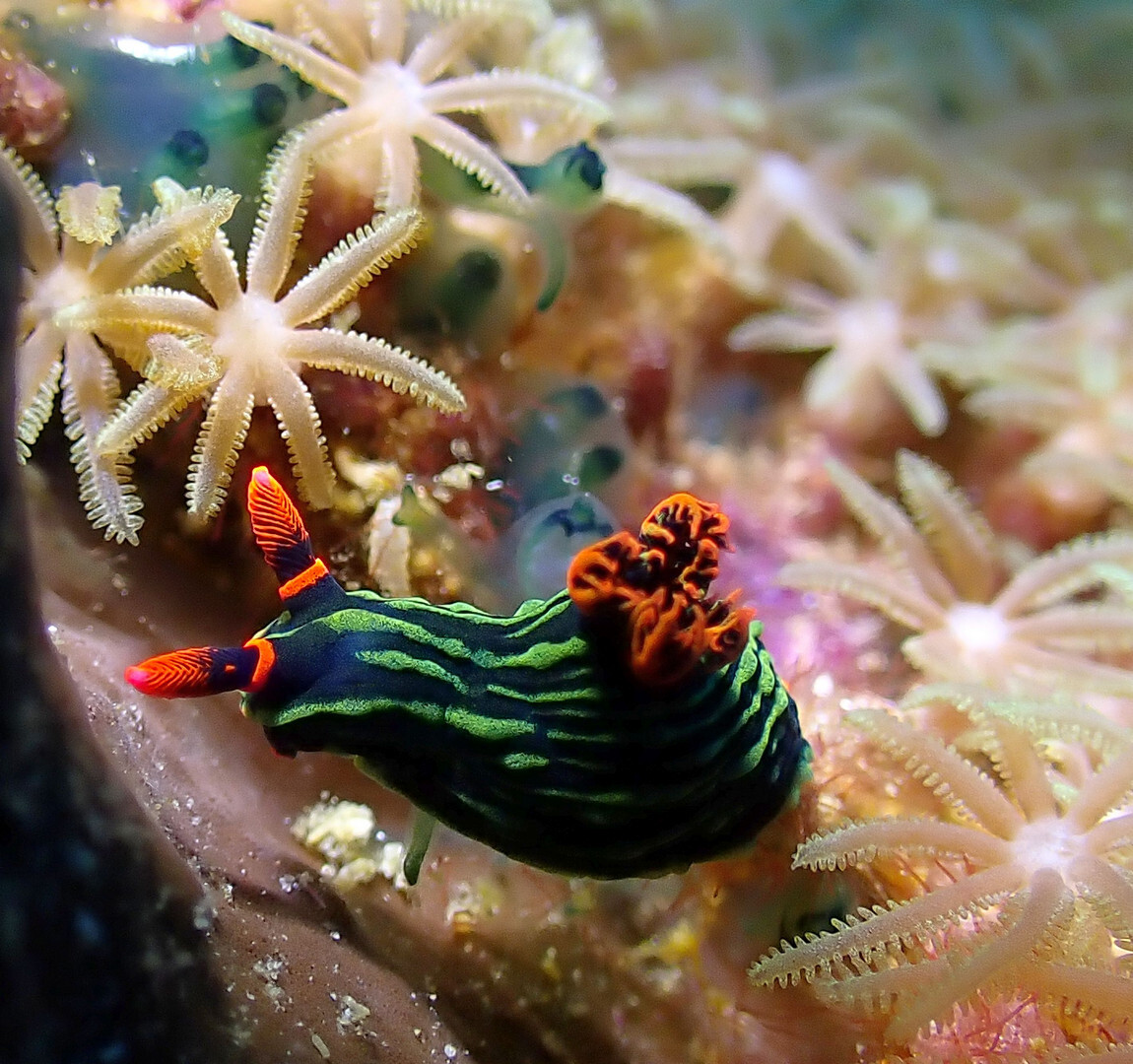
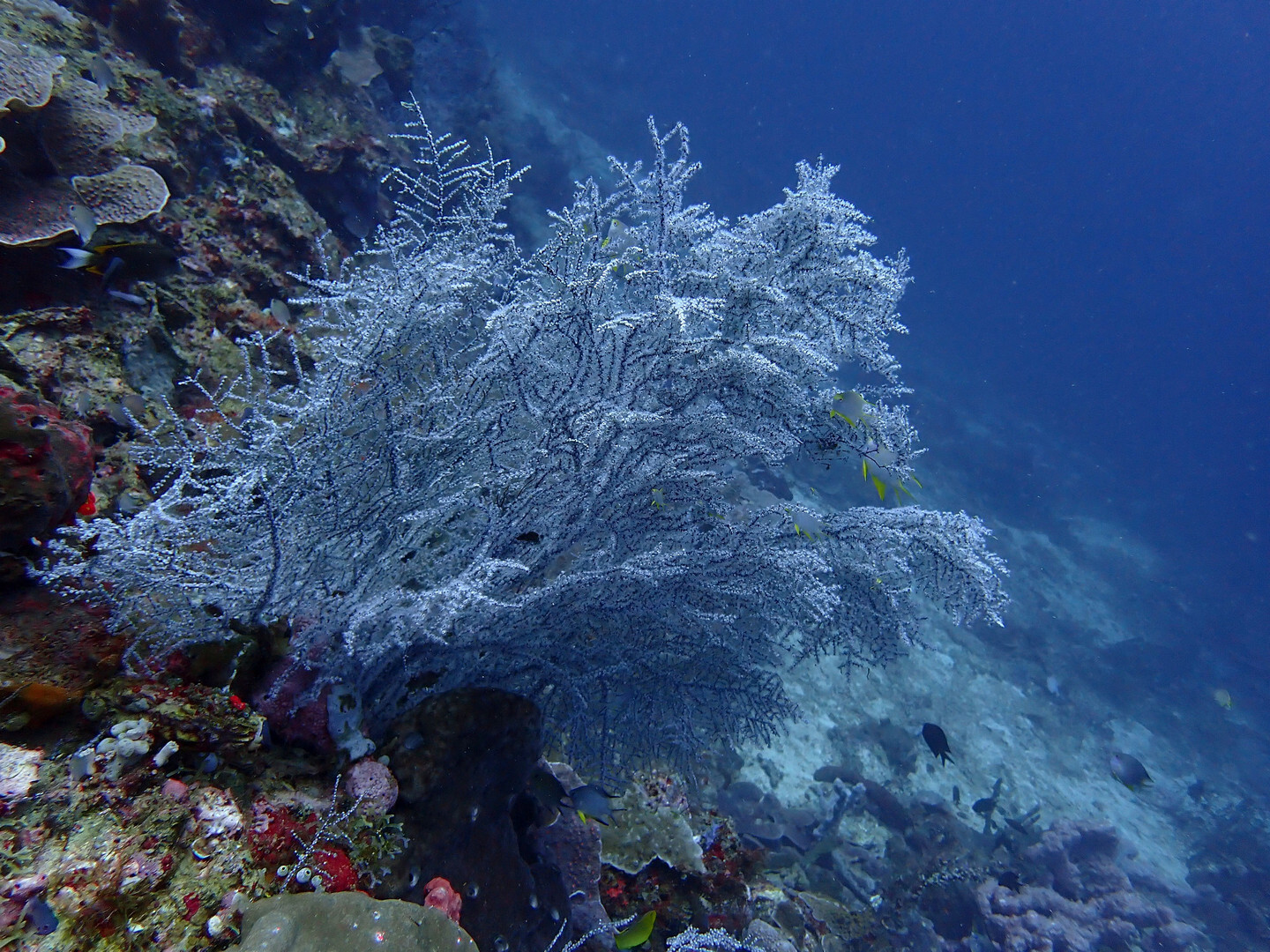
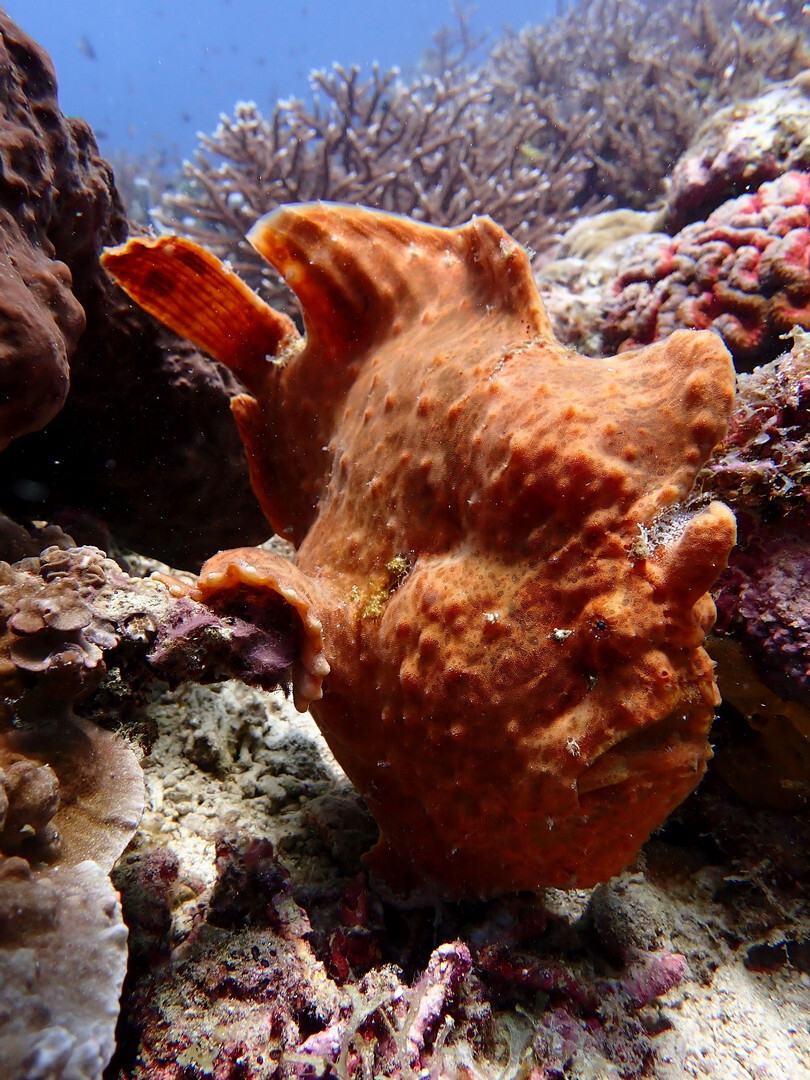
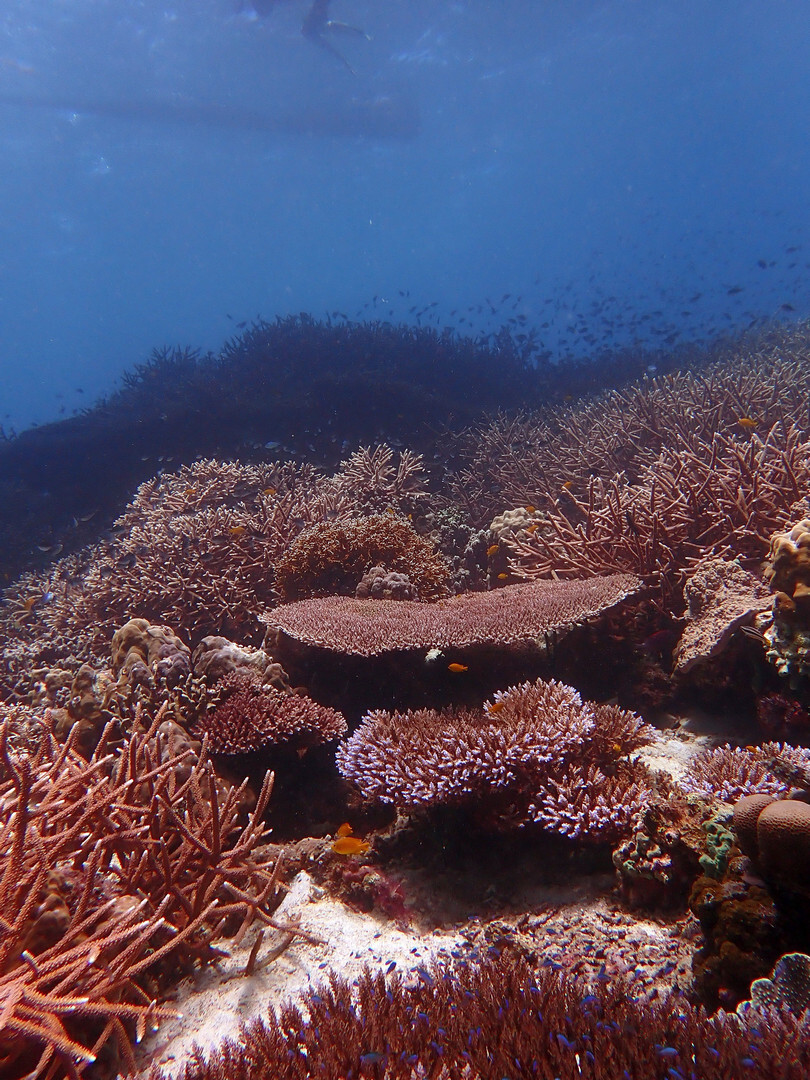
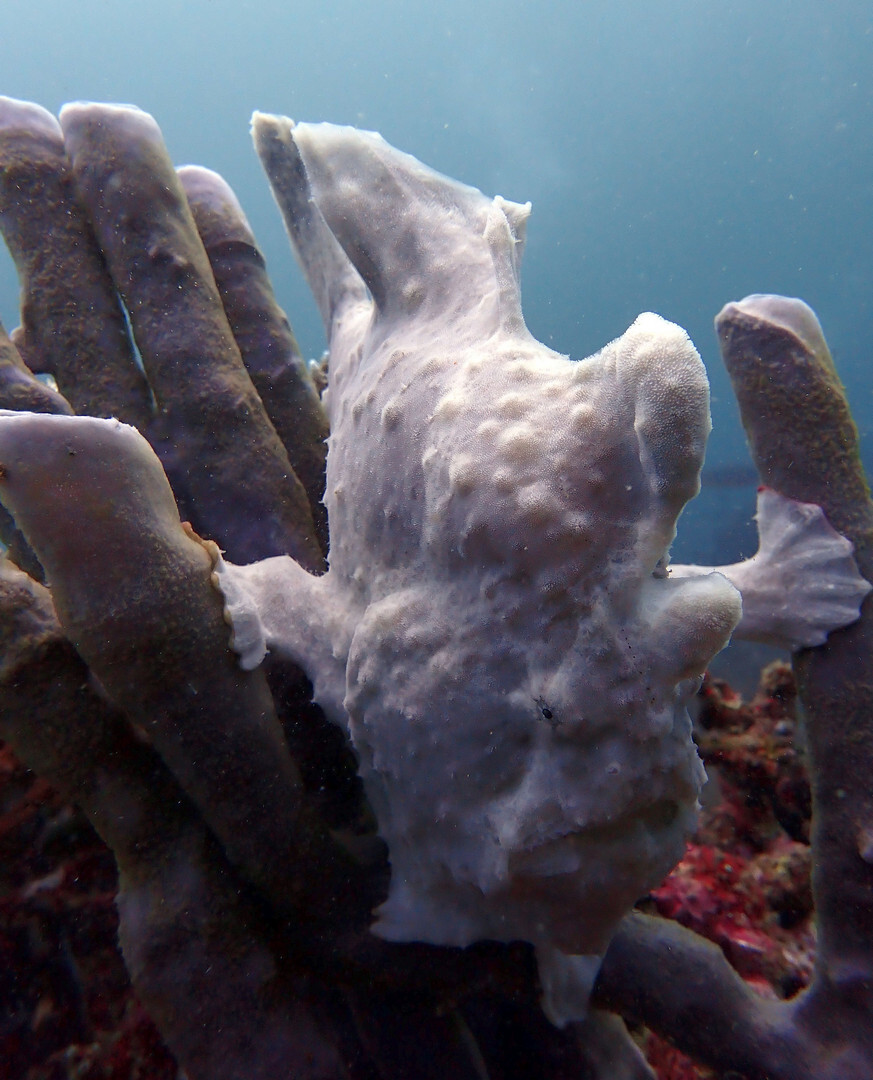
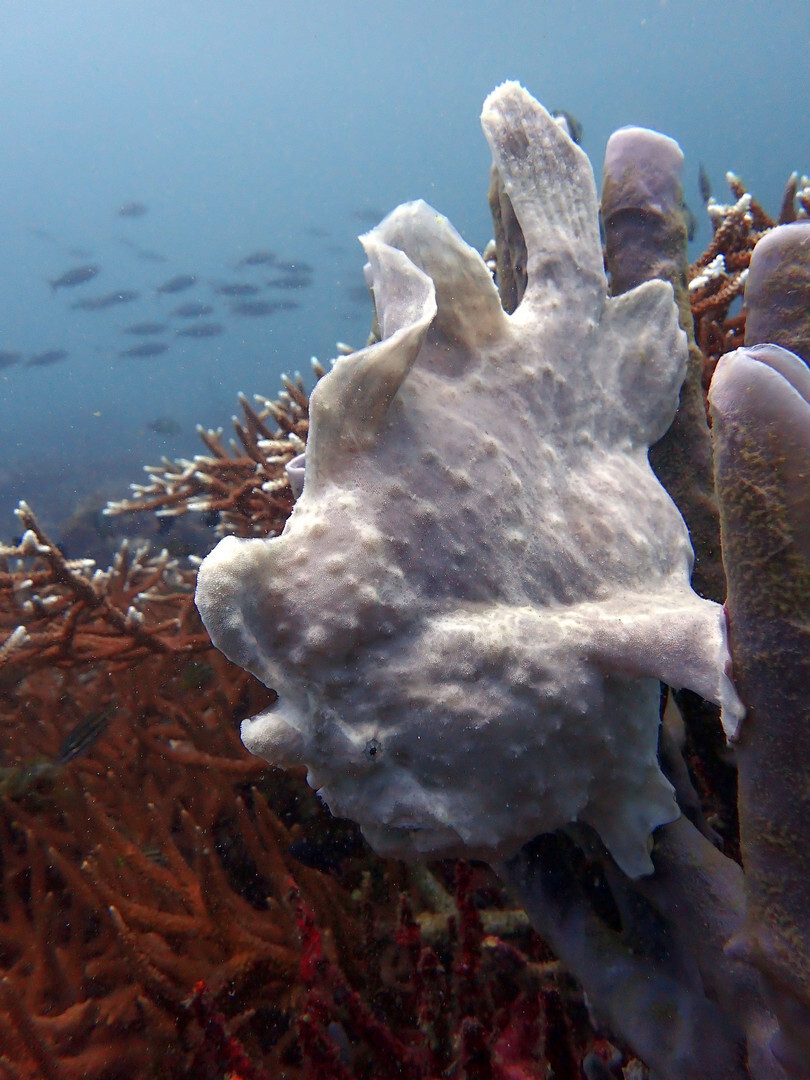
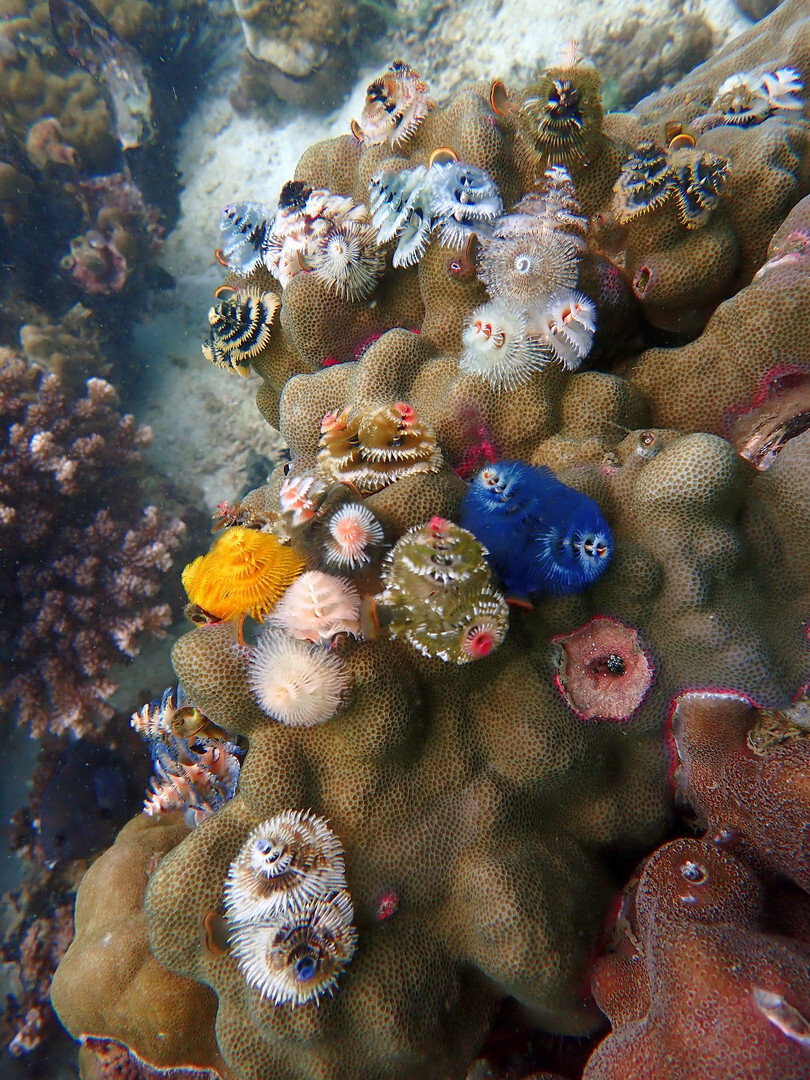
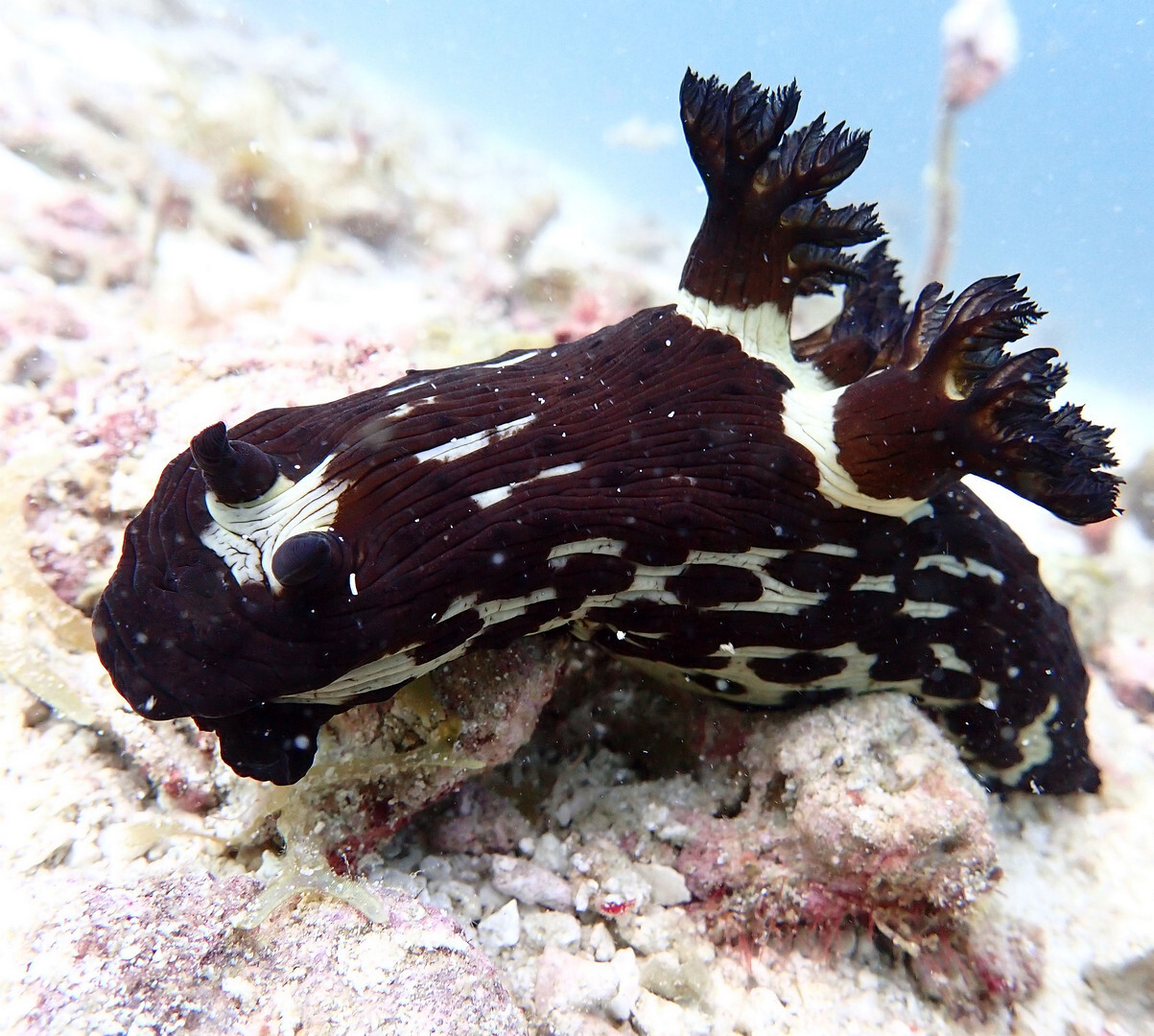
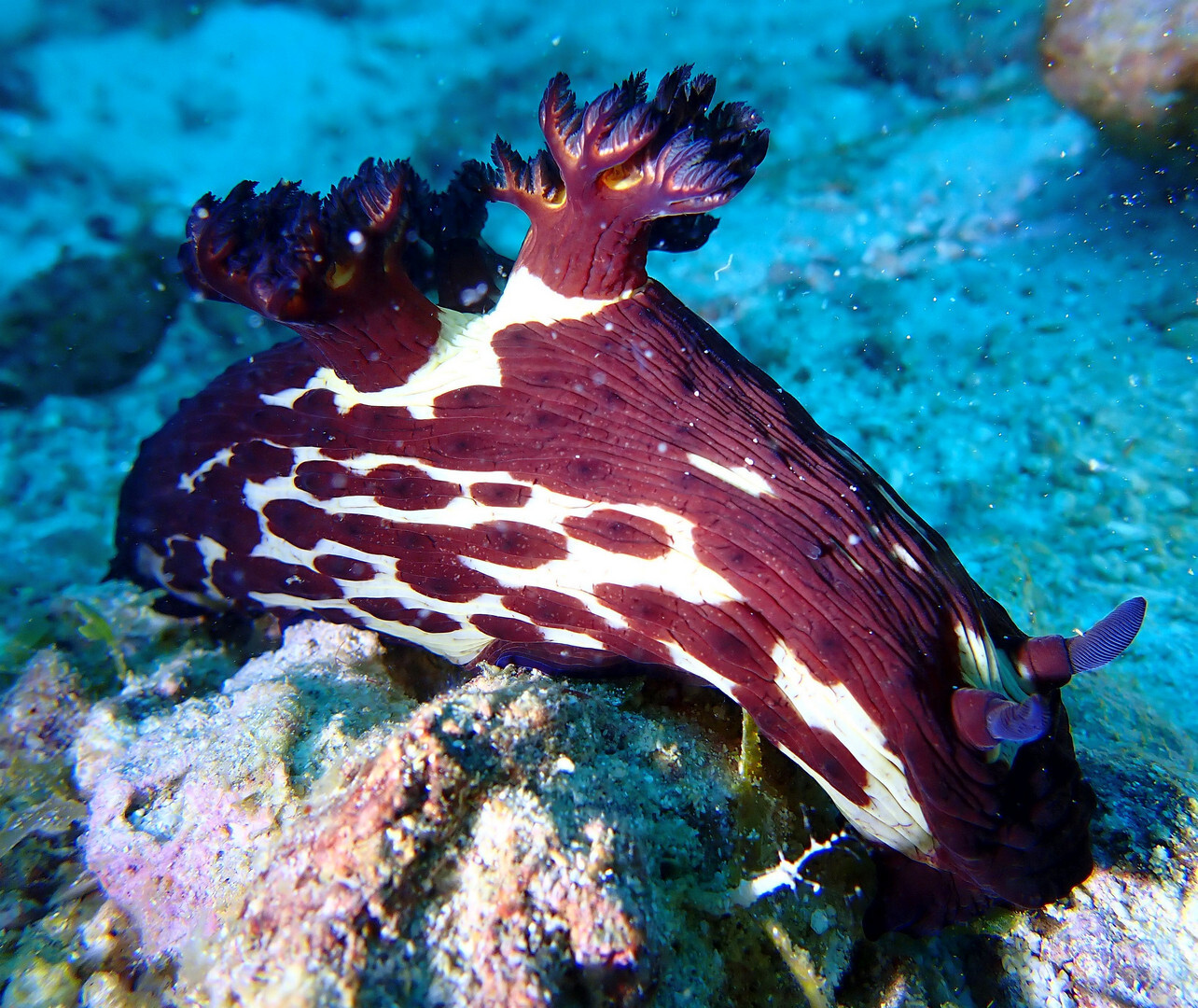
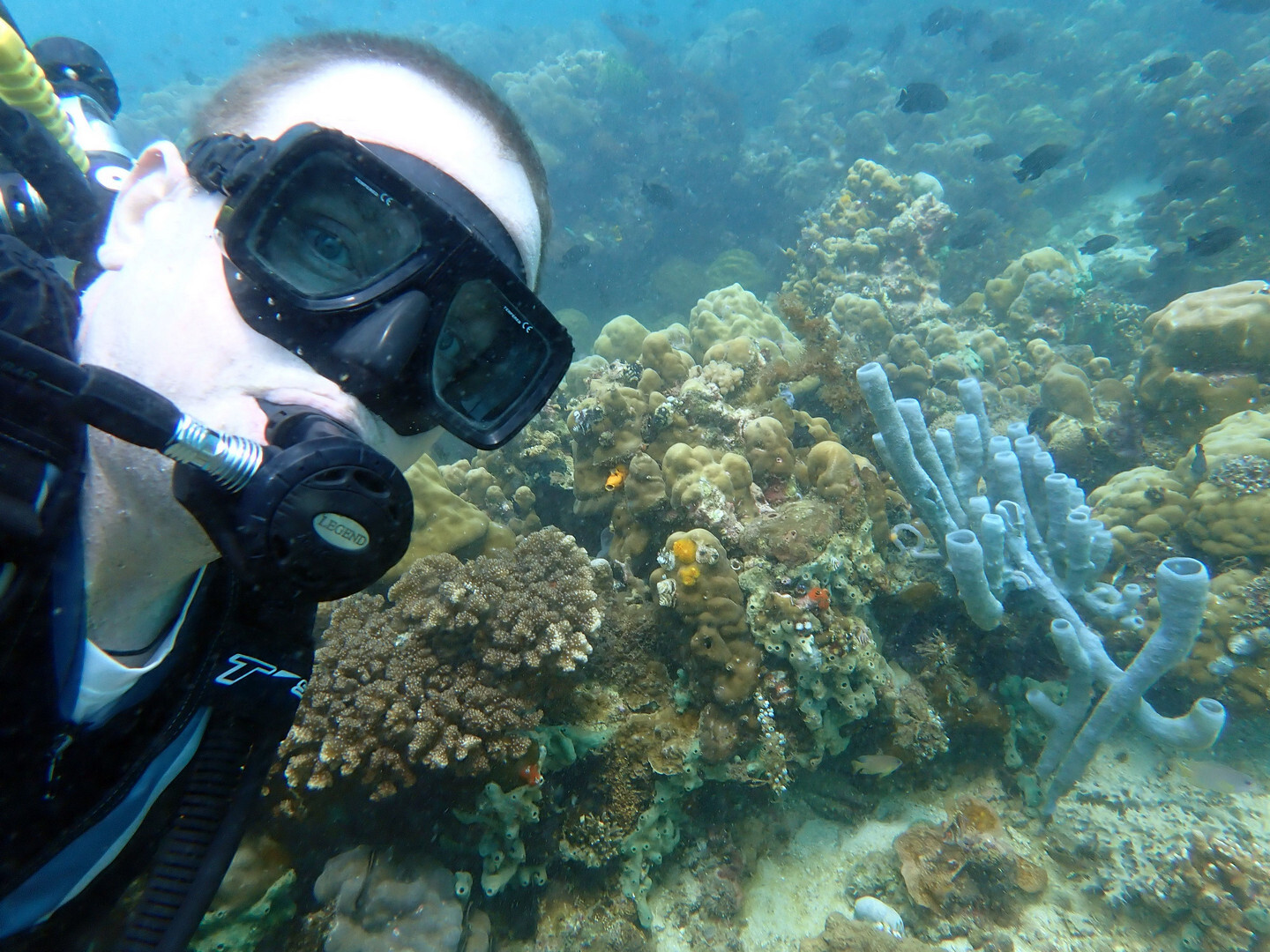
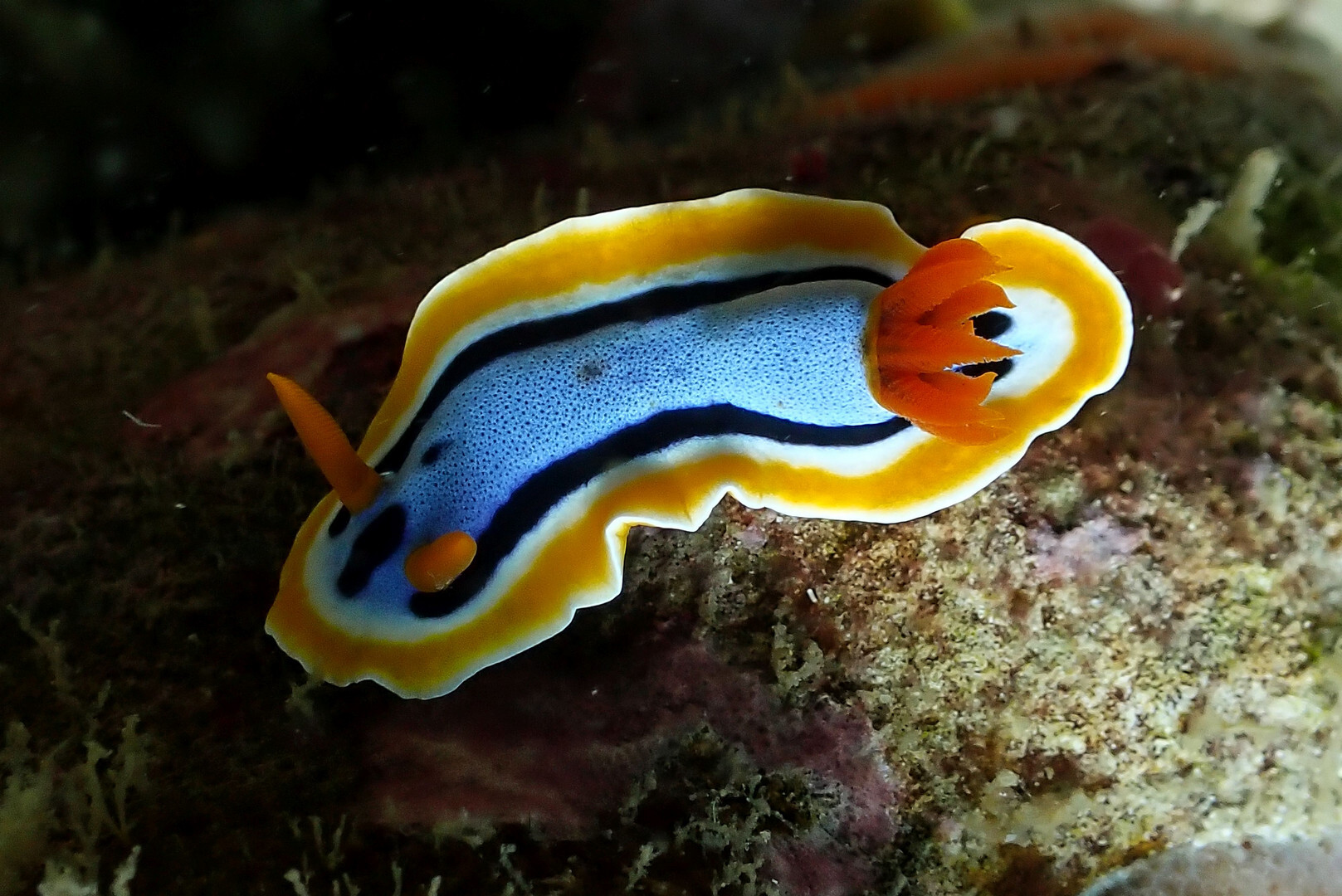
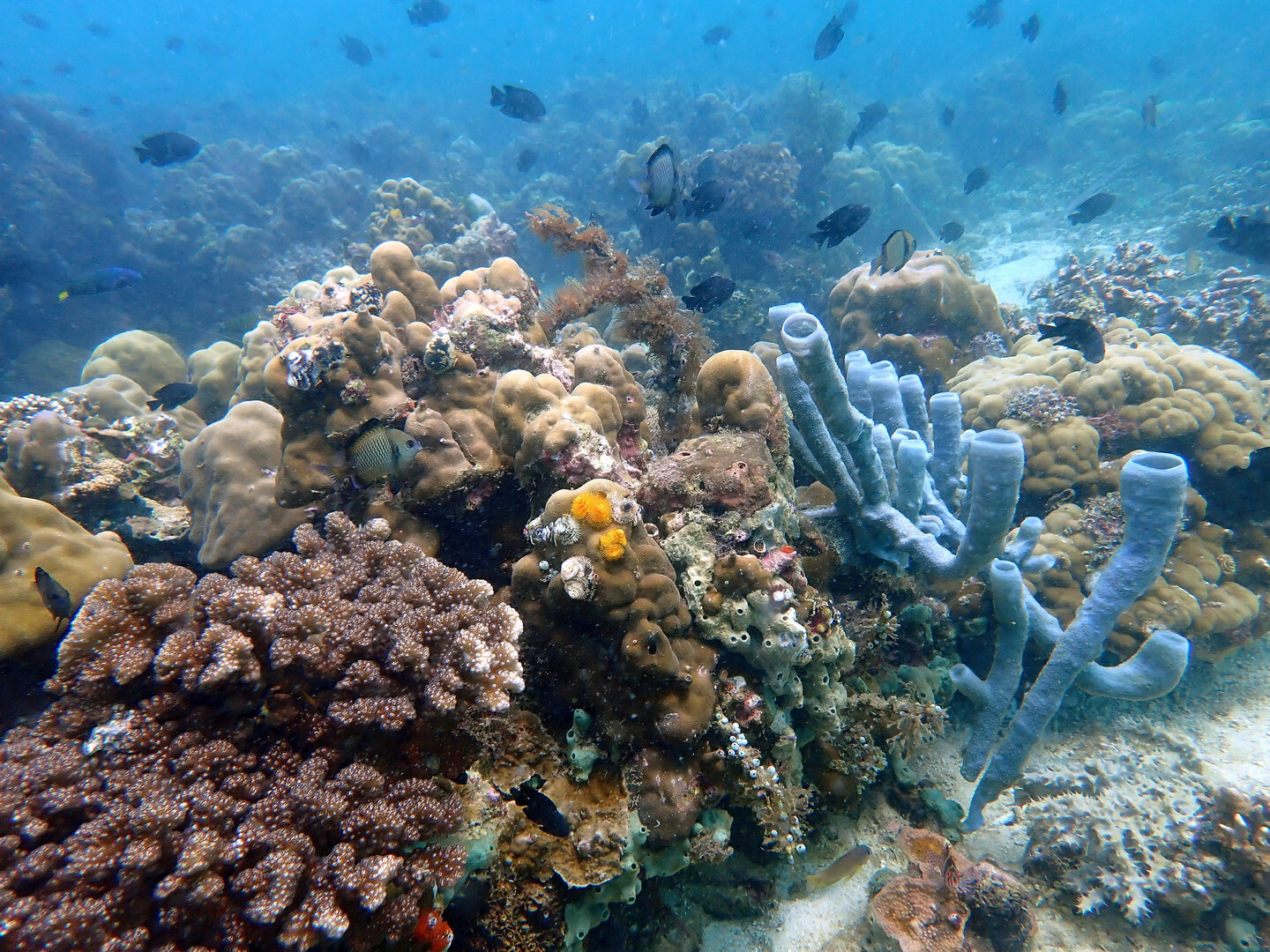


"New" dive site.
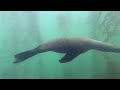
Saw damselfish, lots of clownfish, Kuhl's stingray, juvenile harlequin sweetlips, morays, peacock mantis shrimp, scorpionfish, hexagon(?) grouper, boxfish, hawksbill turtle