



 Crazyserver


 Spain
Spain
-
Nº16
 Date: 2013-08-04 - 14:15
-
 Max Depth: 24.7m Duration: 33mins
Pictures

No pictures for this dive
- Temp: Surf 29°C Bottom 15°C
- Dive type : Training, Deep dive, boat
- Visibility: Good Water: Salt
Specific gear used
- Regulator: Cressi Sub - Ellipse Balanced / MC 9 - SC
- Wet suit: Aqualung - Iceland 7 mm
- Weights: 6 kg
Recent Divers in Tossa De Mar
Recent Pictures in Tossa De Mar

Dive Shop & Buddies
 Dive with Cala Llevadó Diving Center
 Dive buddies:
Edu,
Pau,
Gemma
Dive buddies:
Edu,
Pau,
Gemma

Link to this spot:
- Spot:
- Country:
- Area:
- Body of water:
Dive Profile
- 1. Air
- 12L Steel 190 → 50 bar
- Average depth: 17.4m
Data provided by EOL.org

Species Identified
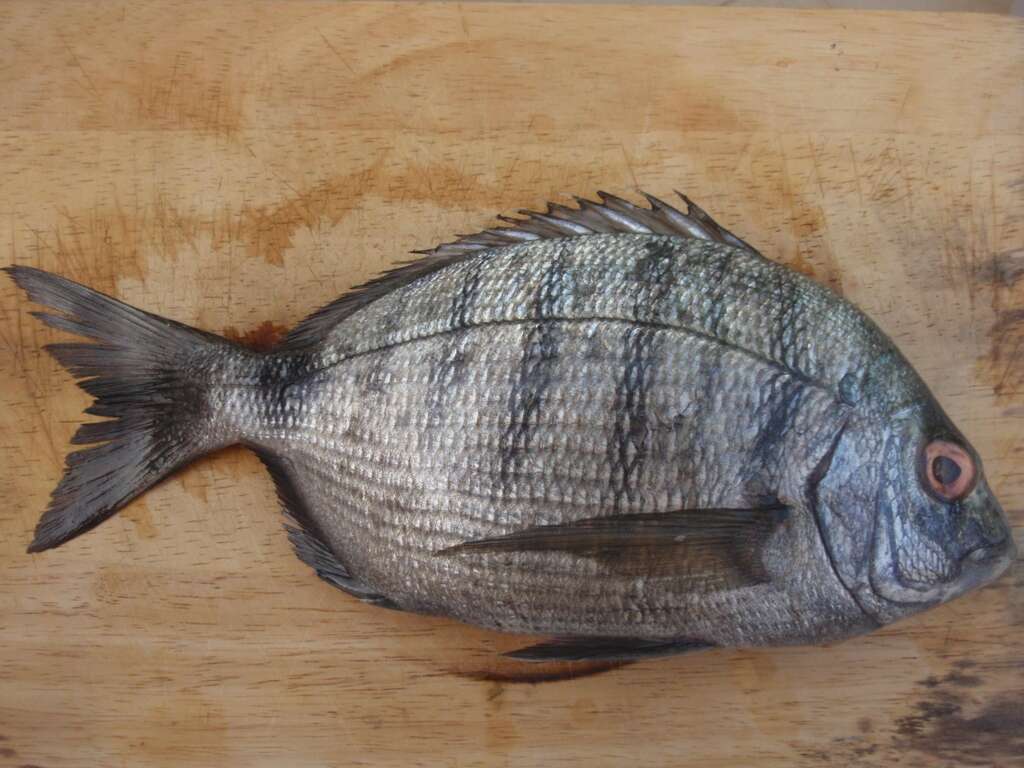
Diplodus vulgaris (Geoffroy Saint-Hilaire, 1817) (Common two-banded seabream)
A euryhaline species inhabiting rocky and sometimes sandy bottoms to depths of 160 m, but more commonly in less than 50 m. The young are sometimes found in seagrass beds. Adults feed on crustaceans, worms and mollusks . Important food fish.
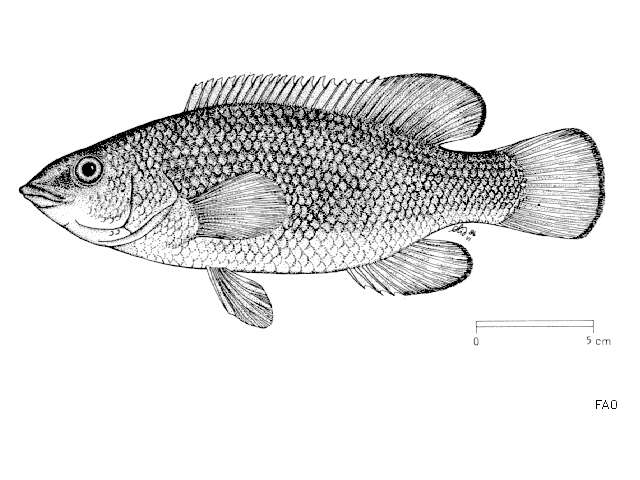
Symphodus tinca (Linnaeus, 1758) (painted wrasse)
Littoral, found near rocks mainly in eel-grass beds, sometimes in salty lagoons. Often gregarious. Nest of seaweed built and kept by male with one or more females spawning. Feed on sea urchins, ophiuroids, bivalves, shrimps and crabs . Rate of growth is slow . Undergoes sex reversal .
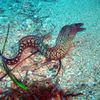
Muraena helena Linnaeus, 1758 (Mediterranean moray)
A nocturnal and territorial species , commonly lurking in holes, and writhing snakelike through crevices, under rocks or corals. Feeds on fish, crabs and squid . It seldom attacks unless provoked . A gonochoristic speci...
Read More
Read More
Labrus merula Linnaeus, 1758 (Cuckoo wrasse)
Found around rocks and seaweeds. Sometime schooling, more solitary when older. Feed on sea urchins, ophiuroids, mollusks, crabs and worms. Mature when 2 years old (15-20 cm). Spawn during February to May in western Mediterranean .
Scorpaena notata Rafinesque, 1810 (Small red scorpionfish)
Common in rocky littoral habitats. Feeds on crustaceans and small fishes . Flesh is tasty and used in making 'bouillabaisse' .
Apogon imberbis (Linnaeus, 1758) (Cardinal fish)
Occasionally forms schools; sometimes solitary. Inhabits muddy or rocky bottoms and caves. Feeds on small invertebrates and fishes . Oral brooding by males .
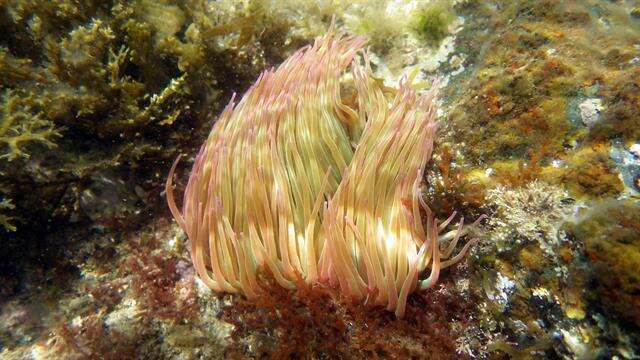
Anemonia viridis (Forskål, 1775) (Snakelocks anemone)
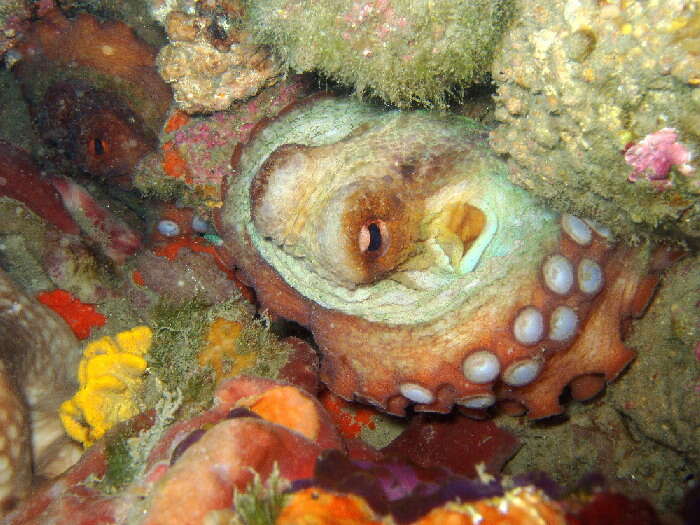
Octopus vulgaris Cuvier, 1797 (common octopus)
Like all cephalopods, the common octopus is an intelligent active predator . They have modified salivary glands that produce venom used to incapacitate prey. It is often easy to identify what a common octopus has been feed...
Read More
Read More
Bonellia viridis Rolando, L., 1821 ((German: Igelwurm))
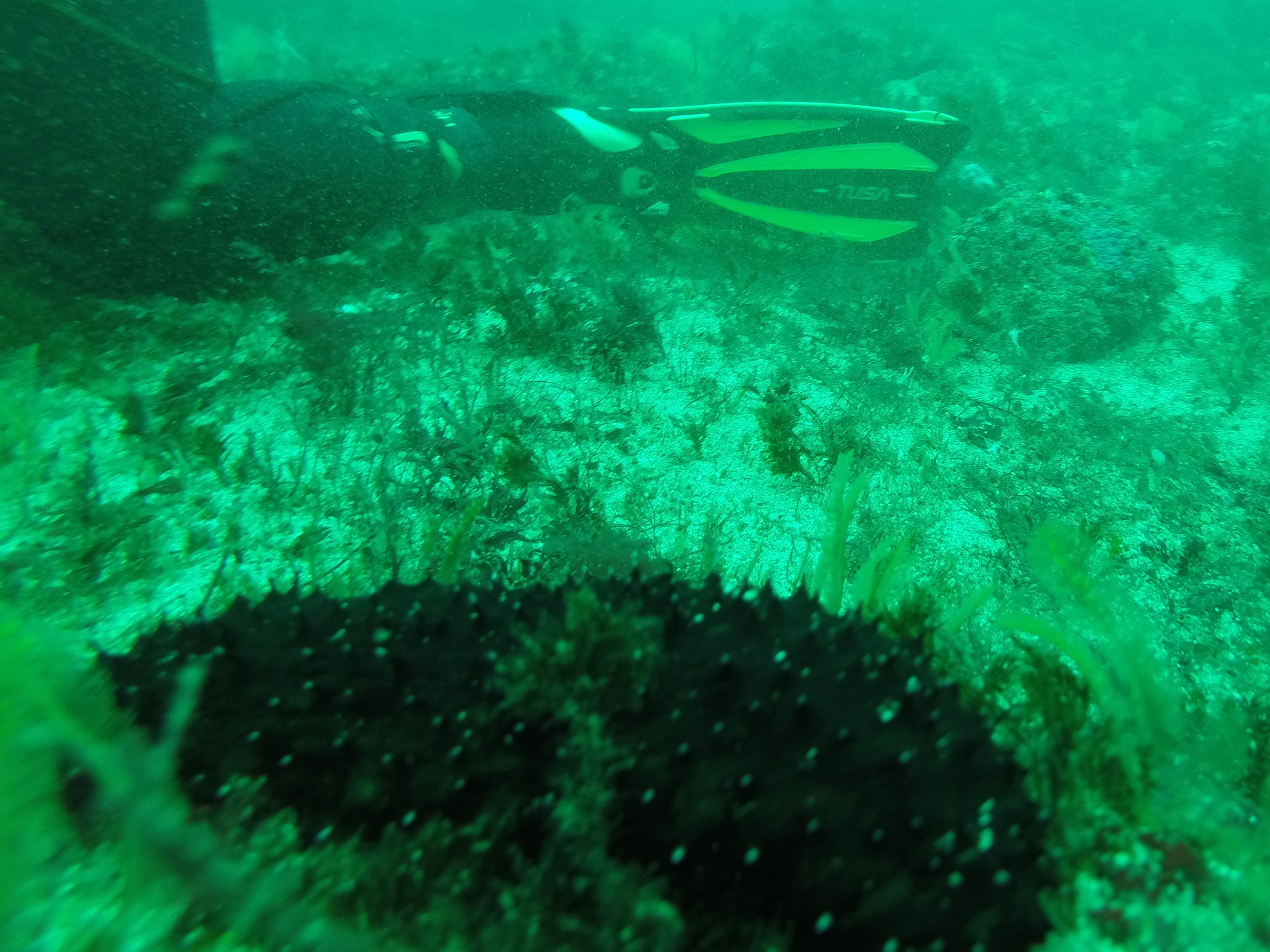
Holothuria forskali Chiaje, 1841
Echinaster sepositus (common starfish)
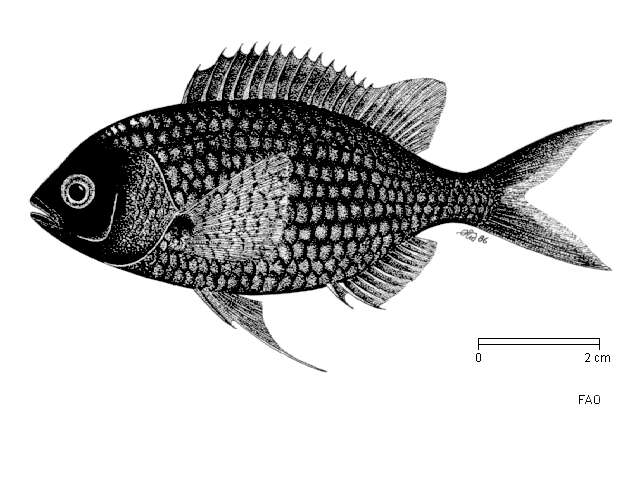
Chromis chromis (Linnaeus, 1758) (Mediterranean chromis)
Form small shoals in midwater above or near rocky reefs or above seagrass meadows (Posidonia. Feed on small planktonic or benthic animals . Reproduce in summer . Eggs characterised by adhesive filaments are nested on rocky or sandy bottoms . Males guard the eggs .
Diplodus sargus sargus (Linnaeus, 1758) (White seabream)
Inhabits coastal rocky reef areas and Posidonia oceanica beds. Like other sparids, it is very active and frequents the surf zone, primarily at dawn . Feeds on shellfish and other benthic invertebrates which it picks from the sediment .
Thalassoma pavo (Linnaeus, 1758) (Ornate wrasse)
Inhabits coastal waters near rocks and eel-grass beds. Usually solitary, sometimes in small groups. Feeds on small mollusks and crustaceans . Protogynous hermaphrodite, with distinct sexual dichromatism . Eggs are pelagic .
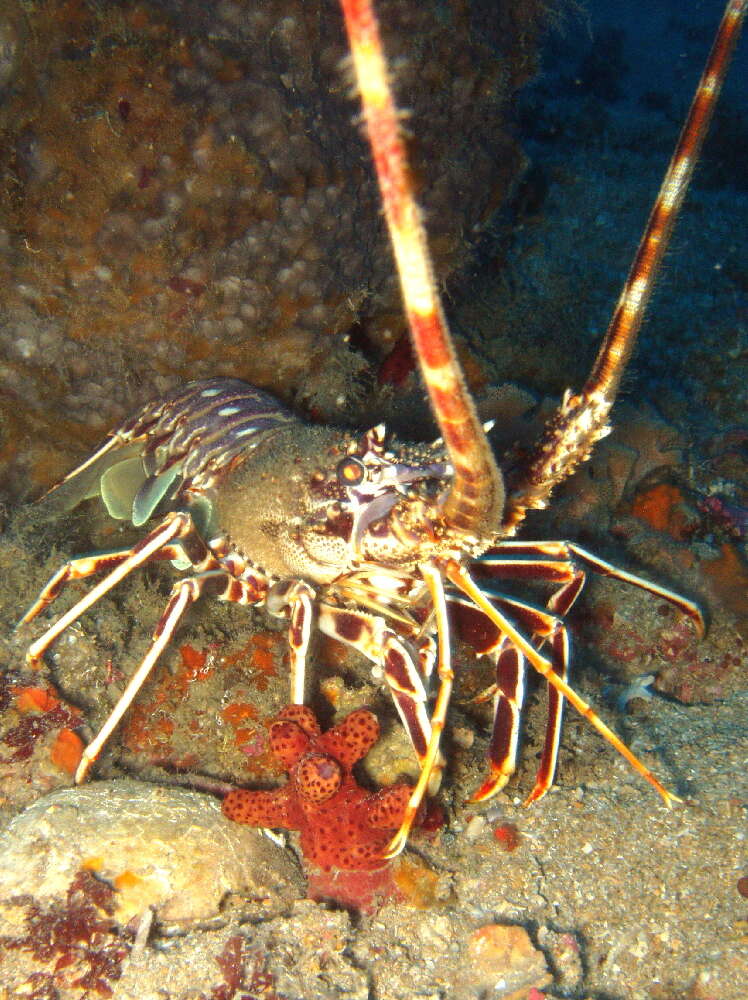
Palinurus elephas (Fabricius, 1787) (common spiny lobster)
Share on Social Networks
- Facebook:

personalize your shared text as well as its destination (wall, page...) or send as a private message to a friend
- Twitter: Tweet personalize your tweet
- Google Plus:
Direct link to this dive
- Long link:
- Short link:


 We are participating today in the startup contest Techcrunch Disrupt. Support Diveboard by voting for us!
























































































