


 Daniel Skorstad


 Thailand
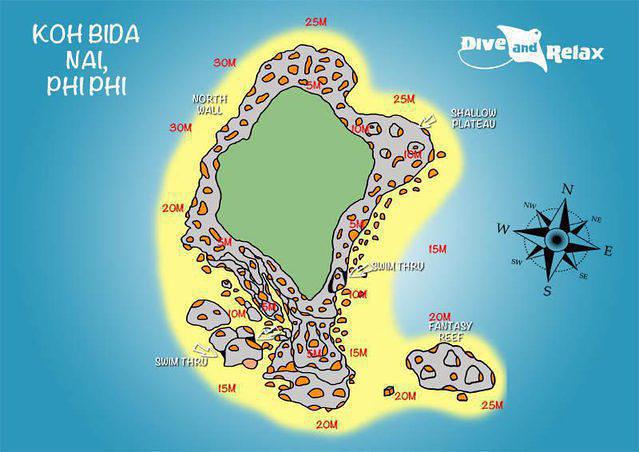
-
Nº9
 Date: 2016-12-16 - 13:11
-
 Max Depth: 14m Duration: 35mins
Dive Location

- Temp: Surf 30°C
- Dive type : Training, Peak Perfomence Bouyance
- Visibility: Good Water: Salt
Dive reviews
| Overall review | ||
| Dive difficulty | ||
| Marine life quality |
Recent Divers in Koh Phi Phi
Recent Pictures in Koh Phi Phi
Dive Shop & Buddies
 Dive with Kon Tiki Krabi Co., Ltd
 Dive buddies:
Mette Skorstad

Link to this spot:
- Spot:
- Country:
- Area:
- Body of water:
Dive Profile
- 1. Air
- 15L Aluminium 200 → 50 bar
- Average depth: 9.3m
Data provided by EOL.org


Species Identified
Laticauda colubrina SCHNEIDER 1799 (Colubrine or yellow-lipped sea krait)
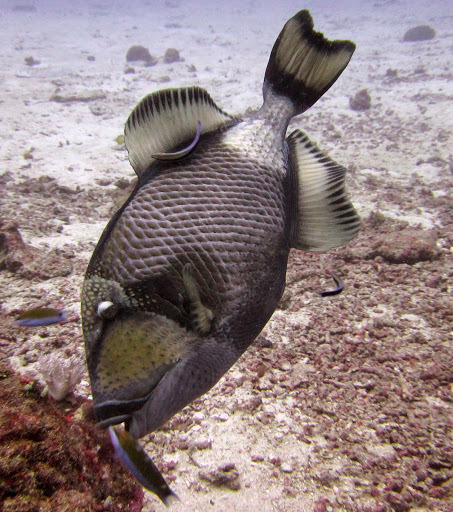
Balistoides viridescens (Bloch and Schneider, 1801) (Titan triggerfish)
Occur in lagoon, seaward reefs and sheltered inner reef slopes . Juveniles often associated with isolated patches of branching coral or rubble of shallow sandy protected areas. Adults occur singly or in pairs on the slo...
Read More
Read More
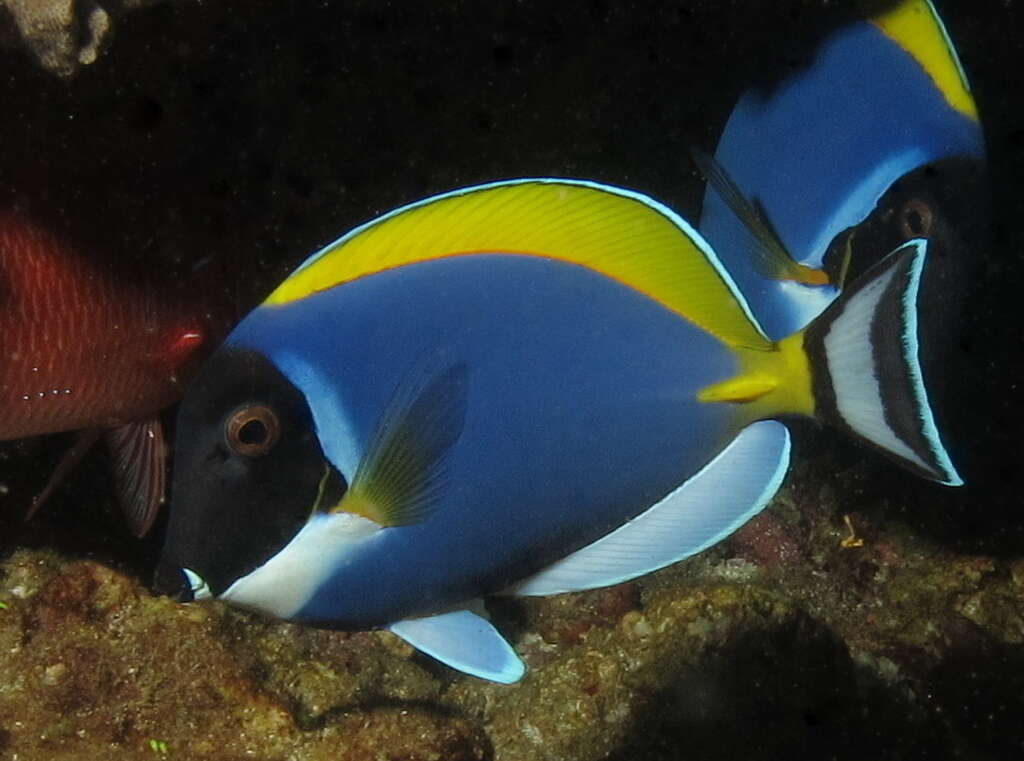
Acanthurus leucosternon Bennett, 1833 (Powderblue surgeonfish)
Inhabits shallow, clear coastal and island coral reefs . Usually found on reef flats and along upper seaward slopes . May occur singly or in large feeding aggregations. Monogamous . Feeds on benthic algae; on small, sp...
Read More
Read More
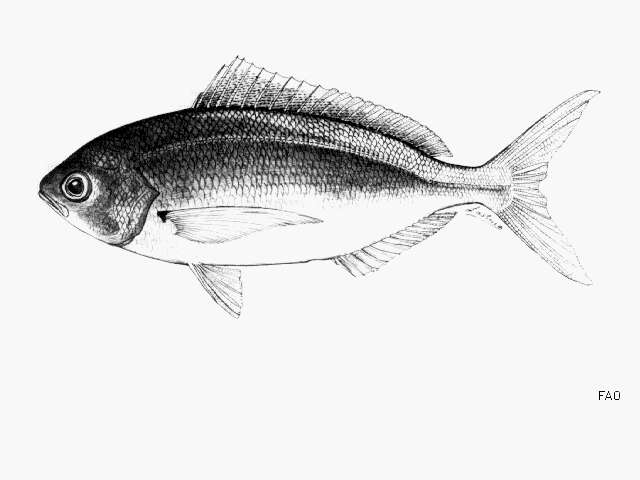
Caesio teres Seale, 1906 (Yellow and blueback fusilier)
Found primarily around coral reefs, with a preference for coralline lagoons. Feeds on zooplankton in large midwater groups. Forms schools with other caesionids. Migrates to select areas around the reef to spawn near the...
Read More
Read More
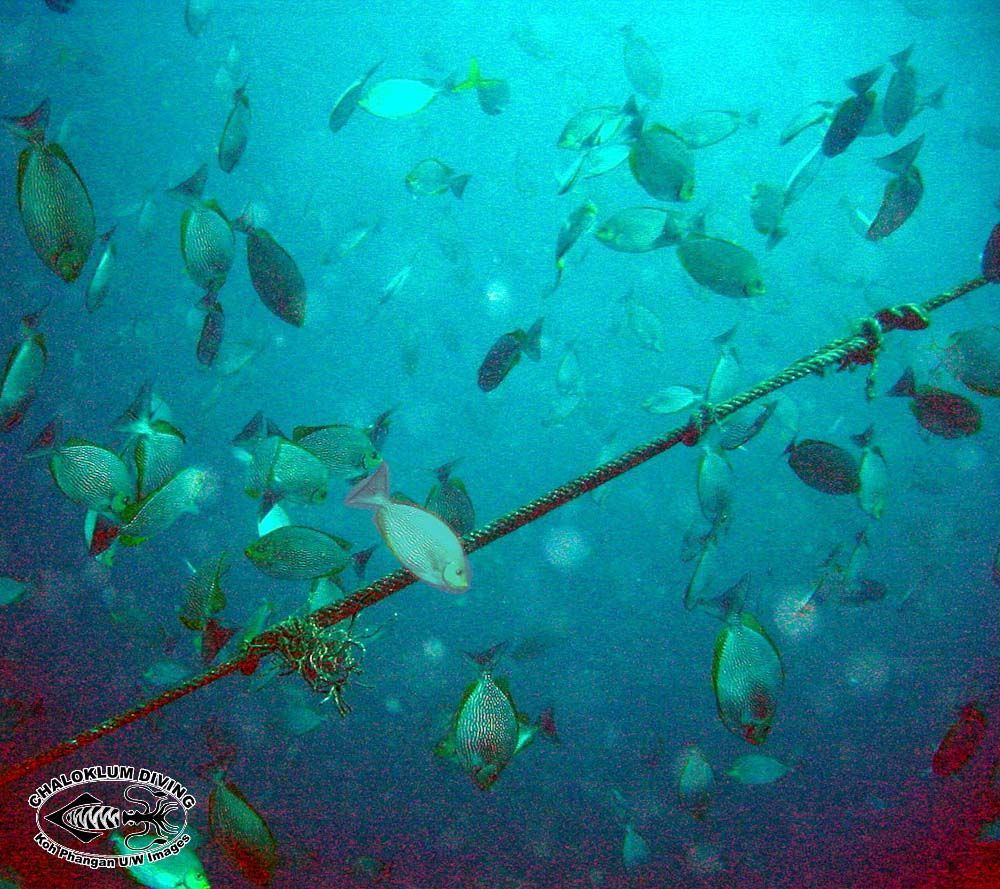
Siganus javus (Linnaeus, 1766) (Streaked spinefoot)
Occurs in small schools of up to 10 individuals or so, in shallow coastal waters, brackish lagoons and rocky or coral reefs. Feeds on algae attached to the substrate and on floating algal fragments. Found resting in midwater at depths of 2 to 6 m when not feeding. Marketed fresh .
Plectorhinchus chaetodonoides Lacepède, 1801 (Harlequin sweetlips)
Inhabits coral-rich areas of clear lagoon and seaward reefs. Adults are solitary, near and under ledges or caves by day. Juveniles are found among corals . Feeds on crustaceans, mollusks, and fishes at night. Juveniles...
Read More
Read More
Share on Social Networks
- Facebook:

personalize your shared text as well as its destination (wall, page...) or send as a private message to a friend
- Twitter: Tweet personalize your tweet
- Google Plus:
Direct link to this dive
- Long link:
- Short link:


 We are participating today in the startup contest Techcrunch Disrupt. Support Diveboard by voting for us!
























































































