



 Darkhelgi


 Israel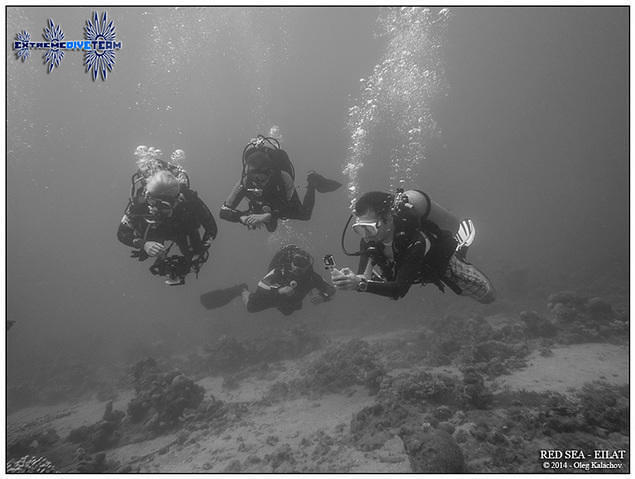
-
Nº170
 Date: 2014-09-12 - 10:09
-
 Max Depth: 22m Duration: 54mins
Dive Location

- Surface interval:0 mins
- Temp: Surf 32°C Bottom 26°C
- Dive type : Training, Photo
- Visibility: Average Water: Salt
Specific gear used
- BCD: Halcyon - Infinity
- Camera: Canon - S120
- Computer: Tabata / Tusa - Element 2
- Regulator: Tabata / Tusa -
- Fins: Scuba Pro - JetFins
- Compass: Uwatec -
- Wet suit: Sepa - 5mm
- Boots: Zeagle - 5mm
- Knife: EasyCut -
- Mask: Aqualung - Favola
- Weights: 8 kg
Dive reviews
| Overall review | ||
| Dive difficulty | ||
| Marine life quality |
Recent Divers in Red Sea - Eilat
Recent Pictures in Red Sea - Eilat

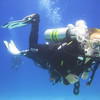
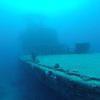
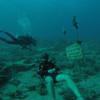
Dive Shop & Buddies
 Dive with Snuba
 Dive buddies:
Anna Shvab,
Иван Колганов,
Eran Marom,
Yosef Vishnevkin,
Evgeny Razhev
Dive buddies:
Anna Shvab,
Иван Колганов,
Eran Marom,
Yosef Vishnevkin,
Evgeny Razhev

Link to this spot:
- Spot:
- Country:
- Area:
- Body of water:
Dive Profile
- 1. Air
- 12L Aluminium 200 → 50 bar
- Average depth: 14.7m
Data provided by EOL.org





Species Identified
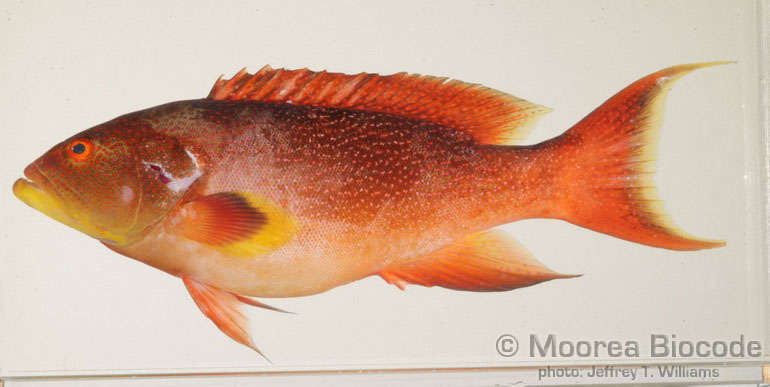
Variola louti (Forsskål, 1775) (lunartailed rockcod)
Usually seen in clear-water areas at depths below 15 m, and prefers islands and offshore reefs rather than continental shores. Feeds mainly on fishes, and on crabs, shrimps and stomatopods. It is highly appreciated for t...
Read More
Read More
Gymnothorax flavimarginatus (Rüppell, 1830) (Yellow-edged moray)
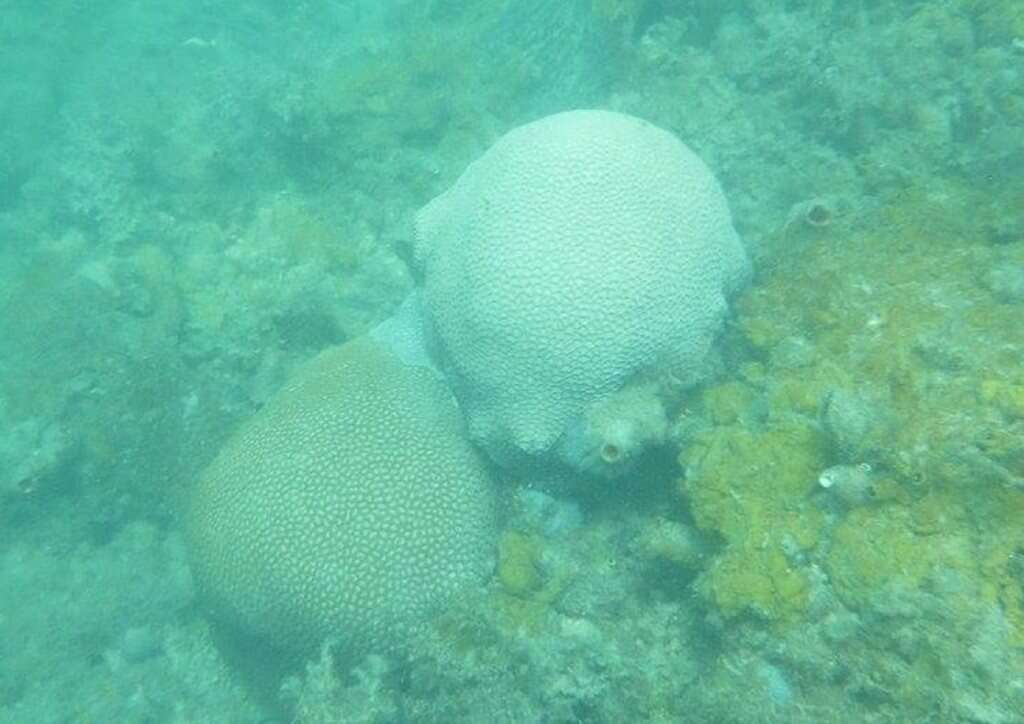
Favites flexuosa (Dana, 1846) (Larger star coral)
zooxanthellate
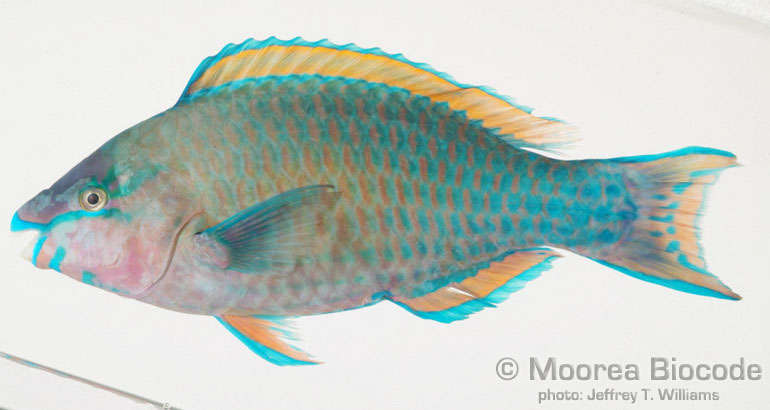
Scarus psittacus Forsskål, 1775 (Common parrotfish)
Inhabit reef flats and lagoon and seaward reefs to at least 25 m depth . Found over corals . Benthopelagic . Initial-phase fish stage usually form small feeding schools . Graze on benthic algae . Secrete a mucus cocoon .
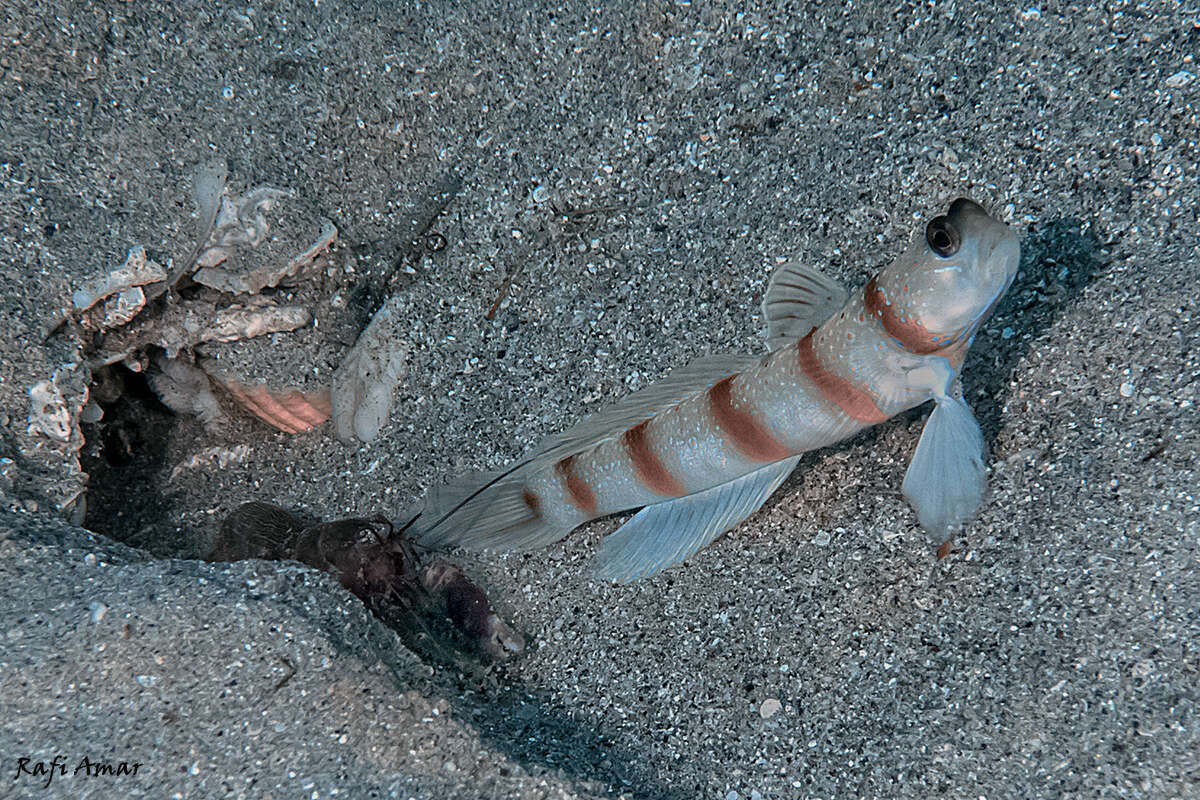
Amblyeleotris sungami (Klausewitz, 1969) (Magnus' goby)
Occurs on open sand bottoms of clear water reefs . Lives with alphaeid shrimps in burrows.
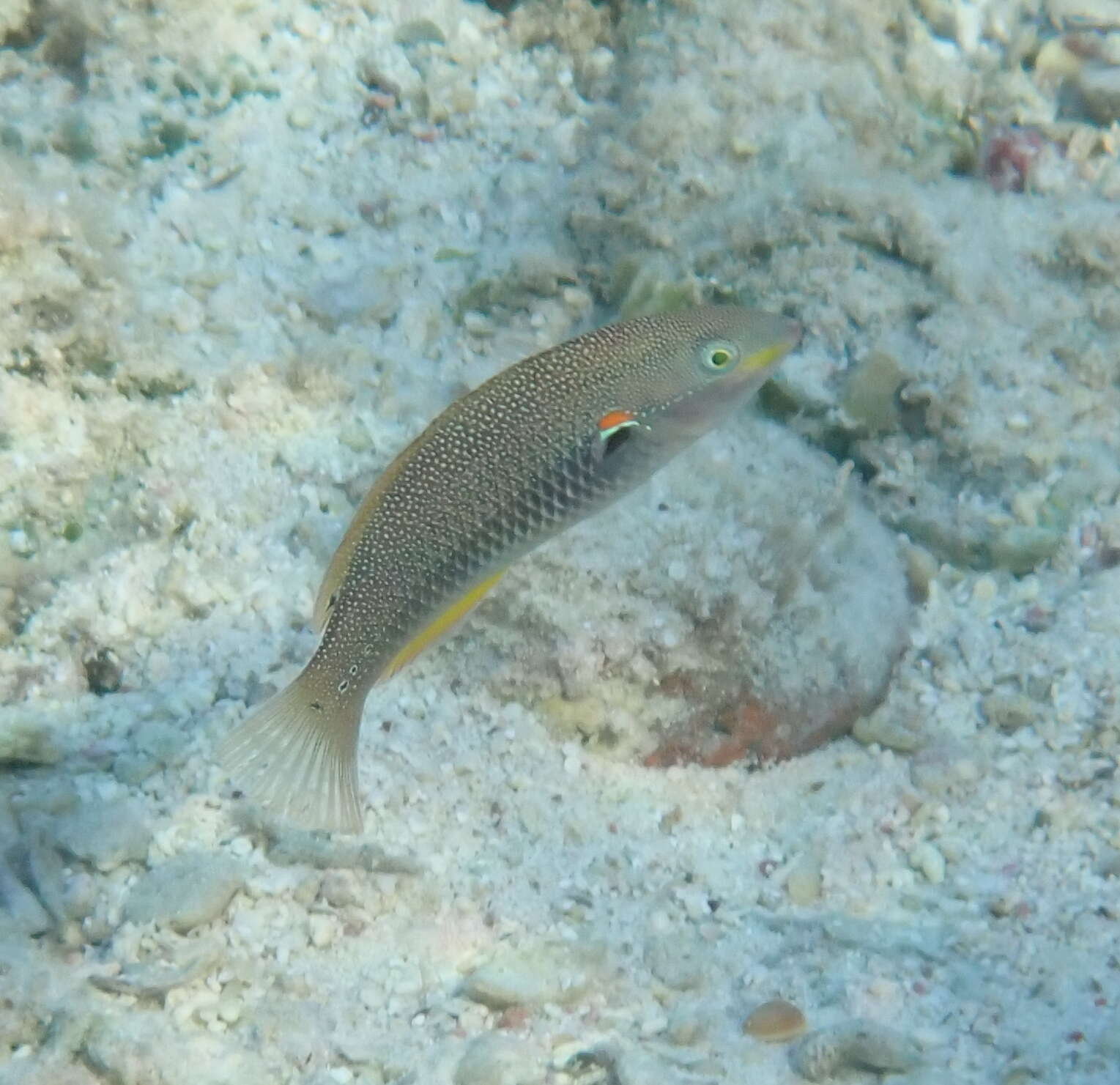
Stethojulis albovittata (Bonnaterre, 1788) (Bluelined wrasse)
Inhabits reef flats and clear lagoon and seaward reefs . Found singly or in small groups consisting of one male and a few females . Feeds on small invertebrates, especially crustaceans and mollusks.
Xyrichtys novacula (Linnaeus, 1758) (Cleaver wrasse)
Inhabits clear shallow areas with sandy bottoms, usually in the vicinity of seagrass beds and corals . Feeds mainly on mollusks; also crabs and shrimps . A protogynous hermaphrodite; sexual dimorphism apparent in head sh...
Read More
Read More
Gomphosus caeruleus Lacepède, 1801 (Checkerboard wrasse)
Inhabits coral-rich areas of lagoon and seaward reefs . Also in rocky reefs . Feeds on small invertebrates .
Ecsenius gravieri (Pellegrin, 1906) (Red Sea mimic blenny)
Mimics Meiacanthus nigrolineatus . Oviparous . Eggs are demersal and adhesive .
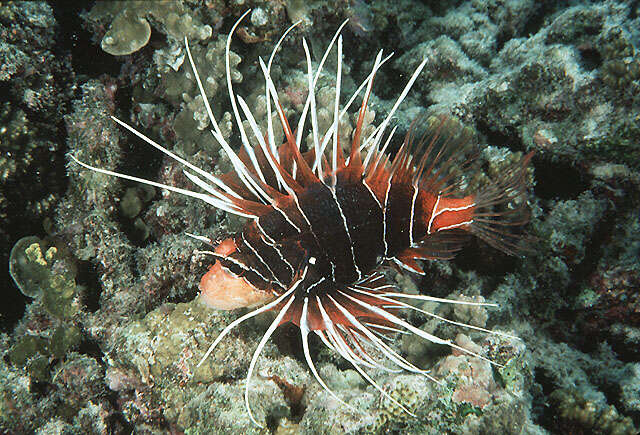
Pterois radiata Cuvier, 1829 (Radial firefish)
A generally uncommon species that inhabits lagoon and seaward reefs . Prefers rocky reefs and seems to avoid stony corals. Coastal, sometimes in surge zones where in narrow crevices, or along rock-walls in small caves . ...
Read More
Read More
Pterois volitans (Linnaeus, 1758) (Red lionfish)
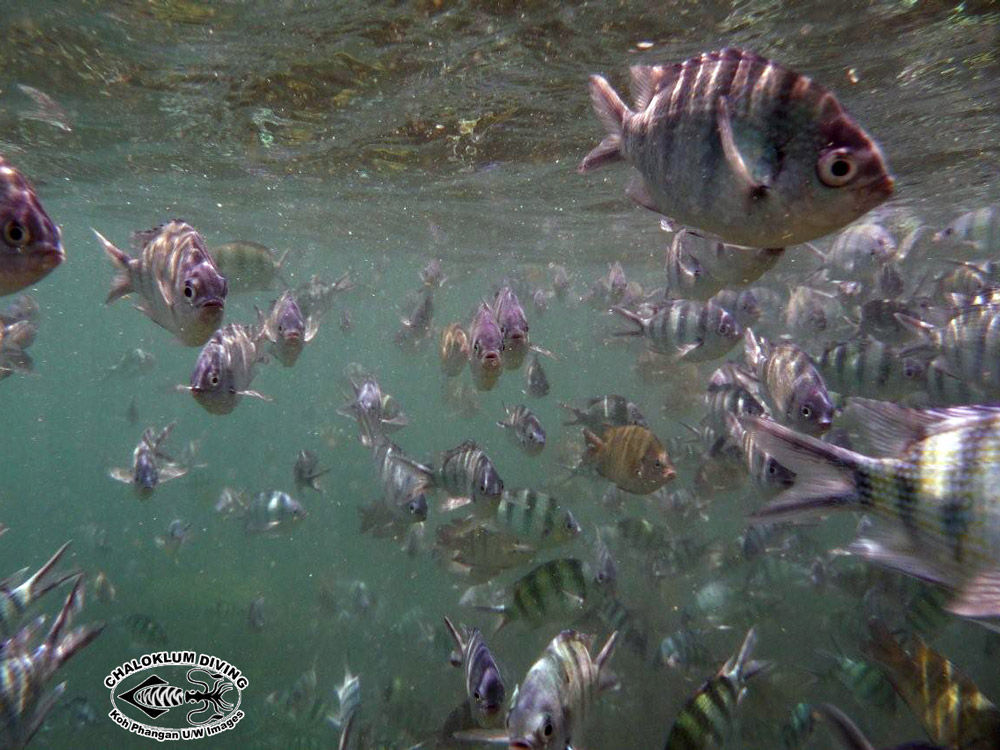
Abudefduf sexfasciatus (Lacepède, 1801) (Natal sergeant)
Inhabits inshore and offshore coral or rocky reefs. Also in shallow coastal reef flats or crests, usually where lots of tall soft corals or hydroid colonies are present . Feeds on zooplankton and algae and aggregates high in the water column .
Parupeneus macronemus (Lacepède, 1801) (longrayed goatfish)
Inhabits lagoon and seaward reefs to over 25 m . Found on sandy or weedy bottoms ; rarely at depths of more than 40 meters . Usually seen solitary but often several individuals nearby . Feeds mainly on crustaceans and worms .
Fistularia commersonii Rüppell, 1838 (Bluespotted cornetfish)
Arothron nigropunctatus (Bloch & Schneider, 1801) (Blackspotted puffer)
Inhabit coastal to outer reef crest and slopes with rich invertebrate growth. Adults often in pairs . Feed on corals , crustaceans, mollusks, sponges, tunicates and algae . Generally common .
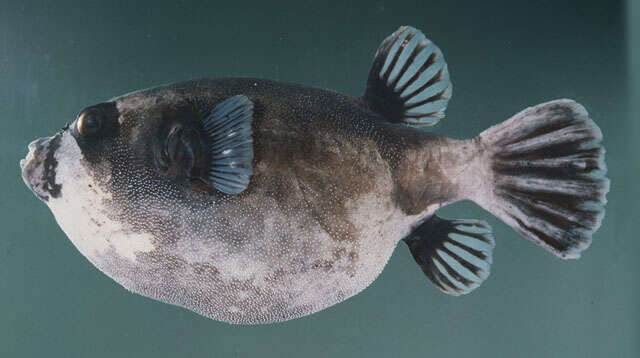
Arothron diadematus (Rüppell, 1829) (Masked puffer)
Inhabits coral-rich fringing reefs .
Arothron hispidus (Linnaeus, 1758) (White-spotted puffer)
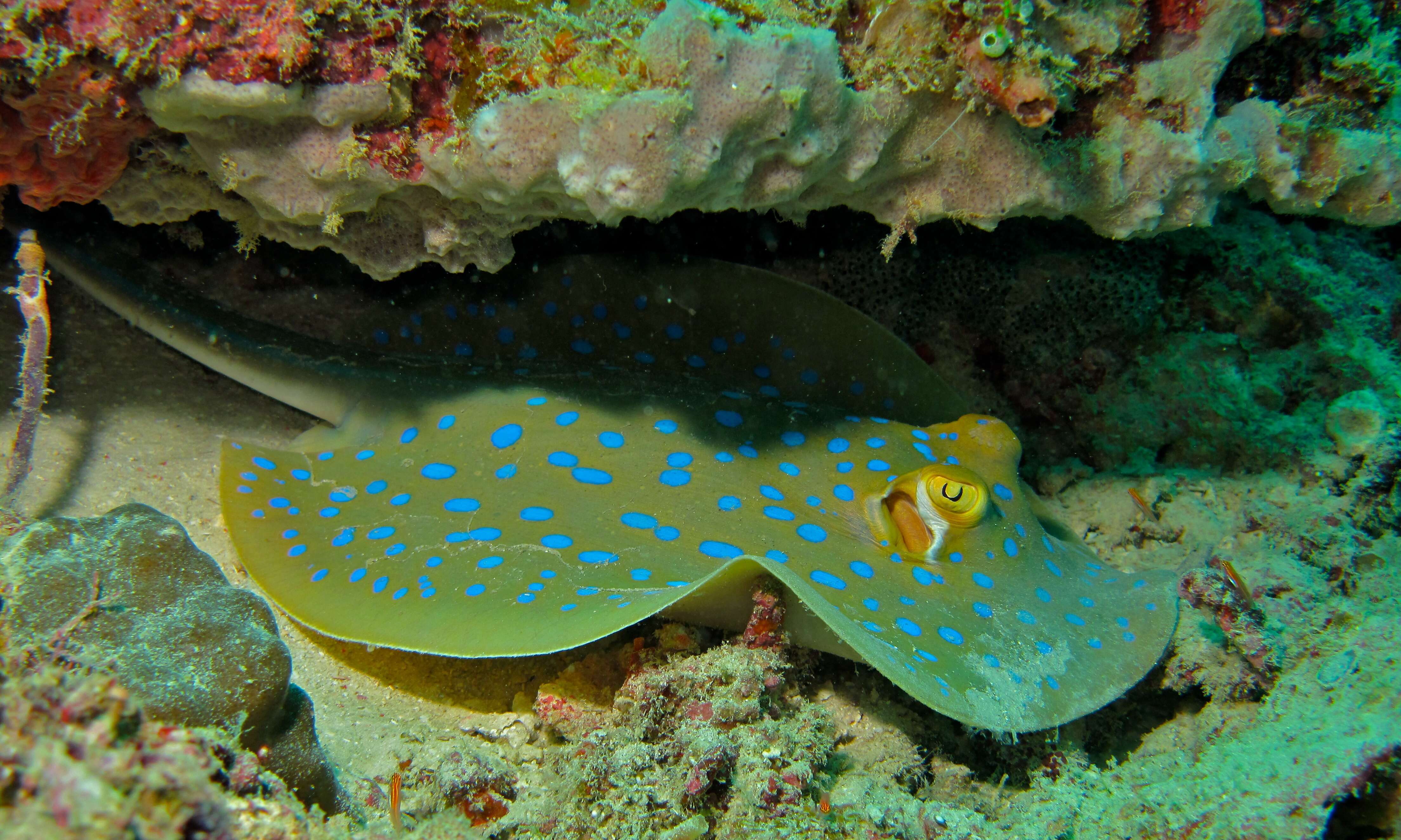
Taeniura lymma (Forsskål, 1775) (Bluespotted ribbontail ray)
Blue-spotted stingrays live alone or in small groups , migrating in large schools into shallow sandy areas on the rising tide in order to feed, and dispersing back into the ocean as the tide falls to shelter in the coral c...
Read More
Read More
Share on Social Networks
- Facebook:

personalize your shared text as well as its destination (wall, page...) or send as a private message to a friend
- Twitter: Tweet personalize your tweet
- Google Plus:
Direct link to this dive
- Long link:
- Short link:


 We are participating today in the startup contest Techcrunch Disrupt. Support Diveboard by voting for us!
























































































Deep traning dive.
Exercises on buoyancy