


 David Hsl



 French Polynesia
-
Nº167
 Date: 2015-04-18 - 11:30
-
 Max Depth: 25.3m Duration: 60mins
Dive Location

- Temp: Surf 29°C Bottom 29°C
- Dive type : Recreational
- Visibility: Excellent Water: Salt
Specific gear used
- Computer: Suunto - Zoop
- Weights: 3 kg
Dive reviews
| Overall review | ||
| Dive difficulty | ||
| Marine life quality |
Recent Divers in Tikehau
Dive Shop & Buddies
 Dive with Sébastien from Tuamotu Plongee

Link to this spot:
- Spot:
- Country:
- Area:
- Body of water:
Dive Profile
- 1. Air
- 0L Steel 200 → 60 bar
- Average depth: 14.3m
Data provided by EOL.org

Species Identified
Remora remora (Linnaeus, 1758) (Common remora)
Usually associated with sharks but also attaches itself to other large fishes, sea turtles and even ships ; found in gill chambers, fins and body surface . Sometimes free-swimming . Younger individual is more active as parasite pickers . Feeds on parasitic copepods .
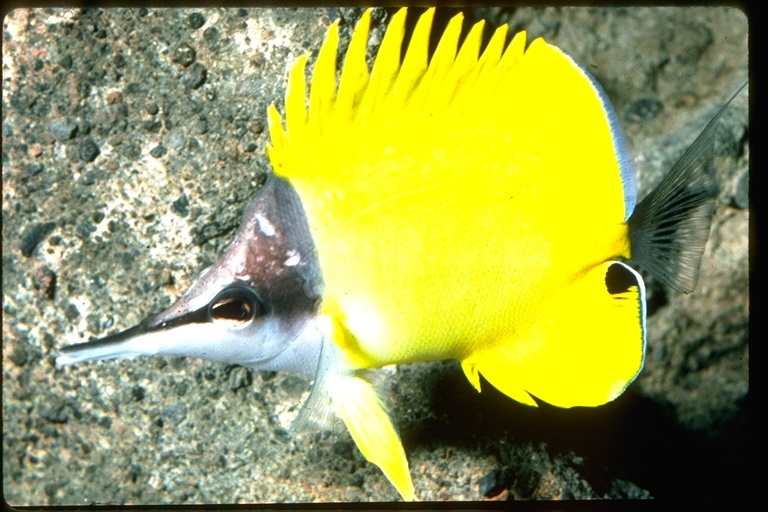
Forcipiger flavissimus Jordan & McGregor, 1898 (Butterflyfish)
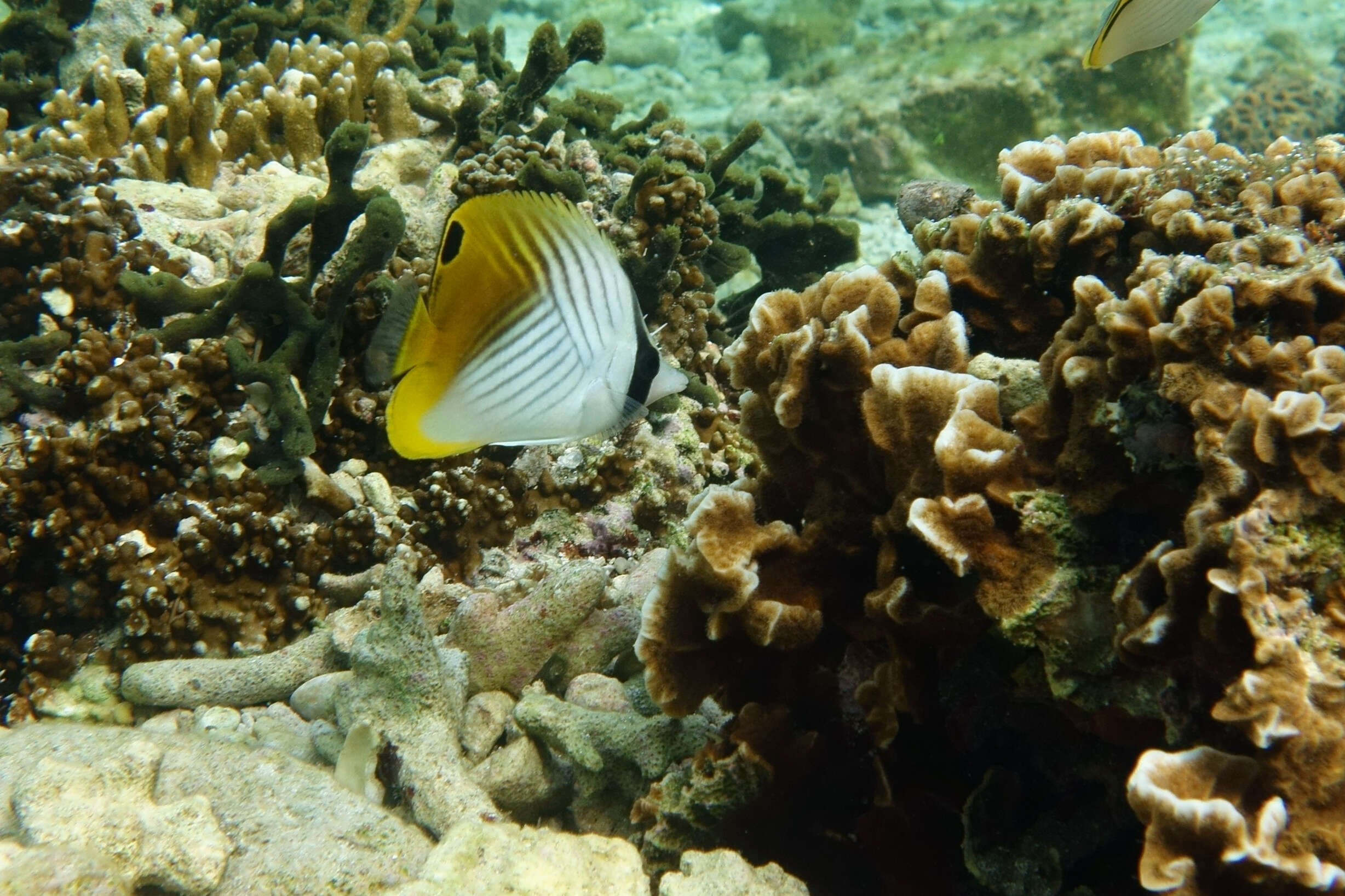
Chaetodon auriga Forsskål, 1775 (Cross-stripe butterfly)
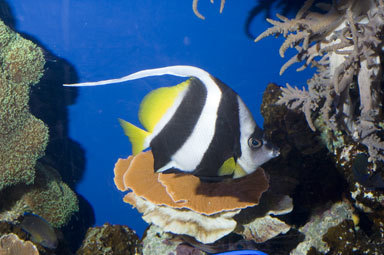
Heniochus acuminatus (Linnaeus, 1758) (Pennant coralfish)
Inhabit deep, protected lagoons and channels, and the deeper parts of outer reef slopes. Juveniles are often solitary while adults occur in pairs . A planktivorous species that generally remains within a few meters of th...
Read More
Read More
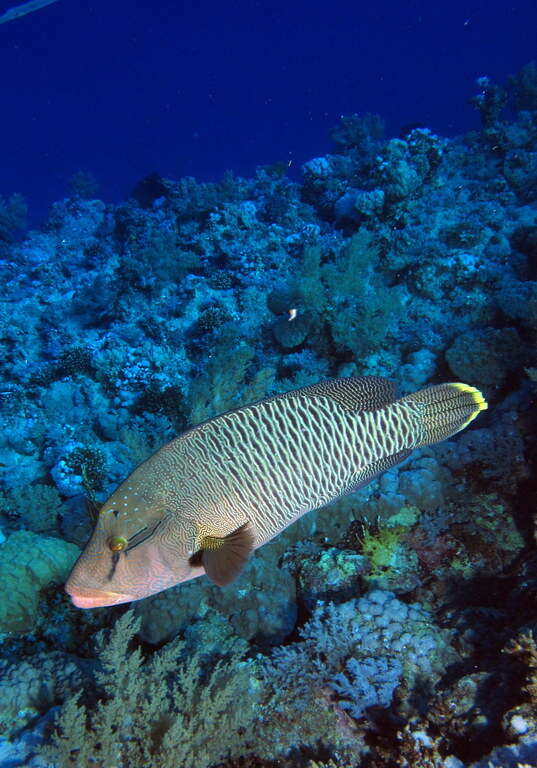
Cheilinus undulatus Rüppell, 1835 (Humphead wrasse)
Humphead wrasses are extremely long-lived, known to survive for at least 30 years, and taking around five to seven years to reach sexual maturity . Adults are usually solitary, spending the day roaming the reef and returni...
Read More
Read More
Synanceia verrucosa Bloch & Schneider, 1801 (Stonefish)
Most widespread stonefish . Found on sandy or rubble areas of reef flats and shallow lagoons and in small pools during low tide well camouflaged among the substrate and sometimes even covered with algae . Solitary specie...
Read More
Read More
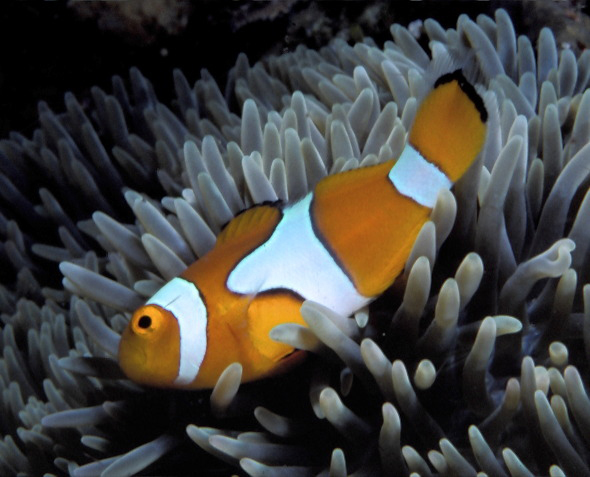
Amphiprion percula (Lacepède, 1802) (Orange clownfish)
Inhabits lagoon and seaward reefs . Each group of fish consists of a breeding pair and 0-4 non-breeders. Within each group there is a size-based hierarchy: the female is largest, the male is second largest, and the non-...
Read More
Read More
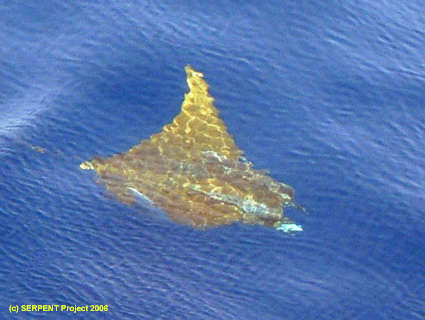
Manta birostris (Walbaum, 1792) (Giant manta)
Manta rays are generally solitary, although loose aggregations of individuals may occur where there are abundant food sources or during the breeding season. When ready to mate, a male will bite his mate's pectoral fin to p...
Read More
Read More
Share on Social Networks
- Facebook:

personalize your shared text as well as its destination (wall, page...) or send as a private message to a friend
- Twitter: Tweet personalize your tweet
- Google Plus:
Direct link to this dive
- Long link:
- Short link:


 We are participating today in the startup contest Techcrunch Disrupt. Support Diveboard by voting for us!
























































































