


 Edward Lee

 Thailand
-
Nº1
 Date: 2012-02-19 - 11:34
-
 Max Depth: 12m Duration: 48mins
Pictures

No pictures for this dive
- Temp: Surf 0°C Bottom 0°C
- Dive type : Training
- Visibility: Good Water: Salt
Specific gear used
- Weights: 4 kg
Recent Divers in Koh Phi Phi
Recent Pictures in Koh Phi Phi
Dive Shop & Buddies
 Dive with Annalies Fleers Dinkelberg

Link to this spot:
- Spot:
- Country:
- Area:
- Body of water:
Dive Profile
Data provided by EOL.org

Species Identified
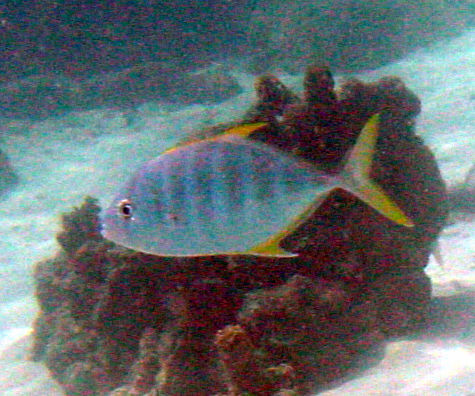
Gnathanodon speciosus (Forsskål, 1775) (Golden trevally)
Occur in deep lagoon and seaward reefs where they feed by rooting for crustaceans and other invertebrates in the sand. Also feed on small fishes. Small juveniles live among the tentacles of jellyfish . Form schools. No...
Read More
Read More
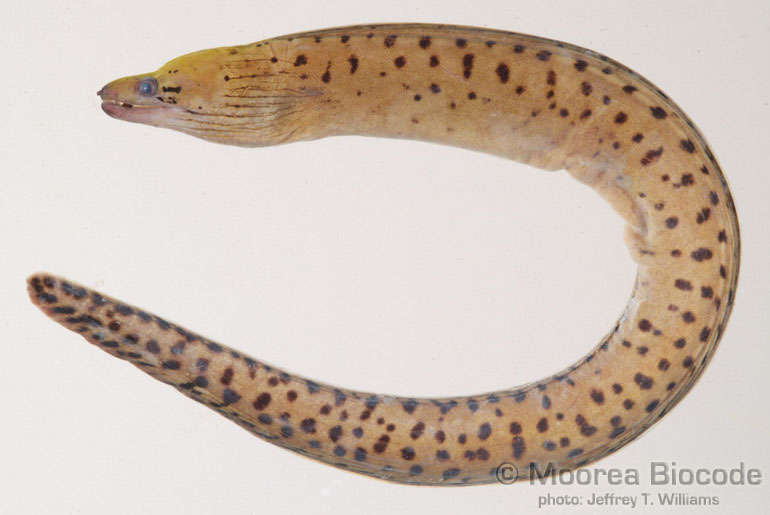
Gymnothorax fimbriatus (Bennett, 1832) (Fimbriated moray)
Occurs in lagoons, reef flats and seaward reefs . Prefers protected inshore waters among dead corals, common in harbors and small caves . Probably nocturnal . Feeds on fishes and crustaceans . Possibly a protogynous hermaphrodite .
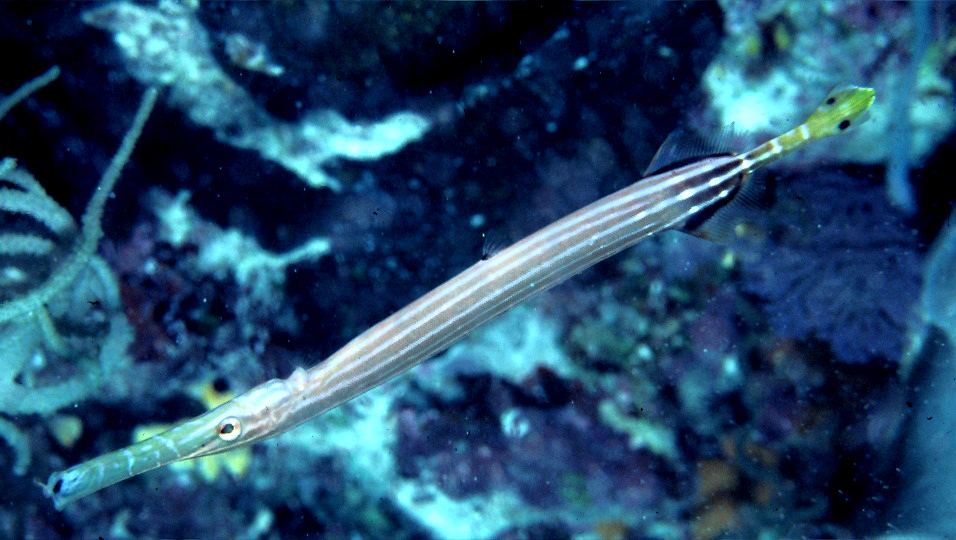
Aulostomus chinensis (Linnaeus, 1766) (Chinese trumpetfish)
Found in clear, shallow water , in rocky and coral areas of protected and seaward reefs . Benthopelagic . Feeds on small fishes and shrimps . A slow-moving fish relying partly on stealth and camouflage to sneak up on unsuspecting prey. Often darts down vertically on its prey. Usually solitary .
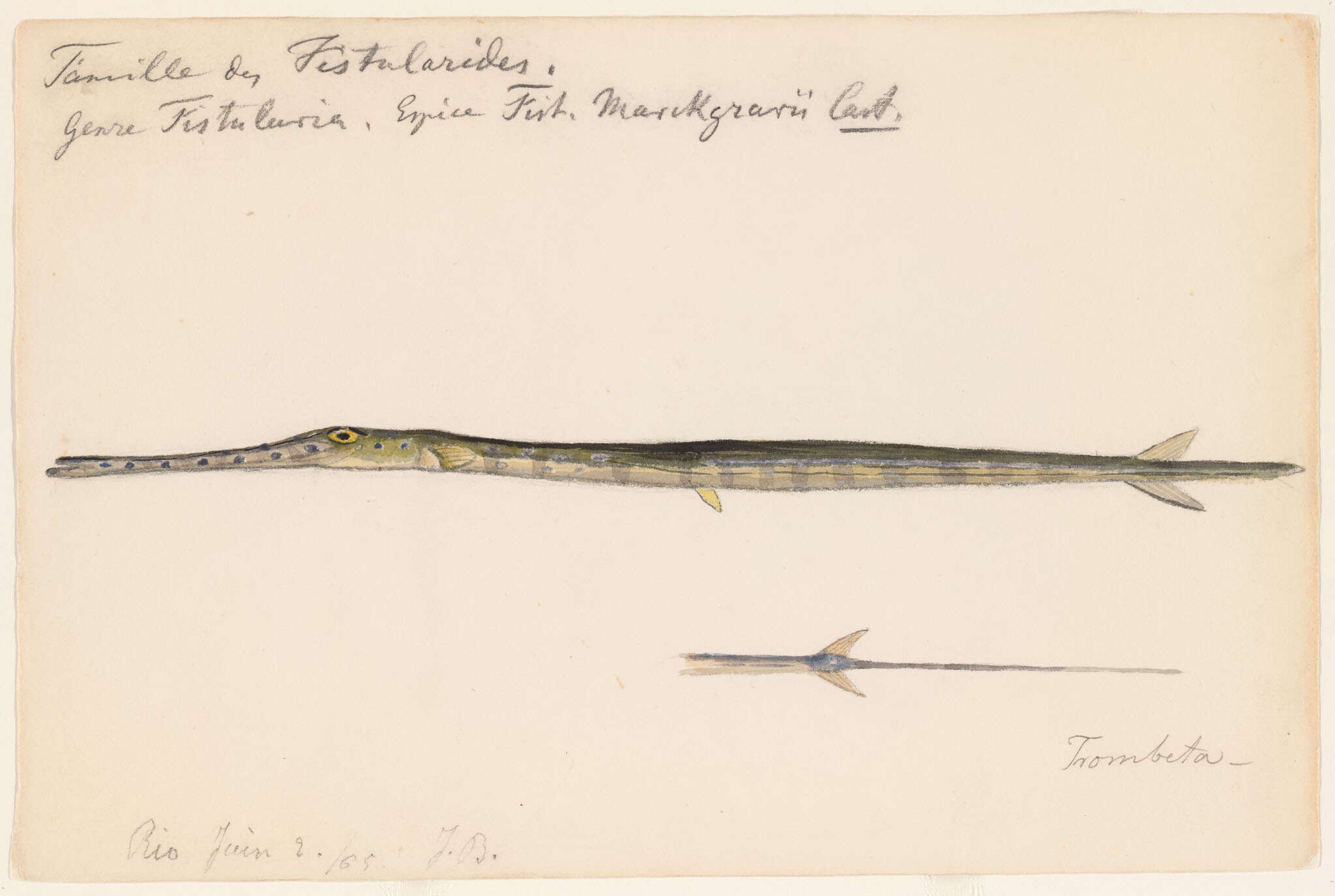
Fistularia tabacaria Linnaeus, 1758 (bluespotted cometfish)
A solitary species occurs over grass flats and reefs, and on hard and rocky bottoms . Feeds on fishes, small crustaceans or invertebrates.
Halichoeres semicinctus (Ayres, 1859) (rock wrasse)
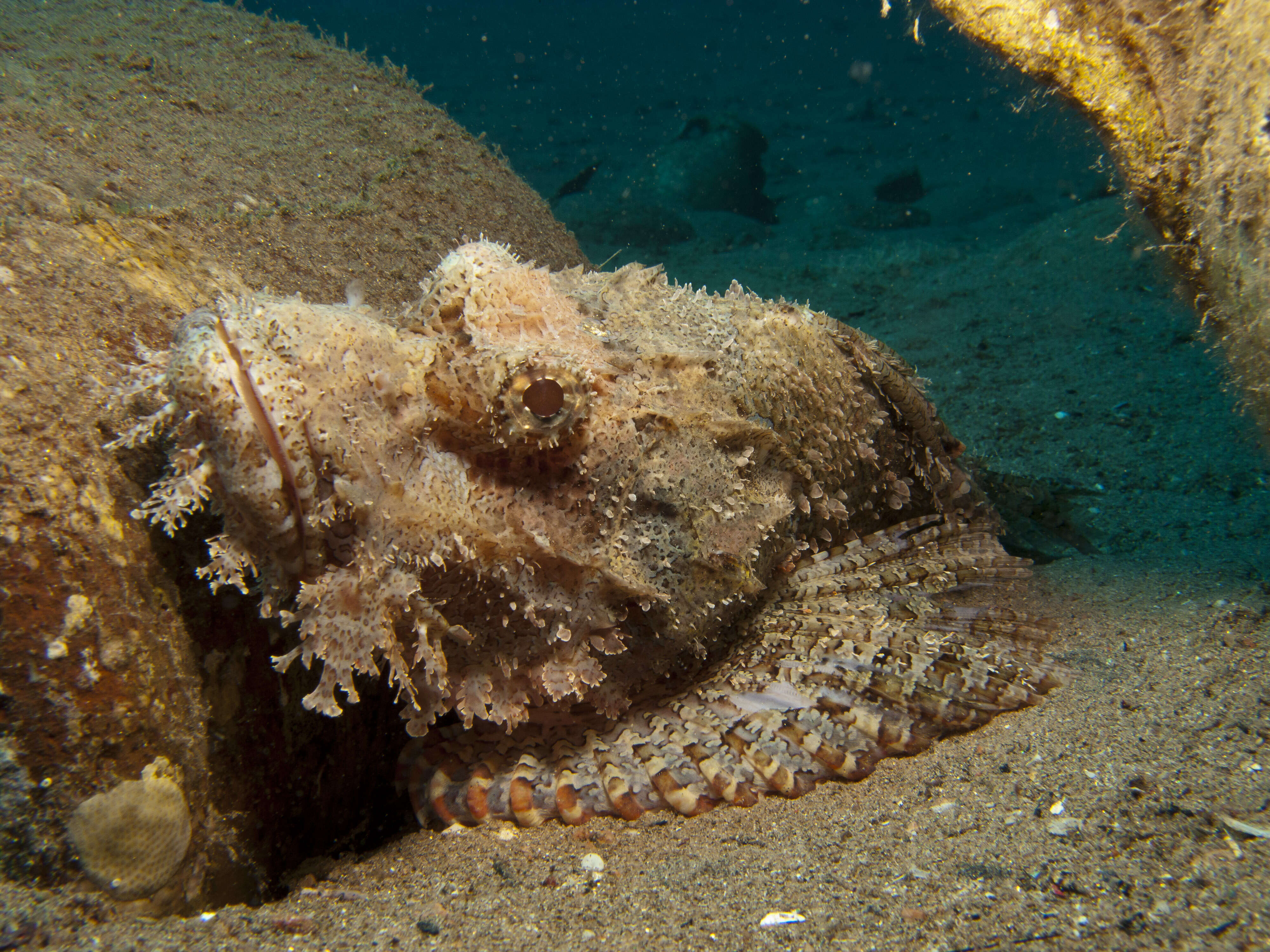
Scorpaenopsis barbata (Rüppell, 1838) (Bearded scorpionfish)
Benthic to at least 30 m .
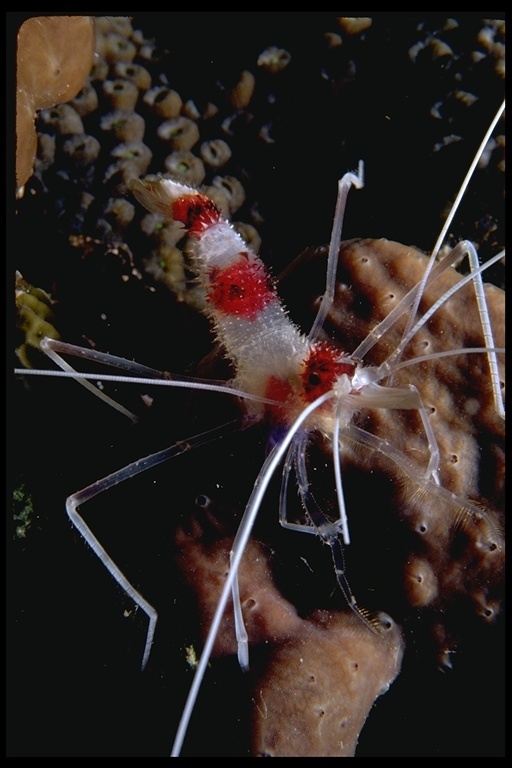
Stenopus hispidus (Olivier, 1811) (banded coral shrimp)
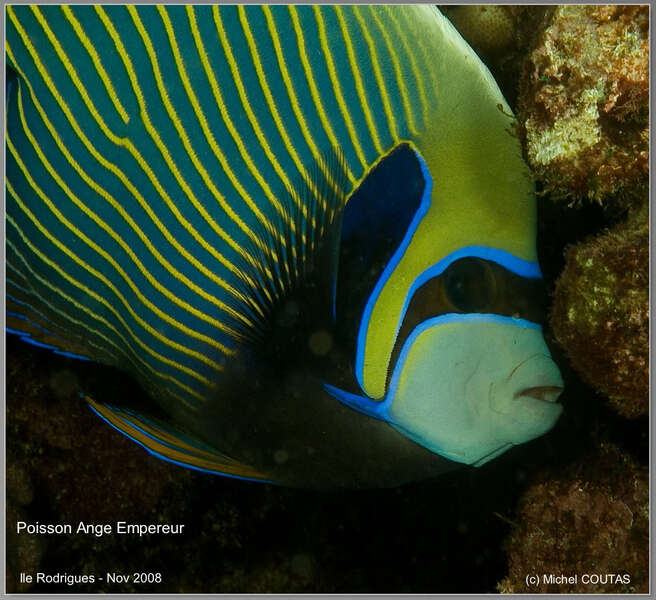
Pomacanthus imperator (Bloch, 1787) (Angel fish)
Juveniles are encountered under ledges, or in holes of outer lagoon patch reefs or semi-protected areas of exposed channels and outer reef flats. Subadults move to reef front holes and surge channels. Large adults inhabi...
Read More
Read More
Share on Social Networks
- Facebook:

personalize your shared text as well as its destination (wall, page...) or send as a private message to a friend
- Twitter: Tweet personalize your tweet
- Google Plus:
Direct link to this dive
- Long link:
- Short link:


 We are participating today in the startup contest Techcrunch Disrupt. Support Diveboard by voting for us!
























































































