


 Eric Kuijt

 Germany
-
Nº60
 Date: 2016-06-11 - 13:00
-
 Max Depth: 7m Duration: 74mins
Pictures

No pictures for this dive
- Temp: Surf 25°C Bottom 23°C
- Visibility: Bad Water: Fresh
Specific gear used
- Weights: 4 kg
Dive reviews
| Overall review | ||
| Dive difficulty | ||
| Marine life quality |
Recent Divers in Nordrhein-westfalen

Recent Pictures in Nordrhein-westfalen
Dive Shop & Buddies
 Dive buddies:
Dennis Van Beek
Dive buddies:
Dennis Van Beek

Link to this spot:
- Spot:
- Country:
- Area:
- Body of water:
Dive Profile
- 1. Air
- 9L Steel 200 → 50 bar
- Average depth: 4.7m
Data provided by EOL.org
Species Identified
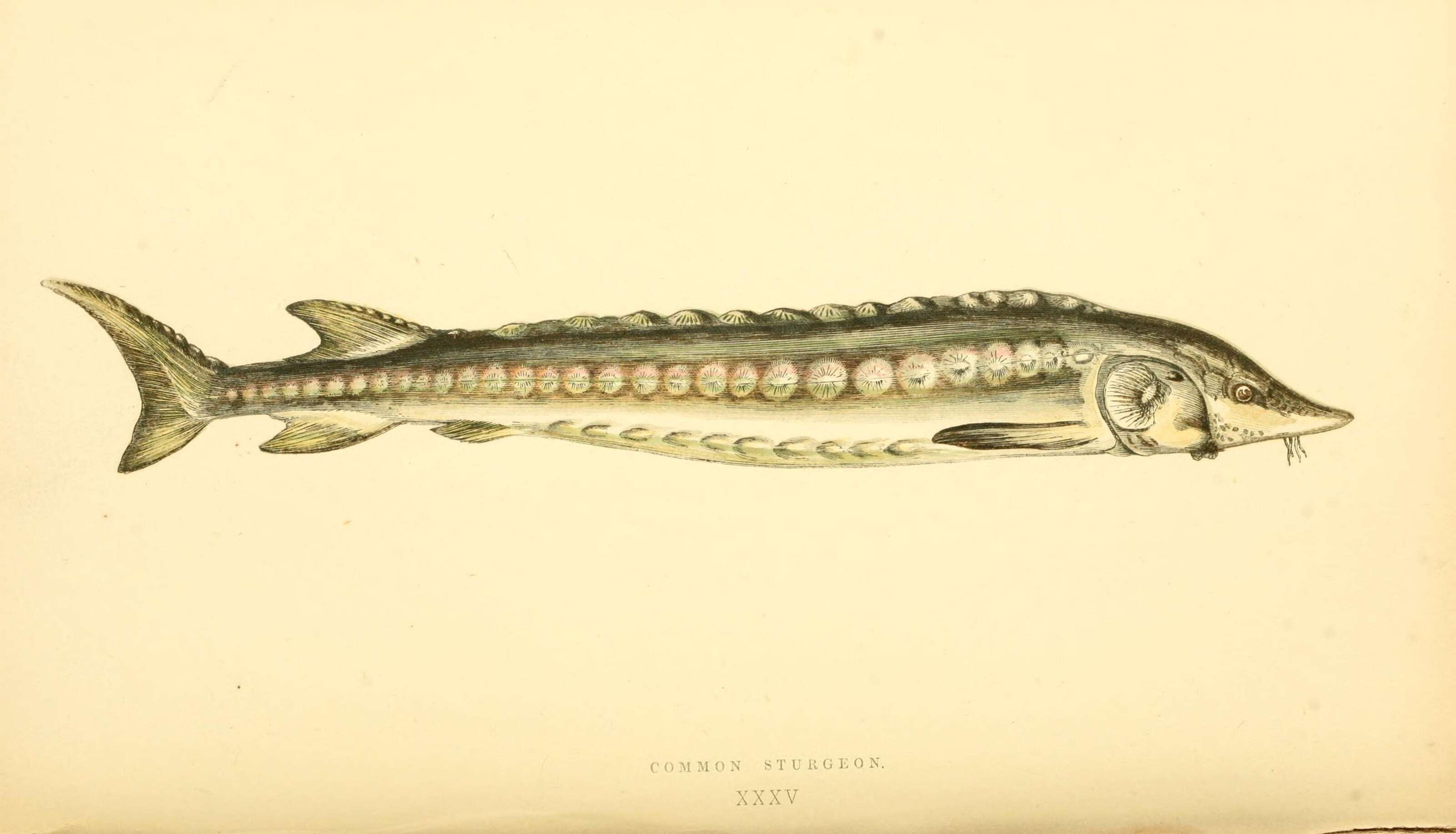
Acipenser sturio Linnaeus, 1758 (Sturgeon)
Sturgeons are generally solitary, spending a number of years at sea before returning to the river where they were born, in order to breed in their turn. Entering the river in spring, mature individuals migrate upriver to t...
Read More
Read More
Perca fluviatilis Linnaeus, 1758 (European perch)
Perch live in schools, often mixing with other species of fish, usually in the top 50 metres of water. Spawning takes place in April, the very sticky eggs being produced in bands. Females twine these bands around submerged...
Read More
Read More
Scardinius erythrophthalmus (Linnaeus, 1758) (pearl roach)
Occurs mainly in nutrient-rich, well vegetated lowland rivers, backwaters, oxbows, ponds and lakes. Feeds mainly on plankton, terrestrial insects and plant material. Breeds on roots or submerged plants. Can adapt to unfa...
Read More
Read More
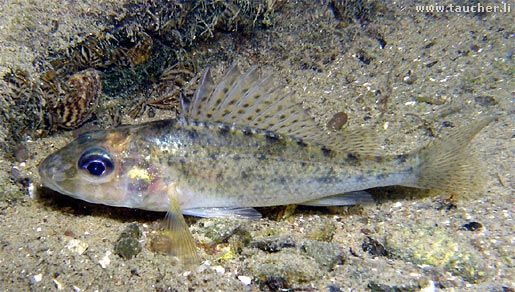
Gymnocephalus cernuus (Linnaeus, 1758) (blacktail)
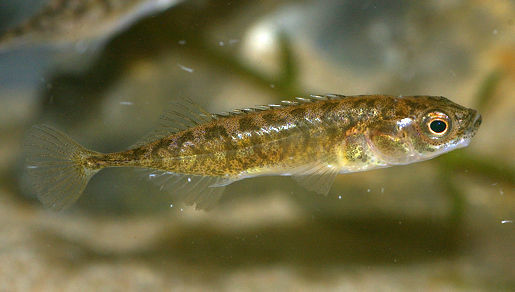
Pungitius pungitius (Linnaeus, 1758) (Ninespine stickleback)
Found in shallow vegetated areas of lakes, ponds, and pools of sluggish streams; sometimes in open water over sand . Marine populations found near shore and move into fresh water to spawn . There appears to be seasonal m...
Read More
Read More
Abramis brama (Linnaeus, 1758) (Carp bream)
Inhabit a wide variety of lakes and large to medium sized rivers. Most abundant in backwaters, lower parts of slow-flowing rivers, brackish estuaries and warm and shallow lakes . Adults occur usually in still and slow-ru...
Read More
Read More
Share on Social Networks
- Facebook:

personalize your shared text as well as its destination (wall, page...) or send as a private message to a friend
- Twitter: Tweet personalize your tweet
- Google Plus:
Direct link to this dive
- Long link:
- Short link:


 We are participating today in the startup contest Techcrunch Disrupt. Support Diveboard by voting for us!
























































































