


 Ethan O'Sullivan

 United States
-
Nº60
 Date: 2014-08-23 - 10:58
-
 Max Depth: 3.9m Duration: 15mins
Dive Location

- Surface interval:20 mins
- Temp: Surf 23°C Bottom 23°C
- Dive type : Recreational, Training, Research
- Visibility: Excellent Water: Salt
Specific gear used
- Mask: Aqualung - Teknika
- Regulator: Scubapro - MK25/S600
- Computer: Oceanic - Atom 2.0
- BCD: Sherwood - Freedom (XS)
- Fins: Aqualung - Slingshot (L/XL)
- Cylinder: Luxfer - 80 CU Aluminum
- Weights: 10 kg
Dive reviews
| Overall review | ||
| Dive difficulty | ||
| Marine life quality |
Recent Pictures in Norwalk CT
Dive Shop & Buddies
 Dive with Dr. Mike

Link to this spot:
- Spot:
- Country:
- Area:
- Body of water:
Dive Profile
- 1. Air
- 10L Aluminium 200 → 50 bar
- Average depth: 3.5m
Data provided by EOL.org


Species Identified
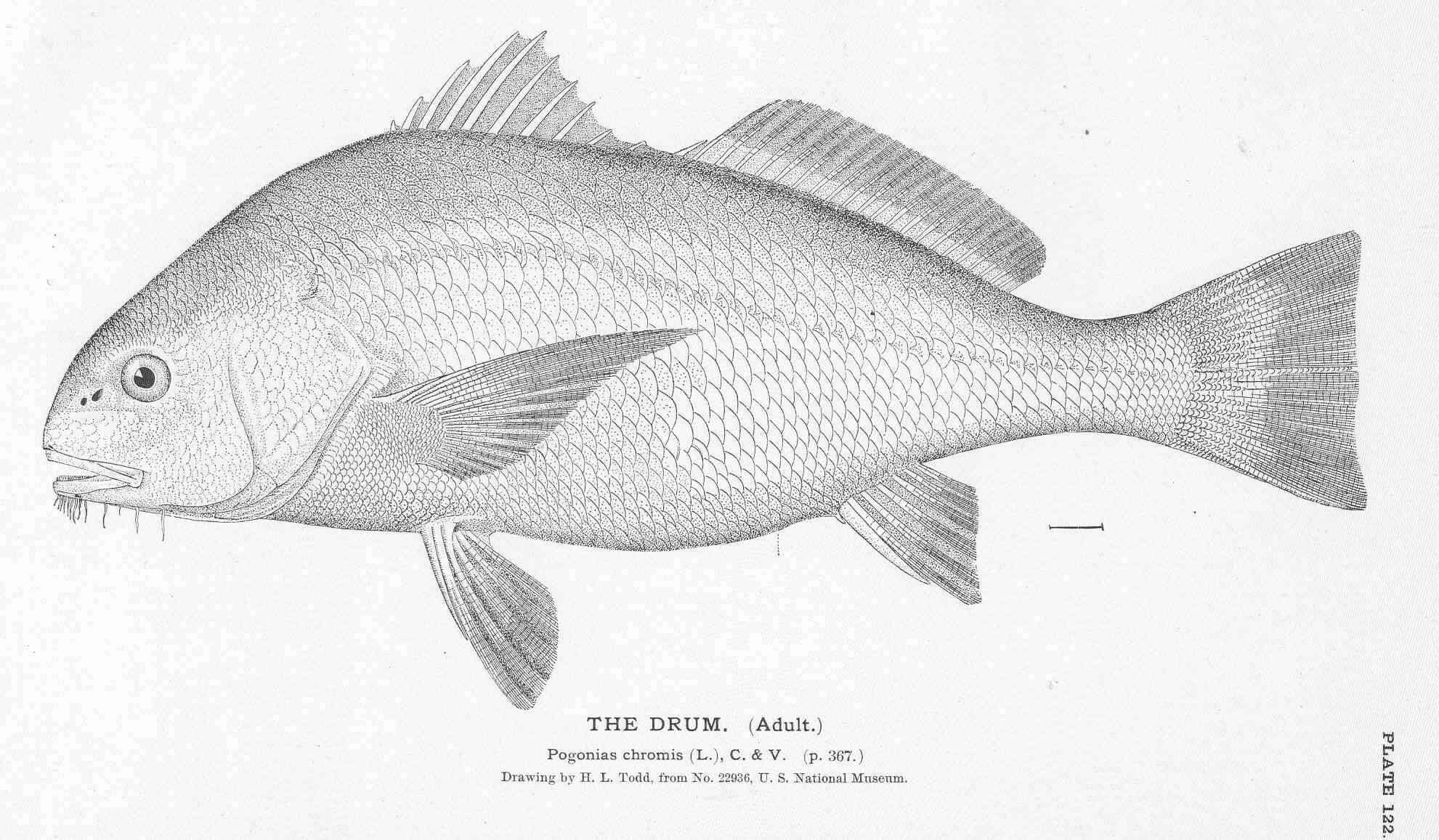
Pogonias cromis (Linnaeus, 1766) (Banded drum)
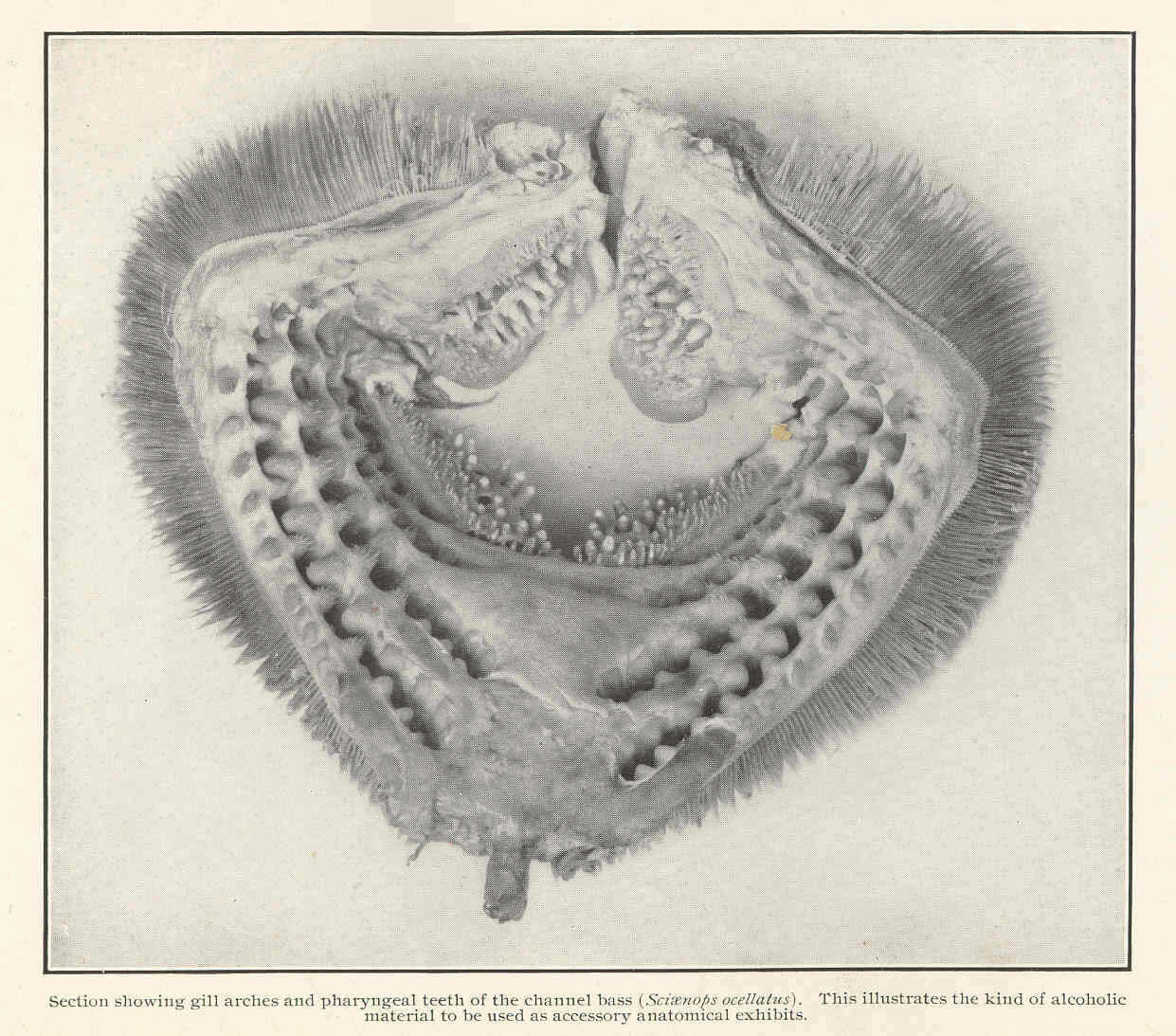
Sciaenops ocellatus (Linnaeus, 1766) (red drum)
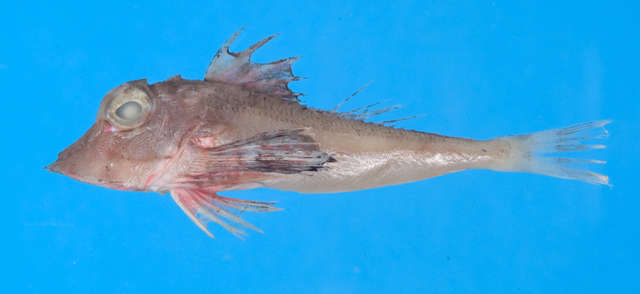
Chelidonichthys spinosus (McClelland, 1844) (Red gurnard)
Found in the tropical to warm temperate areas , in sandy or sandy mud bottom .
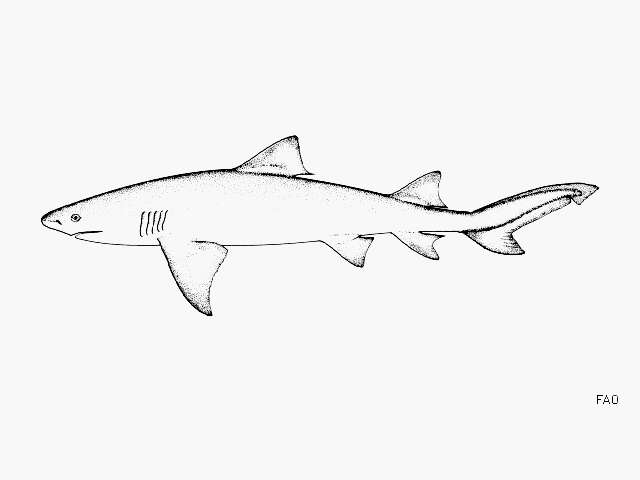
Negaprion brevirostris (Poey, 1868) (Lemon shark)
The lemon shark has been the subject of one of the most long-term and intensive studies on a shark species. Much of what is known about this shark is due to the work of Dr Samuel Gruber and his colleagues. This predator ...
Read More
Read More
Balistes capriscus Gmelin, 1789 (gray triggerfish)
Tautoga onitis (Linnaeus, 1758) (Black-fish)
Found close to shore on hard-bottom habitats, occasionally entering brackish water. Adult male territorial and active during the day to feed and rests in crevices at night. Prefers temperatures above 10°C. Spawning was ...
Read More
Read More
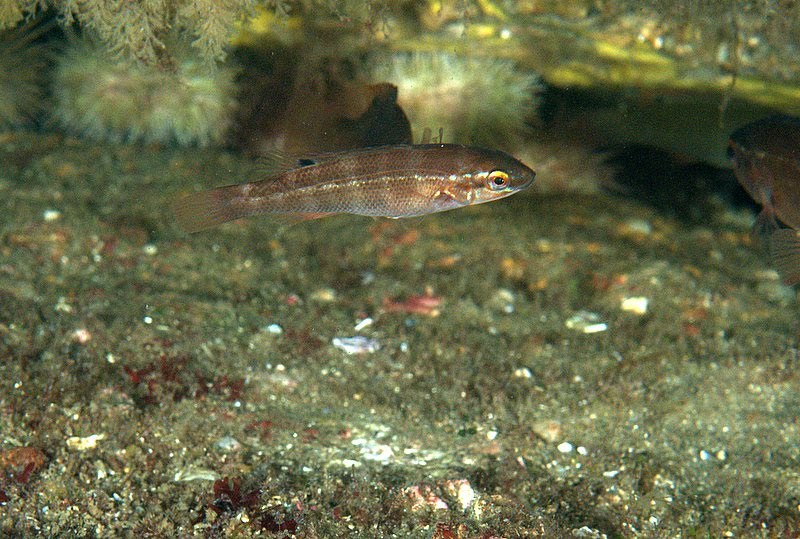
Tautogolabrus adspersus (Walbaum, 1792) (Blue perch)
Inhabits shallow, inshore waters, living on or near the bottom, often congregating in masses around wharves, wrecks and submerged seaweed. During winter they become torpid and remain inshore under rocks in shallow water .
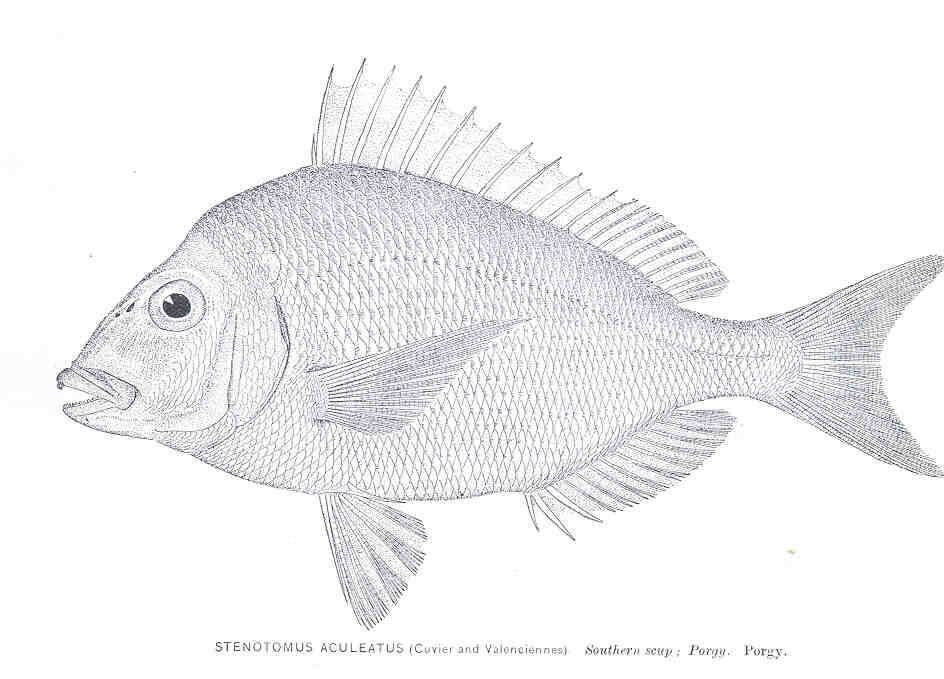
Stenotomus chrysops (Linnaeus, 1766) (Porgy)
Occurs usually in schools inshore in summer and offshore in winter. Feeds on amphipods, worms, sand dollars and young squid . Utilized fresh, smoked and frozen; eaten pan-fried, broiled and baked . Exported to Japan
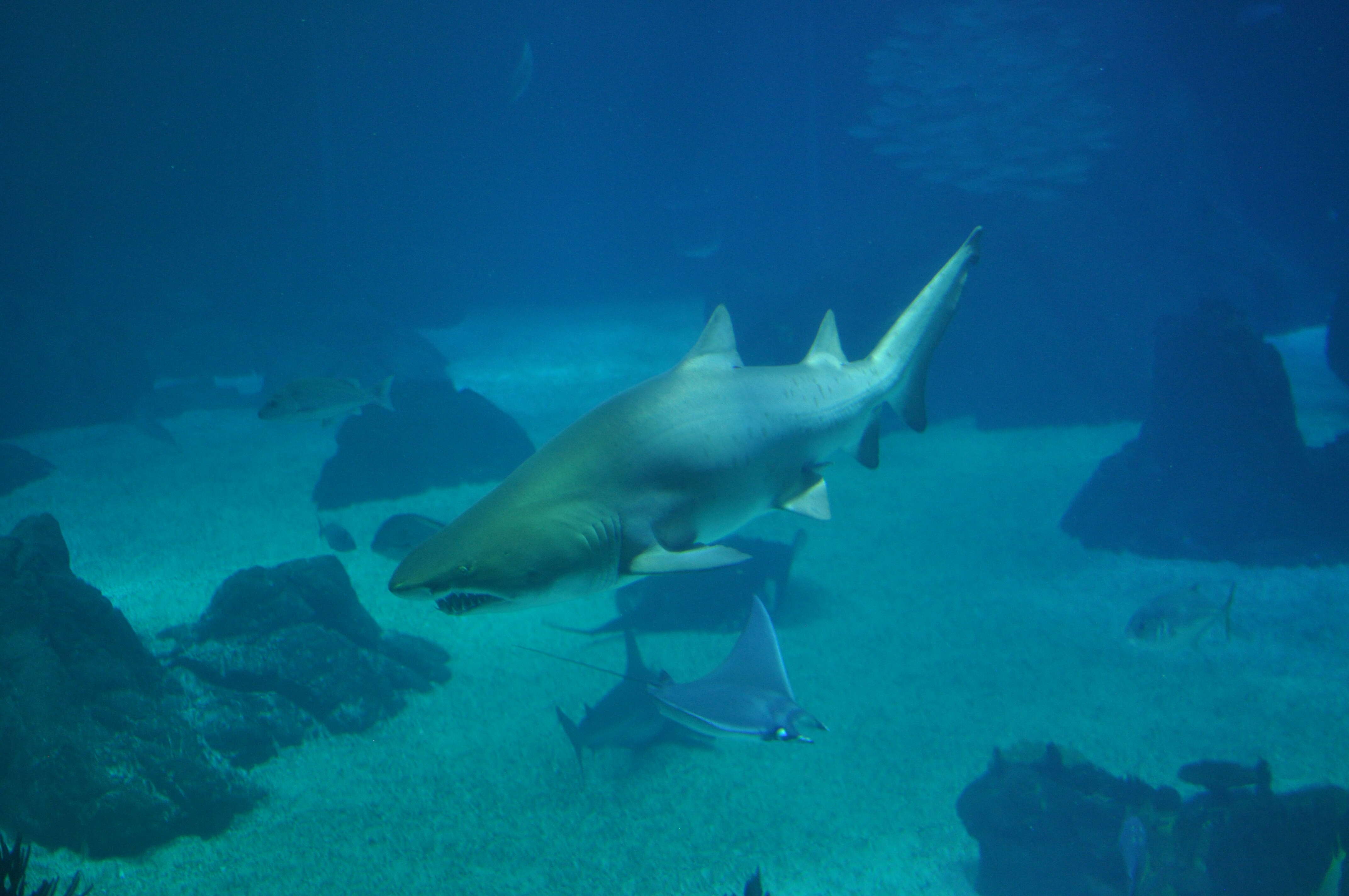
Carcharias taurus Rafinesque, 1810 (sand tiger shark)
The sand tiger shark is one of the best-studied of the shark species. They are the only sharks known to gulp air at the surface and store it in their stomach to provide buoyancy . These sharks generally mate between Octobe...
Read More
Read More
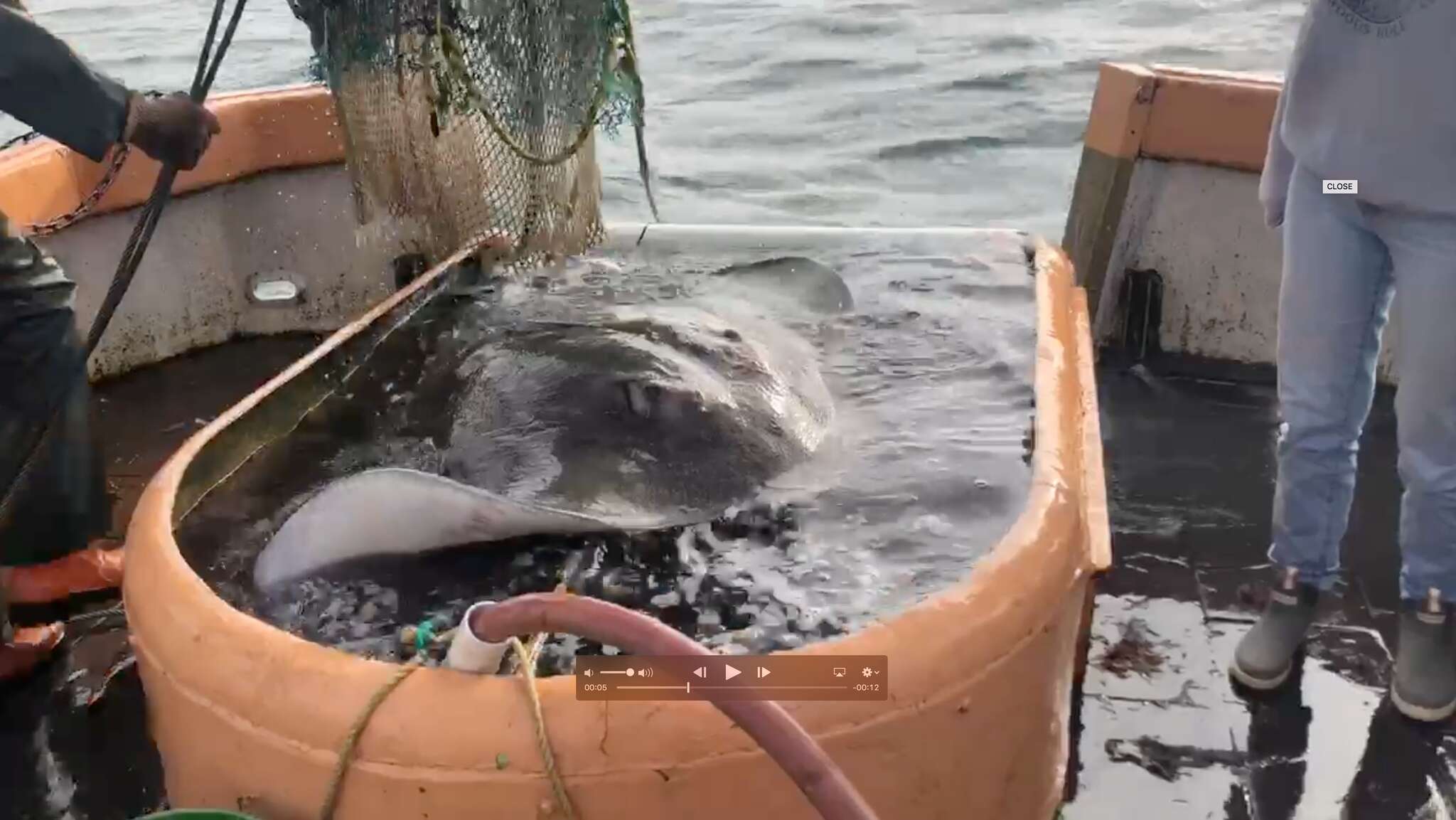
Dasyatis centroura (Mitchill, 1815) (clam cracker)
Found over sandy and muddy bottoms. Feeds on bottom-living invertebrates and fishes. Ovoviviparous . Wings marketed fresh, smoked, dried-salted; used for fishmeal and oil. Harmful to shellfish banks; dangerous to bather...
Read More
Read More
Share on Social Networks
- Facebook:

personalize your shared text as well as its destination (wall, page...) or send as a private message to a friend
- Twitter: Tweet personalize your tweet
- Google Plus:
Direct link to this dive
- Long link:
- Short link:


 We are participating today in the startup contest Techcrunch Disrupt. Support Diveboard by voting for us!
























































































