


 Fabien83210@yahoo.fr


 Netherlands Antilles

-
Nº61
 Date: 2005-05-15 - 13:30
-
 Max Depth: 27.7m Duration: 61mins
Pictures

No pictures for this dive
- Temp: Surf 28°C Bottom 28°C
- Dive type : Recreational, Cave, Reef, TOMBANT, ARCHES, FAILLES, 2 TORTUES
- Visibility: Excellent Water: Salt
Specific gear used
- Computer: Suunto - stinger
Dive reviews
| Overall review | ||
| Dive difficulty | ||
| Marine life quality |
Dive Shop & Buddies
 Dive with Saba Divers

Link to this spot:
- Spot:
- Country:
- Area:
- Body of water:
Dive Profile
Data provided by EOL.org

Species Identified
Chelonia mydas Linnaeus 1758 (Green Turtle)
Green turtles are long-lived and may take up to 59 years to reach sexual maturity Undertaking tremendous feats of navigation, adults return to the same beach to breed each season, part of the population in Brazil astonish...
Read More
Read More
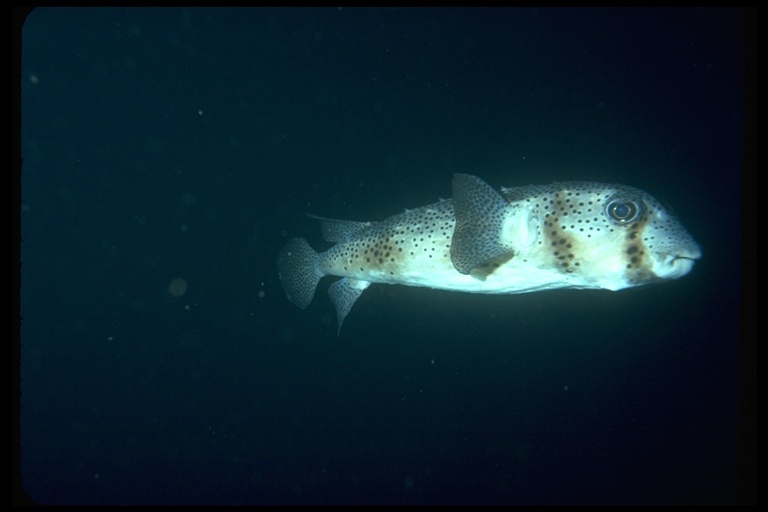
Chilomycterus reticulatus (Linnaeus, 1758) (burrfish)
Sparisoma chrysopterum (Bloch and Schneider, 1801) (Blisterside)
Occurs in coral reefs and adjacent habitats, the young especially in seagrass beds. Juveniles or primary-phase adults rapidly assume a mottled pattern with which they blend with the substratum when they come to rest on the bottom. Feeds on benthic algae and seagrasses.
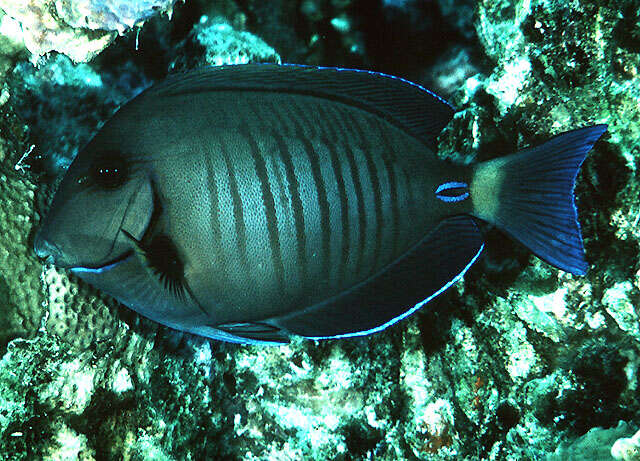
Acanthurus chirurgus (Bloch, 1787) (Black doctorfish)
Inhabits shallow reefs or rocky areas. Found in loose aggregations . Mainly diurnal. Ingests sand when feeding on algae . The spine on both sides of the caudal peduncle may inflict painful wounds . Minimum depth repor...
Read More
Read More
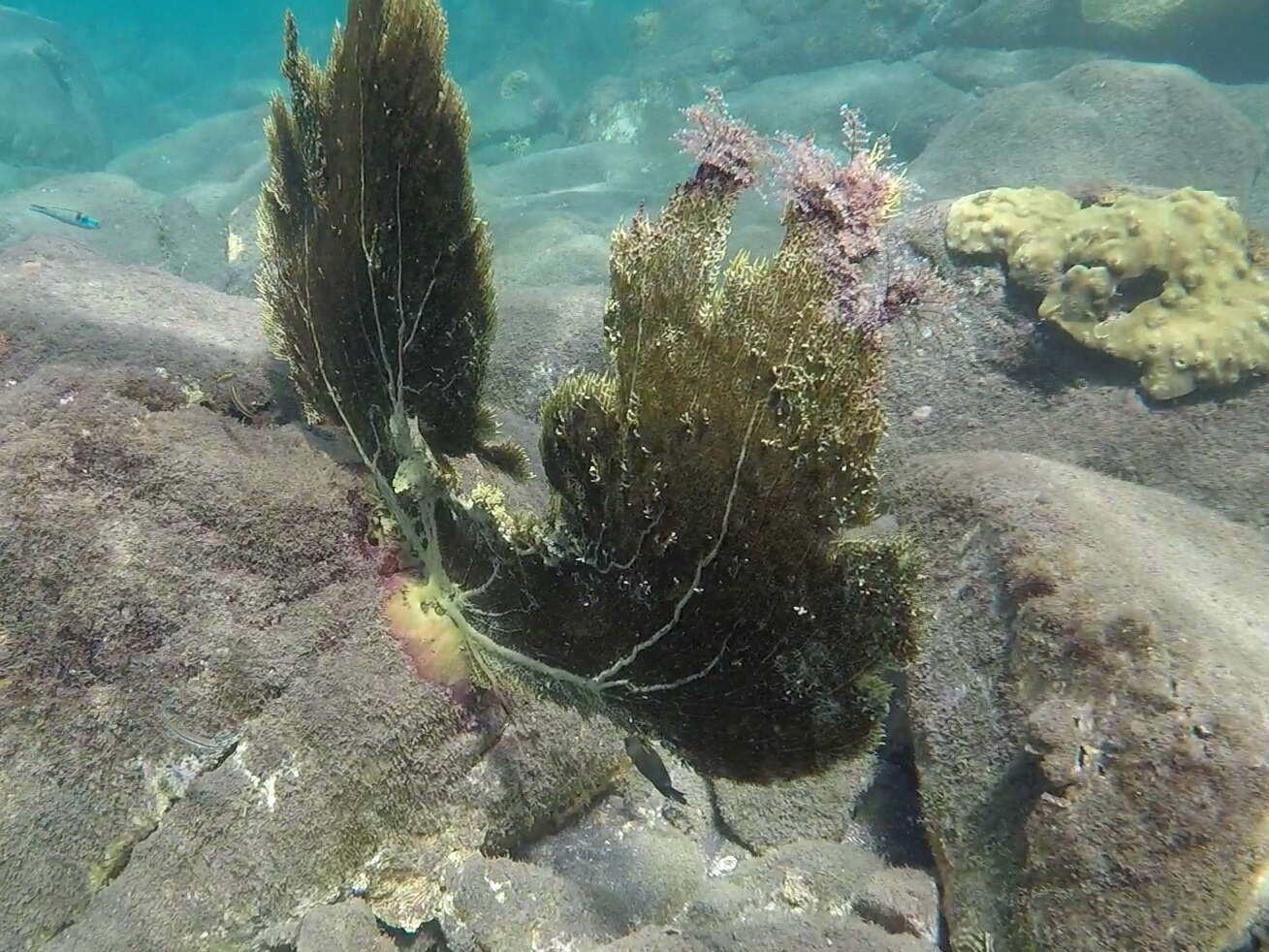
Gorgonia ventalina Linnaeus, 1758 (common sea fan)
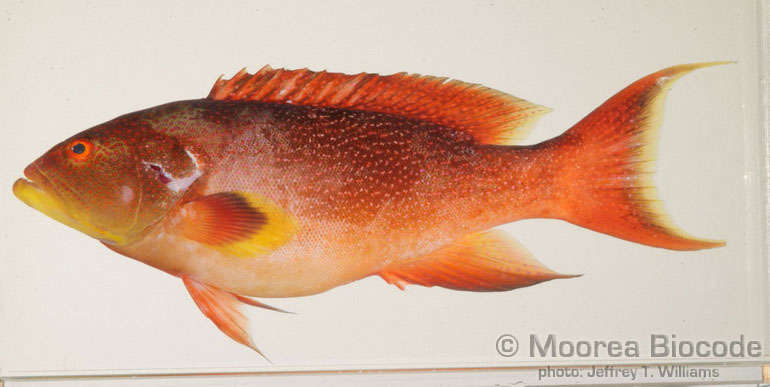
Variola louti (Forsskål, 1775) (lunartailed rockcod)
Usually seen in clear-water areas at depths below 15 m, and prefers islands and offshore reefs rather than continental shores. Feeds mainly on fishes, and on crabs, shrimps and stomatopods. It is highly appreciated for t...
Read More
Read More
Share on Social Networks
- Facebook:

personalize your shared text as well as its destination (wall, page...) or send as a private message to a friend
- Twitter: Tweet personalize your tweet
- Google Plus:
Direct link to this dive
- Long link:
- Short link:


 We are participating today in the startup contest Techcrunch Disrupt. Support Diveboard by voting for us!
























































































5eme et derniere plongee a saba avec violaine et sans doute l une des plus belle,faune exeptionnelle,2 tortues,un enorme diodon,des centaines d anguilles jardinieres,un gros ange francais,un ange royal bleu et jaune fluo,holothuries,le tombant est parseme d arches,de failles,une explosion de vie,de couleurs,une plongee memorable