


 Jan Ivar Pinndal


 Denmark

-
Nº2139
 Date: 2015-07-24 - 11:37
-
 Max Depth: 23.1m Duration: 34mins
Pictures

No pictures for this dive
- Temp: Surf 18°C Bottom 14°C
- Dive type : Recreational, Wreck
- Visibility: Average Water: Salt
Specific gear used
- Computer: Suunto - Solution Nitrox
- Wet suit: Waterproof Diving AB - 5 mm overdragt med hætte
- Regulator: Apeks - TX40 med TX40 octopus
- Compass: Sherwood - i konsollet
- Knife: Aqualung - lille kniv på feederslange
- Cylinder: Beuchat - blød snorkel
- Fins: Wenturi Power - Sorte hælremsfinner
- BCD: Sopras sub - Tech 1000
- Boots: Beuchat - med lynlås og hård sål
- Mask: IST Sports - Proteus sort
- Wet suit: Beuchat - Focea Comfort3 heldragt 5 mm
- Other: Ukendt - Knæbeskytter
- Light: Magicshine - MJ-876
- Weights: 10 kg
Dive reviews
| Overall review | ||
| Dive difficulty | ||
| Marine life quality |
Recent Divers in Bornholm
Dive Shop & Buddies
 Dive with Dykkercenter Bornholm
 Dive buddies:
Jonas Lykke Pinndal

Link to this spot:
- Spot:
- Country:
- Area:
- Body of water:
Dive Profile
- 1. Air
- 15L Steel 190 → 130 bar
- Average depth: 15.4m
Data provided by EOL.org


Species Identified
Anarhichas minor Olafsen, 1772 (Catfish)
Inhabits offshore waters over soft bottoms, often with boulders, from 25-590 m, but most common from 100-400 m . Benthic . Feeds mainly on echinoderms, but also crustaceans, mollusks, fishes and worms . In Barents sea,...
Read More
Read More
Gadus macrocephalus Tilesius, 1810 (Pacific cod)
Found mainly along the continental shelf and upper slopes . Forms schools . Appears to be indiscriminate predators upon dominant food organisms present . Young probably feed on copepods and similar organisms . Adults f...
Read More
Read More
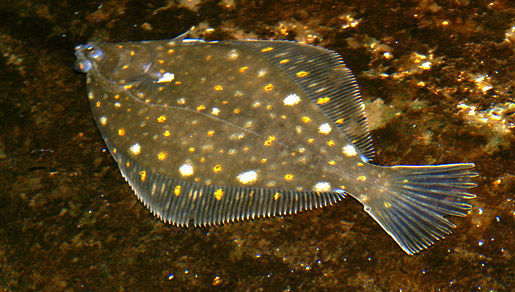
Pleuronectes platessa Linnaeus, 1758 (European plaice)
European plaice are active mainly at night, when they feed on molluscs and polychaete worms , which are crushed with the strong jaws . During the day they tend to lie hidden, often partially buried in the sediment . ...
Read More
Read More
Share on Social Networks
- Facebook:

personalize your shared text as well as its destination (wall, page...) or send as a private message to a friend
- Twitter: Tweet personalize your tweet
- Google Plus:
Direct link to this dive
- Long link:
- Short link:


 We are participating today in the startup contest Techcrunch Disrupt. Support Diveboard by voting for us!
























































































Vraget mere end 100 år gammelt, men først fundet sidst år. Derfor ser det fortsat godt ud med masser at gamle detaljer.