


 Jdh


 United States

-
Nº48
 Date: 2018-06-02 - 12:42
-
 Max Depth: 16m Duration: 62mins
Pictures

No pictures for this dive
- Temp: Surf 27°C
- Dive type : Recreational
- Visibility: Average Water: Salt
Specific gear used
- Weights: 9 kg
Dive reviews
| Overall review | ||
| Dive difficulty | ||
| Marine life quality |
Recent Divers in Catalina Island

Recent Pictures in Catalina Island
Dive Shop & Buddies
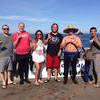
 Dive with Frank Urugullo
 Dive buddies:
Rocio Martinez Bonhomo

Link to this spot:
- Spot:
- Country:
- Area:
- Body of water:
Dive Profile
Data provided by EOL.org



Species Identified
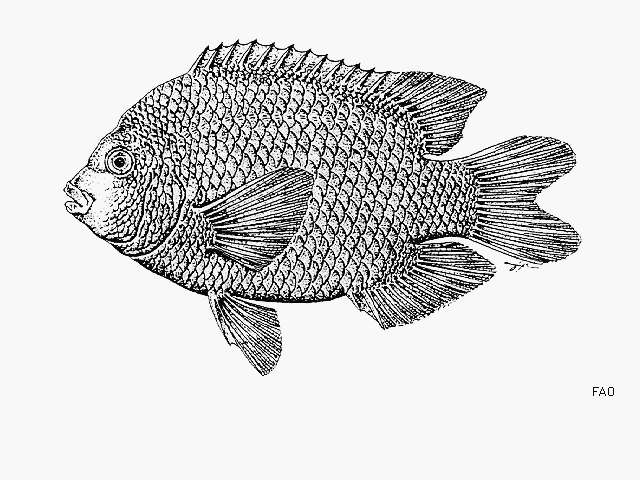
Hypsypops rubicundus (Girard, 1854) (Damselfish)
Pomoxis annularis Rafinesque, 1818 (Calicos bass)
Occurs in sand-bottomed and mud-bottomed pools and backwaters of creeks and small to large rivers, and lakes and ponds. Often found in turbid water . Adult feeds on forage fishes such as shad . Younger crappie consumes small invertebrates, including microcrustaceans and small insects .
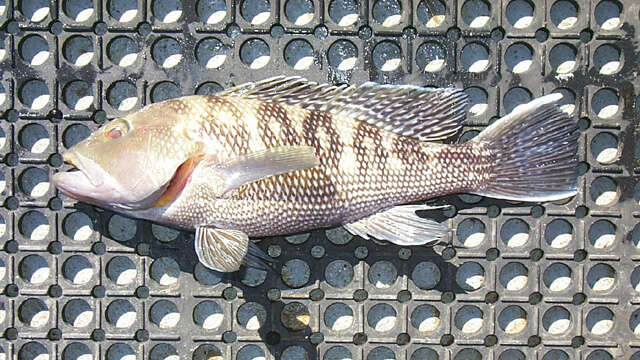
Centropristis striata (Linnaeus, 1758) (Black seabass)
Commonly found around rock jetties and on rocky bottoms in shallow water. Marketed fresh and eaten fried, broiled and baked .
Medialuna californiensis (Steindachner, 1876) (halfmoon)
Panulirus interruptus (J. W. Randall, 1840) (California spiny lobster)
Gymnothorax mordax (Ayres, 1859) (California moray)
Found common among rocks; lives in crevices or holes, usually with only head protruding. Very common in shallow reef areas . Feed mostly at night on crustaceans, octopuses and small fishes. Long-lived. Pelagic spawners .
Haliotis rufescens Swainson, 1822 (red abalone)
Myliobatis californica Gill, 1865 (Bat eagle ray)
Oxyjulis californica (Günther, 1861) (senorita)
Live in kelp and other seaweeds and over rocks. Found usually at depths shallower than 23 m but also caught at depths up to 73 m. Often form small groups, frequently well off bottom. When disturbed often burrows in bott...
Read More
Read More
Arbacia punctulata (Lamarck, 1816) (purple-spined sea urchin)
Girella nigricans (Ayres, 1860) (opaleye)
Macrocystis pyrifera (Linnaeus) C. Agardh (giant kelp)
Paralabrax clathratus (Girard, 1854) (Bass)
Heterostichus rostratus Girard, 1854 (giant kelpfish)
Found among rocks with large seaweeds, often in kelp. Young occur in schools while adults are solitary. Feeds on small crustaceans, mollusks and small fishes. Female attaches eggs to seaweeds, male guards them.
Scorpaenichthys marmoratus (Ayres, 1854) (bullhead)
Inhabits rocky, sandy and muddy bottoms as well as kelp beds . Adults and juveniles feed on crustaceans, fishes and mollusks . Commonly captured by sport fishers and by scuba divers . Flesh is good eating but eggs are poisonous and will make humans violently ill .
Share on Social Networks
- Facebook:

personalize your shared text as well as its destination (wall, page...) or send as a private message to a friend
- Twitter: Tweet personalize your tweet
- Google Plus:
Direct link to this dive
- Long link:
- Short link:


 We are participating today in the startup contest Techcrunch Disrupt. Support Diveboard by voting for us!
























































































7mm wetsuit with hood