


 Joeri Renders


 Malaysia

-
Nº5
 Date: 2011-08-04 - 12:00
-
 Max Depth: 18.2m Duration: 56mins
Pictures

No pictures for this dive
- Surface interval:84 mins
- Temp: Surf 30°C Bottom 27°C
- Dive type : Recreational
- Visibility: Average Water: Salt
Specific gear used
- BCD:
- Wet suit:
- Regulator:
- Mask:
- Fins:
- Weights: 4 kg
Dive reviews
| Overall review | ||
| Dive difficulty | ||
| Marine life quality |
Recent Divers in Kapalai

Recent Pictures in Kapalai

Dive Shop & Buddies
 Dive with Boy Jay from Uncle Chang
 Dive buddies:
Amberhelwes

Link to this spot:
- Spot:
- Country:
- Area:
- Body of water:
Dive Profile
- 1. Air
- 12L Steel 240 → 70 bar
- Average depth: 12.1m
Data provided by EOL.org





Species Identified
Gymnothorax javanicus (Bleeker, 1859) (Giant moray)
Gymnothorax flavimarginatus (Rüppell, 1830) (Yellow-edged moray)
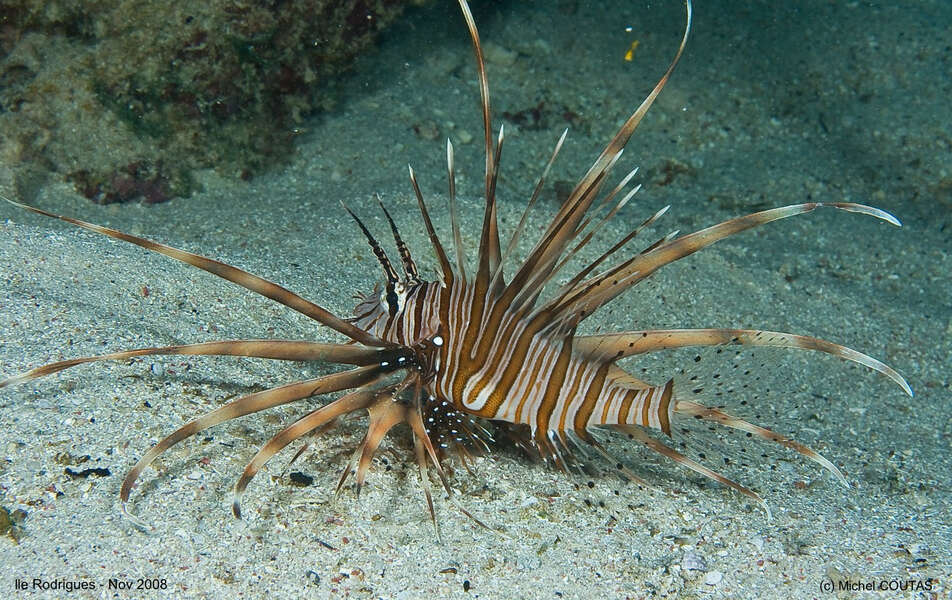
Pterois volitans (Linnaeus, 1758) (Red lionfish)
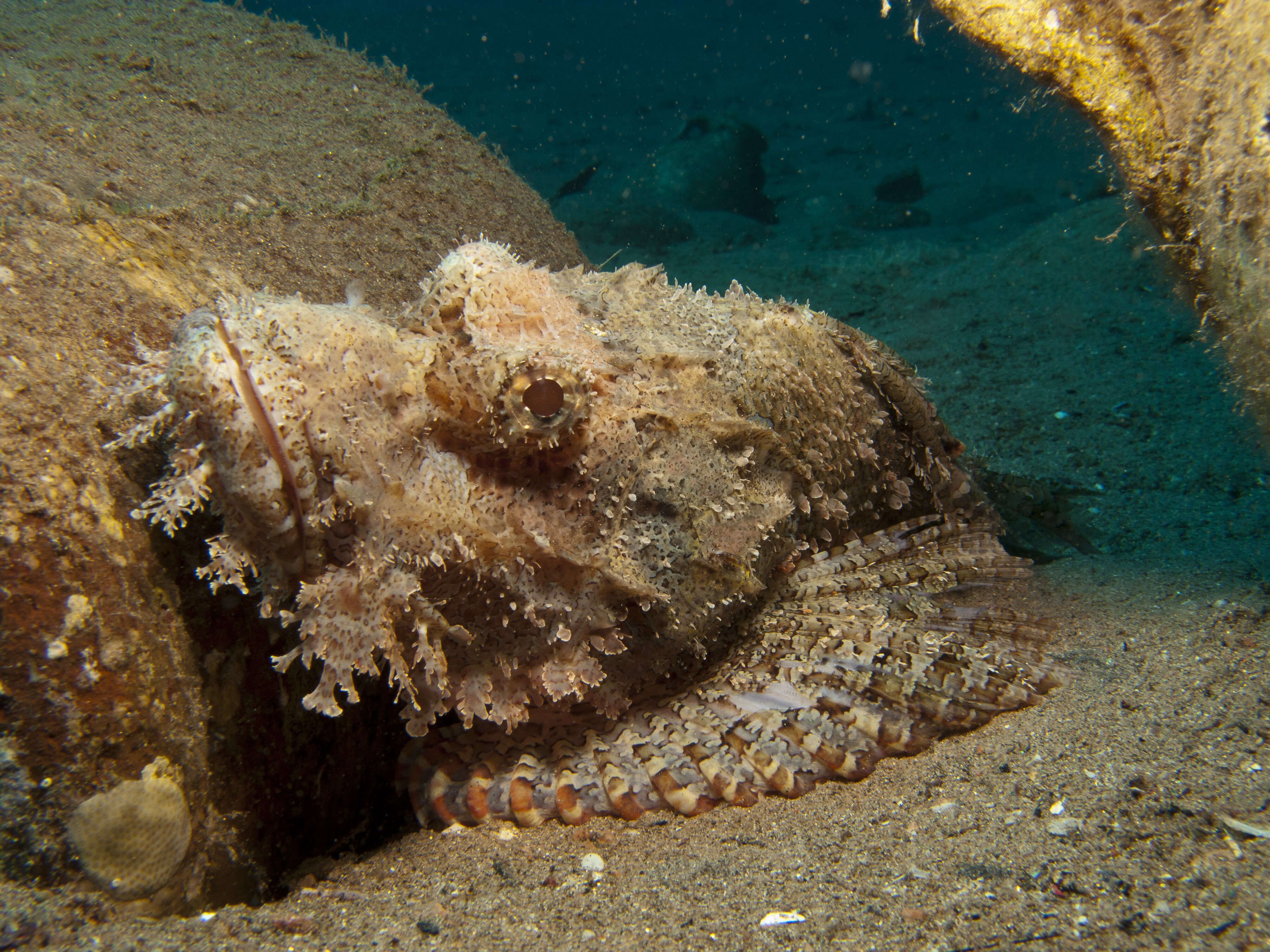
Scorpaenopsis barbata (Rüppell, 1838) (Bearded scorpionfish)
Benthic to at least 30 m .
Taenianotus triacanthus Lacepède, 1802 (Leaf scorpionfish)
Odontodactylus scyllarus (Linnaeus, 1758) (Peacock Mantis Shrimp)
Cymbacephalus beauforti (Knapp, 1973) (Crocodile fish)
Lives on sand or rubble substrates of sheltered or semi-exposed reefs to a depth of at least 8 m . Well camouflaged on reefs .
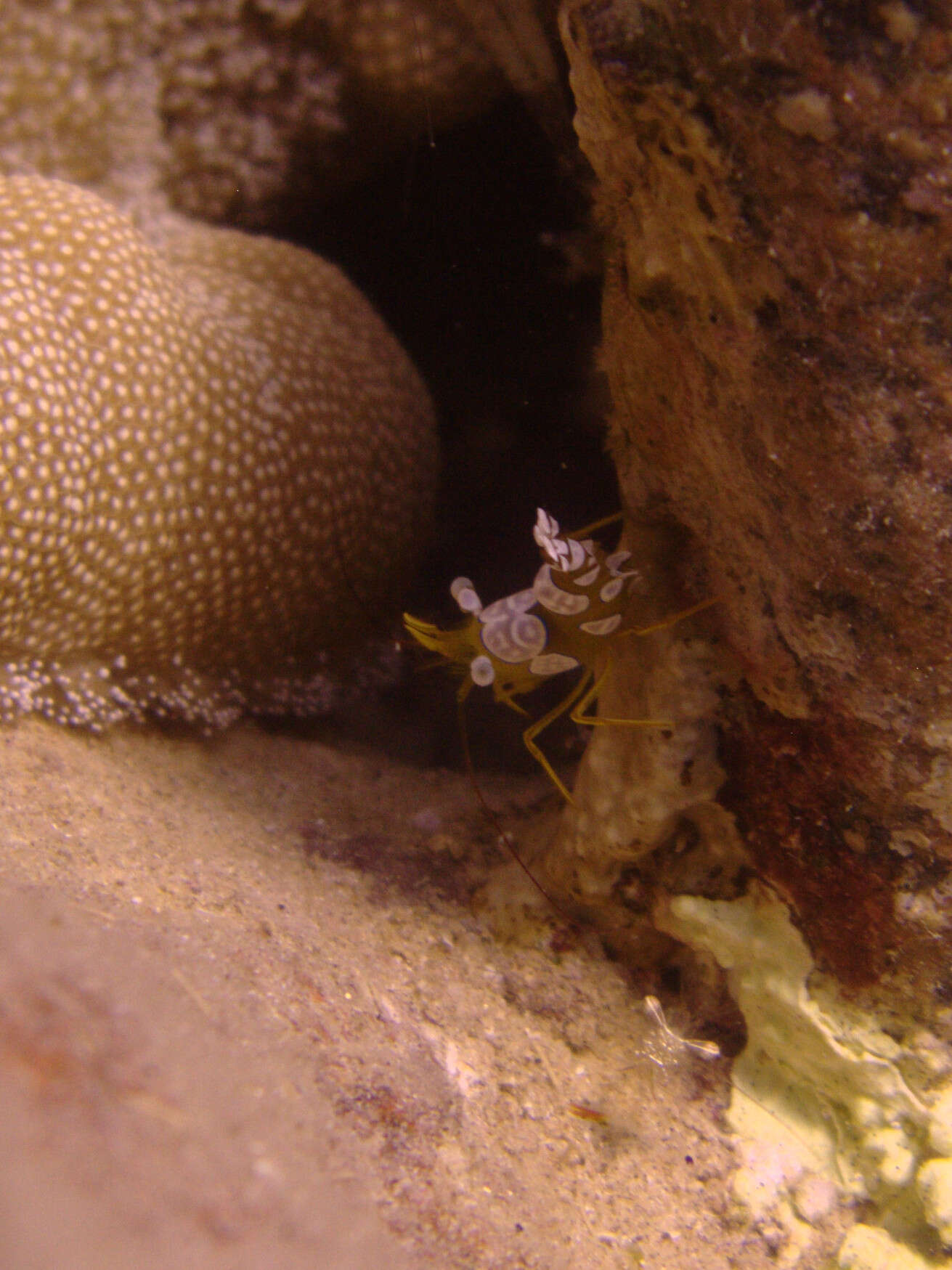
Thor amboinensis (De Man, 1888) (squat anemone shrimp)
Panulirus ornatus (Fabricius, 1798) (ornate spiny lobster)
Octopus bocki Adam, 1941 (Octopus)
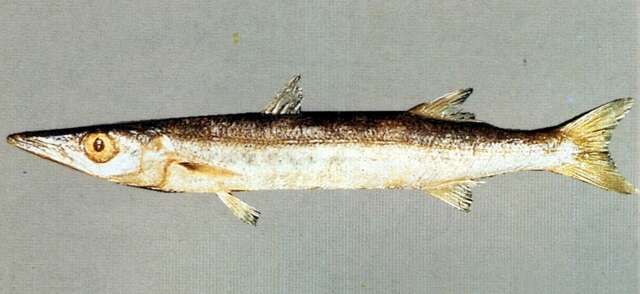
Sphyraena forsteri Cuvier, 1829 (Bigeye barracuda)
Nocturnally active, but occurring in large schools above lagoon patch reefs and along outer reef slopes during the day . Feeds mainly on fishes, but also on penaeid shrimps and squids. Sold fresh, frozen or dried salted. Reports of ciguatera poisoning need confirmation.
Epinephelus corallicola (Valenciennes, 1828) (Malabar grouper)
Common in shallow silty reefs, sometimes in estuarine areas. The ovary was well developed in an examined fish of 30 cm SL.
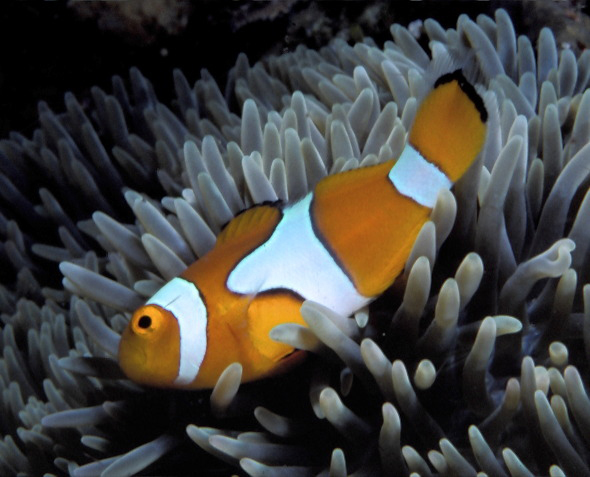
Amphiprion percula (Lacepède, 1802) (Orange clownfish)
Inhabits lagoon and seaward reefs . Each group of fish consists of a breeding pair and 0-4 non-breeders. Within each group there is a size-based hierarchy: the female is largest, the male is second largest, and the non-...
Read More
Read More
Share on Social Networks
- Facebook:

personalize your shared text as well as its destination (wall, page...) or send as a private message to a friend
- Twitter: Tweet personalize your tweet
- Google Plus:
Direct link to this dive
- Long link:
- Short link:


 We are participating today in the startup contest Techcrunch Disrupt. Support Diveboard by voting for us!
























































































FUN DIVE