


 Joey Kuan

 Malaysia
-
Nº43
 Date: 2017-06-17 - 09:00
-
 Max Depth: 0m Duration: 55mins
Pictures

No pictures for this dive
- Dive type : Recreational, Boat
- Visibility: Average Water: Salt
Specific gear used
- Weights: 2 kg
Dive reviews
| Overall review | ||
| Dive difficulty | ||
| Marine life quality |
Recent Divers in Pulau Tenggol
Recent Pictures in Pulau Tenggol
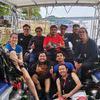
Dive Shop & Buddies
 Dive with Kamil from Viking Scuba Tenggol
 Dive buddies:
Ming Qian
Dive buddies:
Ming Qian

Link to this spot:
- Spot:
- Country:
- Area:
- Body of water:
Dive Profile
- 1. Air
- 12L Steel 200 → 80 bar
- Average depth: 0m
Data provided by EOL.org
Species Identified
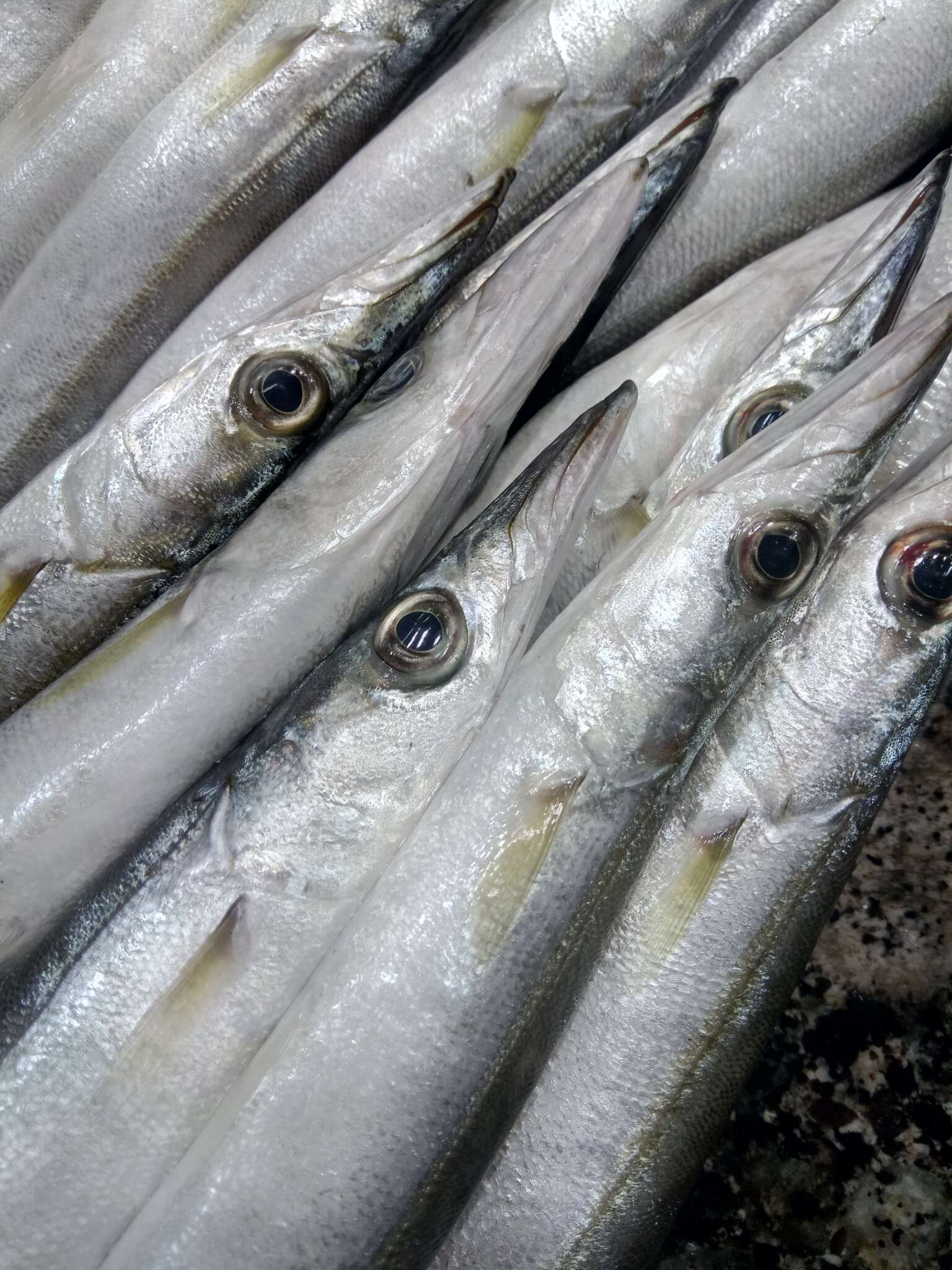
Sphyraena (barracudas)
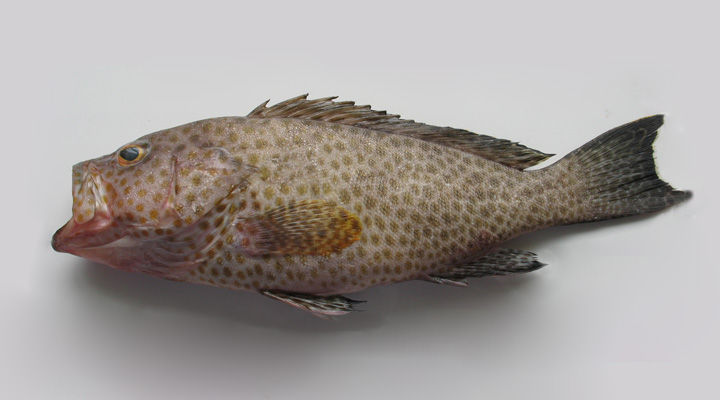
Epinephelus areolatus (Forsskål, 1775) (yellowspotted rockcod)
Usually found in seagrass beds or on fine sediment bottoms near rocky reefs, dead coral, or alcyonarians , in shallow continental shelf waters . Juveniles are common at water depths to 80 m . Probably spawn during restri...
Read More
Read More
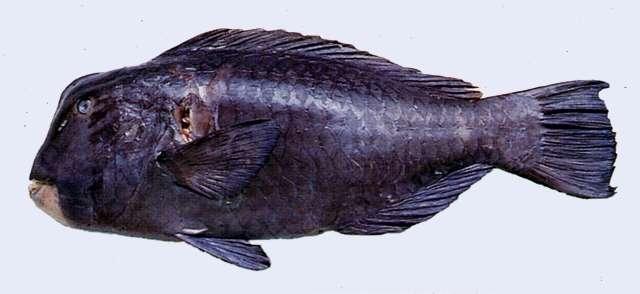
Bolbometopon muricatum (Valenciennes, 1840) (Green humphead parrotfish)
The gregarious humphead parrotfish is always found in small shoals, sometimes consisting of up to 75 individuals . It feeds on a diet of live corals and algae that grow on the ocean bottom, and uses its large bulbous head...
Read More
Read More
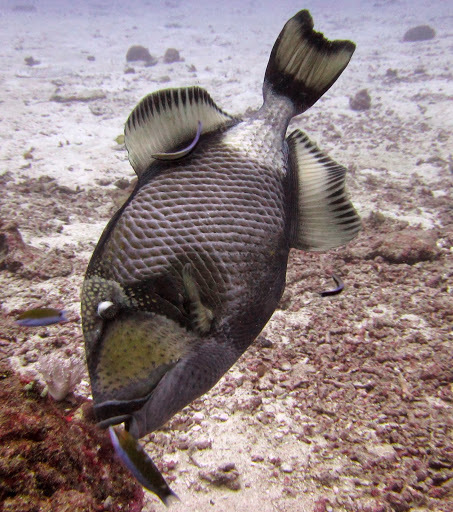
Balistoides viridescens (Bloch and Schneider, 1801) (Titan triggerfish)
Occur in lagoon, seaward reefs and sheltered inner reef slopes . Juveniles often associated with isolated patches of branching coral or rubble of shallow sandy protected areas. Adults occur singly or in pairs on the slo...
Read More
Read More
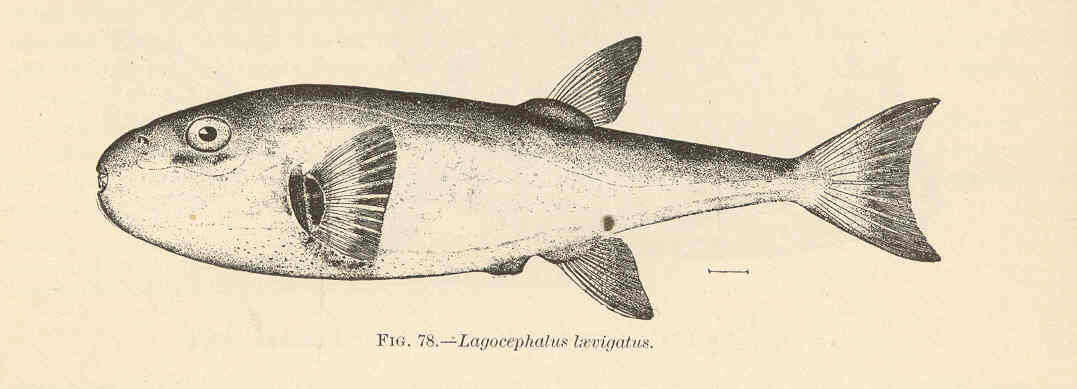
Lagocephalus laevigatus (Linnaeus, 1766) (Puffer)
Inhabits inshore and near-shore areas, over sand or mud bottoms. Usually found alone or in small, loose aggregates. Adults are pelagic, but near continental margins; young are commonly found on coastal and offshore banks...
Read More
Read More
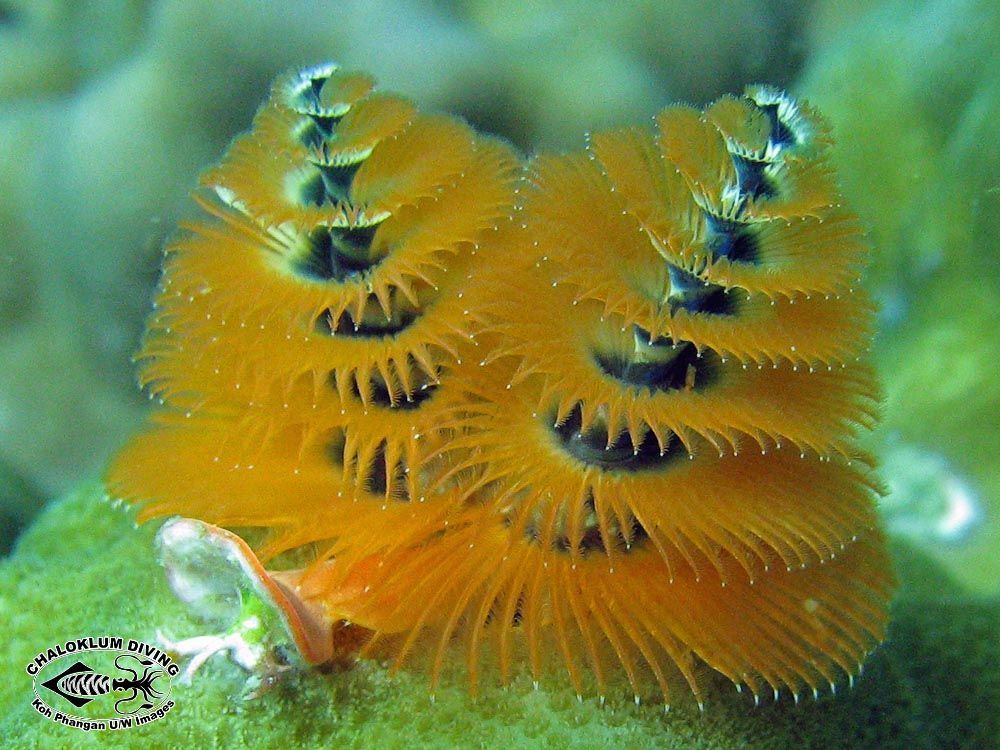
Spirobranchus giganteus (Pallas, 1766) (Christmas Tree Worm)
Share on Social Networks
- Facebook:

personalize your shared text as well as its destination (wall, page...) or send as a private message to a friend
- Twitter: Tweet personalize your tweet
- Google Plus:
Direct link to this dive
- Long link:
- Short link:


 We are participating today in the startup contest Techcrunch Disrupt. Support Diveboard by voting for us!
























































































Don't know how deep we went. Strong current. 3 divers drifted away before descending but manage to regroup underwater. Definitely a first to hold on to corals like it depended on my life.
More marine life in this area than yesterday. Lots of coral life, discovered christmas tree worms.
Some of us used air and were down to 30, which is kind of scary.