



 Jeroam



 Mexico
-
Nº22
 Date: 2014-02-25 - 10:54
-
 Max Depth: 18m Duration: 60mins
Dive Location

- Surface interval:67 mins
- Temp: Surf 27°C Bottom 27°C
- Dive type : Recreational, Drift, Reef, Photo
- Visibility: Good Water: Salt
Specific gear used
- Weights: 3.6 kg
Dive reviews
| Overall review | ||
| Dive difficulty | ||
| Marine life quality |
Recent Divers in Cozumel


Recent Pictures in Cozumel

Link to this spot:
- Spot:
- Country:
- Area:
- Body of water:
Dive Profile
Data provided by EOL.org




Species Identified
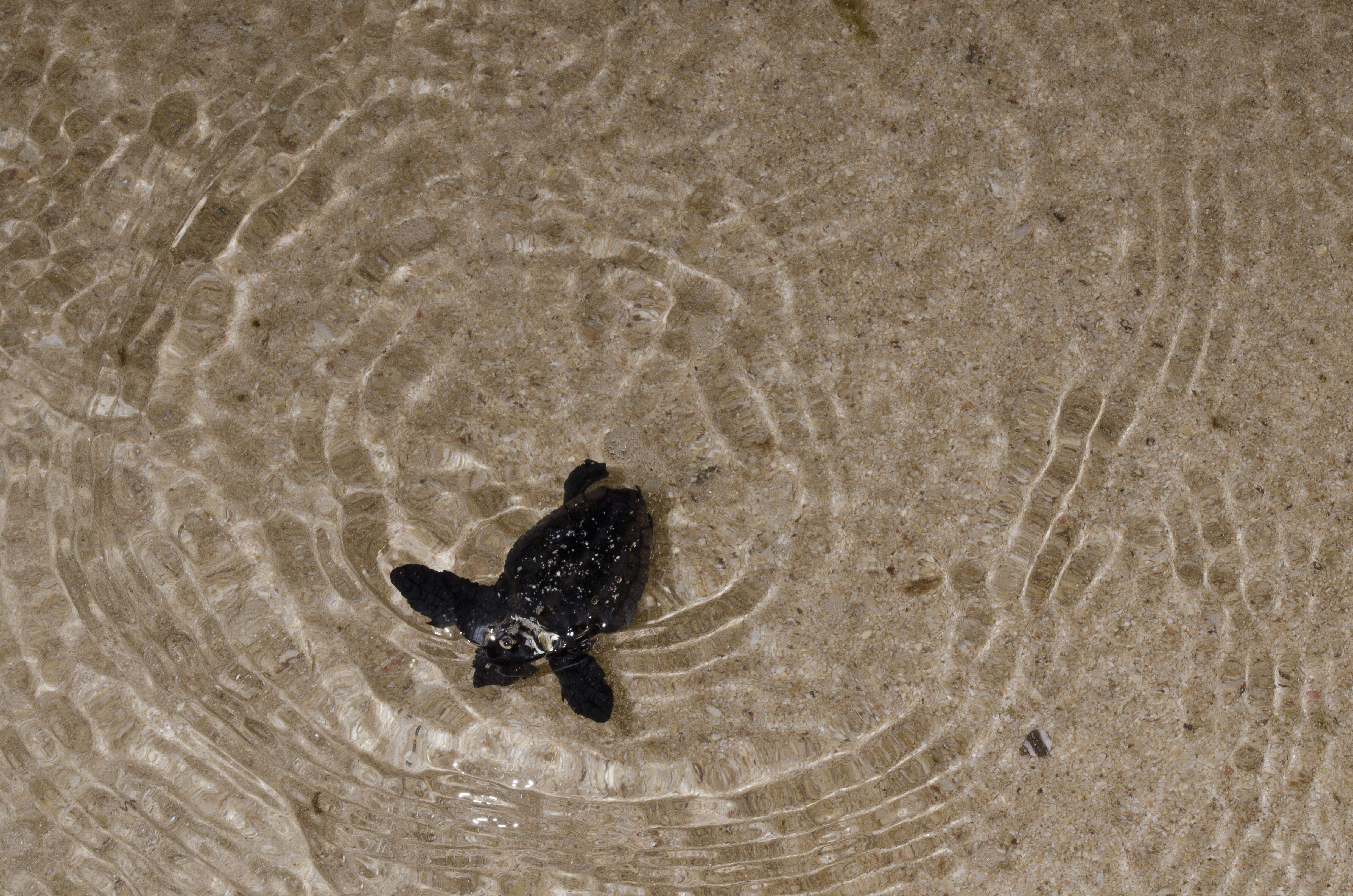
Caretta caretta Linnaeus 1758 (Loggerhead Turtle)
Adults are primarily carnivorous, using their powerful jaws to crack open crustaceans such as crabs and even seemingly impenetrable molluscs such as the queen conch (Strombus gigas) and giant clam (Tridacna s...
Read More
Read More
Chelonia mydas Linnaeus 1758 (Green Turtle)
Green turtles are long-lived and may take up to 59 years to reach sexual maturity Undertaking tremendous feats of navigation, adults return to the same beach to breed each season, part of the population in Brazil astonish...
Read More
Read More
Sphyraena barracuda (Edwards, 1771) (Alho)
Scarus vetula Bloch and Schneider, 1801 (Blownose)
Inhabits coral reefs and adjacent habitats. Feeds on algae scraped from rocks or dead coral. Sleeps in a mucus cocoon . Often seen in groups of one super male with several young adults, most of which are probably females . A protogynous hermaphrodite .
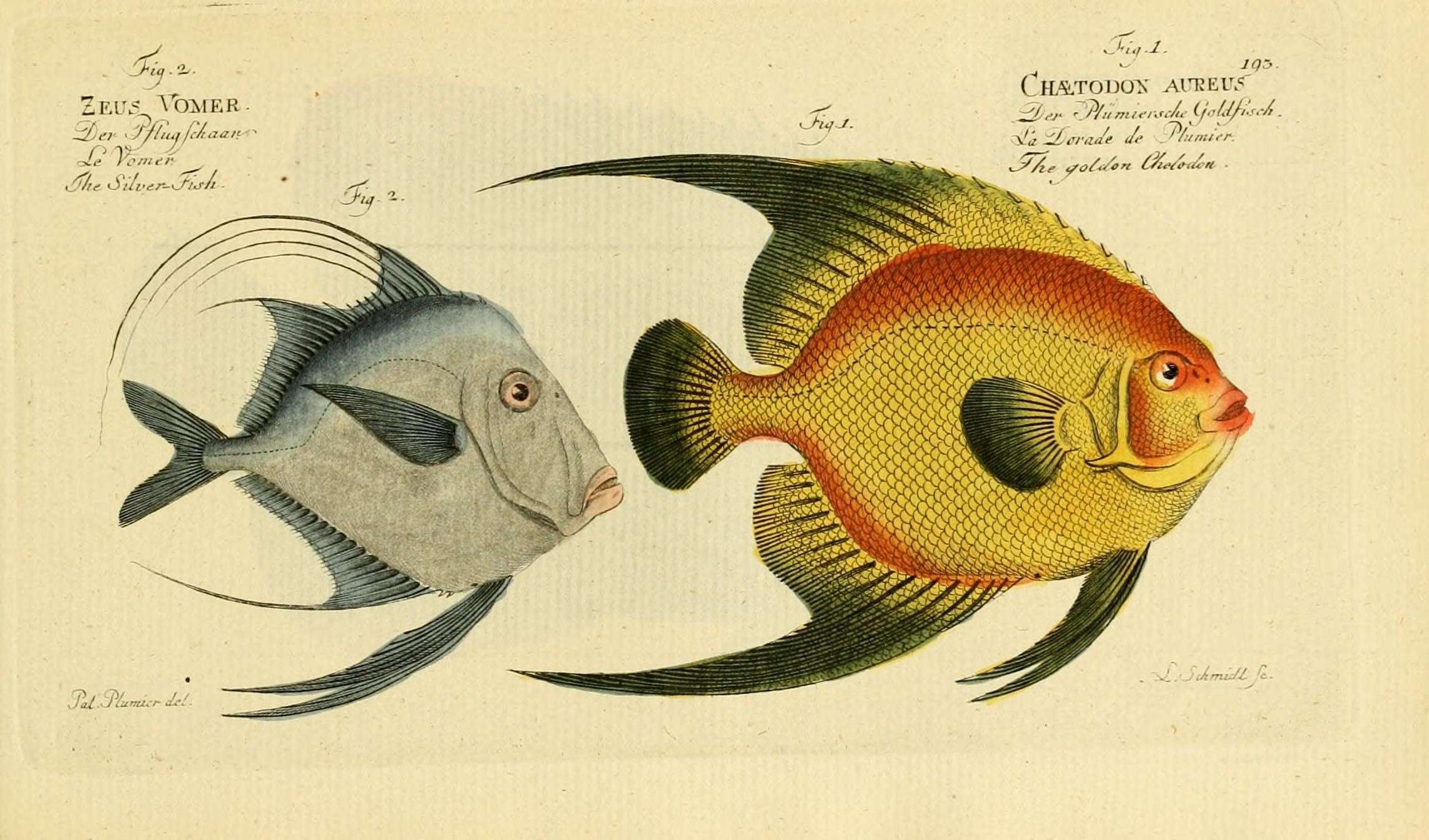
Pomacanthus paru (Bloch, 1787) (French angelfish)
Common in shallow reefs. Usually in pairs, often near sea fans . Feed on sponges, algae, bryozoans, zoantharians, gorgonians and tunicates . Oviparous , monogamous . Spawning pairs are strongly territorial, with usuall...
Read More
Read More
Holacanthus ciliaris (Linnaeus, 1758) (queen angelfish)
Found on coral reefs. Generally occurs solitarily or in pairs. Moves gracefully between seafans, seawhips, and corals . Stomach contents of 26 specimens indicate that the species feeds almost exclusively on sponges supp...
Read More
Read More
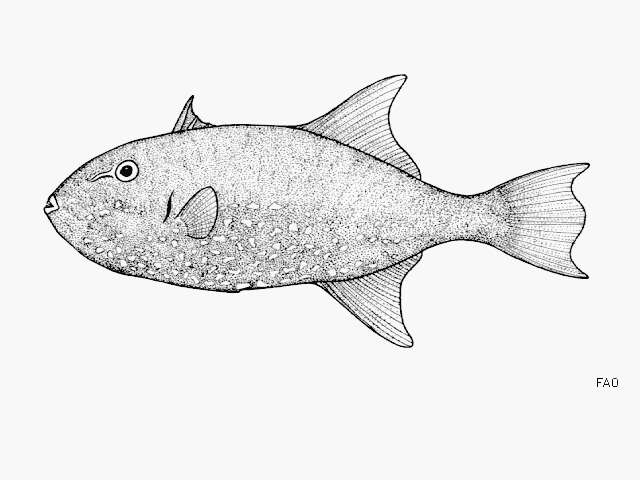
Canthidermis maculata (Bloch, 1786) (Spotted oceanic triggerfish)
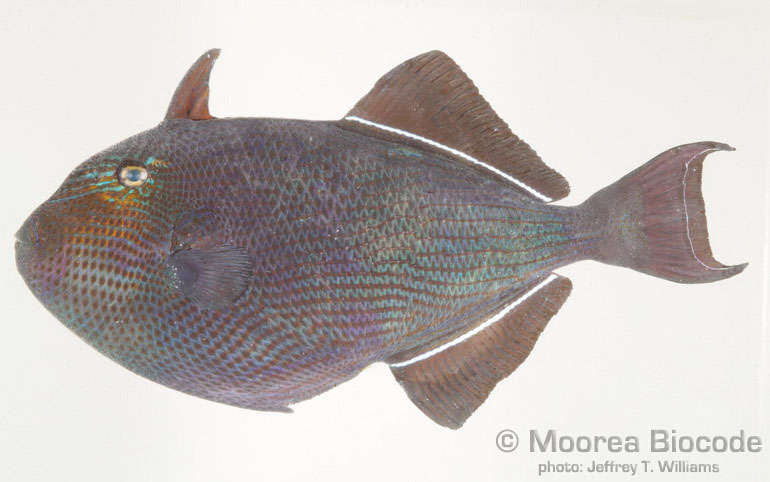
Melichthys niger (Bloch, 1786) (Black triggerfish)
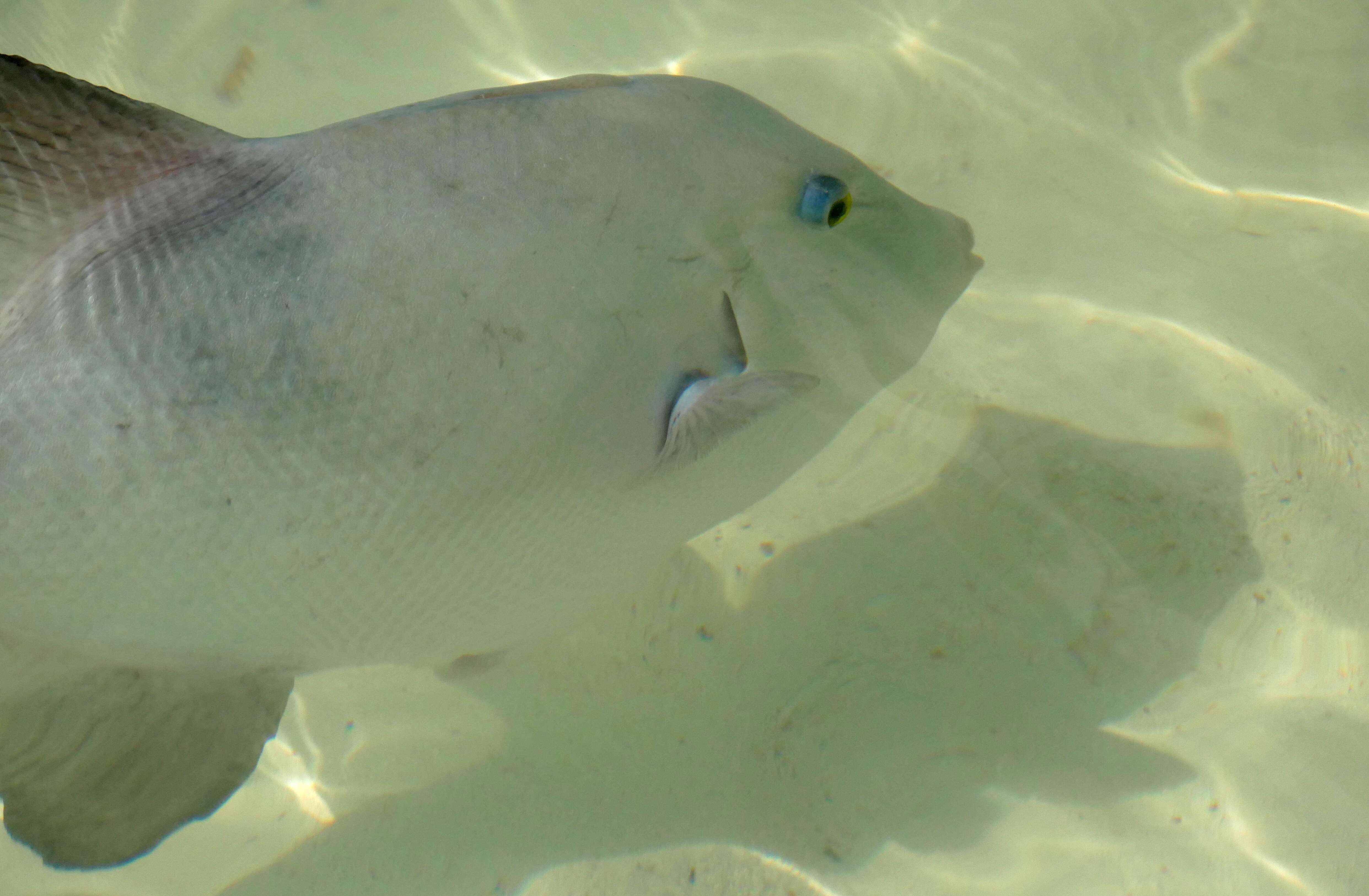
Canthidermis sufflamen (Mitchill, 1815) (Filefish)
Common near drop-offs of seaward reefs . Occasionally in shallow water. Solitary or in small groups in open water. Often associated with Sargassum . Feeds mainly on large zooplankton. Minimum depth reported from Ref. 13121.
Thalassoma bifasciatum (Bloch, 1791) (Blue head)
Inhabits reef areas, inshore bays and seagrass beds. Feeds mainly on zooplankton and small benthic animals, but may also feed on ectoparasites of other fishes . Spawn at midday throughout the year . A protogynous hermap...
Read More
Read More
Halichoeres maculipinna (Müller & Troschel, 1848) (Slippery okra)
Abundant on reef tops and in shallow rocky areas. Found to depths of at least 25 m . Also found in Sargassum beds . Solitary and wary and can be difficult to approach . The tricolored pattern of the initial phase is si...
Read More
Read More
Dasyatis americana Hildebrand and Schroeder, 1928 (stingaree)
The southern stingray is an active swimmer that feeds primarily at night, on a diet of invertebrates and small fishes. They feeding by flapping their wing-like pectoral fins to disturb the sand, and expose their prey . T...
Read More
Read More
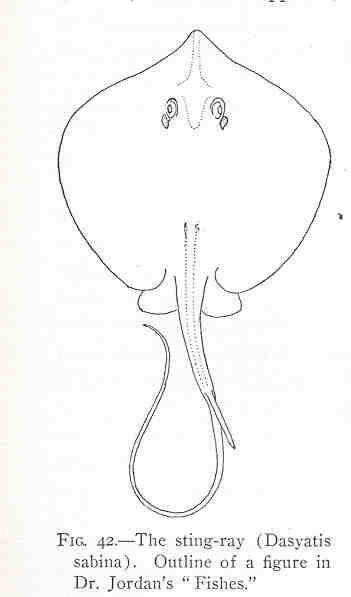
Dasyatis sabina (Lesueur, 1824) (Atlantic stingray)
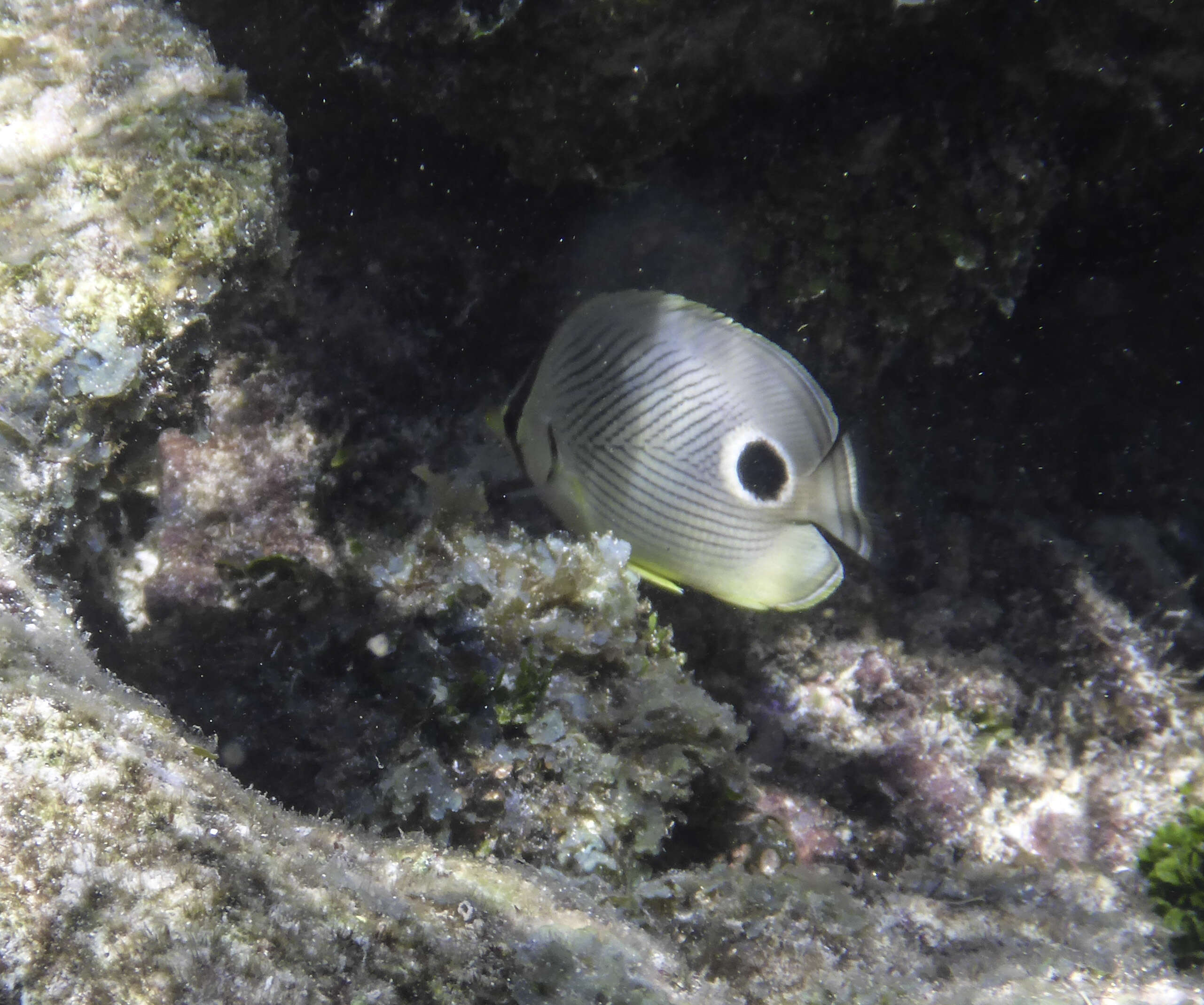
Chaetodon capistratus Linnaeus, 1758 (Butterbun)
Inhabit shallow reefs and generally occurs singly or in pairs. Feed mainly on zoantharians, polychaete worms, gorgonians and tunicates. Easily approached . Oviparous . Form pairs during breeding .
Share on Social Networks
- Facebook:

personalize your shared text as well as its destination (wall, page...) or send as a private message to a friend
- Twitter: Tweet personalize your tweet
- Google Plus:
Direct link to this dive
- Long link:
- Short link:


 We are participating today in the startup contest Techcrunch Disrupt. Support Diveboard by voting for us!
























































































Fun Dive 13 (drift)
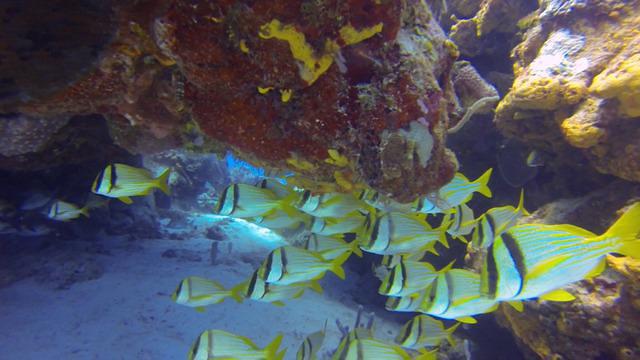
This was our favourite dive site in Cozumel.
- Fast drift across a flat bed, like flying!
- Saw many turtles eating, barracuda, big rainbow parrotfish, big southern stingray, bluehead wrasse, french angelfish, schools of butterflyfish, ocean triggerfish.
- Great light from above.