


 Juankeyter

 Aruba
Aruba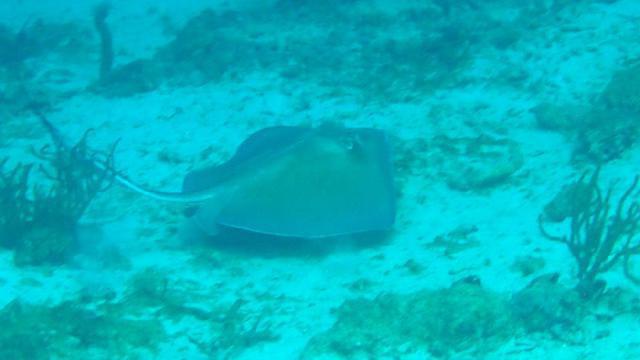
-
Nº154
 Date: 2014-04-12 - 10:45
-
 Max Depth: 19m Duration: 63mins
Dive Location

- Dive type : Recreational, Reef, Photo
Dive reviews
| Overall review | ||
| Dive difficulty | ||
| Marine life quality |
Recent Divers in Caribbean

Recent Pictures in Caribbean


Link to this spot:
- Spot:
- Country:
- Area:
- Body of water:
Dive Profile
Data provided by EOL.org

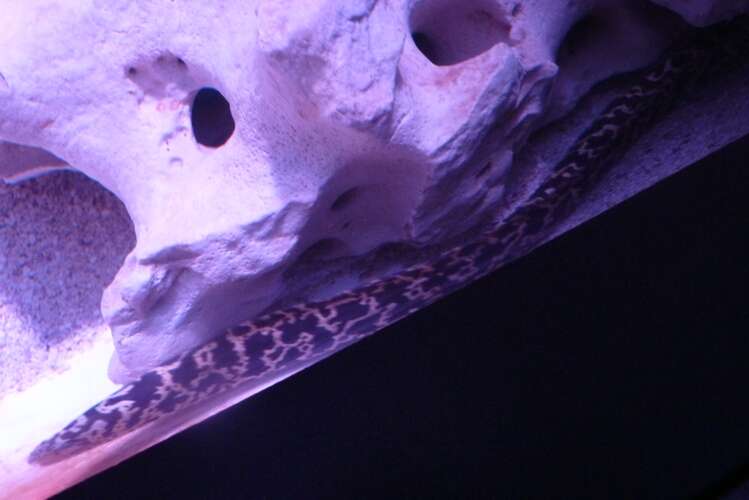



Species Identified
Gymnothorax moringa (Cuvier, 1829) (Common conger)
A benthic and solitary species abundant in shallow rocky and grassy areas and on coral reefs; less common in turbid bays or harbors. Its bite is very dangerous . Active during the day, sometimes together with other pred...
Read More
Read More
Echidna catenata (Bloch, 1795) (Chained moray)
A benthic and solitary species found commonly on reefs and rocky shore areas. Feeds on small fishes and crustaceans . At Fernando de Noronha Archipelago, offNE Brazil, forages for sally lightfoot crabs on exposed reefs...
Read More
Read More
Caranx crysos (Mitchill, 1815) (Bluestripe jack)
A schooling species generally not far from the coast . Juveniles often found in association with floating Sargassum . Feed on fishes, shrimps, and other invertebrates. Spawn offshore from January through August . Eggs ...
Read More
Read More
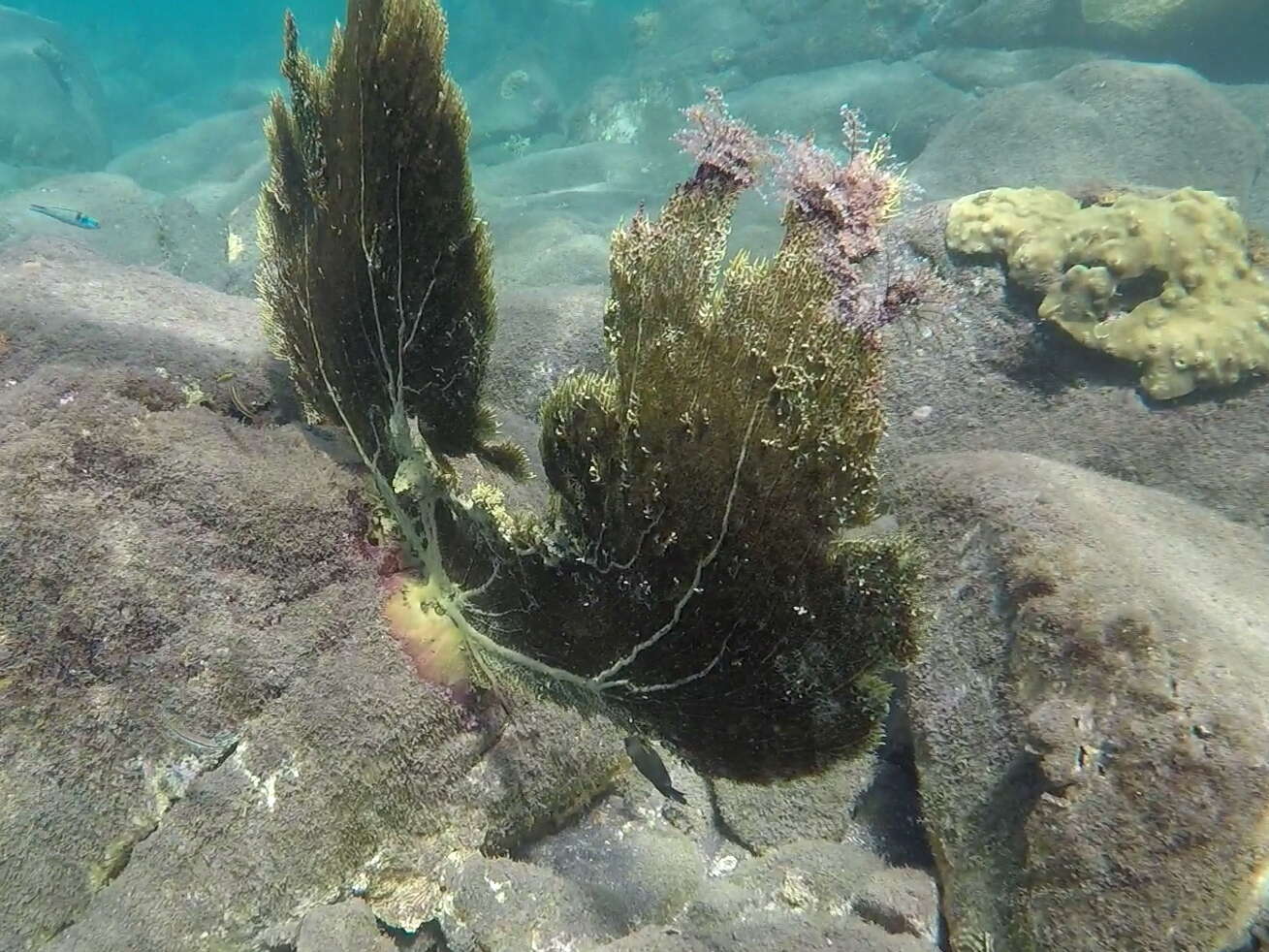
Gorgonia ventalina Linnaeus, 1758 (common sea fan)
Keratoisis flexibilis (Pourtalès, 1868)
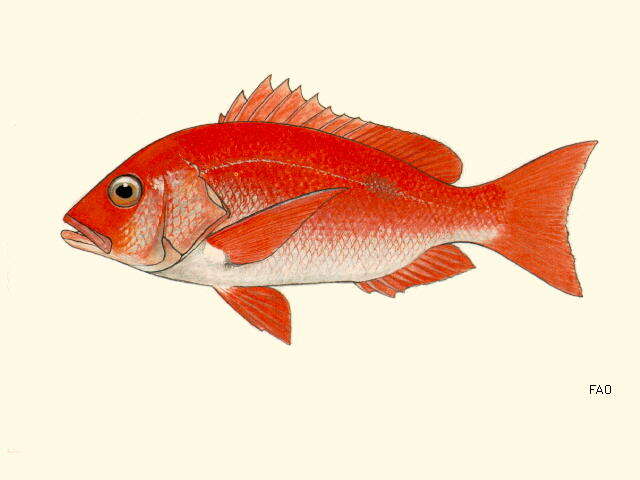
Lutjanus purpureus (Poey, 1866) (Caribbean red snapper)
Inhabits rocky areas. Feeds mainly on fishes, shrimps, crabs, cephalopods and planktonic items.
Sparisoma chrysopterum (Bloch and Schneider, 1801) (Blisterside)
Occurs in coral reefs and adjacent habitats, the young especially in seagrass beds. Juveniles or primary-phase adults rapidly assume a mottled pattern with which they blend with the substratum when they come to rest on the bottom. Feeds on benthic algae and seagrasses.
Dasyatis americana Hildebrand and Schroeder, 1928 (stingaree)
The southern stingray is an active swimmer that feeds primarily at night, on a diet of invertebrates and small fishes. They feeding by flapping their wing-like pectoral fins to disturb the sand, and expose their prey . T...
Read More
Read More
Share on Social Networks
- Facebook:

personalize your shared text as well as its destination (wall, page...) or send as a private message to a friend
- Twitter: Tweet personalize your tweet
- Google Plus:
Direct link to this dive
- Long link:
- Short link:


 We are participating today in the startup contest Techcrunch Disrupt. Support Diveboard by voting for us!
























































































