


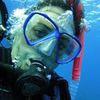
 Kasey Dixon



 Cayman Islands

-
Nº1
 Date: 2012-12-13 - 01:30
-
 Max Depth: 6m Duration: 35mins
Pictures

No pictures for this dive
- Dive type : Recreational, Training, Reef
- Visibility: Excellent Water: Salt
Recent Divers in East End Grand Cayman

Recent Pictures in East End Grand Cayman
Dive Shop & Buddies
 Dive with Ocean Frontiers, Ltd.

Link to this spot:
- Spot:
- Country:
- Area:
- Body of water:
Dive Profile
Data provided by EOL.org



Species Identified
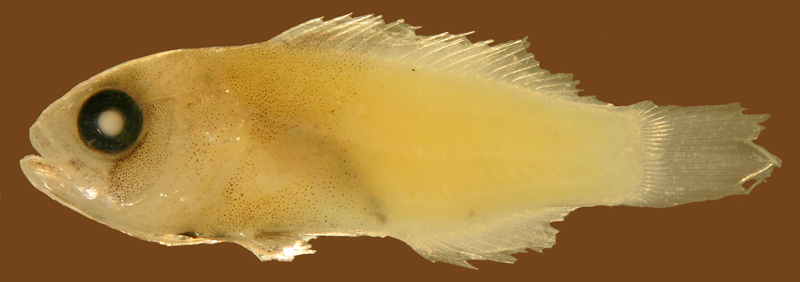
Opistognathus aurifrons (Jordan and Thompson, 1905) (yellowhead jawfish)
Inhabit burrows made of crushed coral or sand. Hovers vertically, above or near its hole. The male courts the female by swimming in an arched position with his fins spread towards her . Male broods the eggs orally . Has been reared in captivity .
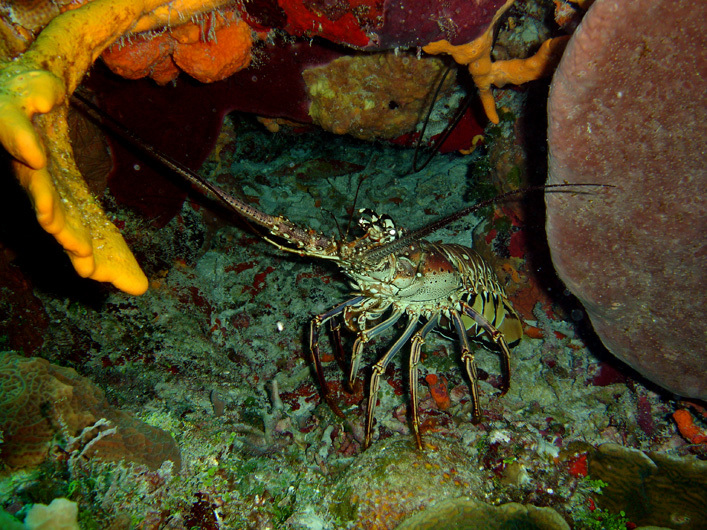
Panulirus argus (Latreille, 1804) (Caribbean spiny lobster)
Dasyatis americana Hildebrand and Schroeder, 1928 (stingaree)
The southern stingray is an active swimmer that feeds primarily at night, on a diet of invertebrates and small fishes. They feeding by flapping their wing-like pectoral fins to disturb the sand, and expose their prey . T...
Read More
Read More
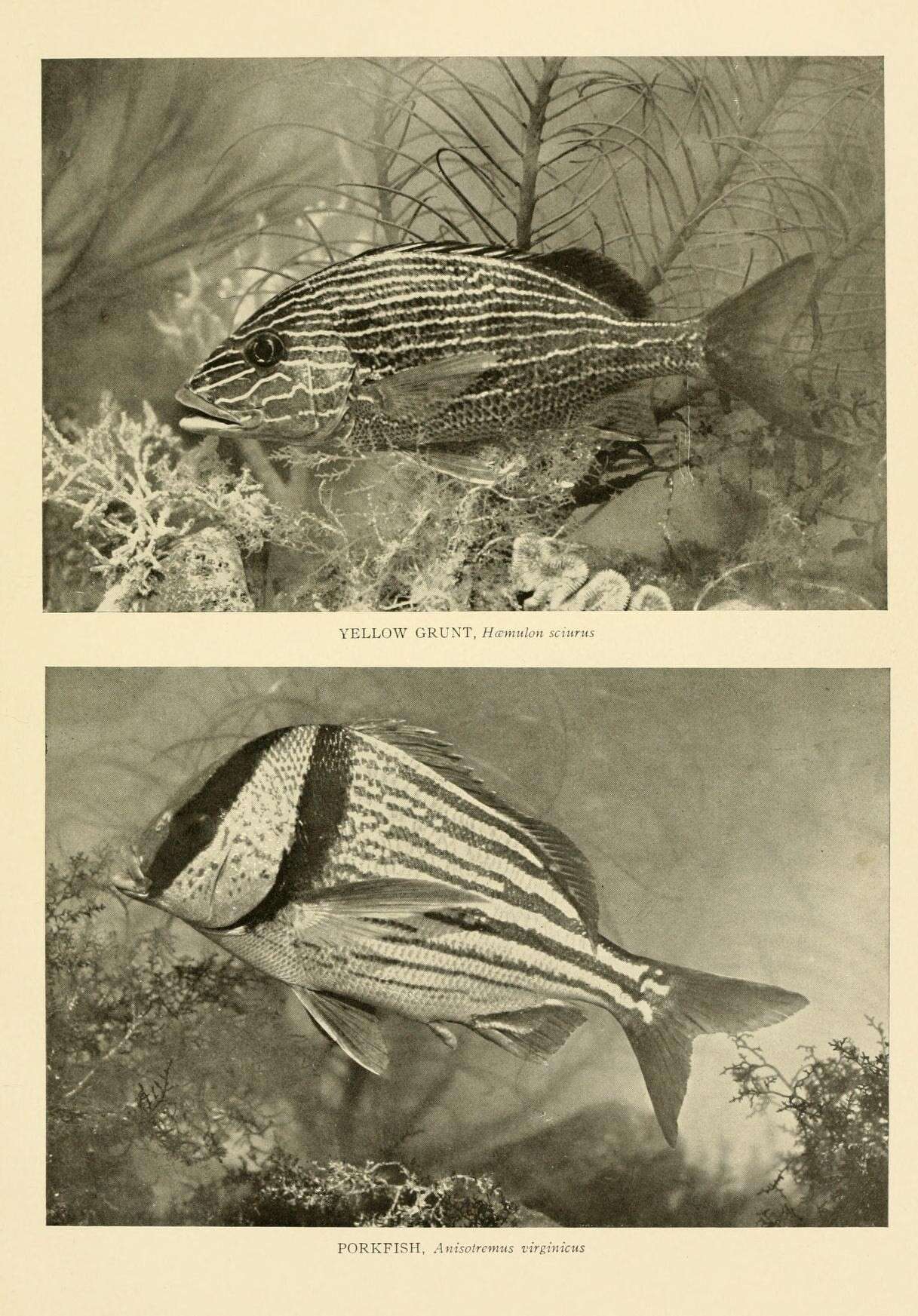
Haemulon sciurus (Shaw, 1803) (Blue striped grunt)
Found in small groups over coral and rocky reefs and drop-offs . Juveniles are abundant in Thalassia beds . Feeds on crustaceans, bivalves, and occasionally on small fishes. Marketed fresh.
Gramma loreto Poey, 1868 (fairy basslet)
Often found in caves or under ledges. Swim with belly toward substratum, thus under ledges seen upside down. Feed on ectoparasites of other fishes . Males show various types of nest care behavior . Retreat into recesses when alarmed . Have been reared in captivity .
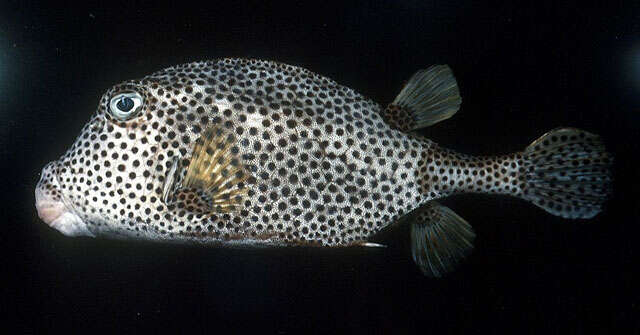
Lactophrys bicaudalis (Linnaeus, 1758) (Trunkfish)
Found in clear water around coral reefs. Sometimes under ledges and near small holes . Feeds on a variety of small bottom invertebrates such as mollusks, crustaceans, starfishes, sea urchins, sea cucumbers, sessile tunic...
Read More
Read More
Sargocentron coruscum (Poey, 1860) (reef squirrelfish)
Inhabit sandy, rocky and coral bottoms . More common on seaward reefs than on protected reefs. Retreat into recesses when alarmed . Nocturnal . Secretive, found deep in crevices between branches of live corals . Oviparous, with planktonic eggs and larvae .
Share on Social Networks
- Facebook:

personalize your shared text as well as its destination (wall, page...) or send as a private message to a friend
- Twitter: Tweet personalize your tweet
- Google Plus:
Direct link to this dive
- Long link:
- Short link:


 We are participating today in the startup contest Techcrunch Disrupt. Support Diveboard by voting for us!
























































































