


 Kelvyn Parkes


 Cyprus

-
Nº765
 Date: 2013-02-19 - 12:22
-
 Max Depth: 31.8m Duration: 46mins
Pictures

No pictures for this dive
- Temp: Bottom 16°C
- Dive type : Recreational, Wreck
- Visibility: Average Water: Salt
Specific gear used
- BCD: A.P.Valves - buddy commando
- Fins: Mares - avanti x3
- Mask: Scubapro -
- Regulator: Apeks - tx 40
- Wet suit: Mares - semi dry
- Weights: 8 kg
Recent Divers in Larnaca

Recent Pictures in Larnaca

Link to this spot:
- Spot:
- Country:
- Area:
- Body of water:
Dive Profile
- 1. Nitrox 27
- 15L Steel 200 → 110 bar
- Average depth: 21.2m
Data provided by EOL.org




Species Identified
Scorpaena neglecta Temminck & Schlegel, 1843 (scorpionfish)
Found on the continental shelf.
Thalassoma pavo (Linnaeus, 1758) (Ornate wrasse)
Inhabits coastal waters near rocks and eel-grass beds. Usually solitary, sometimes in small groups. Feeds on small mollusks and crustaceans . Protogynous hermaphrodite, with distinct sexual dichromatism . Eggs are pelagic .
Symphodus tinca (Linnaeus, 1758) (painted wrasse)
Littoral, found near rocks mainly in eel-grass beds, sometimes in salty lagoons. Often gregarious. Nest of seaweed built and kept by male with one or more females spawning. Feed on sea urchins, ophiuroids, bivalves, shrimps and crabs . Rate of growth is slow . Undergoes sex reversal .
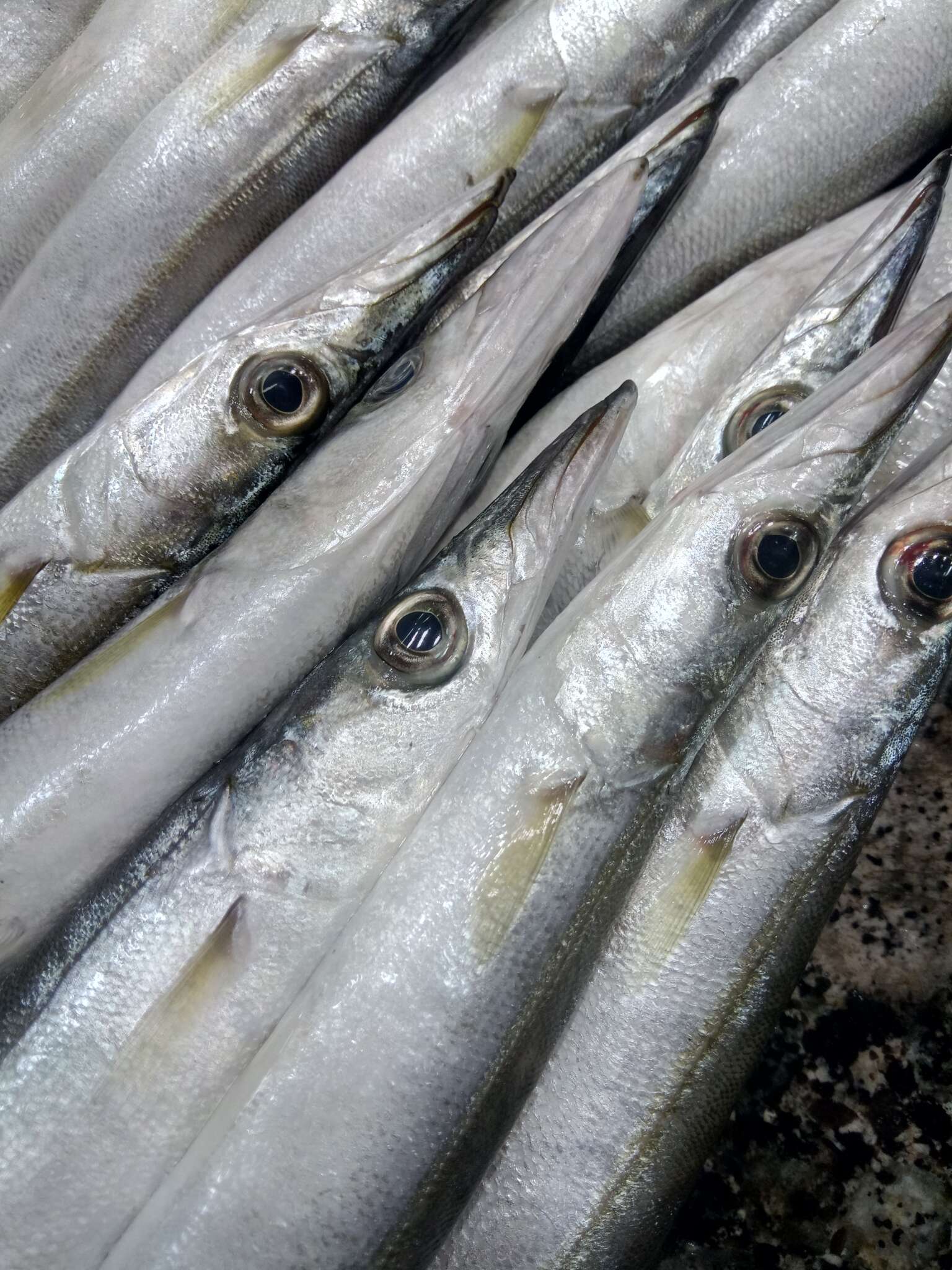
Sphyraena sphyraena (Linnaeus, 1758) (Mediterranean barracuda)
Found in coastal and offshore waters . Feeds mostly on fish, less often on cephalopods and crustaceans .
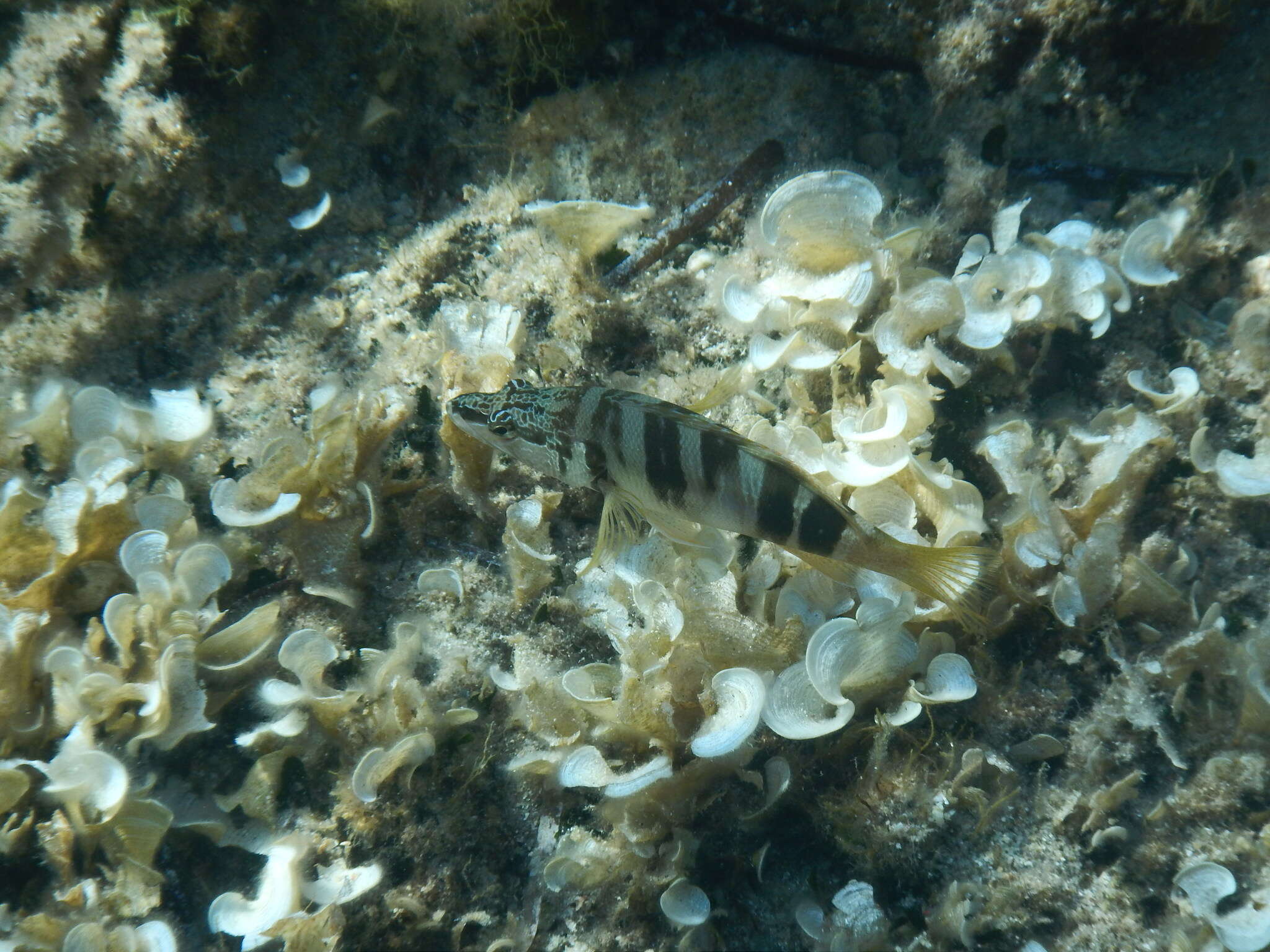
Serranus scriba (Linnaeus, 1758) (Painted comber)
Found on rocky bottom and on Posidonia beds. Feed on fishes and crustaceans.
Sargocentron rubrum (Forsskål, 1775) (Redcoat)
Found in coastal reefs ; silty reefs or wrecks in lagoons, bays, or harbors , may occur in aggregations; also found hidden in caves and cracks of rocks during the day , usually in areas subject to strong currents . Feed m...
Read More
Read More
Lithognathus mormyrus (Linnaeus, 1758) (Striped seabream)
Found on the shelf, over sandy and muddy bottoms as well as seagrass-beds and estuaries. Gregarious, sometimes forming sizeable schools. Feeds on worms, mollusks and small crustaceans. Protandric hermaphrodite . Flesh excellent ; sold fresh and dried.
Diplodus vulgaris (Geoffroy Saint-Hilaire, 1817) (Common two-banded seabream)
A euryhaline species inhabiting rocky and sometimes sandy bottoms to depths of 160 m, but more commonly in less than 50 m. The young are sometimes found in seagrass beds. Adults feed on crustaceans, worms and mollusks . Important food fish.
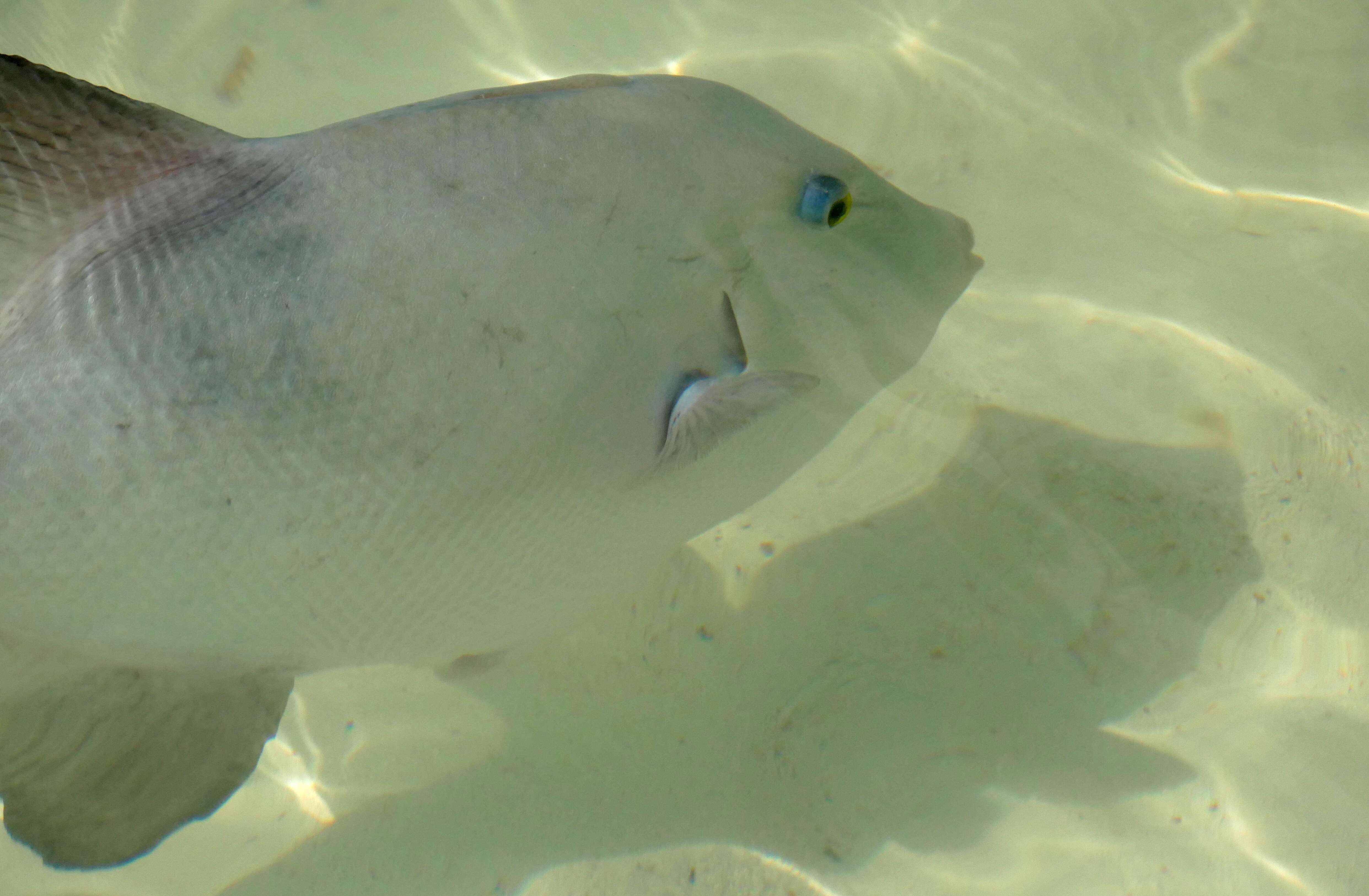
Canthidermis sufflamen (Mitchill, 1815) (Filefish)
Common near drop-offs of seaward reefs . Occasionally in shallow water. Solitary or in small groups in open water. Often associated with Sargassum . Feeds mainly on large zooplankton. Minimum depth reported from Ref. 13121.
Muraena retifera Goode and Bean, 1882 (Moray eel)
Known only from moderate depths along outer continental shelf.
Chromis limbaughi Greenfield and Woods, 1980 (Damselfish)
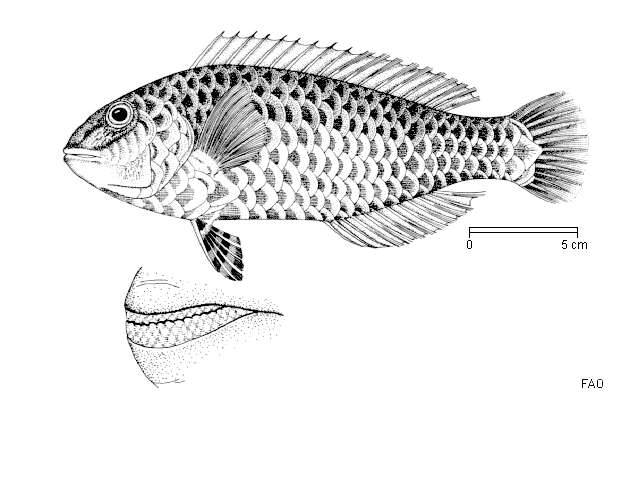
Sparisoma cretense (Linnaeus, 1758) (parrotfish)
In shallow water along rocky shores. Feed on algae and small invertebrates . Herbivore species with specialized pharyngeal bones and muscles . Breeding occurs from July to September, with juveniles recruiting in late summer in Portugal .
Epinephelus marginatus (Lowe, 1834) (Duskey grouper)
The dusky grouper is a protogynous hermaphrodite, meaning that it matures as a female but later develops into a male as it grows larger and older . Sexual maturity is attained fairly late, when females are around five year...
Read More
Read More
Share on Social Networks
- Facebook:

personalize your shared text as well as its destination (wall, page...) or send as a private message to a friend
- Twitter: Tweet personalize your tweet
- Google Plus:
Direct link to this dive
- Long link:
- Short link:


 We are participating today in the startup contest Techcrunch Disrupt. Support Diveboard by voting for us!
























































































