


 Dominican Republic

-
Nº1
 Date: 2012-11-04 - 02:30
-
 Max Depth: 12m Duration: 50mins
Pictures

No pictures for this dive
- Dive type : Recreational, Training, Reef
- Visibility: Average Water: Salt
Recent Divers in Boca Chica
Recent Pictures in Boca Chica
Dive Shop & Buddies
 Dive with Robert Sherlock from Treasure Divers
 Dive buddies:
nickname

Link to this spot:
- Spot:
- Country:
- Area:
- Body of water:
Dive Profile
- 1. Air
- 12L Steel 200 → 50 bar
- Average depth: 8m
Data provided by EOL.org





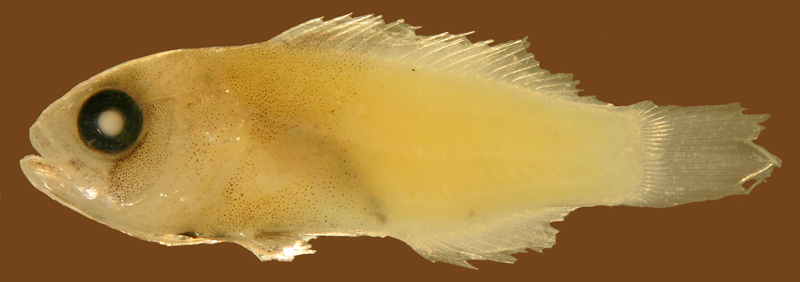

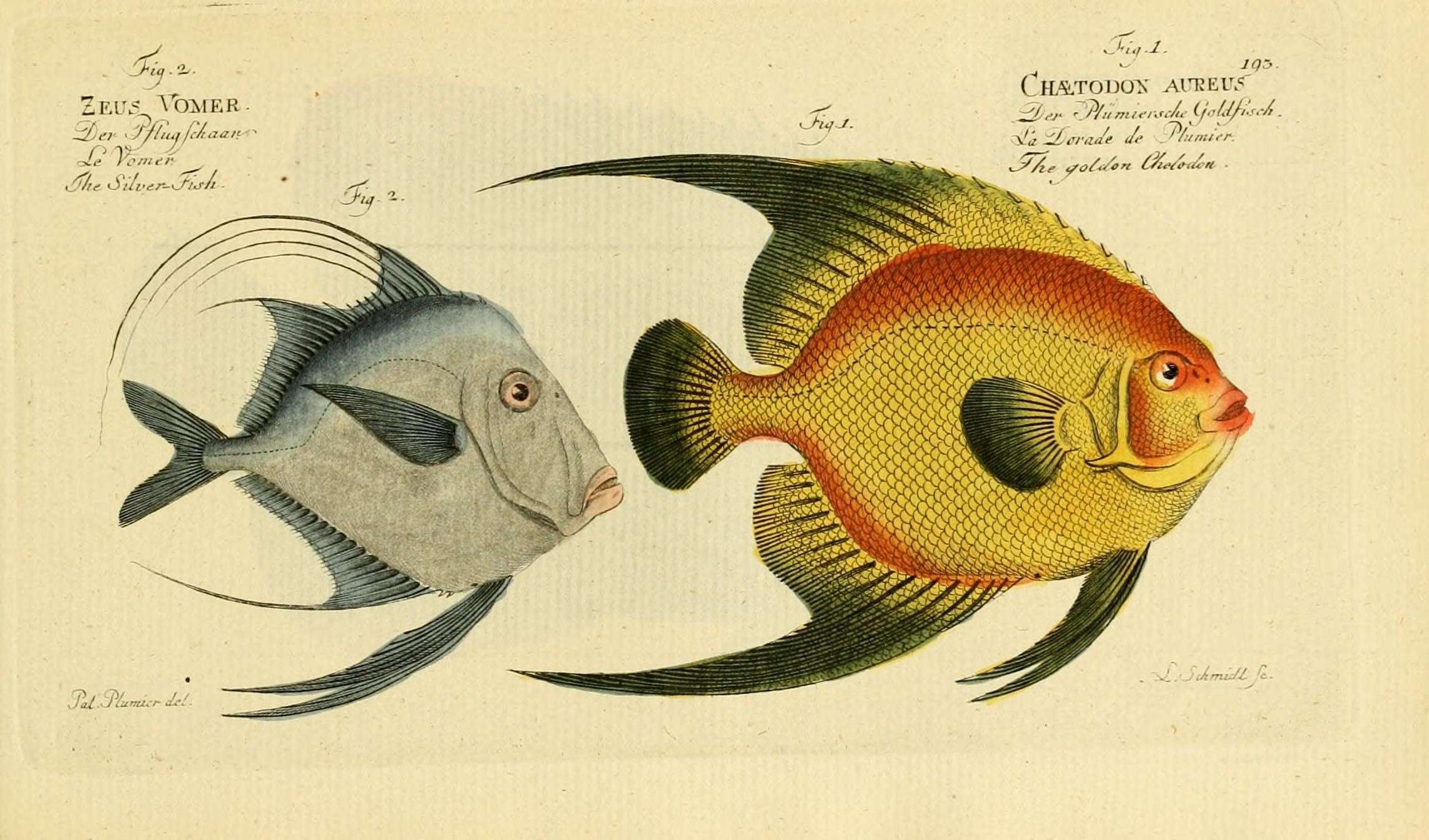
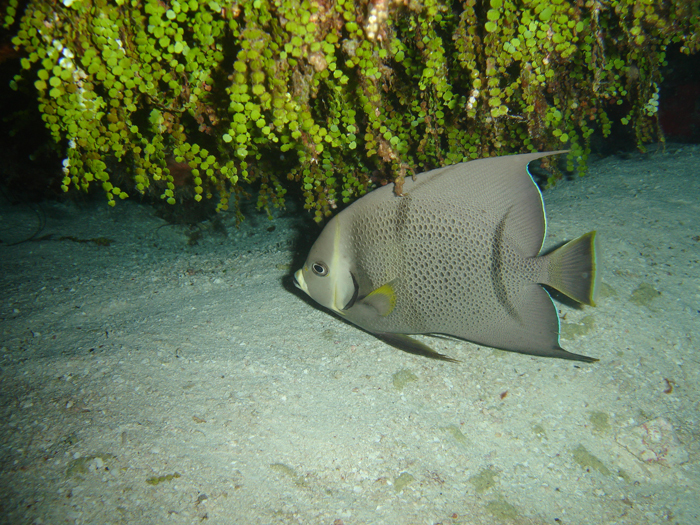
Species Identified
Ophioblennius atlanticus (Valenciennes, 1836) (redlip blenny)
Ophioblennius larvae are frequently taken in deep water column . The adults are restricted to shallow waters and dwell among rocks and coral reefs ; where there is considerable wave action . Bites very severely, with its...
Read More
Read More
Malacoctenus triangulatus Springer, 1959 (Saddled blenny)
Inhabits coral reefs and rocky shores. Often found in crevices, or among weed and rubble . Feeds on crustaceans .
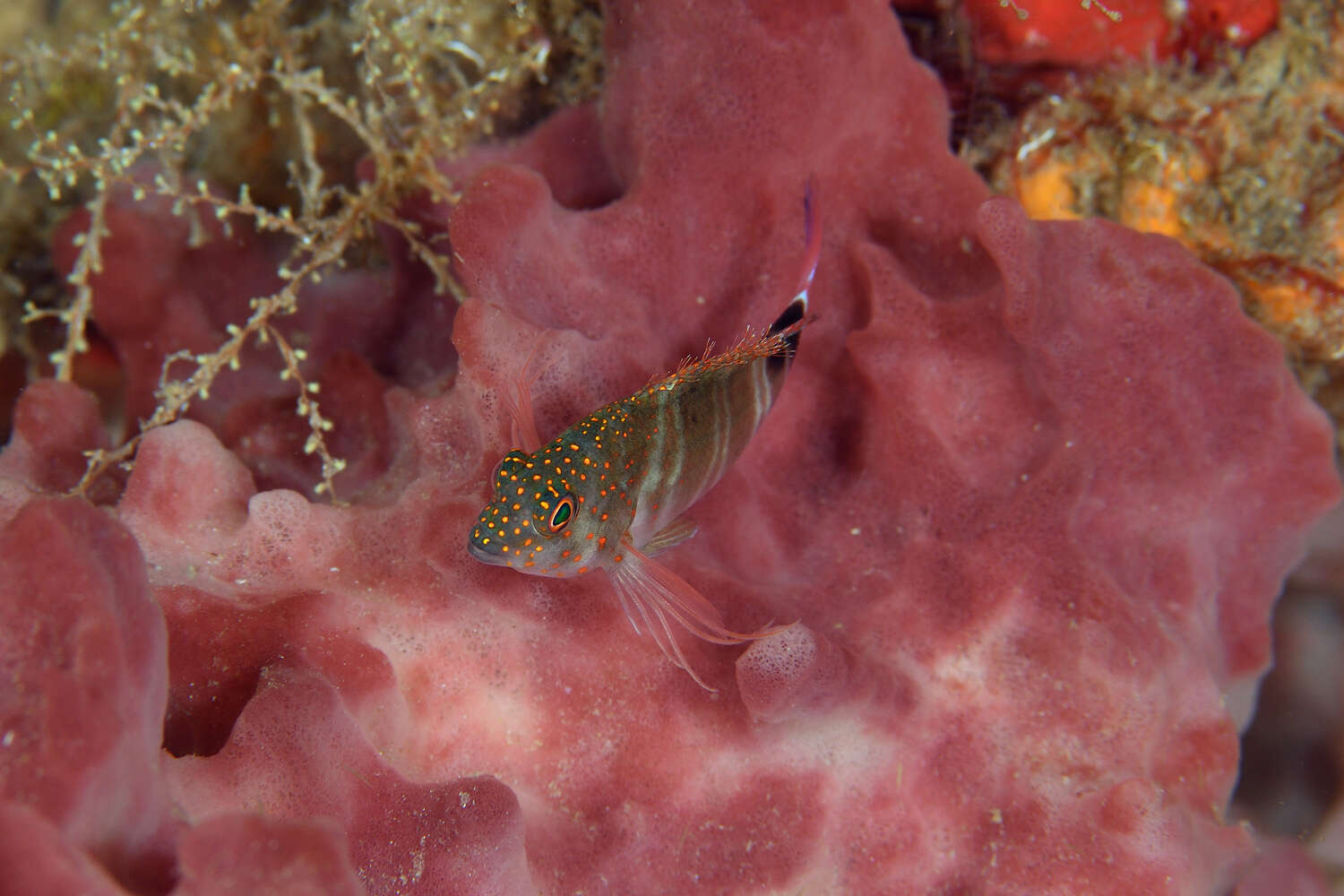
Acanthemblemaria spinosa Metzelaar, 1919 (spinyhead blenny)
Inhabits small patch reefs surrounded by white sand . Observed primarily on dead surfaces of elkhorn coral , but significantly more males than females were found on live coral surfaces. Males occurred twice as frequent...
Read More
Read More
Coryphopterus eidolon Böhlke & Robins, 1960 (pallid goby)
Inhabits reef areas deeper than 6 m.
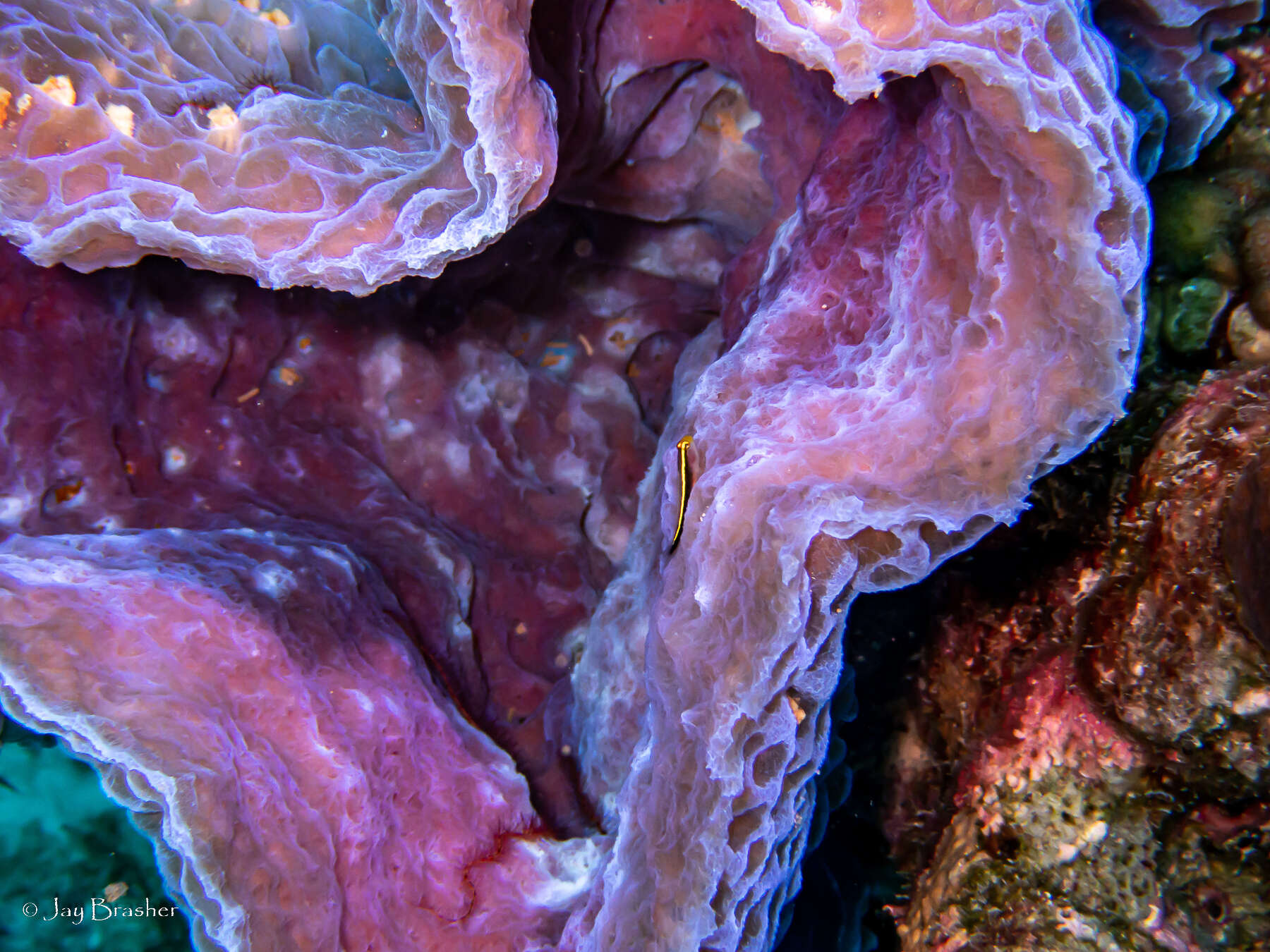
Elacatinus horsti (Metzelaar, 1922) (yellowline goby)
Always lives in association with tube sponges or massive sponges. Difficult to approach .
Coryphopterus glaucofraenum Gill, 1863 (Bridled goby)
Inhabits clear white sandy areas near deep reefs and grassy and rocky areas. Burrows in the sand and the male guards the eggs . The Bridled goby, which has X-shaped marks and spots, occurs in both clear and more murky in...
Read More
Read More
Elacatinus multifasciatus (Steindachner, 1876) (greenband goby)
Inhabits pitted limestone faces and tide pools in surf areas in clear waters. Usually found among spines of rock-boring sea urchins . A protogynous hermaphrodite . Has been reared in captivity .
Ginsburgellus novemlineatus (Fowler, 1950) (Nineline goby)
Inhabits shallow areas with clear water and coral formations , often in close association with the sea urchin Echinometra lucunter. Possesses a ventral sucking disk which allows it to adhere to the rock beneath the test o...
Read More
Read More
Coryphopterus personatus (Jordan & Thompson, 1905) (masked goby)
Occurs in schools near large coral columns and heads. Has been reared in captivity . Hovers above bottom in caves and shaded areas in reefs .
Amblycirrhitus pinos (Mowbray, 1927) (Grannyfish)
Moderately common in rocky areas and among rubble, often in crevices and shallow caves. Usually lies at rest on the substrate . Feeds primarily on small crustaceans, particularly copepods, shrimps and shrimp larvae, crabs and crab larvae as well as polychaetes .
Acanthurus coeruleus Bloch and Schneider, 1801 (Blue tang surgeonfish)
Inhabits coral reefs, inshore grassy or rocky areas. Forms small groups . Mainly diurnal. Feeds entirely on algae . At Fernando de Noronha Archipelago in southwestern Atlantic, juveniles hold cleaning stations togeth...
Read More
Read More
Acanthurus bahianus Castelnau, 1855 (Barber)
Inhabits shallow bottoms with coral or rocky formations . Usually occurs in groups of five or more individuals. Mainly diurnal species. Feeds on algae. The spine on both sides of the caudal peduncle may inflict painful wounds . Marketed fresh. Minimum depth reported from Ref. 27115.
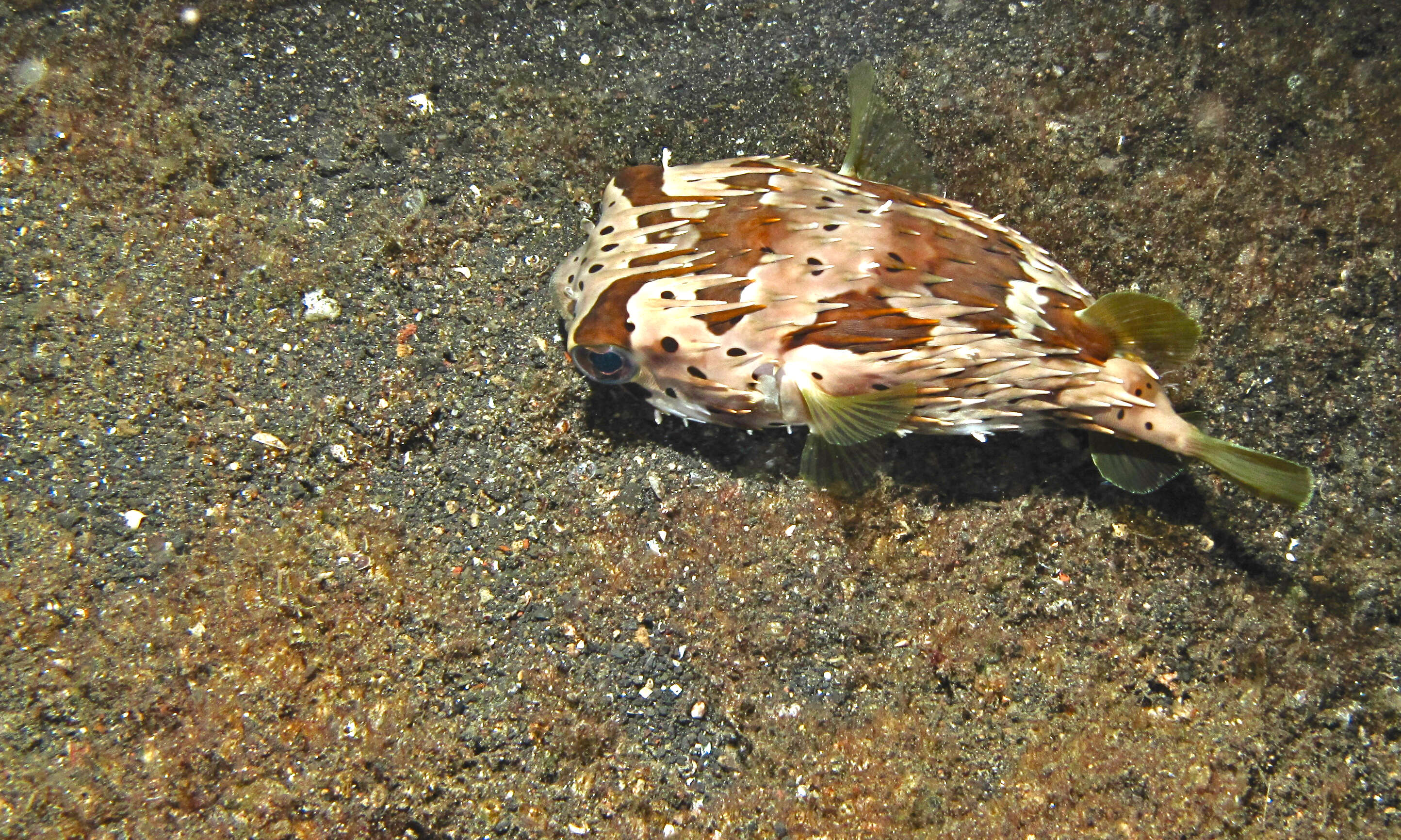
Diodon holocanthus Linnaeus, 1758 (Long-spine porcupinefish)
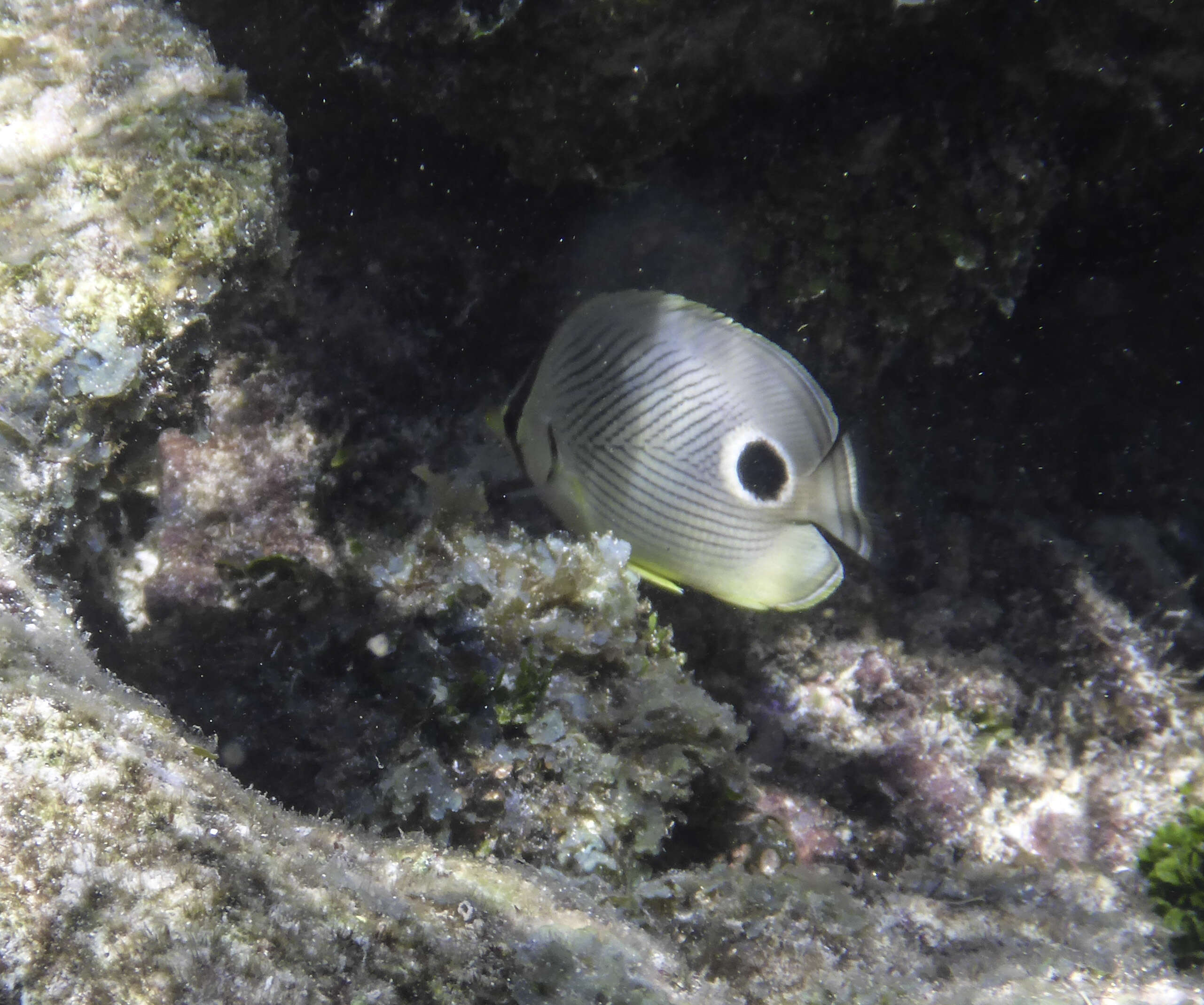
Chaetodon capistratus Linnaeus, 1758 (Butterbun)
Inhabit shallow reefs and generally occurs singly or in pairs. Feed mainly on zoantharians, polychaete worms, gorgonians and tunicates. Easily approached . Oviparous . Form pairs during breeding .
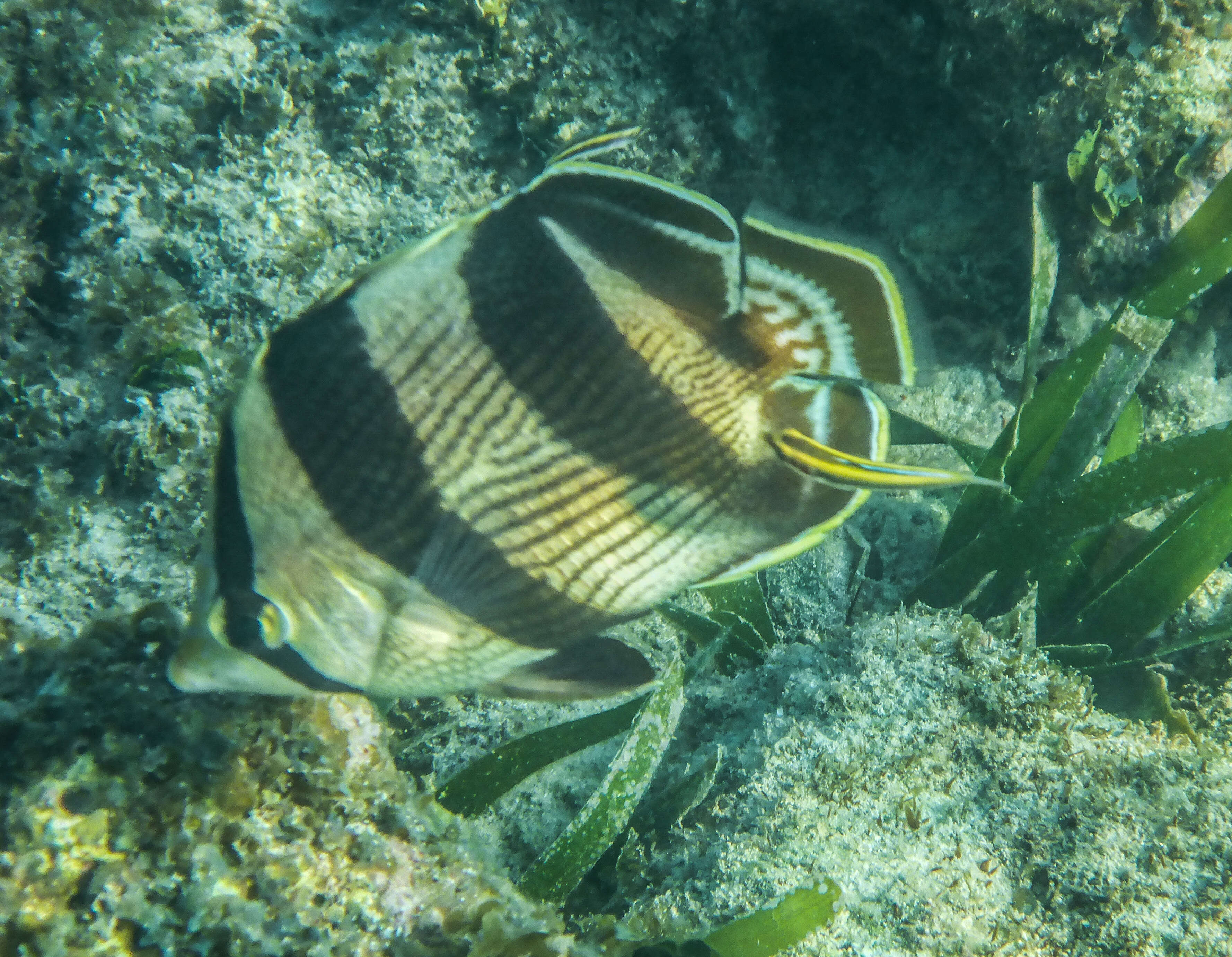
Chaetodon striatus Linnaeus, 1758 (Butterbun)
Inhabit coral reefs. Occur singly or in pairs. Feed on polychaete worms, coral polyps, crustaceans and mollusk eggs. Oviparous , monogamous . Form pairs during breeding . Adults may form plankton-feeding aggregations ...
Read More
Read More
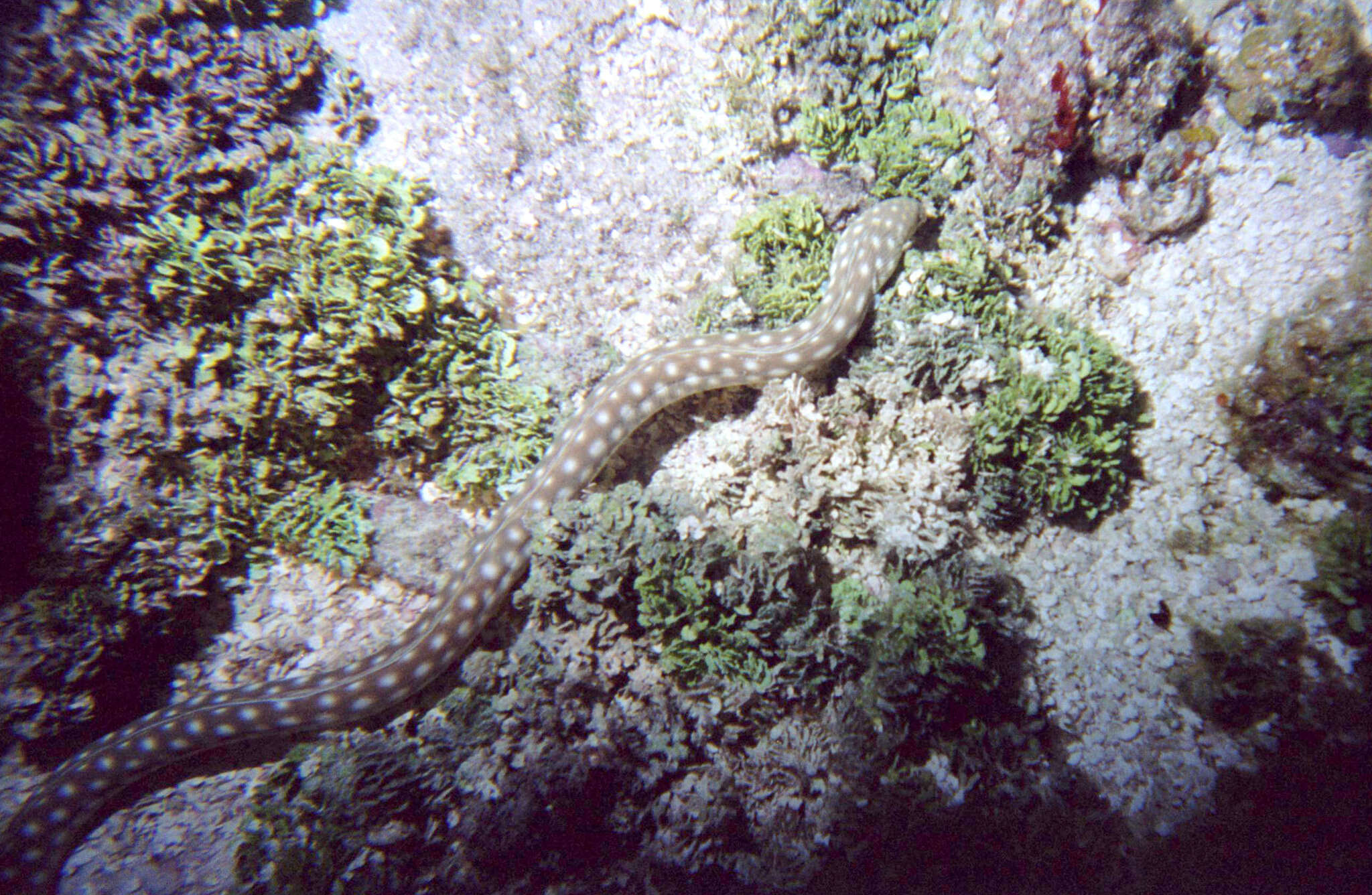
Myrichthys breviceps (Richardson, 1848) (Culebra rosario)
Commonly encountered swimming near the bottom in clear water from harbors to reefs. More common along continent and in grassy areas . Found in shallow areas to depths of 9 m. Feeds mainly on crabs. .
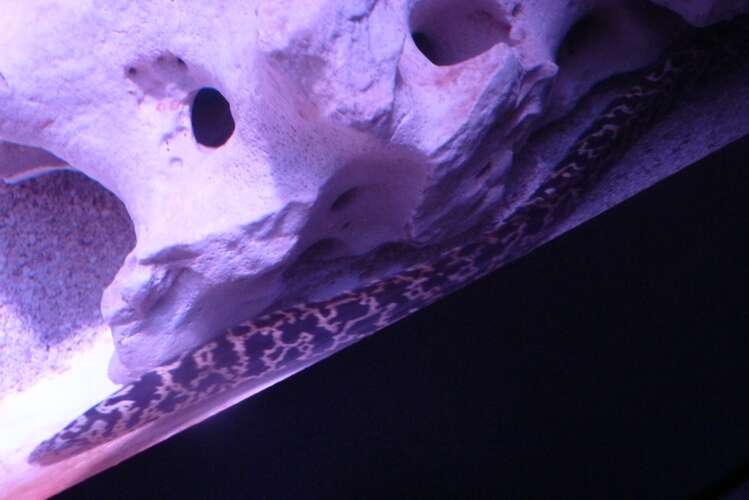
Echidna catenata (Bloch, 1795) (Chained moray)
A benthic and solitary species found commonly on reefs and rocky shore areas. Feeds on small fishes and crustaceans . At Fernando de Noronha Archipelago, offNE Brazil, forages for sally lightfoot crabs on exposed reefs...
Read More
Read More
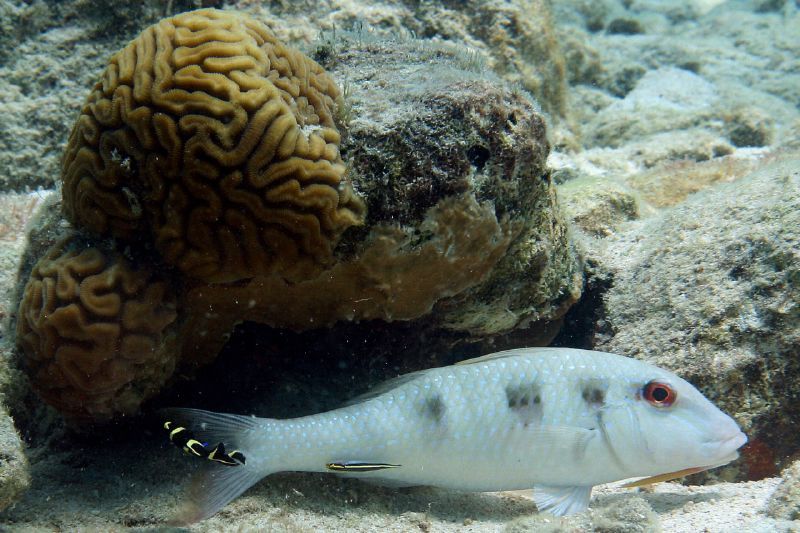
Pseudupeneus maculatus (Bloch, 1793) (Copper pilot)
Inhabits shallow waters to depths of 90 m , especially over sand and rock bottoms in reef areas. Young juveniles often found on beds of seagrass, e.g. Thalassia. Feeds on small invertebrates . Flesh highly esteemed; marketed fresh and frozen . Traded as an aquarium fish at Ceará, Brazil .
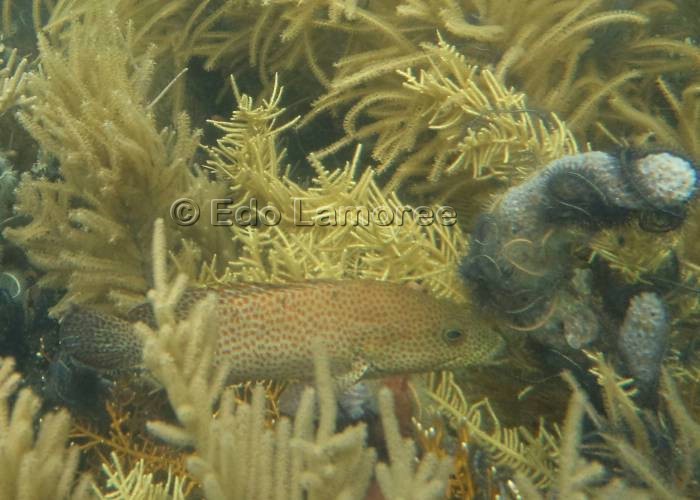
Cephalopholis cruentata (Lacepède, 1802) (Coney)
Inhabit Thalassia beds and coral reefs. In the Gulf of Mexico, they are found on rocky reef ledge in depths greater than 27 m. Solitary and secretive, they usually stay near hiding places during the day. Prefer to rema...
Read More
Read More
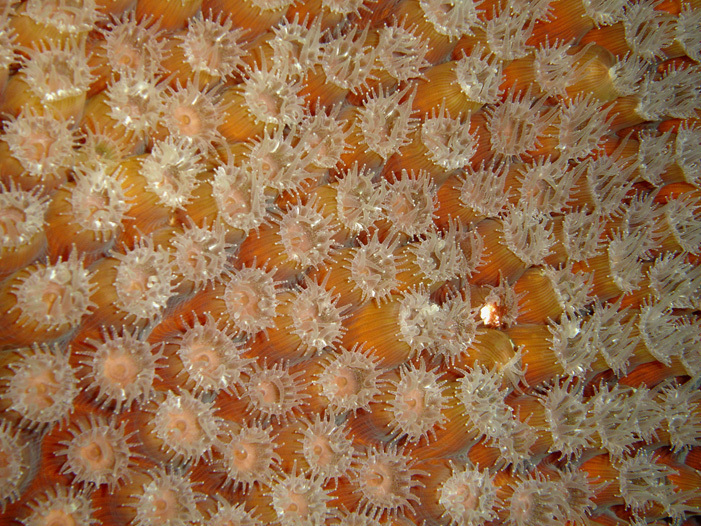
Montastraea cavernosa Linnaeus, 1767 (great star coral)
zooxanthellate
Gramma loreto Poey, 1868 (fairy basslet)
Often found in caves or under ledges. Swim with belly toward substratum, thus under ledges seen upside down. Feed on ectoparasites of other fishes . Males show various types of nest care behavior . Retreat into recesses when alarmed . Have been reared in captivity .
Canthigaster smithae Allen & Randall, 1977 (Bicolored toby)
Inhabits outer reef slopes . Found on clear inner reefs, often on slopes near bases of steep walls with mixed rubble and boulders in depths of about 30 meters .
Pomacanthus paru (Bloch, 1787) (French angelfish)
Common in shallow reefs. Usually in pairs, often near sea fans . Feed on sponges, algae, bryozoans, zoantharians, gorgonians and tunicates . Oviparous , monogamous . Spawning pairs are strongly territorial, with usuall...
Read More
Read More
Pomacanthus arcuatus (Linnaeus, 1758) (Grey angelfish)
Common in coral reefs, usually solitary, occasionally in pairs. Juveniles are part-time cleaners. Feed mainly on sponges, but also takes tunicates, algae, zoantharians, gorgonians, hydroids, bryozoans, and seagrasses. O...
Read More
Read More
Share on Social Networks
- Facebook:

personalize your shared text as well as its destination (wall, page...) or send as a private message to a friend
- Twitter: Tweet personalize your tweet
- Google Plus:
Direct link to this dive
- Long link:
- Short link:


 We are participating today in the startup contest Techcrunch Disrupt. Support Diveboard by voting for us!
























































































2nd dive with Treasure Divers, instructor Robert Sherlock & buddy Chirs