


 Marco Faccio

 Portugal
-
Nº1
 Date: 2014-10-29 - 14:30
-
 Max Depth: 15m Duration: 50mins
Pictures

No pictures for this dive
- Temp: Surf 25°C Bottom 22°C
- Dive type : Training, Navigation Course
- Visibility: Good Water: Salt
Specific gear used
- Weights: 2 kg
Dive reviews
| Overall review | ||
| Dive difficulty | ||
| Marine life quality |
Recent Divers in Caniçal, Madeira

Recent Pictures in Caniçal, Madeira
Dive Shop & Buddies
 Dive with Azul Diving Center Madeira
 Azul Diving Center Madeira confirmed the dive with parameters: 15m / 50mins

Link to this spot:
- Spot:
- Country:
- Area:
- Body of water:
Dive Profile
- 1. Air
- 12L Steel 200 → 100 bar
- Average depth: 10m
Data provided by EOL.org



Species Identified
Canthigaster rostrata (Bloch, 1786) (sharpnose puffer)
Inhabits reefs and marginal habitats such as seagrass beds . Diet consists of seagrass, sponges, crabs and other crustaceans, mollusks, polychaete worms, sea urchins, starfishes, hydroids and algae . Monogamous .
Heteroconger longissimus Günther, 1870 (brown garden eel)
Found on sandy bottom, living in colonies . Feed on plankton and detritus . They retreat into burrow when frightened . Probably spawn during warm season . Larval life spans 6-8 months .
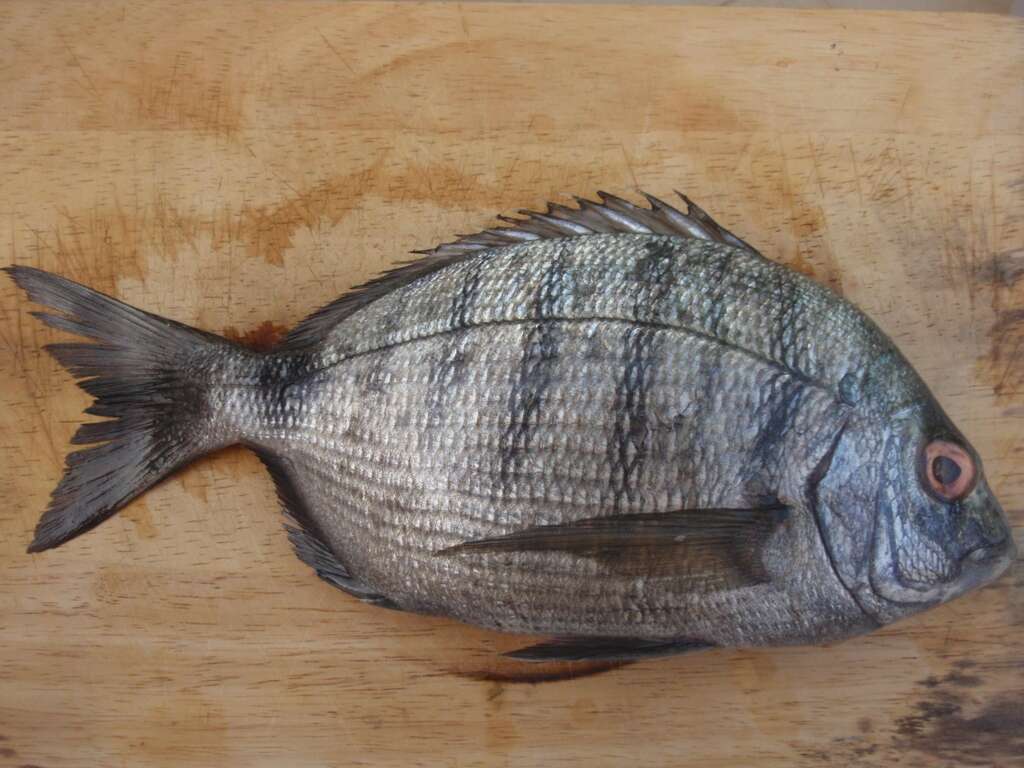
Diplodus sargus (Linnaeus, 1758) (White seabream)
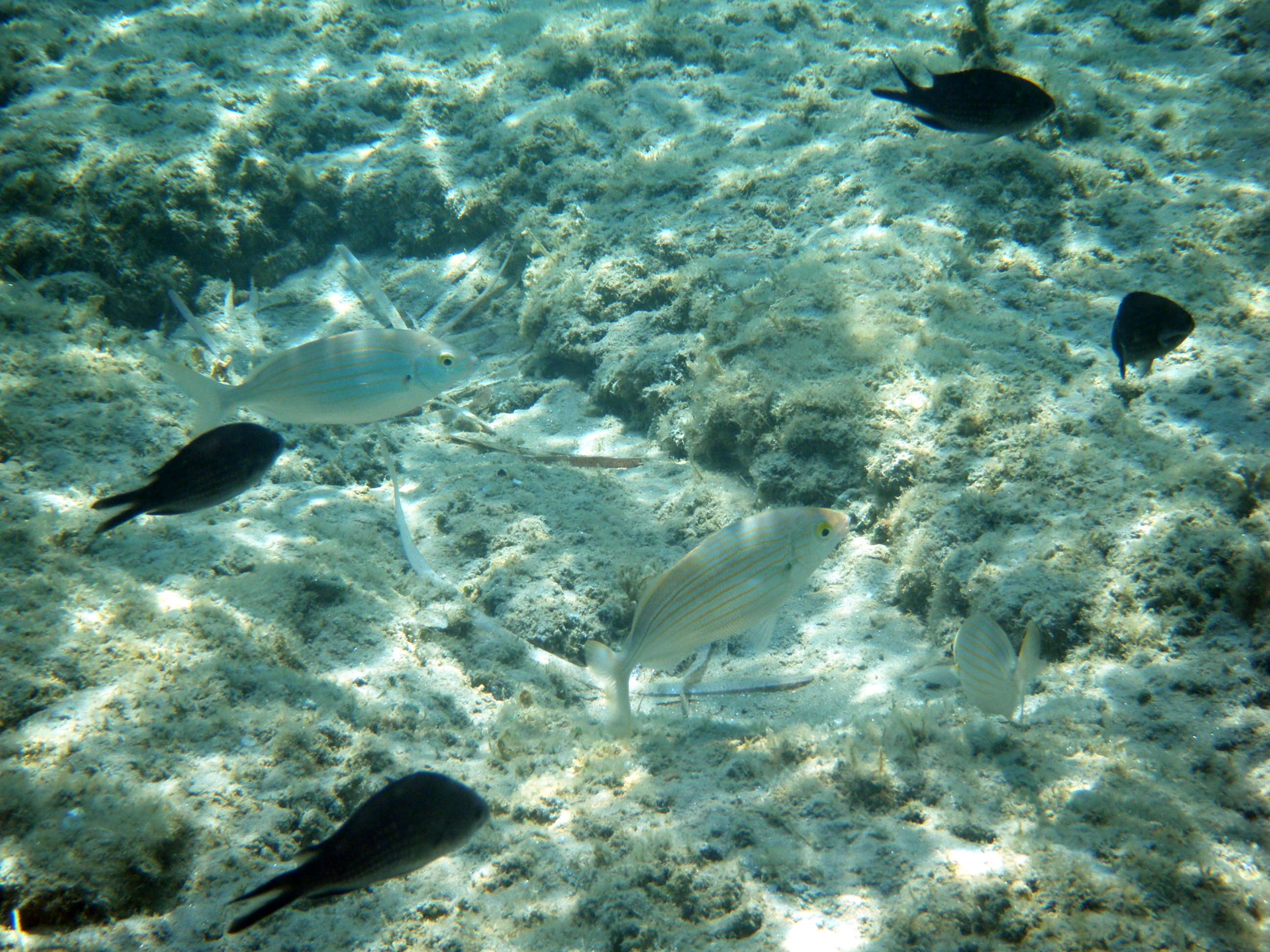
Sarpa salpa (Linnaeus, 1758) (Salema)
Found over rocky substrates and sandy area with algal growth. Gregarious, sometimes forming sizeable schools. Young mainly carnivorous on crustaceans, adults almost exclusively herbivorous , feed on seaweeds . Protandri...
Read More
Read More
Diplodus vulgaris (Geoffroy Saint-Hilaire, 1817) (Common two-banded seabream)
A euryhaline species inhabiting rocky and sometimes sandy bottoms to depths of 160 m, but more commonly in less than 50 m. The young are sometimes found in seagrass beds. Adults feed on crustaceans, worms and mollusks . Important food fish.
Pagrus pagrus (Linnaeus, 1758) (Common seabream)
The red porgy has a fascinating life history; all individuals start life as females, and then some change sex to become functional males . This sex transition may take place when the red porgy is a juvenile or, more commo...
Read More
Read More
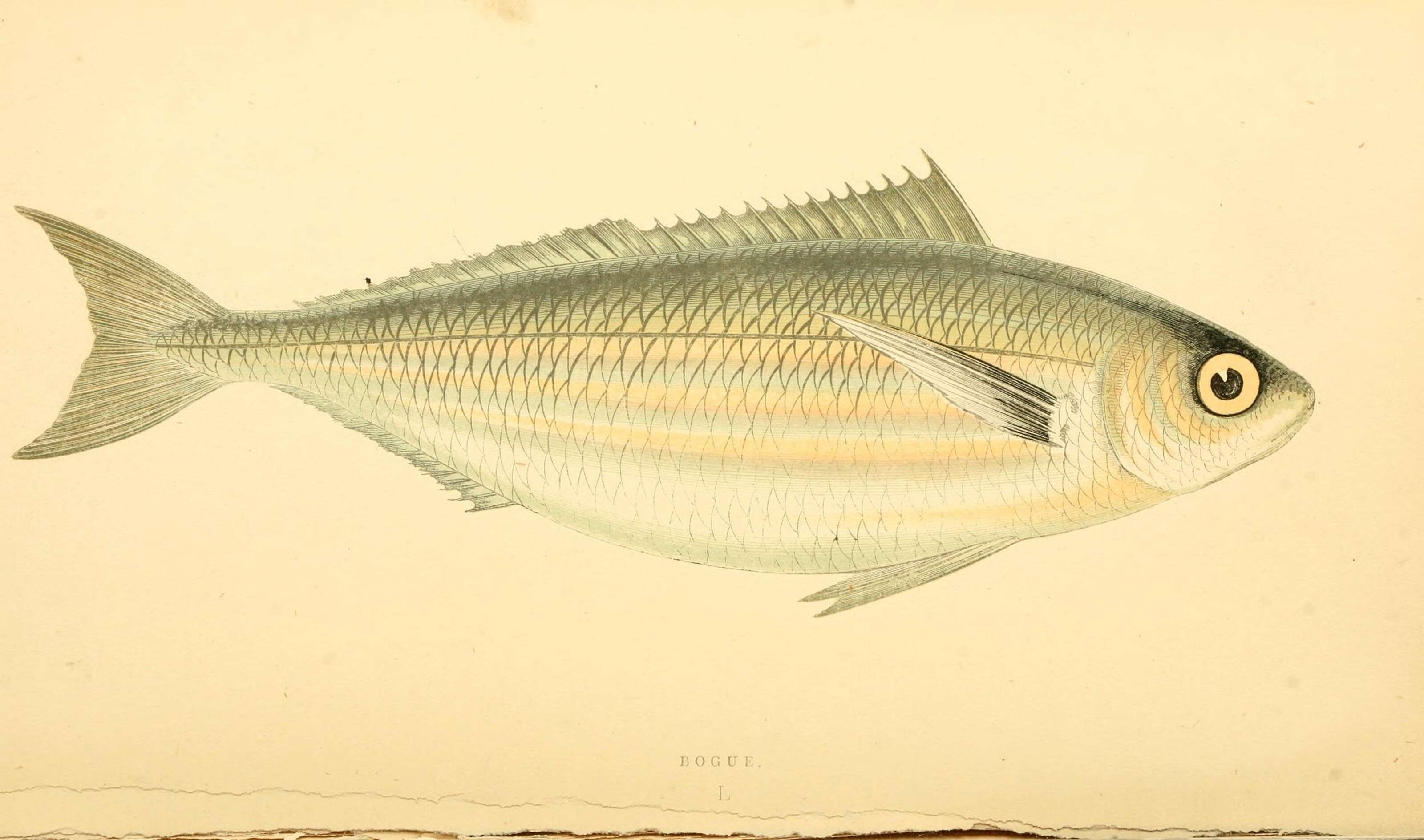
Boops boops (Linnaeus, 1758) (Bogue)
Found on the shelf or coastal pelagic on various bottoms . Gregarious, ascending to the surface mainly at night. Omnivorous, feeding mainly on crustaceans, also planktophagous. Hermaphroditic, generally protogynous. Al...
Read More
Read More
Thalassoma pavo (Linnaeus, 1758) (Ornate wrasse)
Inhabits coastal waters near rocks and eel-grass beds. Usually solitary, sometimes in small groups. Feeds on small mollusks and crustaceans . Protogynous hermaphrodite, with distinct sexual dichromatism . Eggs are pelagic .
Trachinotus ovatus (Linnaeus, 1758) (snubnose dart)
Moderately common in shallow water in areas of surge. Found in clear waters , over sand or mud bottoms . Form schools . Small specimens are regularly caught at night from steep rocky shores. Feed on small crustaceans, mollusks and fishes . Eggs are pelagic .
Pseudocaranx dentex (Bloch and Schneider, 1801) (underjaw kingfish)
Occur in bays and coastal waters, including estuaries . Juveniles usually inhabit estuaries, bays and shallow continental shelf waters, while adults form schools near the sea bed on the continental shelf . Schools are fo...
Read More
Read More
Seriola dumerili (Risso, 1810) (Greater amberjack)
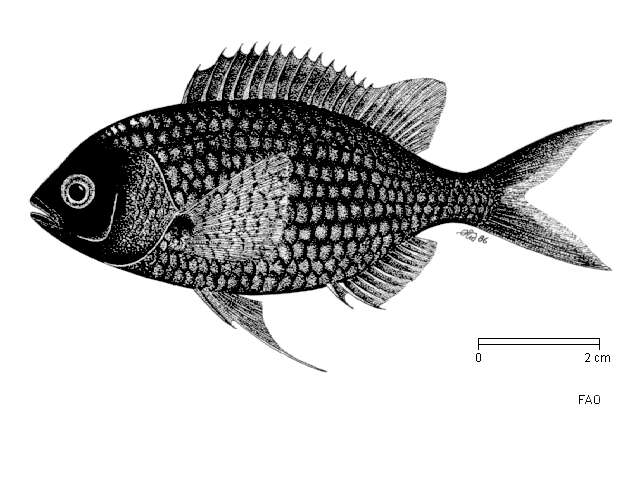
Chromis chromis (Linnaeus, 1758) (Mediterranean chromis)
Form small shoals in midwater above or near rocky reefs or above seagrass meadows (Posidonia. Feed on small planktonic or benthic animals . Reproduce in summer . Eggs characterised by adhesive filaments are nested on rocky or sandy bottoms . Males guard the eggs .
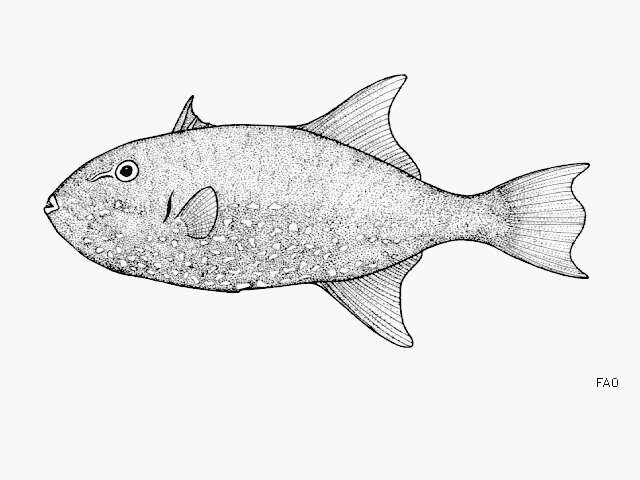
Canthidermis maculata (Bloch, 1786) (Spotted oceanic triggerfish)
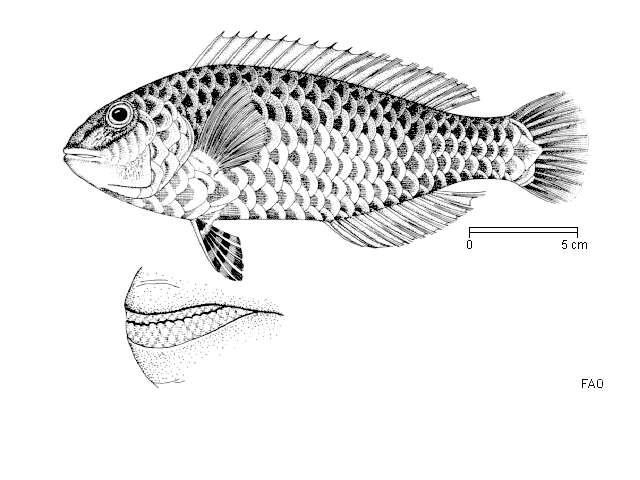
Sparisoma cretense (Linnaeus, 1758) (parrotfish)
In shallow water along rocky shores. Feed on algae and small invertebrates . Herbivore species with specialized pharyngeal bones and muscles . Breeding occurs from July to September, with juveniles recruiting in late summer in Portugal .
Share on Social Networks
- Facebook:

personalize your shared text as well as its destination (wall, page...) or send as a private message to a friend
- Twitter: Tweet personalize your tweet
- Google Plus:
Direct link to this dive
- Long link:
- Short link:


 We are participating today in the startup contest Techcrunch Disrupt. Support Diveboard by voting for us!
























































































