


 Matt
Matt

 Netherlands Antilles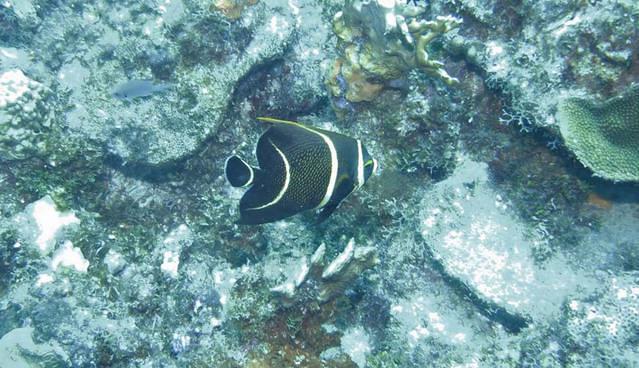
-
Nº31
 Date: 2014-08-24 - 15:00
-
 Max Depth: 11.9m Duration: 32mins
Dive Location

- Temp: Surf 82°C
- Dive type : Recreational, Reef, Photo
- Visibility: Excellent Water: Salt
Specific gear used
- Weights: 7.2 kg
Dive reviews
| Overall review | ||
| Dive difficulty | ||
| Marine life quality |
Recent Divers in Curacao

Recent Pictures in Curacao
Dive Shop & Buddies
 Dive buddies:
Leanne
Dive buddies:
Leanne

Link to this spot:
- Spot:
- Country:
- Area:
- Body of water:
Dive Profile
- 1. Air
- 12L Steel 207 → 69 bar
- Average depth: 7.9m
Data provided by EOL.org




Species Identified
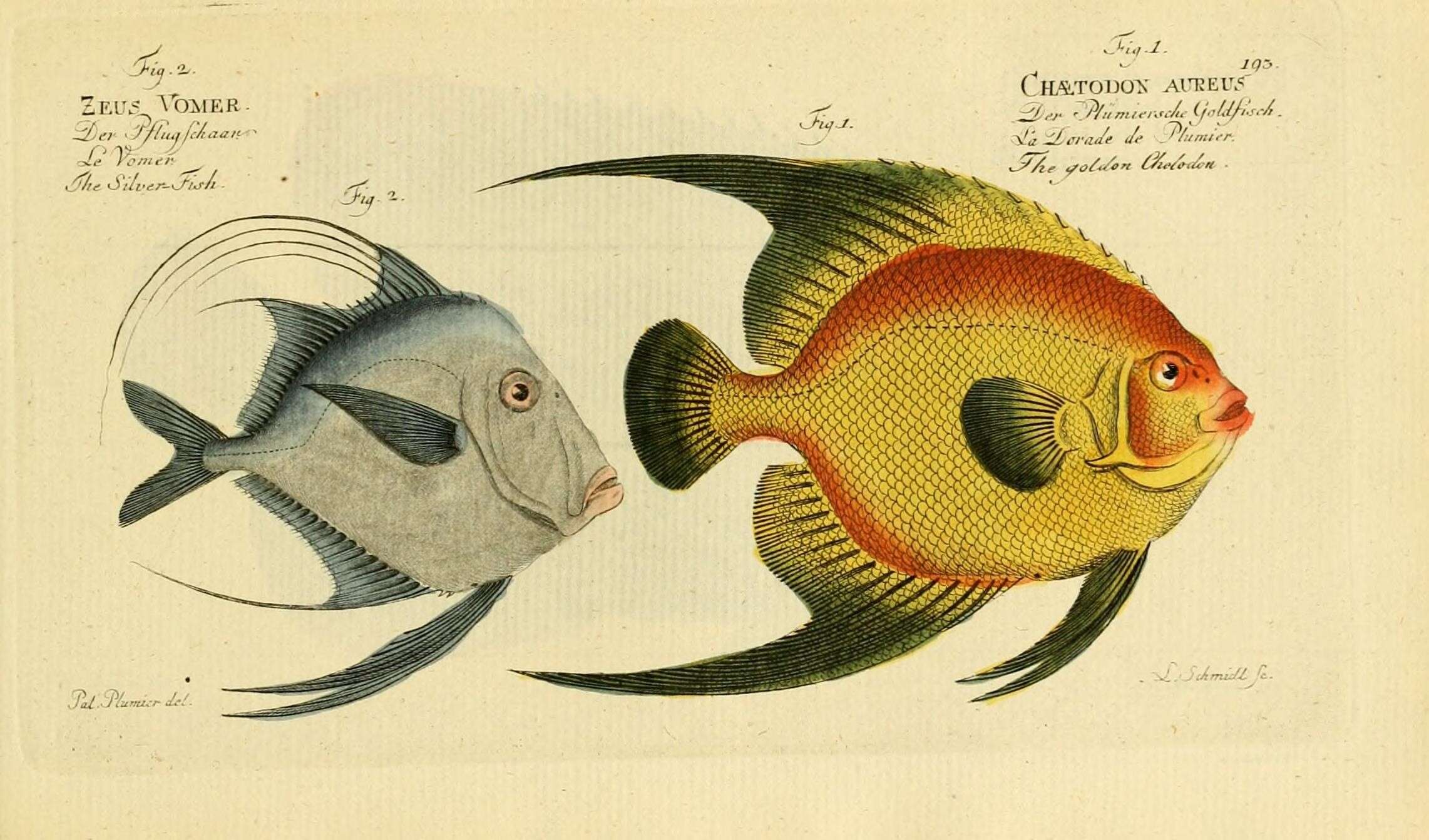
Pomacanthus paru (Bloch, 1787) (French angelfish)
Common in shallow reefs. Usually in pairs, often near sea fans . Feed on sponges, algae, bryozoans, zoantharians, gorgonians and tunicates . Oviparous , monogamous . Spawning pairs are strongly territorial, with usuall...
Read More
Read More
Equetus punctatus (Bloch & Schneider, 1801) (Spooted drum)
Occurs primarily on coral reefs. Secretive and usually solitary, under ledges or near small caves . Often seen during the day around the bases of corals . Feeds at night on crabs, shrimps, and polychaetes. Easily approached . Has been reared in captivity .
Pterois volitans (Linnaeus, 1758) (Red lionfish)
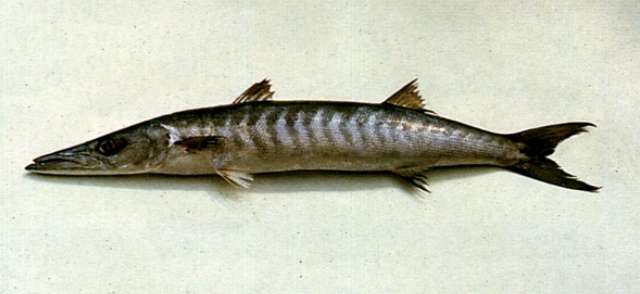
Sphyraena putnamae Jordan & Seale, 1905 (Barracuda)
Found near prominent current-swept lagoons or seaward reefs . Also in bays and inner turbid lagoons . Nocturnally active, but occurring in relatively large schools during the day . Sold fresh or processed into fish cakes .
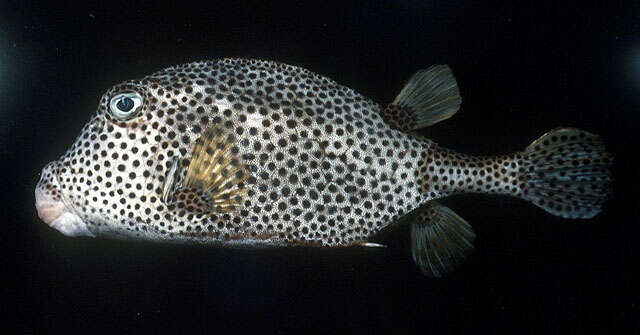
Lactophrys bicaudalis (Linnaeus, 1758) (Trunkfish)
Found in clear water around coral reefs. Sometimes under ledges and near small holes . Feeds on a variety of small bottom invertebrates such as mollusks, crustaceans, starfishes, sea urchins, sea cucumbers, sessile tunic...
Read More
Read More
Xestospongia muta (Schmidt 1870) (giant barrel sponge)
Keratoisis flexibilis (Pourtalès, 1868)
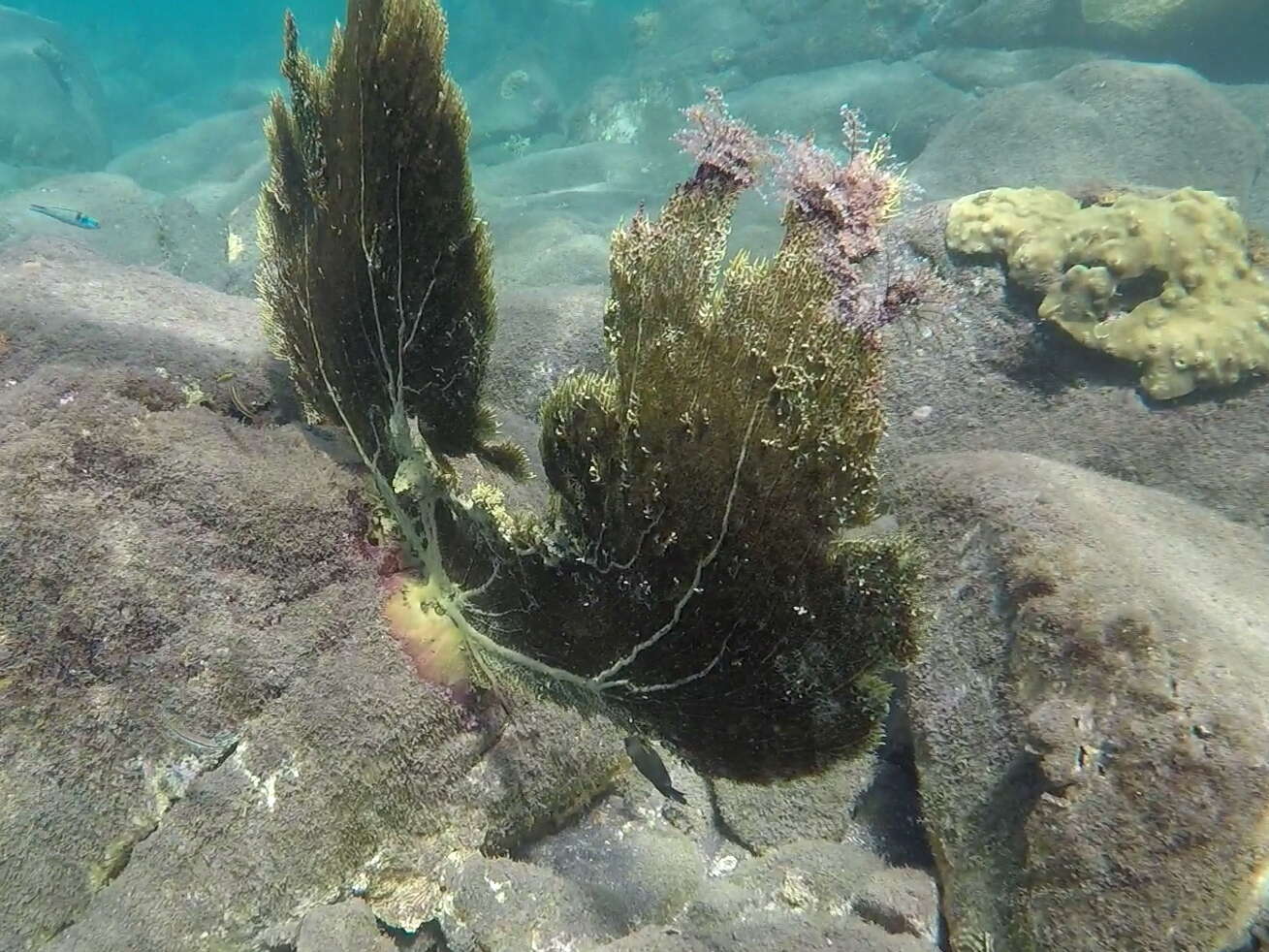
Gorgonia ventalina Linnaeus, 1758 (common sea fan)
Swiftia exserta (Ellis and Solander, 1786) (deepwater coral)
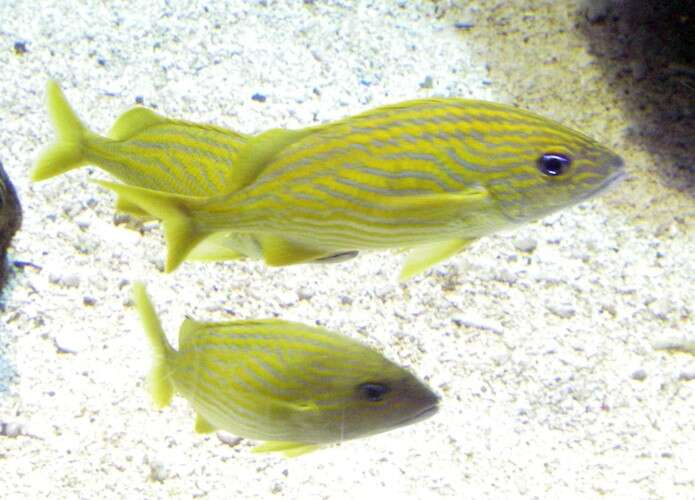
Haemulon flavolineatum (Desmarest, 1823) (French grunt)
Occurs in large schools on rocky and coral reefs, often under ledges or close to elkhorn coral . Juveniles abundant in near-shore seagrass beds . Feeds mainly on small crustaceans . Marketed fresh .
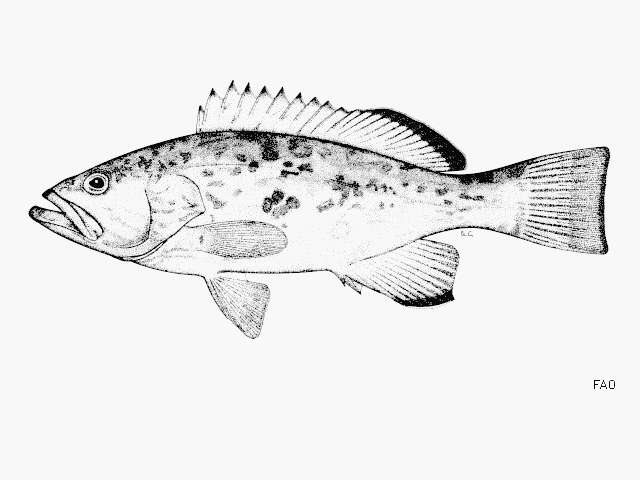
Mycteroperca cidi Cervigón, 1966 (Venezuelan grouper)
Common in depths of 5 to 8 m; large adults are caught in 20 to 40 m; juveniles in shallow water over sandy bottoms near coral reefs and seagrass beds. Marketed fresh.
Synodus intermedius (Spix & Agassiz, 1829) (Lizardfish)
Found on the sandy bottom around boulders or in sandy corridors in patch reefs . Uncommon near the shore.
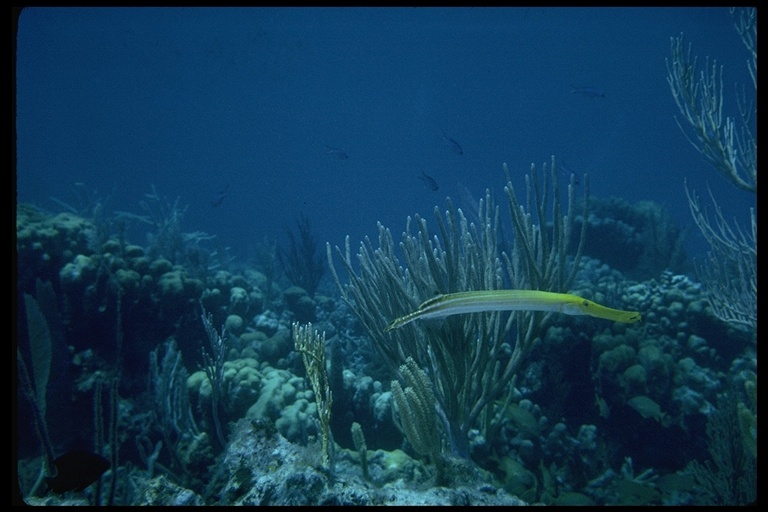
Aulostomus maculatus Valenciennes, 1841 (Caribbean trumpetfish)
Commonly found in weedy areas and especially around reefs, where they usually swim snout-down among sea whips . A solitary ambusher of small fishes and crustaceans that lurk among branching coral or gorgonians. Often swi...
Read More
Read More
Selar crumenophthalmus (Bloch, 1793) (Big eye scad)
Prefers clear oceanic waters around islands to neritic waters . Occasionally in turbid waters . Pelagic . Mainly nocturnal. Feeds on small shrimps, benthic invertebrates, and forams when inshore, and zooplankton and fi...
Read More
Read More
Carangoides ruber (Bloch, 1793) (Bar jack)
Common in clear insular areas or in coral reefs off mainland coasts . Juveniles frequent areas with algae . Usually in schools which may be spawning groups; occasionally solitary. Feeds on fishes, shrimps and other in...
Read More
Read More
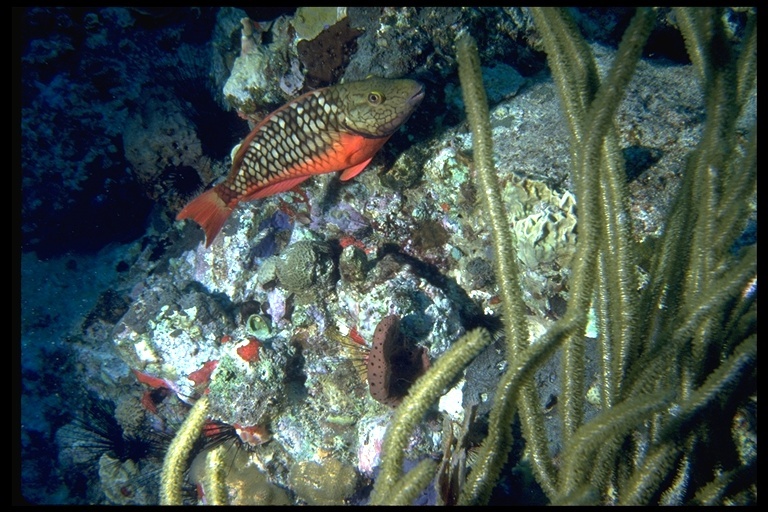
Sparisoma viride (Bonnaterre, 1788) (Dark green parrotfish)
Inhabits coral reefs with clear water . Young may be found in seagrass beds and other heavily vegetated bottoms. Feeds mainly on soft algae, but has been observed to graze on live corals like, Montastraea annularis . Pr...
Read More
Read More
Share on Social Networks
- Facebook:

personalize your shared text as well as its destination (wall, page...) or send as a private message to a friend
- Twitter: Tweet personalize your tweet
- Google Plus:
Direct link to this dive
- Long link:
- Short link:


 We are participating today in the startup contest Techcrunch Disrupt. Support Diveboard by voting for us!
























































































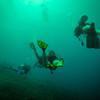
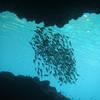
First Dive at Vaersenbaai. We heard it was good and it didn't disappoint. A bit of a rough entrance as you have to wade through a beach area with people on lounge chairs and people swimming. Not an easy path to the water.