




 Egypt
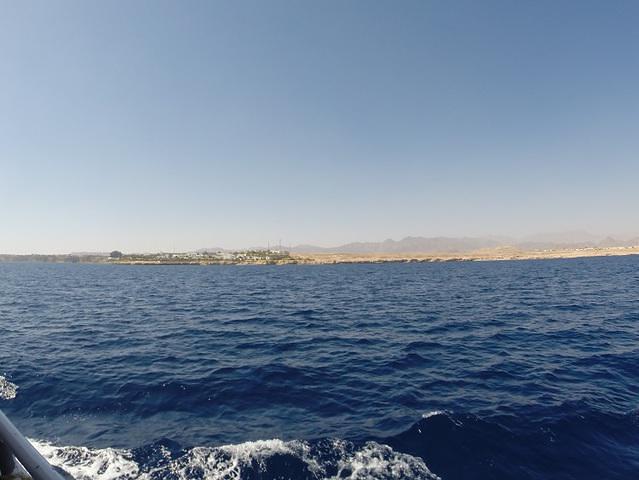
-
Nº17
 Date: 2014-10-19 - 10:29
-
 Max Depth: 26.5m Duration: 52mins
Dive Location

- Surface interval:0 mins
- Temp: Surf 30°C Bottom 28°C
- Dive type : Recreational, Training, Reef, Photo, Boat (Empro); Rocky coral terrain with sandy bottom
- Visibility: Good Water: Salt
Specific gear used
- BCD: Mares - Vector
- Regulator: Apeks - 40
- Wet suit: Mares - 3mm
- Boots: Aqualung - Ergo 5mm
- Computer: Suunto - Vyper
- Fins: Mares - Avantiquattro+
- Mask: Aqualung - Look2
- Weights: 6 kg
Dive reviews
| Overall review | ||
| Dive difficulty | ||
| Marine life quality | ||
| Big fish |
Recent Divers in Strait of Tiran


Recent Pictures in Strait of Tiran
Dive Shop & Buddies
 Dive with Dolphin Diving Center
 Dive buddies:
Atila Bastijancic

Link to this spot:
- Spot:
- Country:
- Area:
- Body of water:
Dive Profile
- 1. Air
- 12L Steel 200 → 30 bar
- Average depth: 17.7m
Data provided by EOL.org

















Species Identified
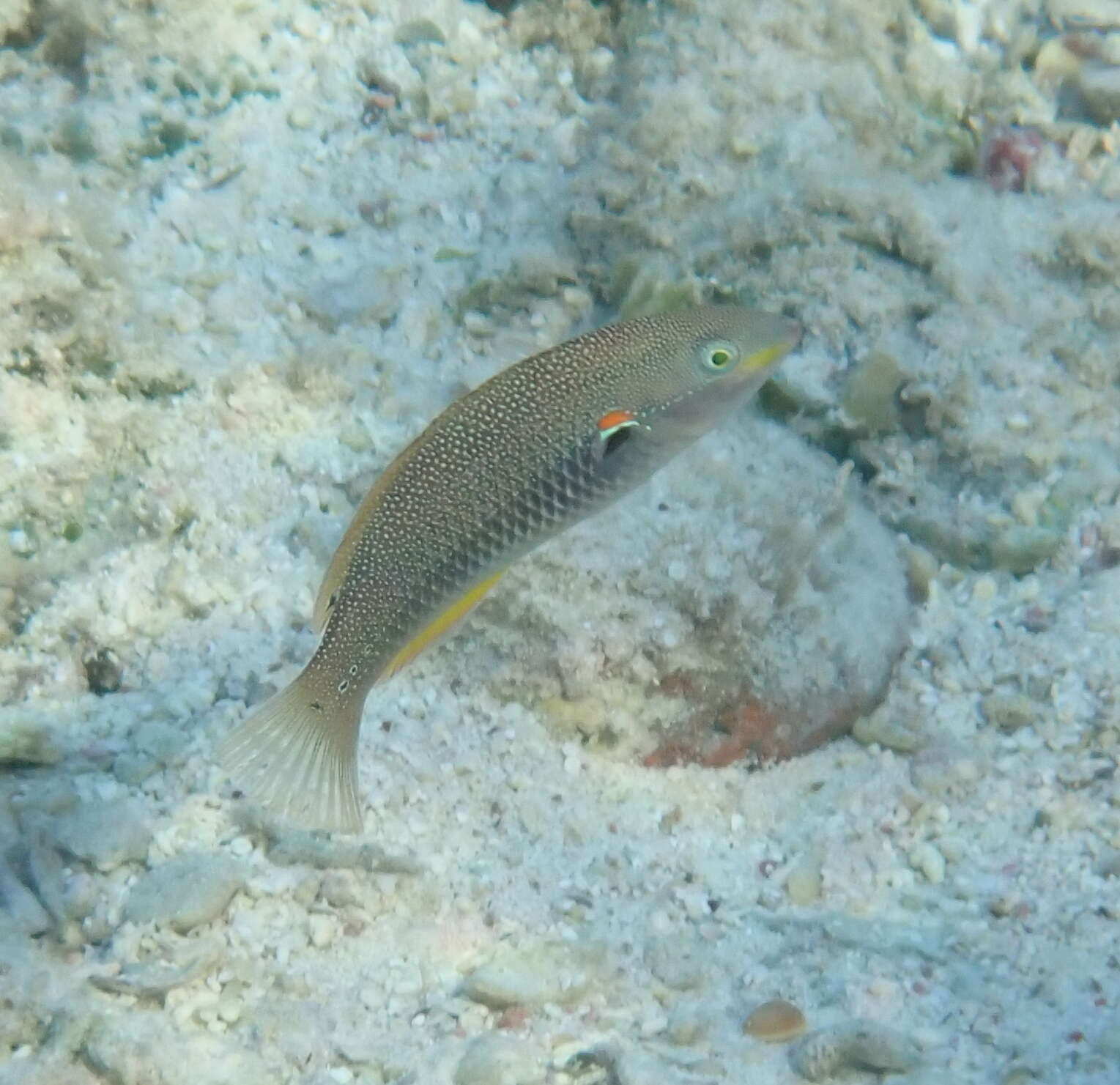
Thalassoma rueppellii (Klunzinger, 1871) (Klunzinger's wrasse)
Inhabits reef margins and seaward slopes . Minimum depth reported from Ref. 9710.
Halichoeres marginatus Rüppell, 1835 (Dusky wrasse)
Inhabit lagoon and seaward reefs, along the upper edges of coral-rich areas . Benthopelagic . Juveniles are encountered in exposed outer reef flats . Feed on a wide variety of small invertebrates as well as fish eggs.
Stethojulis albovittata (Bonnaterre, 1788) (Bluelined wrasse)
Inhabits reef flats and clear lagoon and seaward reefs . Found singly or in small groups consisting of one male and a few females . Feeds on small invertebrates, especially crustaceans and mollusks.
Thalassoma purpureum (Forsskål, 1775) (Surge wrasse)
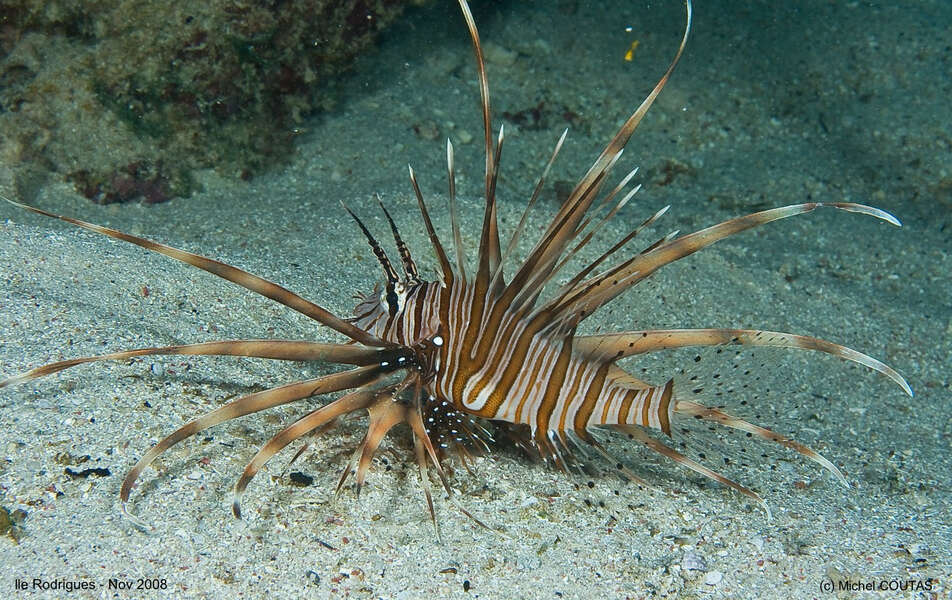
Pterois volitans (Linnaeus, 1758) (Red lionfish)
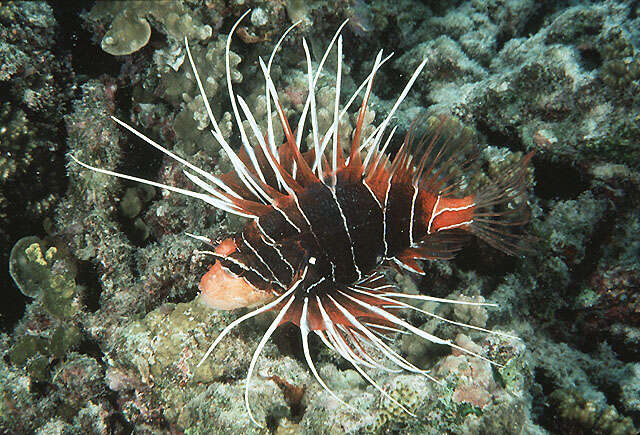
Pterois radiata Cuvier, 1829 (Radial firefish)
A generally uncommon species that inhabits lagoon and seaward reefs . Prefers rocky reefs and seems to avoid stony corals. Coastal, sometimes in surge zones where in narrow crevices, or along rock-walls in small caves . ...
Read More
Read More
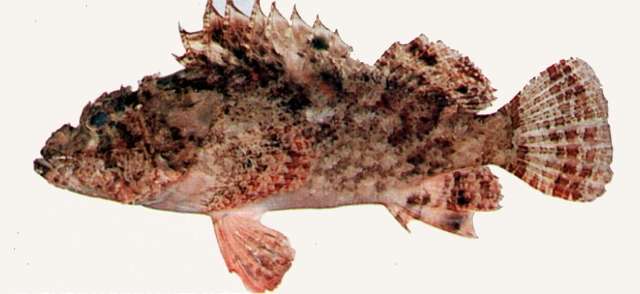
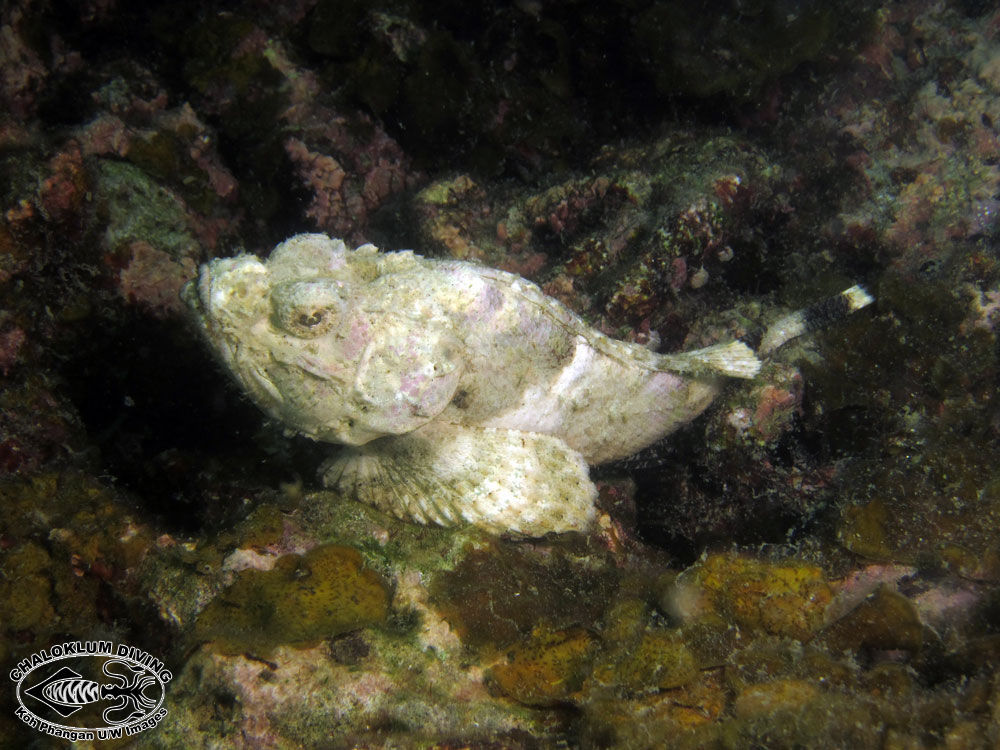
Scorpaenopsis cirrosa (Thunberg, 1793) (Weedy stingfish)
Scorpaenopsis diabolus (Cuvier, 1829) (False stonefish)
Relatively an uncommon inhabitant of rubble or weedy coralline-rock bottoms of reef flats and lagoon and seaward reefs . Benthic . Flashes its inner pectoral fins when disturbed . Can inflict a painful injury with its venomous dorsal sting. Often partly buried .
Sebastapistes cyanostigma (Bleeker, 1856) (Yellowspotted scorpionfish)
Found in reef crests with rich coral growth . Typically found among the branches of Pocillopora corals in surge areas of seaward reefs . Also observed between the branches of the fire coral Millepora and Styllophora (Eran Brokovich, pers. comm. 03/02).
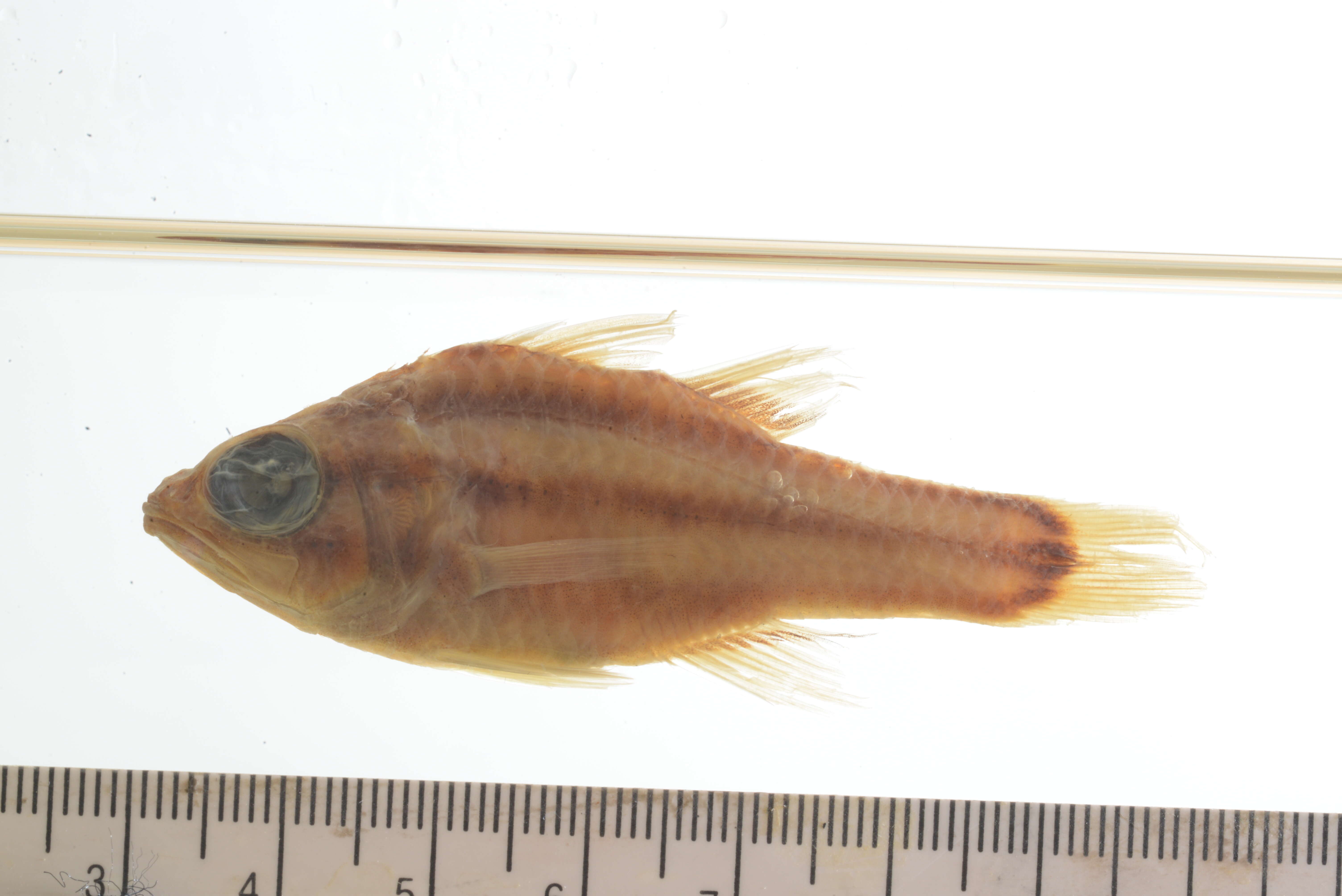
Apogon nigrofasciatus Lachner, 1953 (Blackstripe cardinalfish)
Occurs on reef flats and shallow lagoon reef, usually seen singly or in pairs under ledges or in crevices. Feed on small benthic invertebrates at night .
Cheilodipterus lachneri Klausewitz, 1959 (arrowtooth cardinal)
Sexual maturity reached at 6.5-7 cm.
Dascyllus aruanus (Linnaeus, 1758) (black-and-white damselfish)
Territorial, inhabit shallow lagoon and subtidal reef flats. Form large aggregations above staghorn Acropora thickets or in smaller groups above isolated coral heads. Feed on zooplankton, benthic invertebrates, and algae...
Read More
Read More
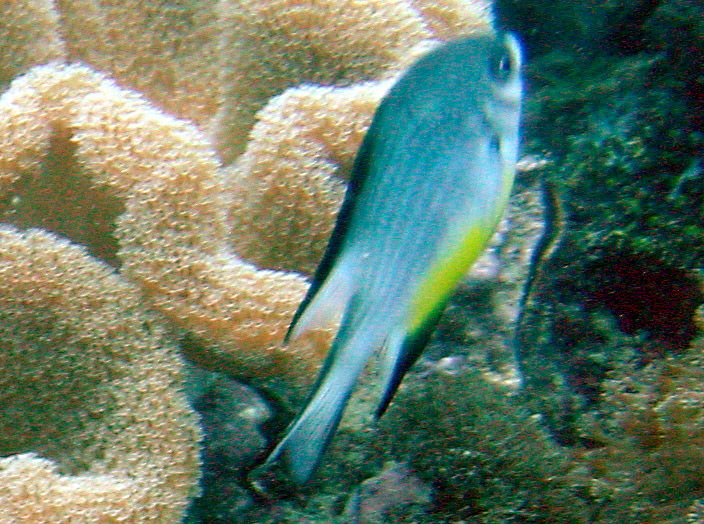
Amblyglyphidodon leucogaster (Bleeker, 1847) (goldenscaled damselfish)
Inhabits lagoons, reef passages, and the outer reef slopes as solitary individuals or in small groups. Feeds on copepods, amphipods, mysids, fish eggs, crustacean larvae, and a small portion of algae.
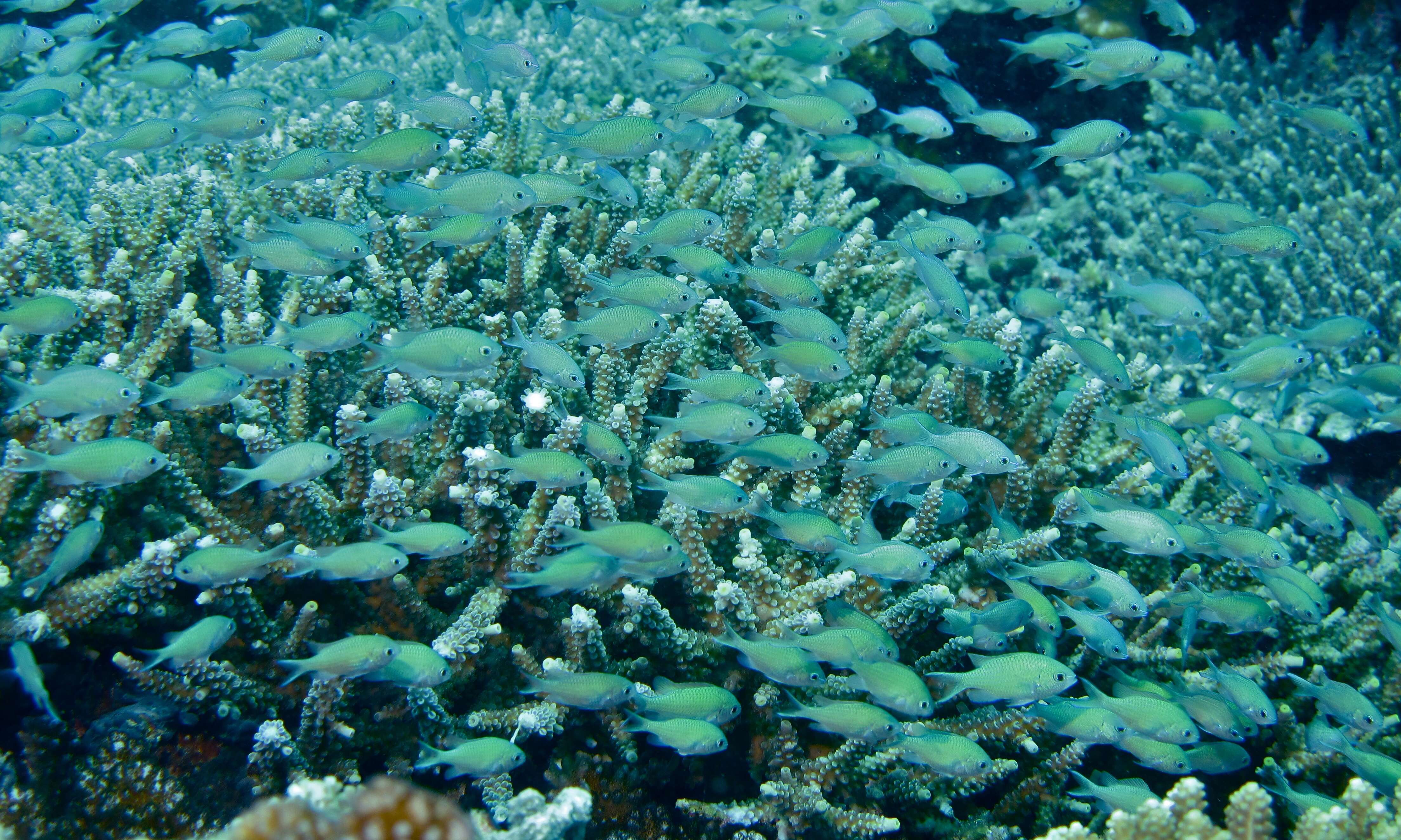
Chromis viridis (Cuvier, 1830) (blue-green chromis)
Found in large aggregations above thickets of branching Acropora corals in sheltered areas such as subtidal reef flats and lagoons. Juveniles closely tied to individual coral heads . Phytoplankton feeders. Breeding is d...
Read More
Read More
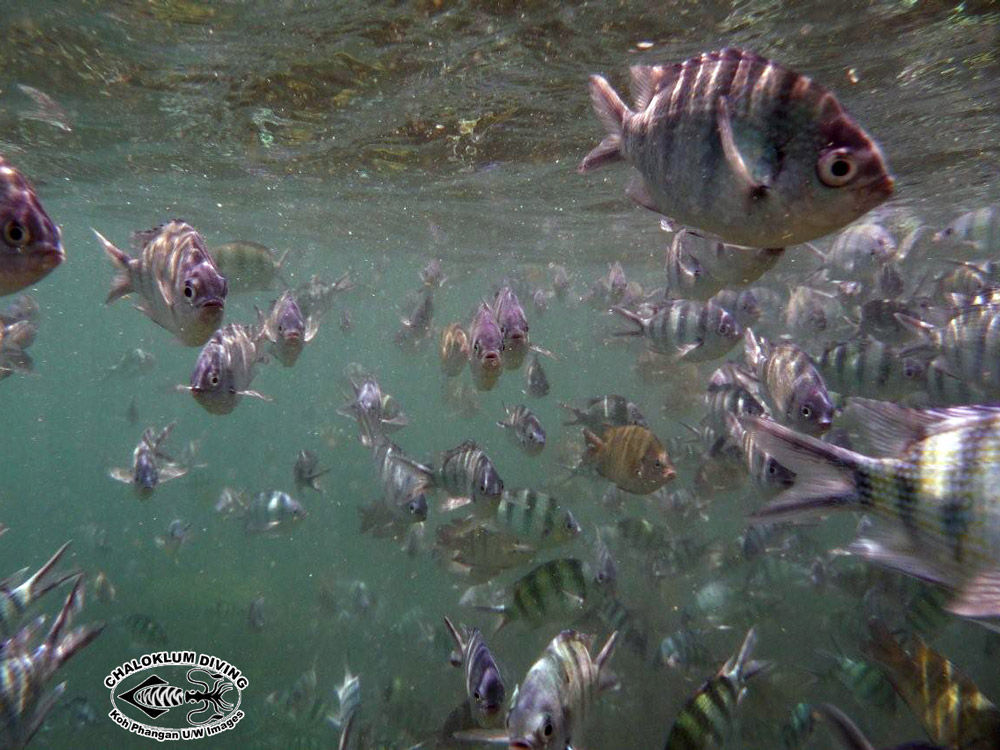
Abudefduf sexfasciatus (Lacepède, 1801) (Natal sergeant)
Inhabits inshore and offshore coral or rocky reefs. Also in shallow coastal reef flats or crests, usually where lots of tall soft corals or hydroid colonies are present . Feeds on zooplankton and algae and aggregates high in the water column .
Gymnothorax johnsoni (Smith, 1962) (Whitespotted moray)
Inhabits crevices .
Epinephelus aeneus (Geoffroy Saint-Hilaire, 1817) (Grouper)
Adults are found on rocky or mud-sand bottom; juveniles have been taken in coastal lagoons and estuaries. In the west African waters, diet comprise of fishes (58%), stomatopods (21%), crabs (10%), and cephalopods (10%). ...
Read More
Read More
Epinephelus fasciatus (Forsskål, 1775) (Blacktip grouper)
Common in outer reef slopes at depths below 15 m, also occurs in protected bays and lagoons as shallow as 4 m. May also be found down to a depth of 160 m. At Madagascar it feeds night and day on brachyuran crabs, fishes,...
Read More
Read More
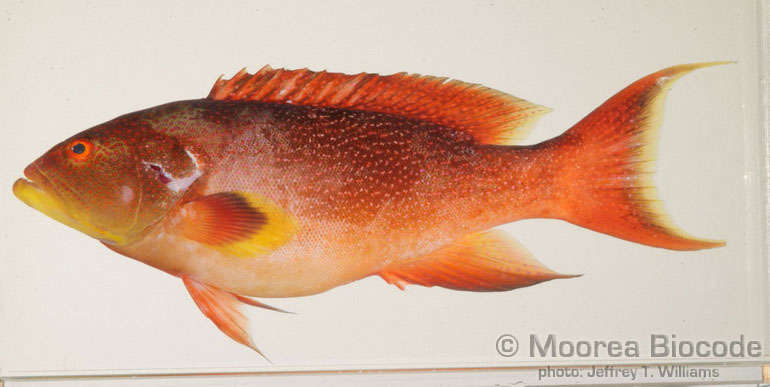
Variola louti (Forsskål, 1775) (lunartailed rockcod)
Usually seen in clear-water areas at depths below 15 m, and prefers islands and offshore reefs rather than continental shores. Feeds mainly on fishes, and on crabs, shrimps and stomatopods. It is highly appreciated for t...
Read More
Read More
Cephalopholis argus Bloch and Schneider, 1801 (Grouper)
A generally common species found in a variety of coral habitats from tide pools to depths of at least 40 m; prefers the 1 to 10 m reef zone. Juvenile prefers shallow, protected coral thickets . Benthic and benthopelagi...
Read More
Read More
Diplodus noct (Valenciennes, 1830) (Red Sea seabream)
Found above sandy bottoms, around coral reefs and in shallow coastal waters. Young may form aggregations. Feeds on algae and small invertebrates. Sold fresh and whole in markets.
Pocillopora damicornis (Linnaeus, 1758) (Cauliflower coral)
zooxanthellate
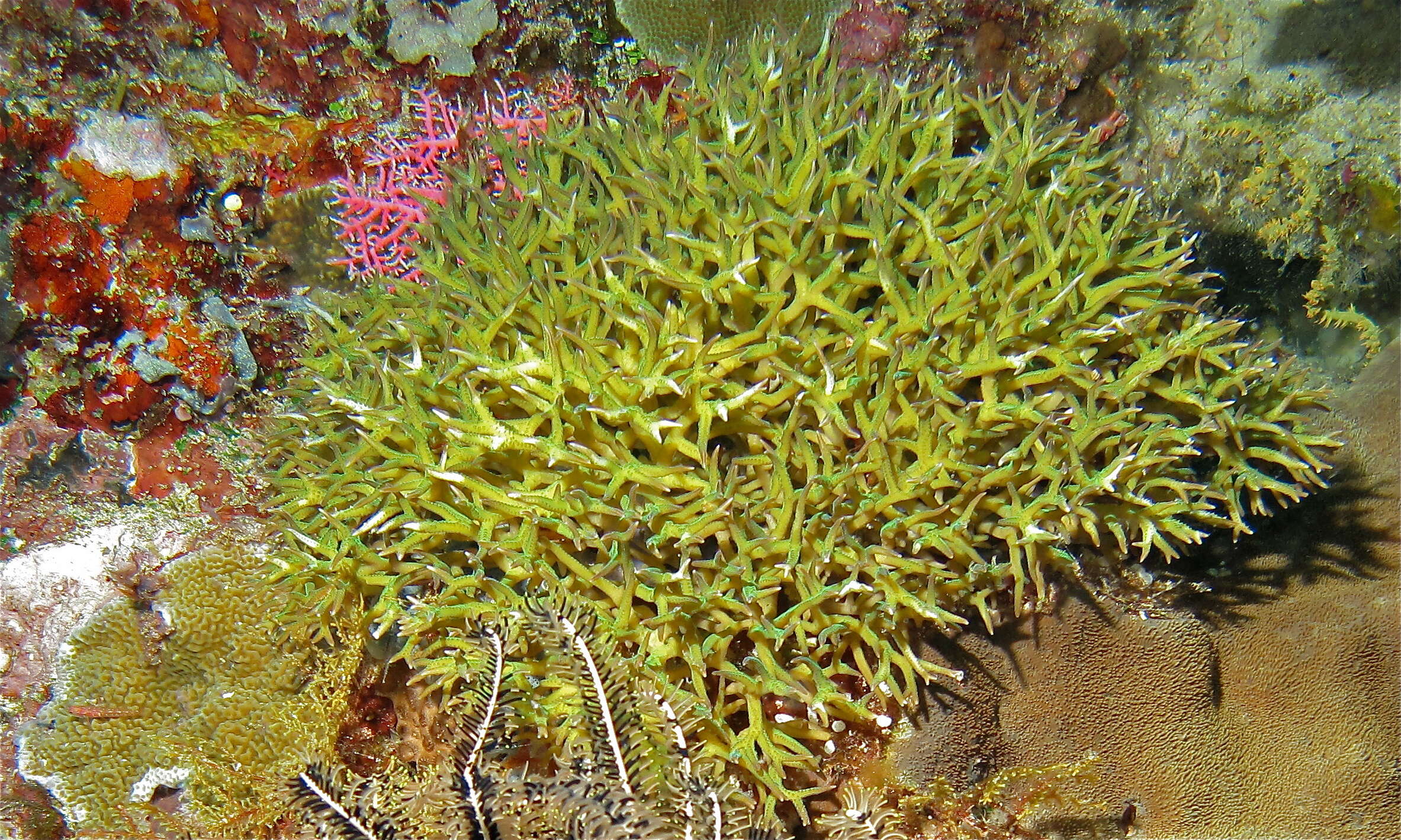
Seriatopora hystrix Dana, 1846 (Bush coral)
zooxanthellate
Acropora humilis (Dana, 1846)
zooxanthellate
Favites flexuosa (Dana, 1846) (Larger star coral)
zooxanthellate
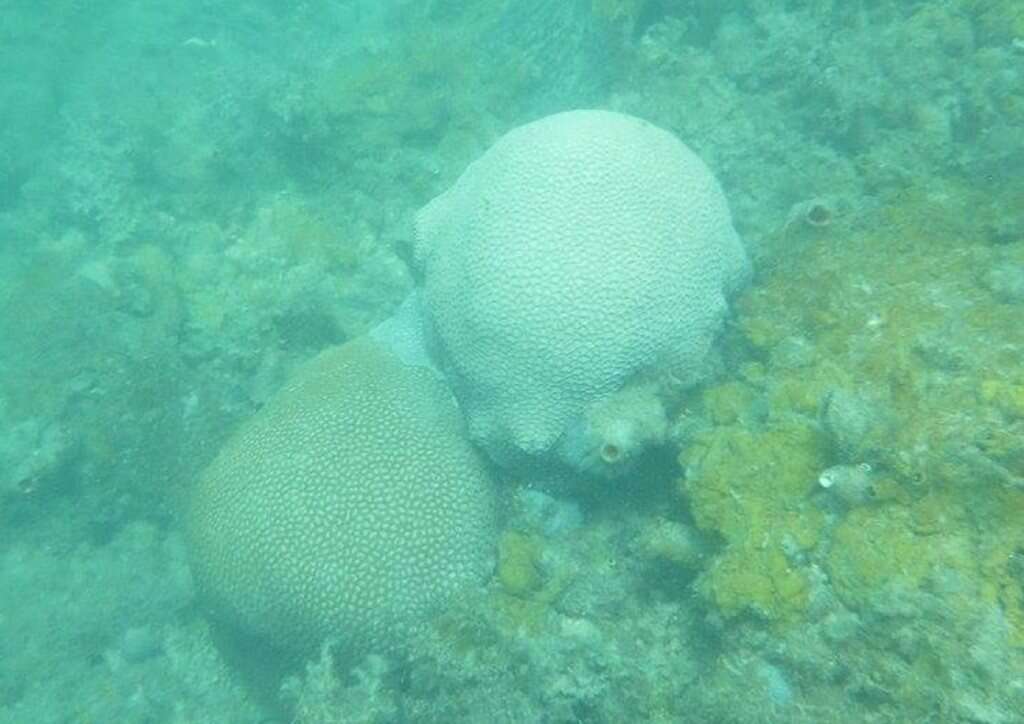
Lobophyllia corymbosa (Forskål, 1775) (Brain coral)
zooxanthellate
Favia stelligera (Dana, 1846) (Knob coral)
zooxanthellate
Leptastrea transversa Klunzinger, 1879 (Crust coral)
zooxanthellate
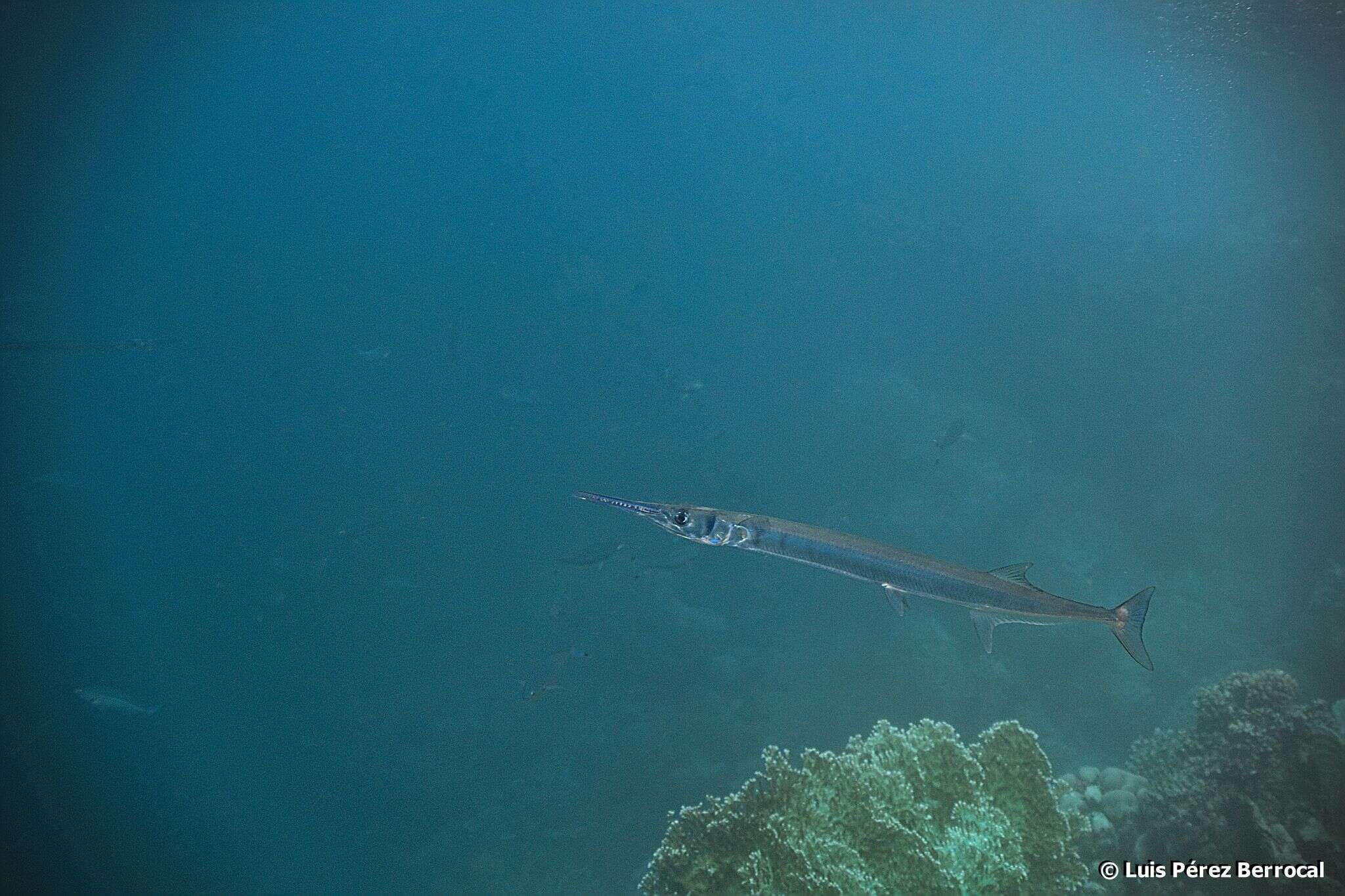
Tylosurus choram (Rüppell, 1837) (Red Sea houndfish)
Oviparous . Eggs may be found attached to objects in the water by tendrils on the egg's surface .
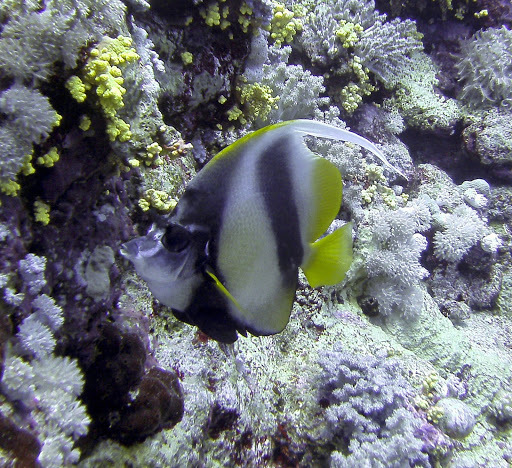
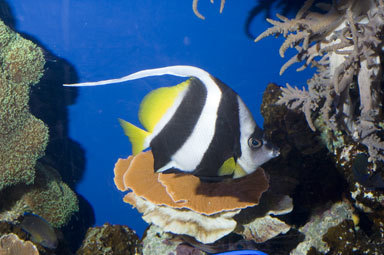
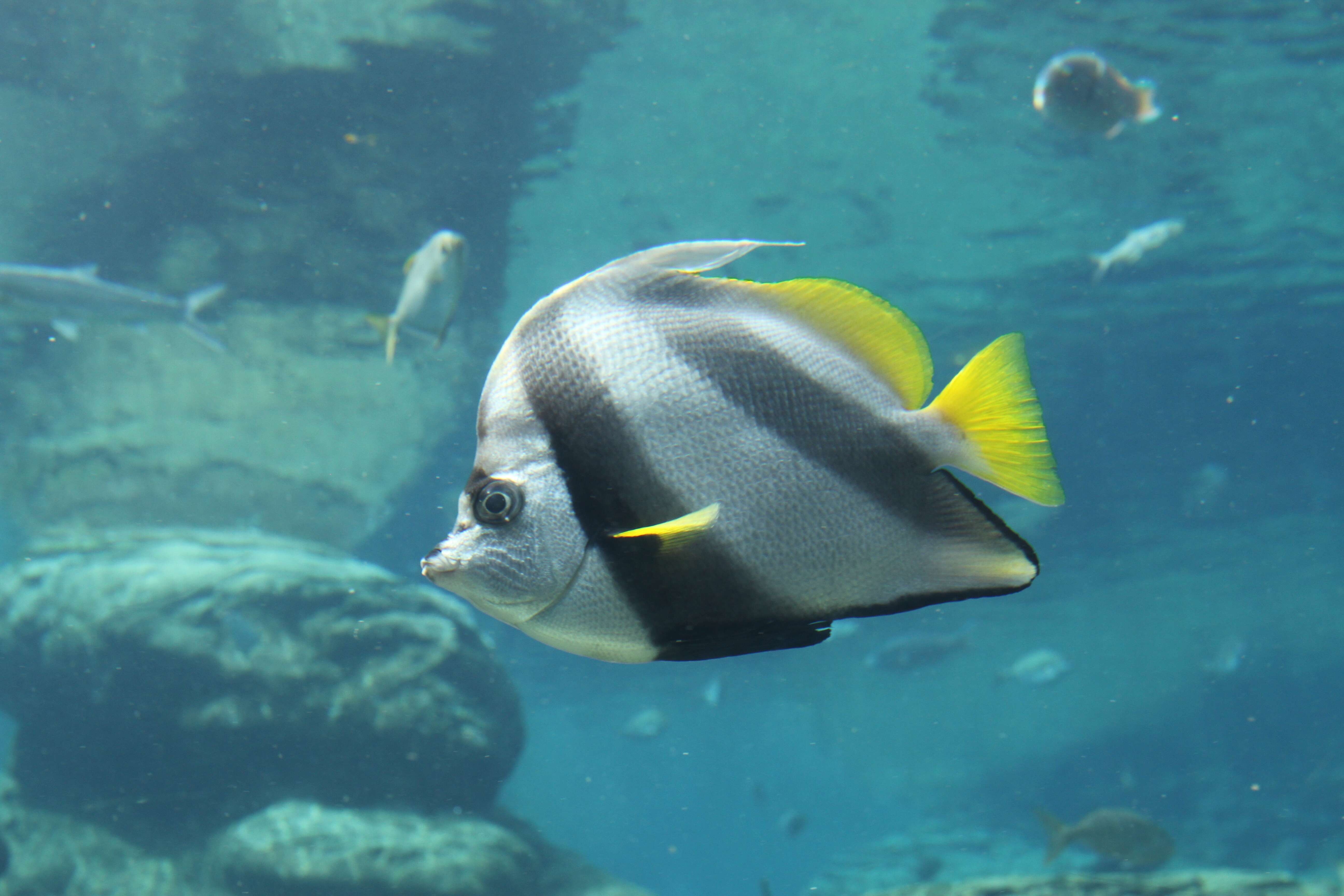
Heniochus intermedius Steindachner, 1893 (Red Sea bannerfish)
Found on coral slopes Juveniles in large groups at base of reef, sometimes with H. diphreutes; adults usually solitary or paired, occasionally in groups . Feed on zooplankton and benthic invertebrates . Oviparous , monogamous . Form pairs during breeding .
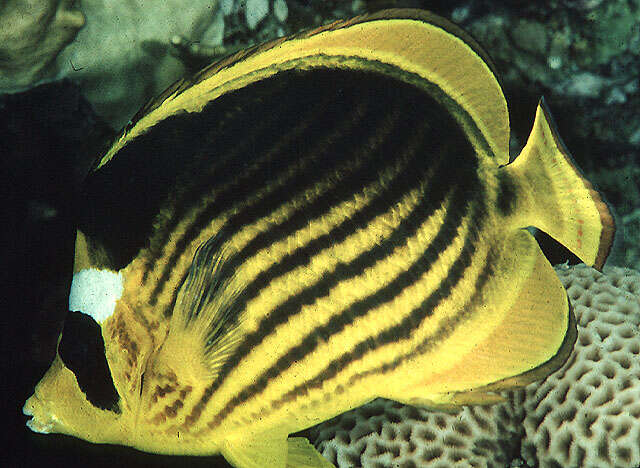
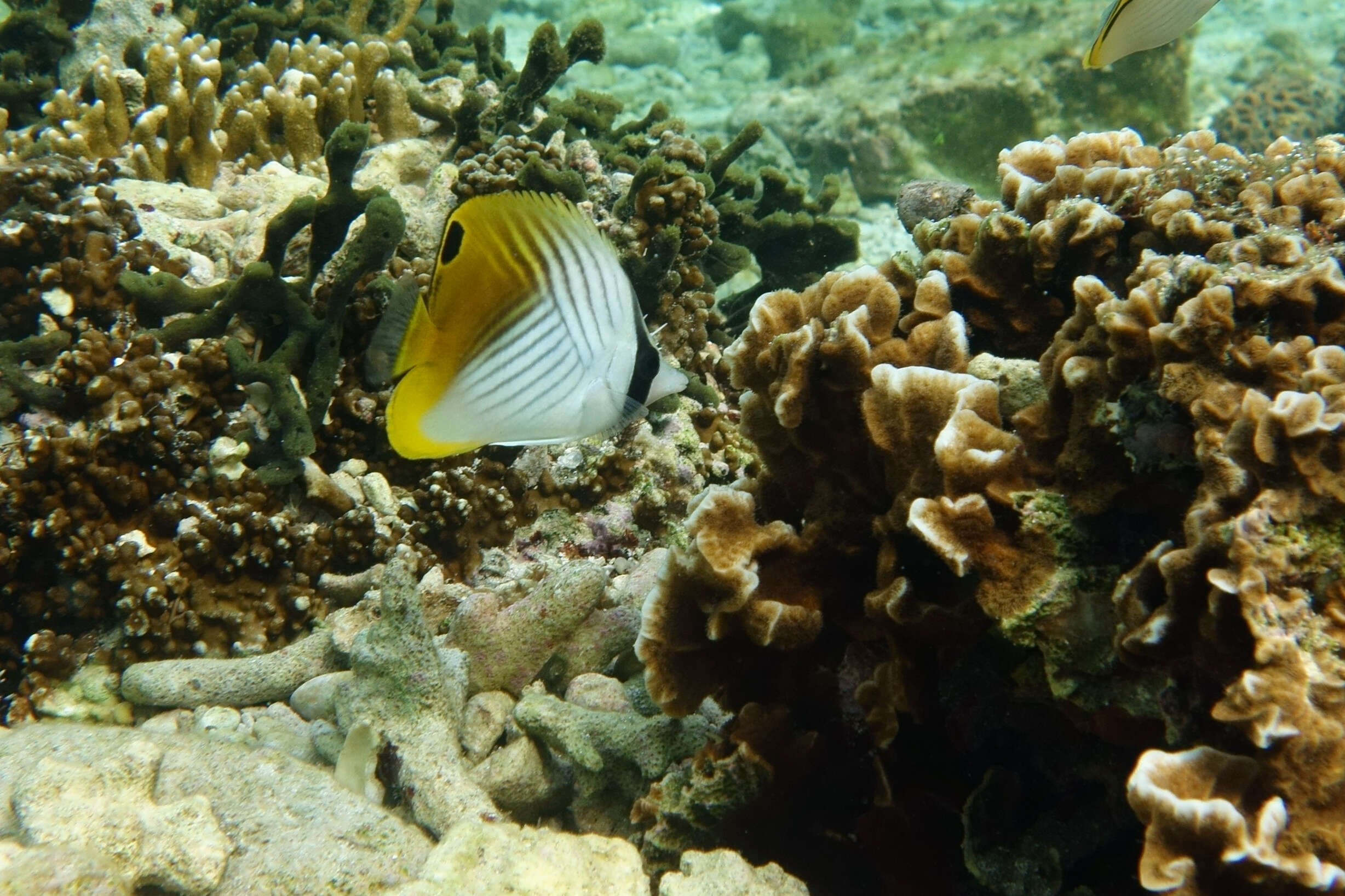
Chaetodon fasciatus Forsskål, 1775 (Diagonal butterflyfish)
Commonly found on reef flats . Usually solitary or in pairs in areas with rich coral growth. Monogamous . Feed mainly on coral polyps . Oviparous . Form pairs during breeding .
Chaetodon auriga Forsskål, 1775 (Cross-stripe butterfly)
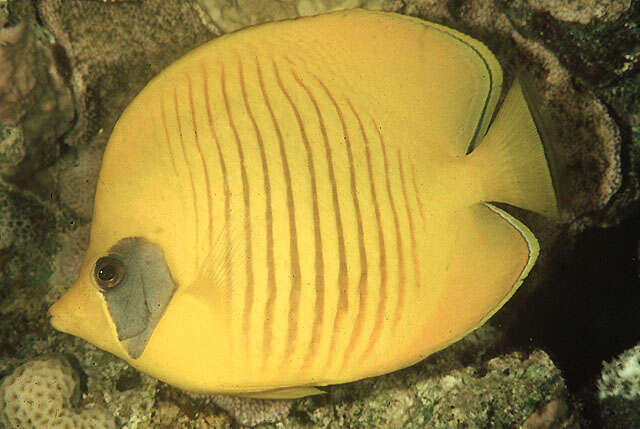
Chaetodon semilarvatus Cuvier, 1831 (Bluecheek butterflyfish)
A common species found in areas where there is rich coral growth. Often seen in pairs or small aggregations. Occasionally observed hovering in a stationary position for extended periods under ledges of Acropora plate corals . Oviparous . Form pairs during breeding .
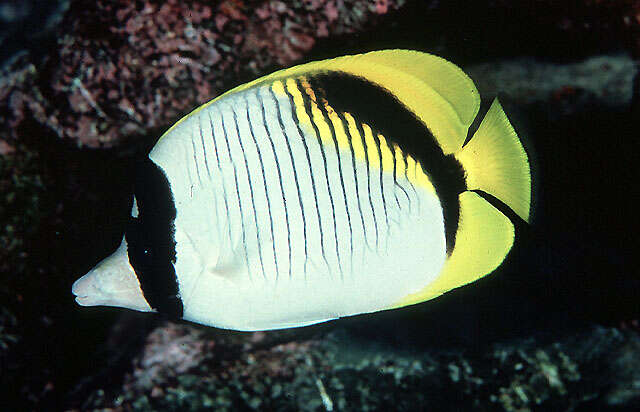
Chaetodon lineolatus Cuvier, 1831 (Line butterflyfish)
Occur in lagoon and seaward reefs, usually in pairs in coral rich areas . Benthopelagic . Feed mainly on coral polyps and anemones, but also on small invertebrates and algae . Largest species in the genus . Oviparous . Form pairs during breeding .
Heniochus acuminatus (Linnaeus, 1758) (Pennant coralfish)
Inhabit deep, protected lagoons and channels, and the deeper parts of outer reef slopes. Juveniles are often solitary while adults occur in pairs . A planktivorous species that generally remains within a few meters of th...
Read More
Read More
Heniochus diphreutes Jordan, 1903 (False moorish idol)
Occur primarily along outer reef slopes, in current channels. Juveniles in aggregations around isolated patch reefs, adults in large schools well above the bottom . In Indonesia, adults most common in depth 40-50 m, repo...
Read More
Read More
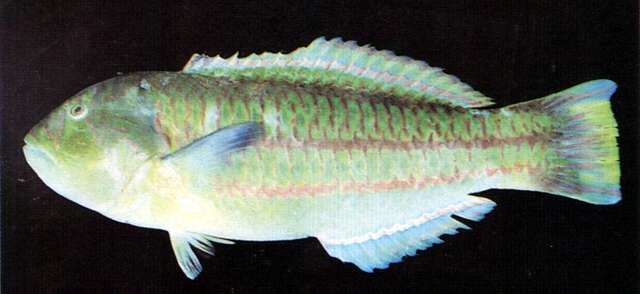
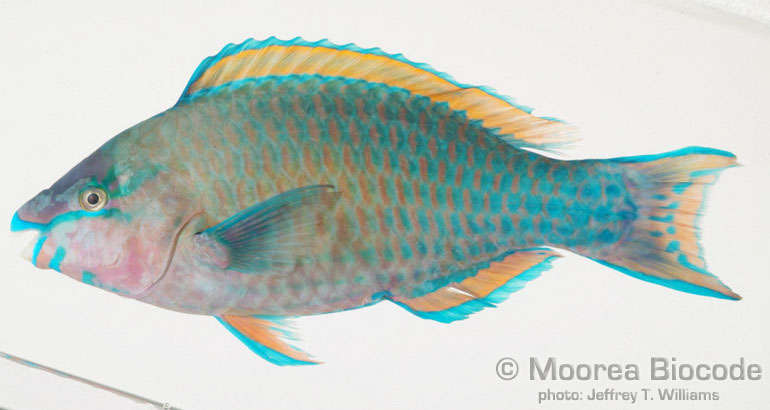
Scarus psittacus Forsskål, 1775 (Common parrotfish)
Inhabit reef flats and lagoon and seaward reefs to at least 25 m depth . Found over corals . Benthopelagic . Initial-phase fish stage usually form small feeding schools . Graze on benthic algae . Secrete a mucus cocoon .
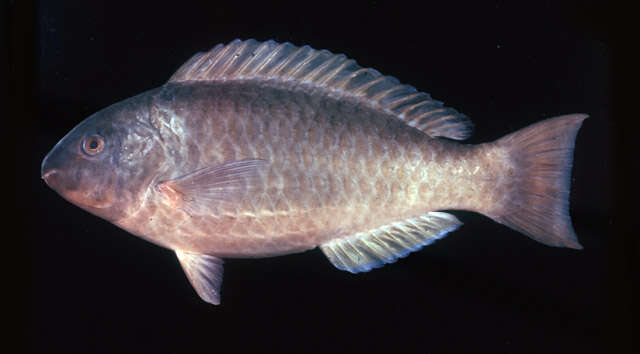
Scarus collana Rüppell, 1835 (Red Sea parrotfish)
Occurs around small coral heads or dead coral rock on silty sand of inshore reefs . Solitary species .
Canthigaster margaritata (Rüppell, 1829) (ocellated toby)
Common in tide pools near reefs and in shallow reef areas. Skin near dorsal and ventral ridge can be inflated, e.g. during territorial display among males .
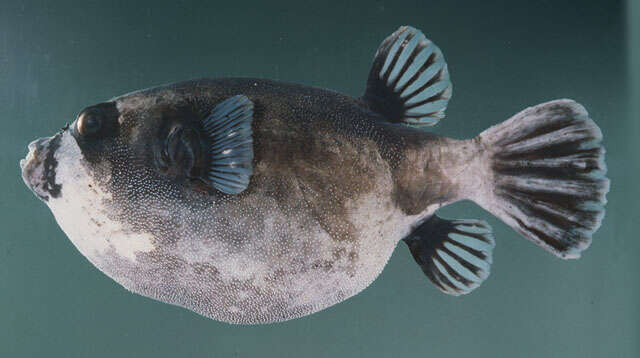
Arothron diadematus (Rüppell, 1829) (Masked puffer)
Inhabits coral-rich fringing reefs .
Canthigaster coronata (Vaillant & Sauvage, 1875) (Crowned puffer)
Found mostly below depths of 23 m, but occasionally seen in as little as 6 m . Benthopelagic . Usually found on sand or sand and rubble bottom or algal flats, often in the vicinity of coral reefs . Feed on a wide variet...
Read More
Read More
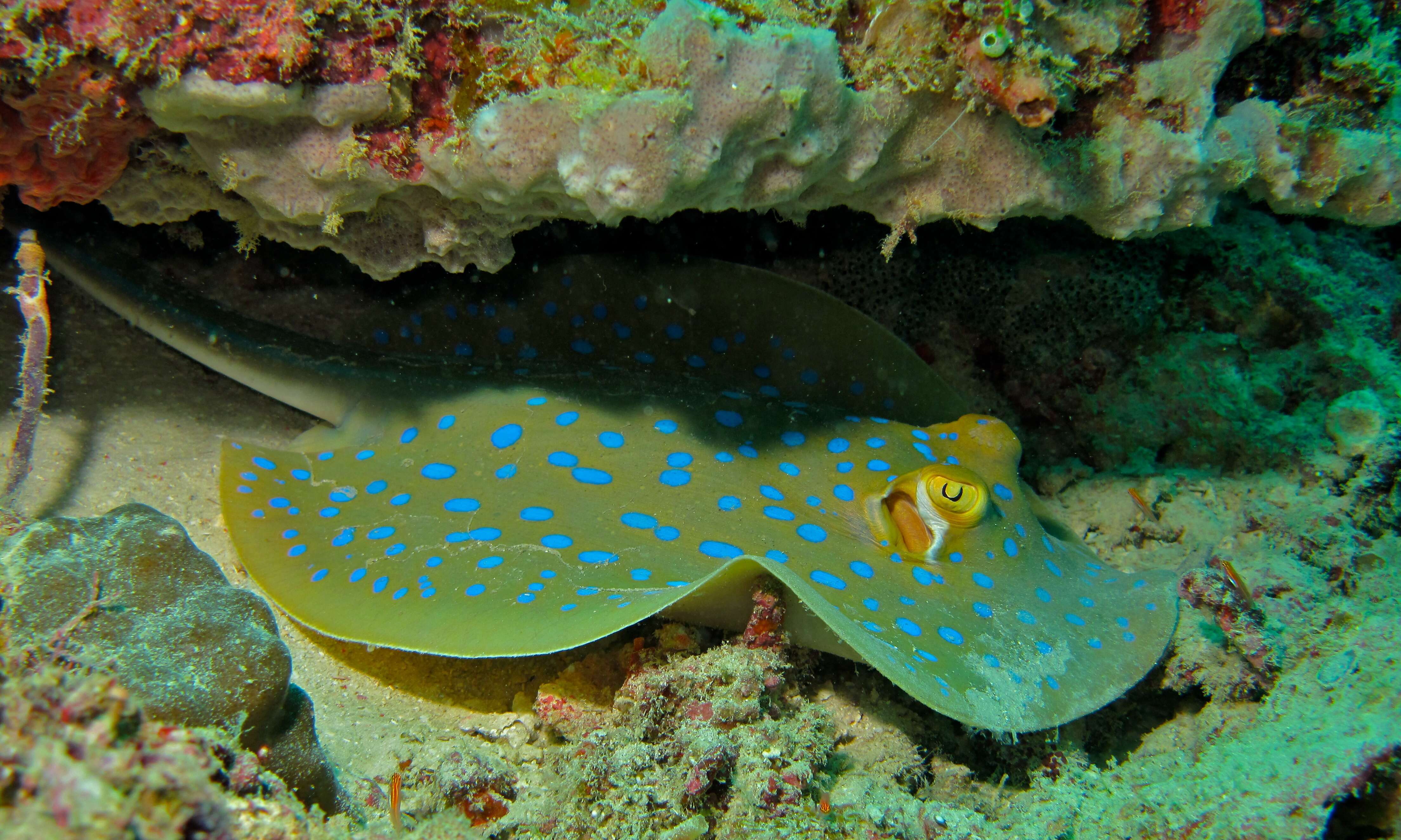
Taeniura lymma (Forsskål, 1775) (Bluespotted ribbontail ray)
Blue-spotted stingrays live alone or in small groups , migrating in large schools into shallow sandy areas on the rising tide in order to feed, and dispersing back into the ocean as the tide falls to shelter in the coral c...
Read More
Read More
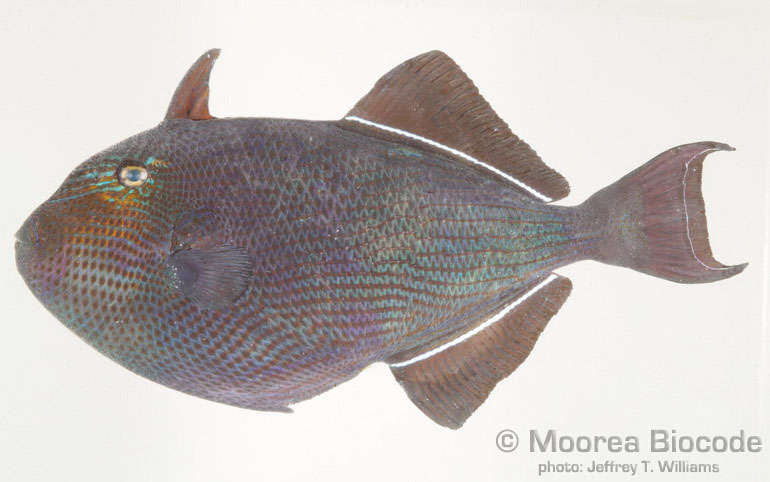
Melichthys niger (Bloch, 1786) (Black triggerfish)
Sufflamen albicaudatum (Rüppell, 1829) (Bluethroat triggerfish)
Inhabits open bottoms with scattered corals or rubble .
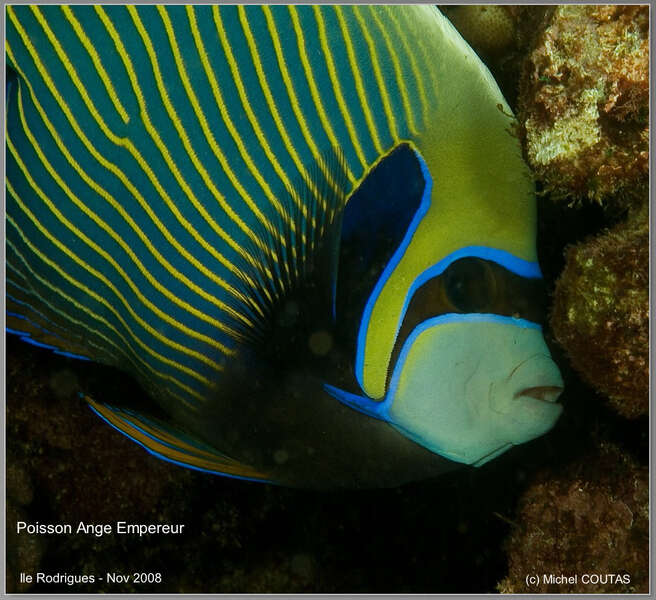
Pomacanthus imperator (Bloch, 1787) (Angel fish)
Juveniles are encountered under ledges, or in holes of outer lagoon patch reefs or semi-protected areas of exposed channels and outer reef flats. Subadults move to reef front holes and surge channels. Large adults inhabi...
Read More
Read More
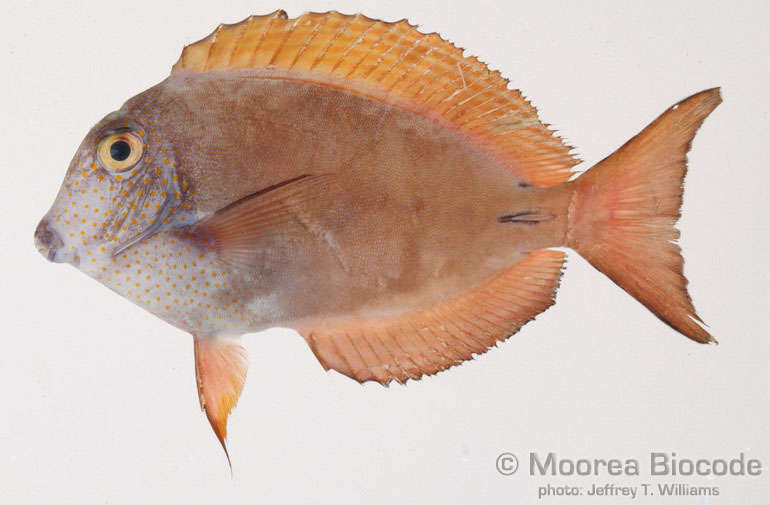
Acanthurus nigrofuscus (Forsskål, 1775) (Brown surgeonfish)
Found on hard substrates of shallow lagoon and seaward reefs from the lower surge zone to a depth of more than 15 m . Benthopelagic . Feed on filamentous algae. Form spawning aggregations . Adults usually in small grou...
Read More
Read More
Sphyraena viridensis Cuvier, 1829 (Barracuda)
Its habits are probably similar to those of the phylogenetically closely related Sphyraena sphyraena . Feeds on cephalopods, crustaceans and fishes. Caught in trammel nets and beach seines .
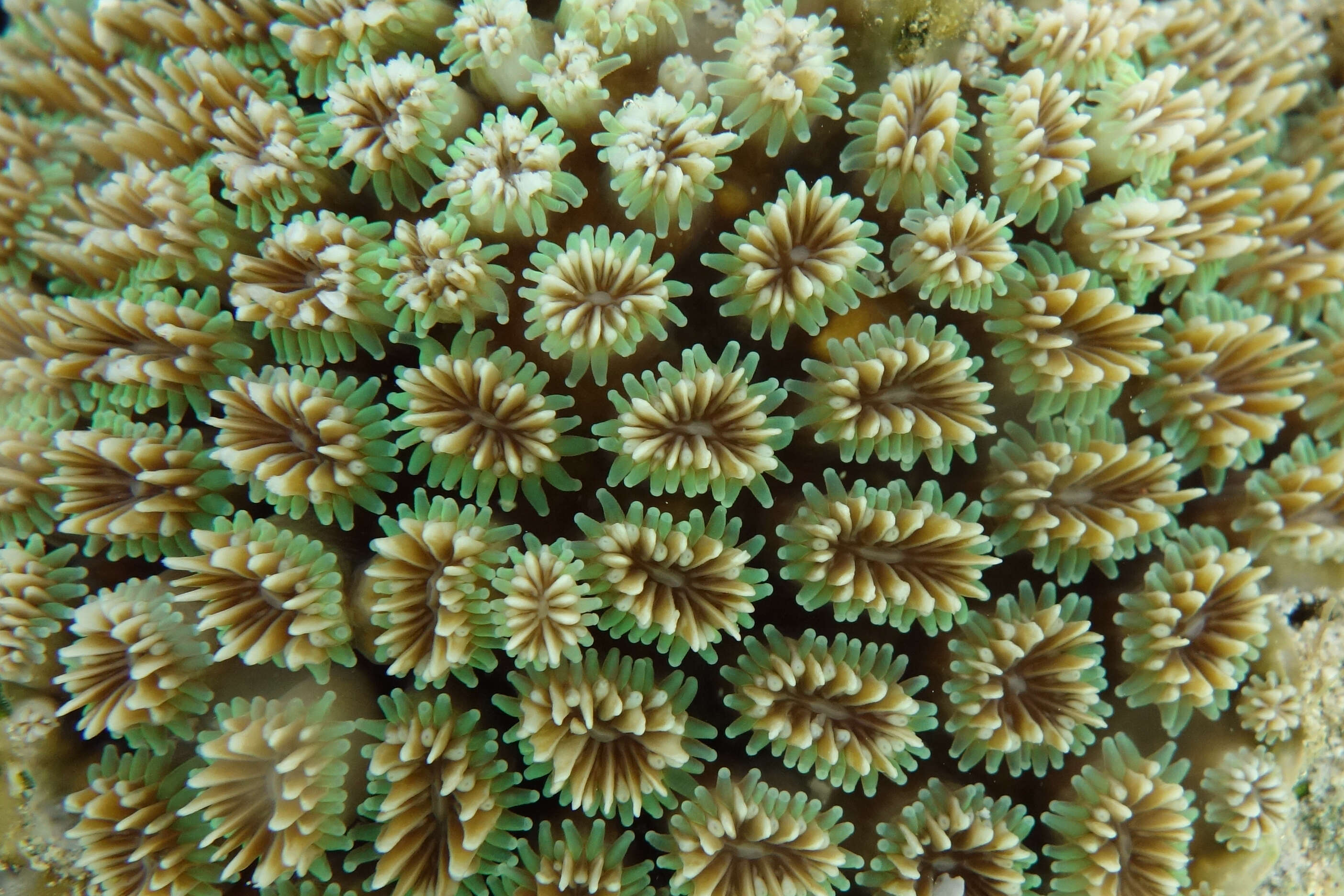
Galaxea fascicularis (Linnaeus, 1767) (Octopus coral)
zooxanthellate
Tetrosomus gibbosus (Linnaeus, 1758) (Humpback turretfish)
Inhabits deep coastal slopes and sheltered muddy substrates, usually in deep water offshore, but occasionally shallow near seagrass beds with silty rubble substrates . Usually occurs in sandy bottoms in coastal waters. F...
Read More
Read More
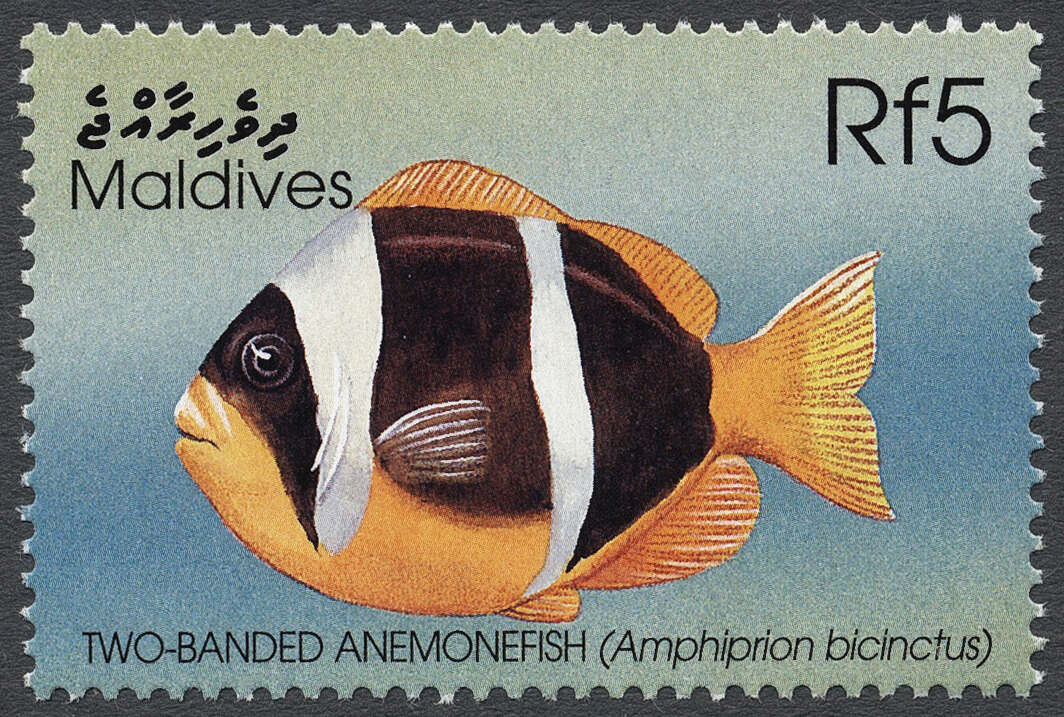
Amphiprion bicinctus Rüppell, 1830 (threebanded anemonefish)
Inhabits lagoons and outer reefs. Oviparous, with elliptical eggs . Monogamous . Has been reared in captivity . Associated with the anemones: Entacmaea quadricolor, Heteractis aurora, Heteractis crispa, Heteractis magnifica, and Stichodactyla gigantea .
Pterocaesio chrysozona (Cuvier, 1830) (blacktipped fusilier)
Ranges widely around coral reefs. Found in schools. Feeds on zooplankton in large midwater aggregations. Oviparous, with numerous, small pelagic eggs . Also caught by drive-in nets. Valuable tuna baitfish.
Chromis dimidiata (Klunzinger, 1871) (bicolor reeffish)
Inhabits lagoon and seaward reefs. Abundant, in large aggregations over reef tops and upper edges of slopes . Usually seen solitary in reefs, staying close to the substrate in depths of about 10 m .
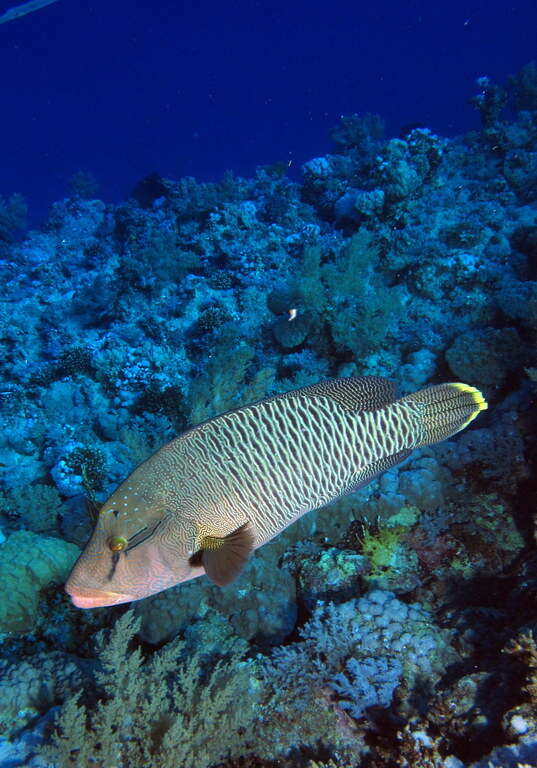
Cheilinus undulatus Rüppell, 1835 (Humphead wrasse)
Humphead wrasses are extremely long-lived, known to survive for at least 30 years, and taking around five to seven years to reach sexual maturity . Adults are usually solitary, spending the day roaming the reef and returni...
Read More
Read More
Share on Social Networks
- Facebook:

personalize your shared text as well as its destination (wall, page...) or send as a private message to a friend
- Twitter: Tweet personalize your tweet
- Google Plus:
Direct link to this dive
- Long link:
- Short link:


 We are participating today in the startup contest Techcrunch Disrupt. Support Diveboard by voting for us!
























































































