



 Elmonoeze


 Bahamas
-
Nº29
 Date: 2013-05-08 - 20:14
-
 Max Depth: 27m Duration: 46mins
Pictures

No pictures for this dive
- Temp: Surf 30°C Bottom 25°C
- Visibility: Good Water: Salt
Specific gear used
- BCD: Mares - Hybrid
- Computer: Oceanic - OCS
- Regulator: Cressi Sub - MC9 SC
- Weights: 7 kg
Recent Divers in Nassau
Recent Pictures in Nassau
Dive Shop & Buddies
 Dive with Mariano Serjai from Stuart Cove's Dive Bahamas
 Dive buddies:
Claudia Pastorino,
Sole
Dive buddies:
Claudia Pastorino,
Sole

Link to this spot:
- Spot:
- Country:
- Area:
- Body of water:
Dive Profile
- 1. Air
- 12L Steel 200 → 50 bar
- Average depth: 14.5m
Data provided by EOL.org

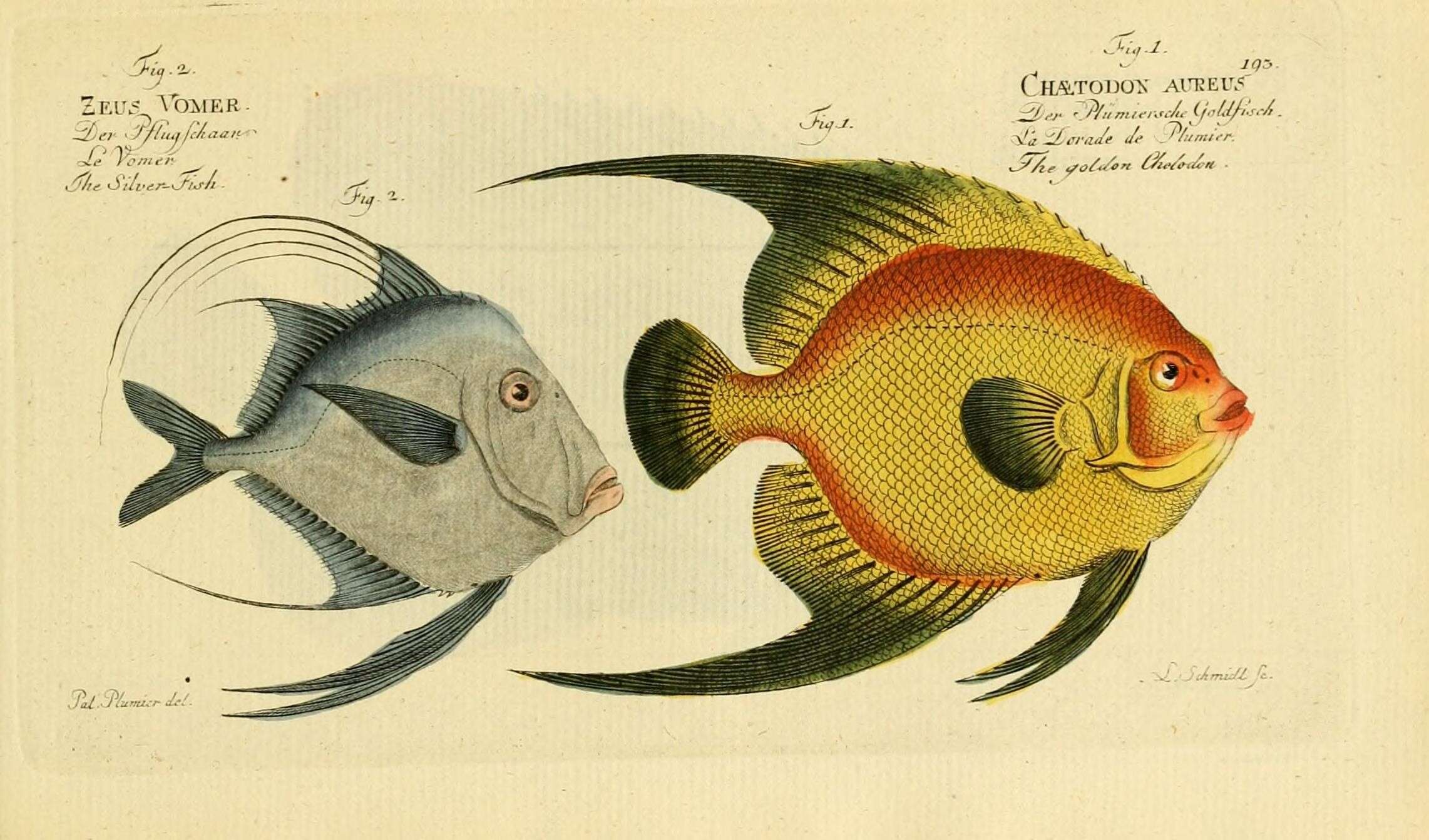
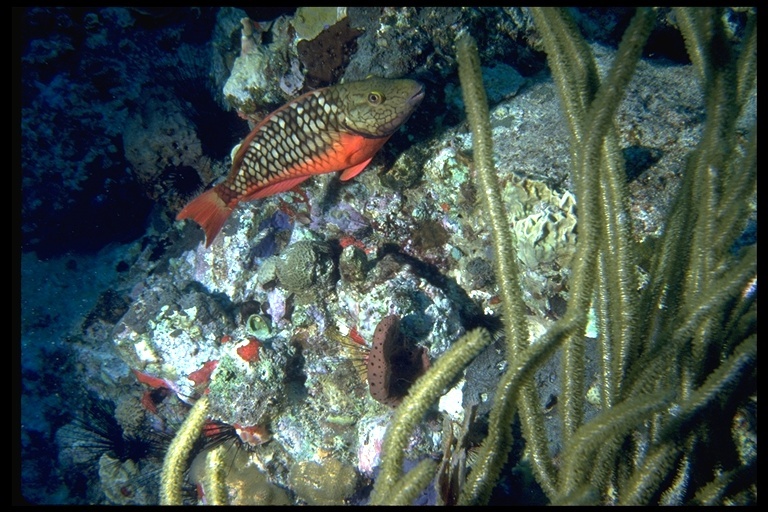

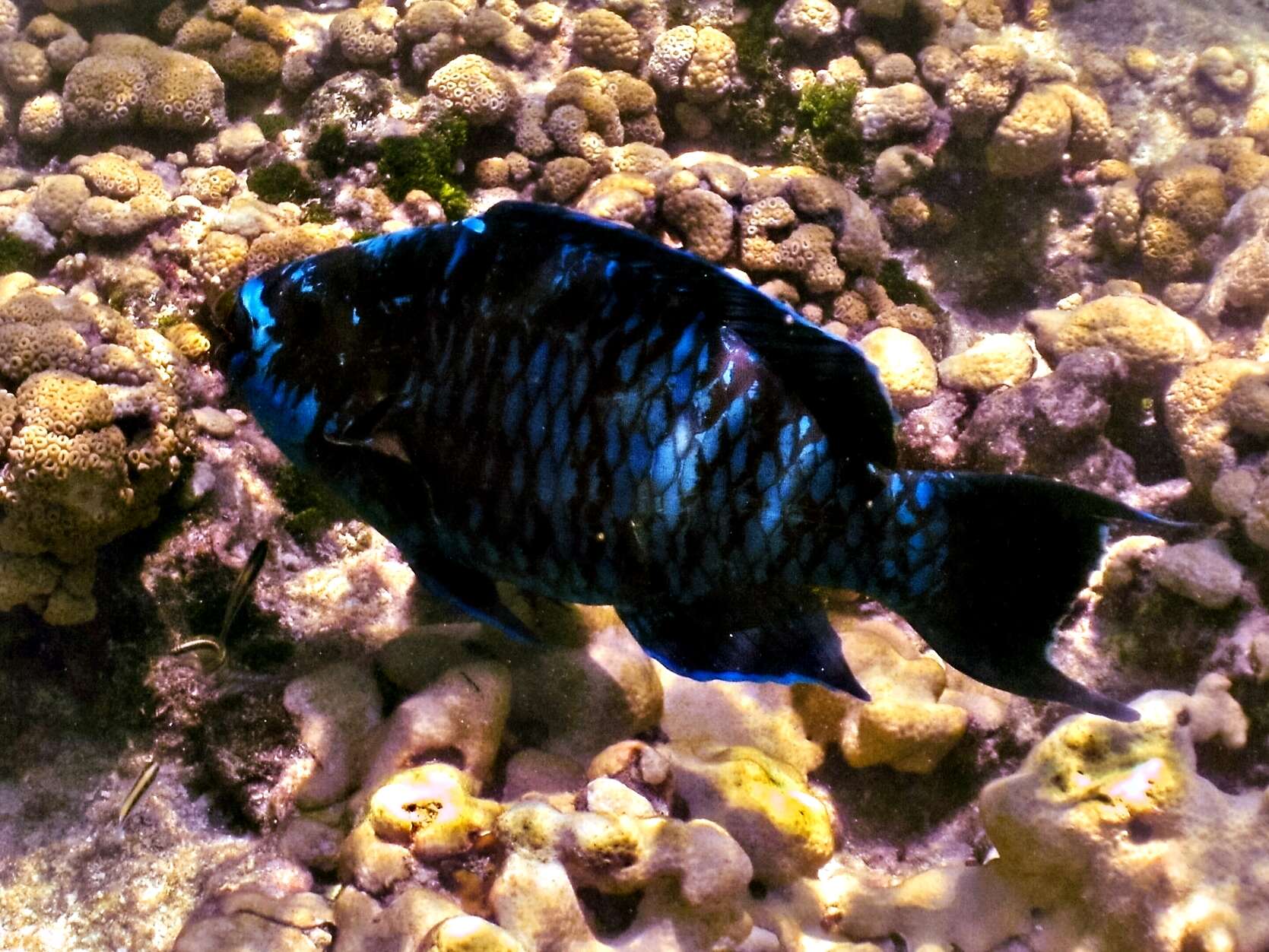
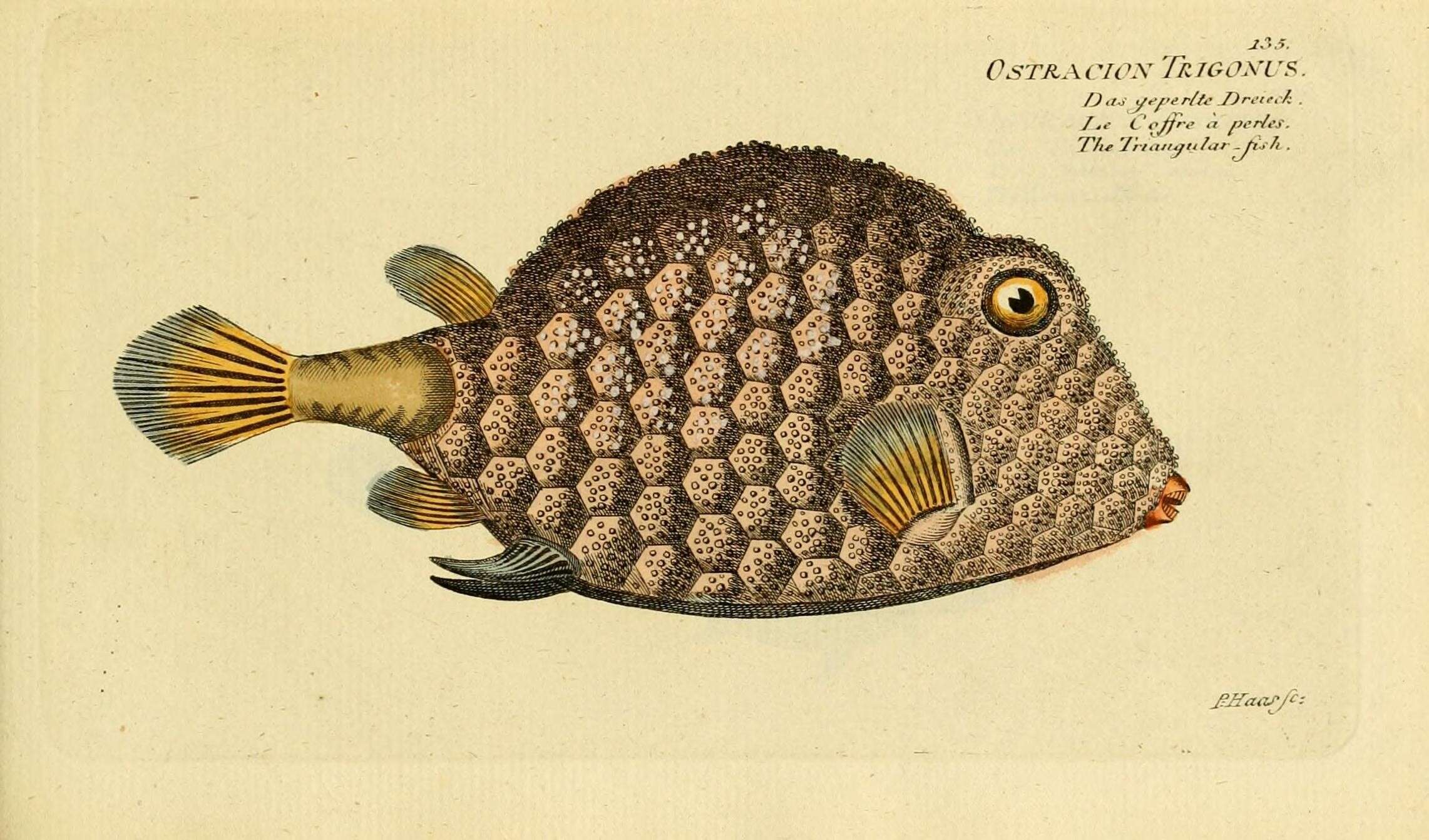
Species Identified
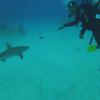
Carcharhinus limbatus (Müller and Henle, 1839) (Black-tip shark)
The fast-swimming blacktip shark is an active fish that can be seen leaping out of the water and spinning before dropping back into the sea . This agile spinning behaviour is thought to be used while feeding on small scho...
Read More
Read More
Pomacanthus paru (Bloch, 1787) (French angelfish)
Common in shallow reefs. Usually in pairs, often near sea fans . Feed on sponges, algae, bryozoans, zoantharians, gorgonians and tunicates . Oviparous , monogamous . Spawning pairs are strongly territorial, with usuall...
Read More
Read More
Holacanthus ciliaris (Linnaeus, 1758) (queen angelfish)
Found on coral reefs. Generally occurs solitarily or in pairs. Moves gracefully between seafans, seawhips, and corals . Stomach contents of 26 specimens indicate that the species feeds almost exclusively on sponges supp...
Read More
Read More
Sparisoma viride (Bonnaterre, 1788) (Dark green parrotfish)
Inhabits coral reefs with clear water . Young may be found in seagrass beds and other heavily vegetated bottoms. Feeds mainly on soft algae, but has been observed to graze on live corals like, Montastraea annularis . Pr...
Read More
Read More
Scarus vetula Bloch and Schneider, 1801 (Blownose)
Inhabits coral reefs and adjacent habitats. Feeds on algae scraped from rocks or dead coral. Sleeps in a mucus cocoon . Often seen in groups of one super male with several young adults, most of which are probably females . A protogynous hermaphrodite .
Scarus coelestinus Valenciennes, 1840 (Nightowl parrot)
Occurs from rocky coastal reefs to seaward reefs . Often in schools, feeding with surgeonfishes by scraping off algae from rocks or dead coral . Marketed fresh and salted .
Lactophrys trigonus (Linnaeus, 1758) (Buffalo trunkfish)
Inhabits seagrass beds, coral rubble areas, and offshore reefs down to about 50 m. Feeds on a wide variety of small benthic invertebrates such as mollusks, crustaceans, worms and sessile tunicates, as well as some sea grasses . Highly esteemed food fish in the Caribbean .
Share on Social Networks
- Facebook:

personalize your shared text as well as its destination (wall, page...) or send as a private message to a friend
- Twitter: Tweet personalize your tweet
- Google Plus:
Direct link to this dive
- Long link:
- Short link:


 We are participating today in the startup contest Techcrunch Disrupt. Support Diveboard by voting for us!
























































































Nocturno, no mucho para ver... pero vimos la tortuga mas grande por lejos.