


 Marcio Zaparoli


 Brazil
-
Nº22
 Date: 2014-09-13 - 11:11
-
 Max Depth: 12.5m Duration: 44mins
Dive Location

- Temp: Surf 24°C Bottom 22°C
- Dive type : Recreational, Training, Photo, Research
- Visibility: Bad Water: Salt
Specific gear used
- BCD: Seasub - Orion
- Compass: Suunto - SK-7 compass
- Computer: Suunto - Vyper
- Fins: Scubapro - Seawing
- Knife: Halcyon - H
- Regulator: Scubapro - G250V
- Regulator: Scubapro - MK25
- Regulator: Scubapro - R195 Octopus
- Wet suit: Cressi Sub - Castoro
- Weights: 11 kg
Dive reviews
| Dive difficulty | ||
| Marine life quality |
Recent Divers in Ilha Grande - Angra Dos Reis - Rio de Janeiro

Recent Pictures in Ilha Grande - Angra Dos Reis - Rio de Janeiro
Dive Shop & Buddies
 Dive with Jornada

Link to this spot:
- Spot:
- Country:
- Area:
- Body of water:
Dive Profile
- 1. Air
- 1L Steel 200 → 80 bar
- Average depth: 8.4m
Data provided by EOL.org





Species Identified
Bodianus pulchellus (Poey, 1860) (Hogfish)
Inhabits coral and rocky reefs, rarely at depths greater than 24 m . Feeds on crabs and small shellfish . Juveniles pick parasites from other fishes . May hybridize with Spanish hogfish, B. rufus . Marketed fresh .
Sparisoma chrysopterum (Bloch and Schneider, 1801) (Blisterside)
Occurs in coral reefs and adjacent habitats, the young especially in seagrass beds. Juveniles or primary-phase adults rapidly assume a mottled pattern with which they blend with the substratum when they come to rest on the bottom. Feeds on benthic algae and seagrasses.
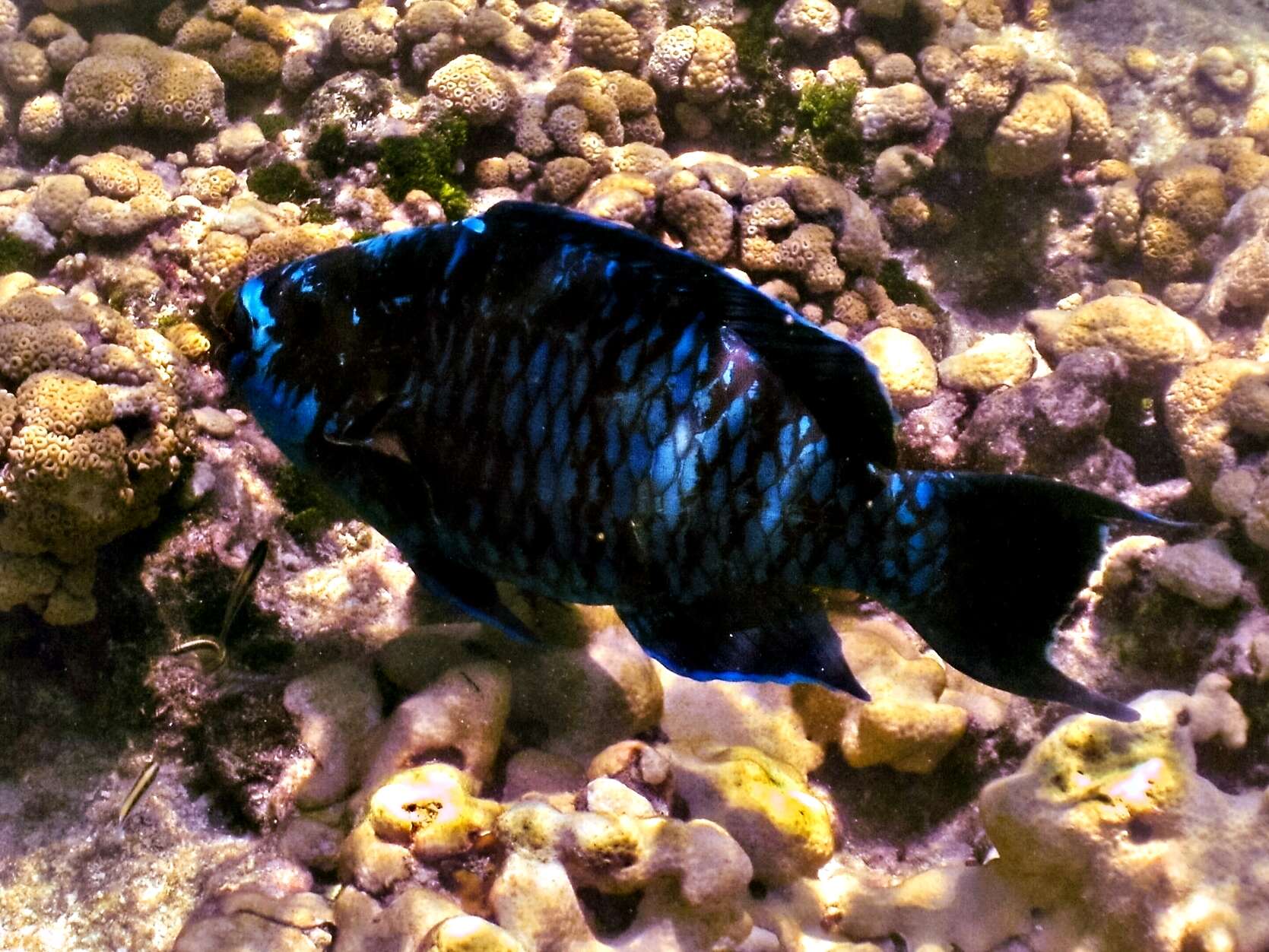
Scarus coelestinus Valenciennes, 1840 (Nightowl parrot)
Occurs from rocky coastal reefs to seaward reefs . Often in schools, feeding with surgeonfishes by scraping off algae from rocks or dead coral . Marketed fresh and salted .
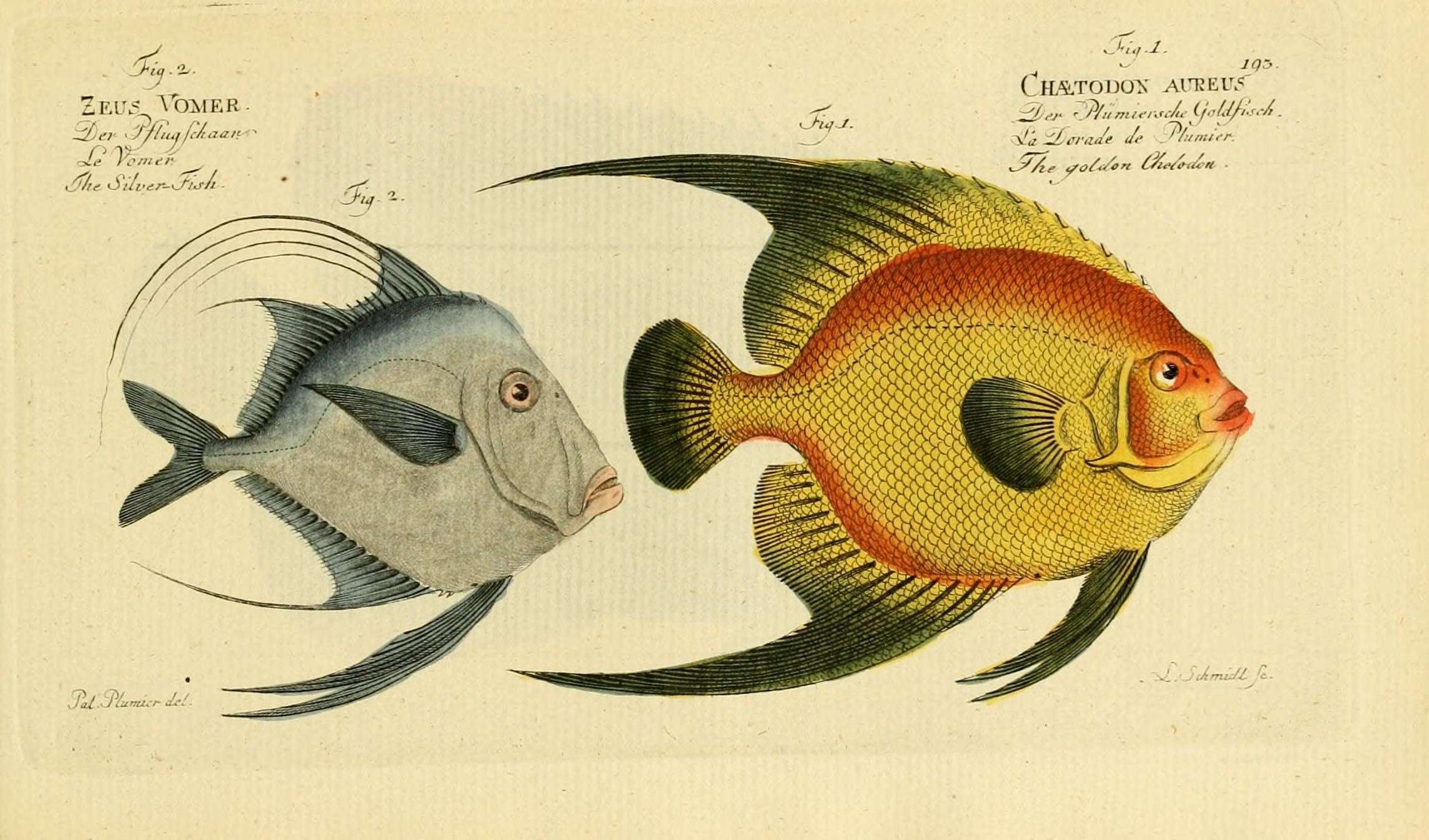
Pomacanthus paru (Bloch, 1787) (French angelfish)
Common in shallow reefs. Usually in pairs, often near sea fans . Feed on sponges, algae, bryozoans, zoantharians, gorgonians and tunicates . Oviparous , monogamous . Spawning pairs are strongly territorial, with usuall...
Read More
Read More
Anisotremus virginicus (Linnaeus, 1758) (Atlantic porkfish)
Inhabits reefs and rocky bottoms. Feeds at night on mollusks, echinoderms, annelids, and crustaceans . Young pick parasites from the bodies of larger fishes . Young are popular aquarium fish . Marketed fresh . Has been reared in captivity .
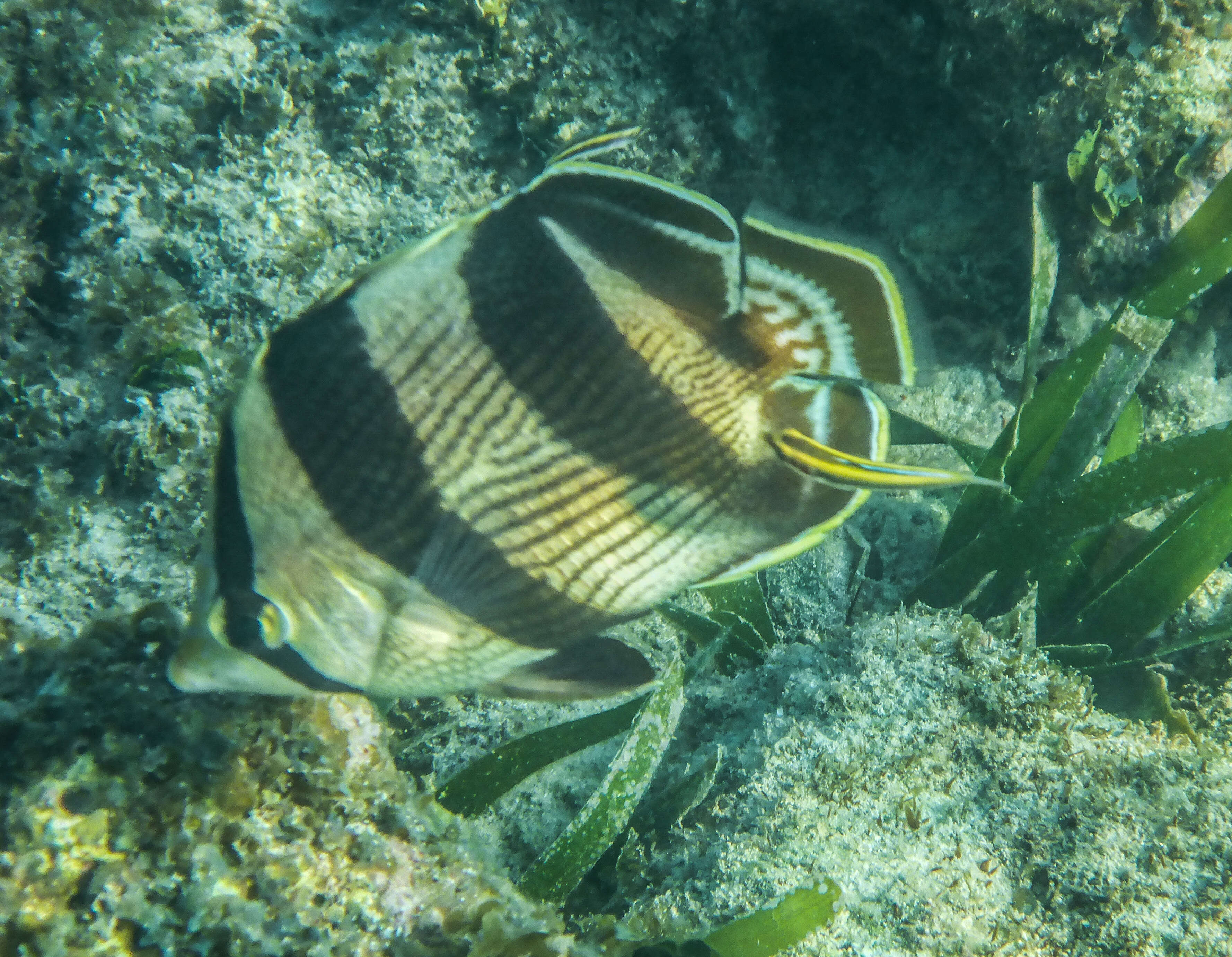
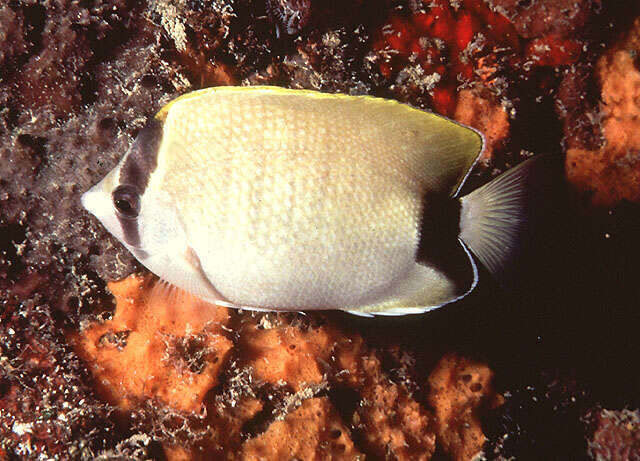
Chaetodon striatus Linnaeus, 1758 (Butterbun)
Inhabit coral reefs. Occur singly or in pairs. Feed on polychaete worms, coral polyps, crustaceans and mollusk eggs. Oviparous , monogamous . Form pairs during breeding . Adults may form plankton-feeding aggregations ...
Read More
Read More
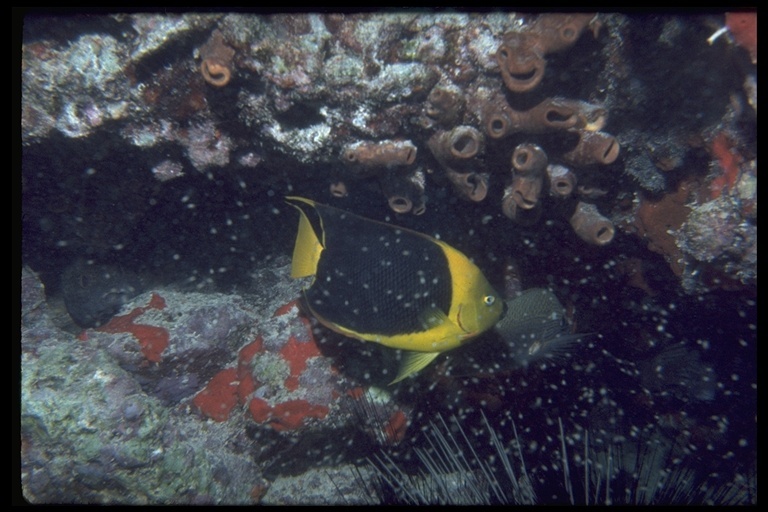
Holacanthus tricolor (Bloch, 1795) (Angelfish)
Inhabits rock jetties, rocky reefs and rich coral areas. Juveniles often associated with fire corals . Feeds on tunicates, sponges, zoantharians and algae. Marketed fresh .
Chaetodon sedentarius Poey, 1860 (Butterbun)
Inhabit coral reefs. Prefer to feed on eggs of Abudefduf saxatilis but also on polychaete worms, shrimps, amphipods and hydroids. Oviparous . Form pairs during breeding .
Upeneus parvus Poey, 1852 (goatfish)
Found over mud and sand bottoms . Juveniles up to 8 cm are pelagic . Feeds mainly on benthic invertebrates . Flesh considered good quality; marketed fresh and frozen . In southwestern Brazil found in 112 m depth .
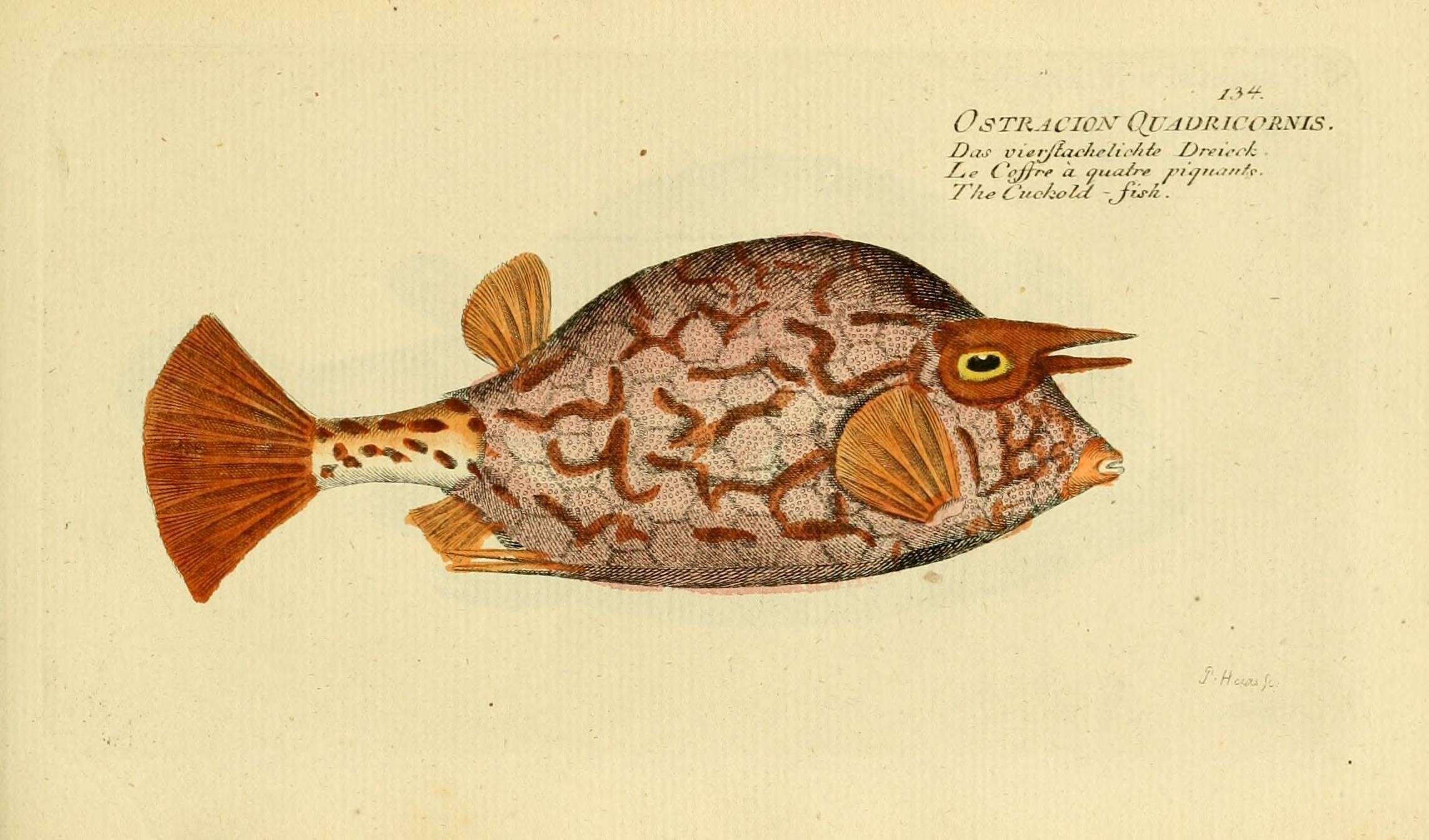
Acanthostracion quadricornis (Linnaeus, 1758) (Cowfish)
Found in shallow water down to about 80 m, mainly in seagrass beds . Feeds on sessile invertebrates such as tunicates, gorgonians and anemones, as well as on slow-moving crustaceans, sponges , hermit crabs and marine plants . Oviparous . Considered an excellent food fish; marketed fresh .
Apogon americanus Castelnau, 1855 (Brazilian flamefish)
Inhabits rock pools but also found to depths of at least 50 m. Hides in holes and crevices during the day . Feeds on plankton .
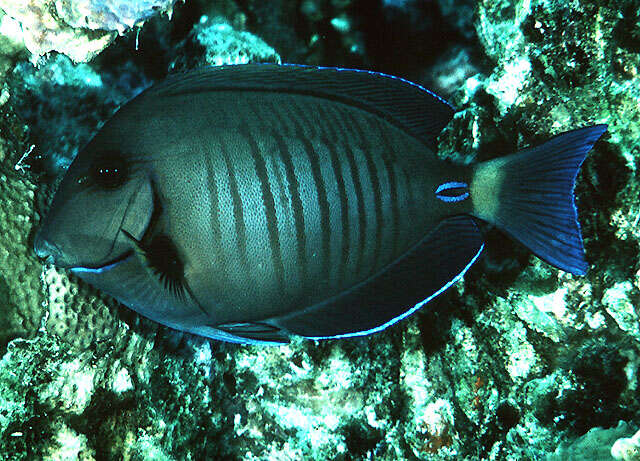
Acanthurus chirurgus (Bloch, 1787) (Black doctorfish)
Inhabits shallow reefs or rocky areas. Found in loose aggregations . Mainly diurnal. Ingests sand when feeding on algae . The spine on both sides of the caudal peduncle may inflict painful wounds . Minimum depth repor...
Read More
Read More
Share on Social Networks
- Facebook:

personalize your shared text as well as its destination (wall, page...) or send as a private message to a friend
- Twitter: Tweet personalize your tweet
- Google Plus:
Direct link to this dive
- Long link:
- Short link:


 We are participating today in the startup contest Techcrunch Disrupt. Support Diveboard by voting for us!
























































































Check out Advanced - Objetivo deste primeiro Mergulho foi o de identificação de espécies marinhas, invertebados. alguns outros vertebrados foram também identificados.
Fiz dupla com o Texugo - mas ele teve dor no ouvido. Ele voltou para o barco e desci novamente e acompanhei o Fabiano e a esposa.