


 Paolo Hutchison

 Turks and Caicos Islands
-
Nº56
 Date: 2015-07-03 - 10:00
-
 Max Depth: 19.1m Duration: 46mins
Pictures

No pictures for this dive
- Temp: Surf 27°C Bottom 27°C
- Dive type : Recreational
- Visibility: Excellent Water: Salt
Specific gear used
- Mask: Promate -
- Fins: Mares - Avanti Super Channel OH
- Boots: NeoSport - Neoprene 3mm Hi Top
- Computer: Tusa - IQ-900
- BCD: Aqualung - Axiom i3
- Regulator: Scubapro - S600
- Camera: GoPro - Hero 4 Black
- Weights: 3.6 kg
Dive reviews
| Overall review | ||
| Marine life quality |
Recent Divers in Providenciales
Recent Pictures in Providenciales

Link to this spot:
- Spot:
- Country:
- Area:
- Body of water:
Dive Profile
- 1. Air
- 10L Aluminium 221 → 110 bar
- Average depth: 13.3m
Data provided by EOL.org

Species Identified
Delphinus delphis Linnaeus, 1758 (saddle-backed dolphin)
These fast-swimming dolphins are highly active , often leaping clear of the water , and slapping their flippers on the water surface . They occur in large groups of between 10 and 500 individuals , the size of group depe...
Read More
Read More
Eretmochelys imbricata (LINNAEUS) 1766 (Hawksbill Turtle)
Hawksbills may take decades to mature and it could be between 20 to 40 years before they are ready to breed . Upon reaching sexual maturity, a female will typically lay up to five clutches of around 100 to 140 eggs in one ...
Read More
Read More
Acanthocybium solandri (Cuvier, 1832) (Barracuda)
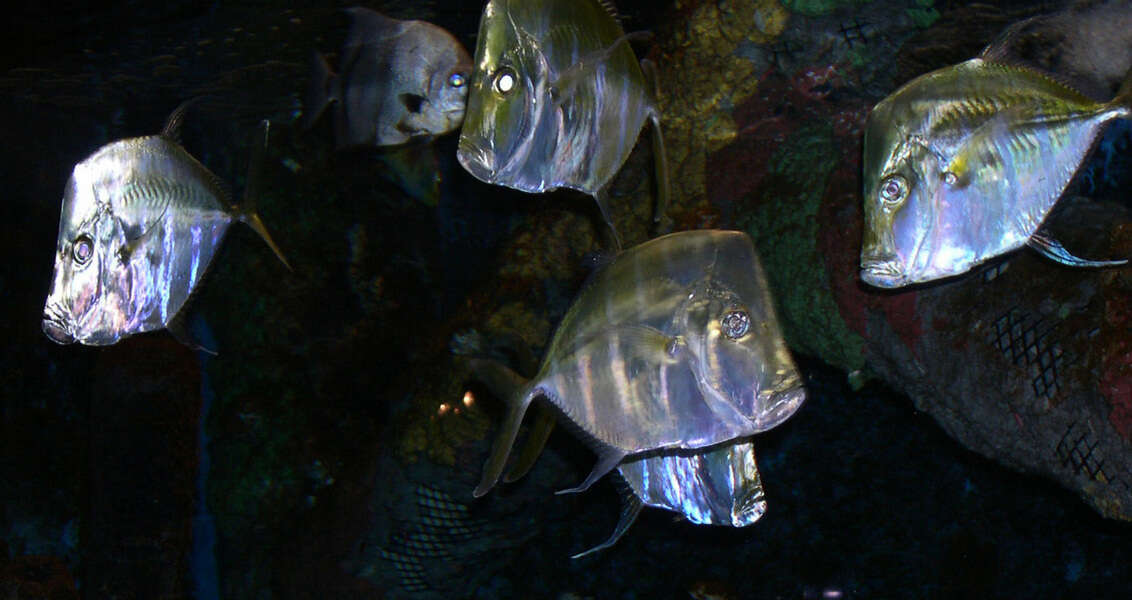
Selene vomer (Linnaeus, 1758) (Flatjack)
Found in shallow coastal waters, usually over hard or sandy bottoms. Juveniles may be encountered in estuarine areas and off sandy beaches . Found in schools, but may be encountered in small groups or in pairs . Feeds ...
Read More
Read More
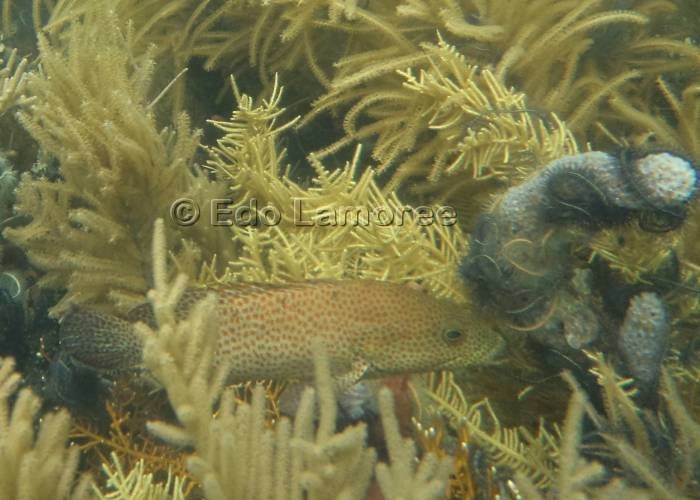
Cephalopholis cruentata (Lacepède, 1802) (Coney)
Inhabit Thalassia beds and coral reefs. In the Gulf of Mexico, they are found on rocky reef ledge in depths greater than 27 m. Solitary and secretive, they usually stay near hiding places during the day. Prefer to rema...
Read More
Read More
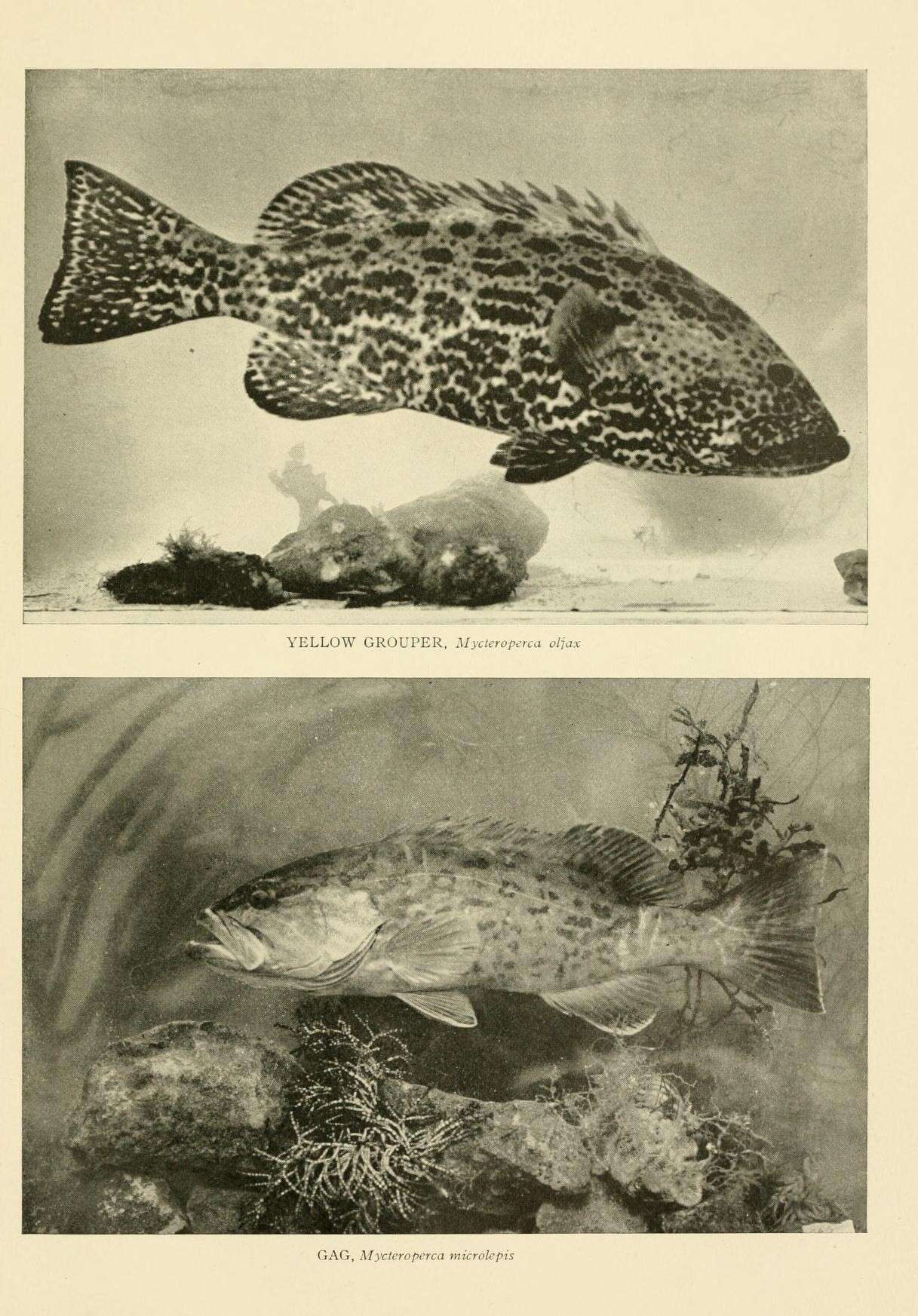
Mycteroperca venenosa (Linnaeus, 1758) (Grouper)
Adults found on rocky and coral reefs, juveniles occur in shallow turtle grass beds. Also been taken in trawls over mud bottom in the northern Gulf of Mexico. Feeds mainly on fishes and squids. Although often implicate...
Read More
Read More
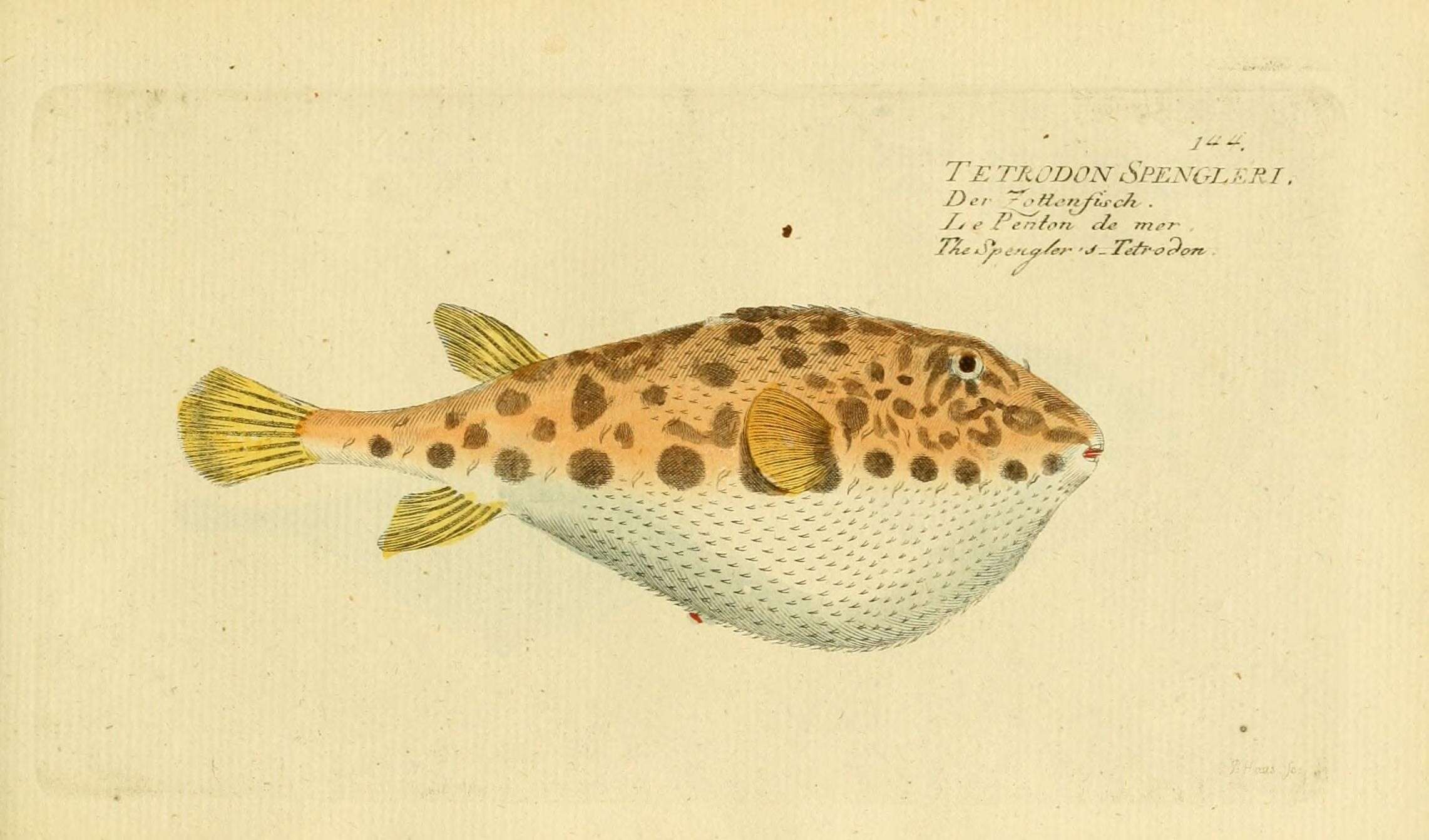
Sphoeroides spengleri (Bloch, 1785) (Puffer)
Abundant in all inshore habitats where there is adequate cover, such as seagrass beds and reef flats. Feeds on mollusks, crustaceans and echinoderms . Generally common . Traded as an aquarium fish at Ceará, Brazil .
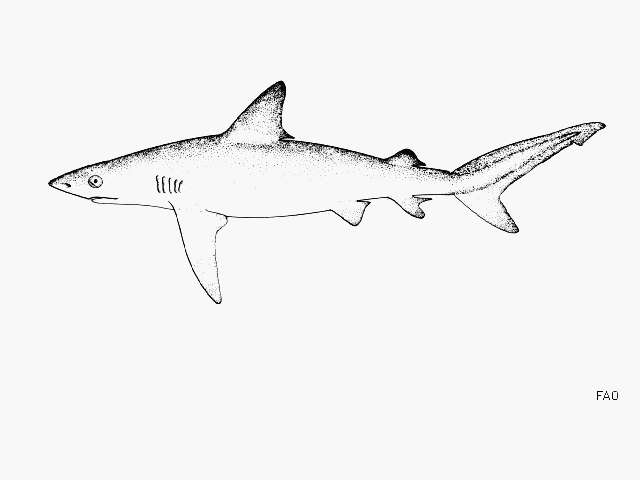
Carcharhinus perezii (Poey, 1876) (Caribbean reef shark)
Found on continental and insular shelves, often near drop-offs on the outer edges of reefs. May rest on the bottom . Usually found in reefs, at less than 30 m deep . Feed on bony fishes, including bigeyes . Viviparous...
Read More
Read More
Share on Social Networks
- Facebook:

personalize your shared text as well as its destination (wall, page...) or send as a private message to a friend
- Twitter: Tweet personalize your tweet
- Google Plus:
Direct link to this dive
- Long link:
- Short link:


 We are participating today in the startup contest Techcrunch Disrupt. Support Diveboard by voting for us!
























































































Dolphins on the way out - sharks, turtles, rays and schools of baracuda and jacks during the dive. Most marine life I've seen while diving in T&C