


 Patrick Loacker


 Anguilla

-
Nº158
 Date: 2012-05-27 - 11:08
-
 Max Depth: 17.5m Duration: 46mins
Pictures

No pictures for this dive
- Temp: Surf 30°C Bottom 27°C
- Dive type : Recreational, Wreck
- Visibility: Good Water: Salt
Specific gear used
- Weights: 6 kg
Recent Divers in Crocus Bay

Recent Pictures in Crocus Bay
Dive Shop & Buddies
 Dive with Pinky from Shoal Bay Scuba

Link to this spot:
- Spot:
- Country:
- Area:
- Body of water:
Dive Profile
Data provided by EOL.org


Species Identified
Abudefduf saxatilis (Linnaeus, 1758) (Mamo)
Hermodice carunculata (Pallas, 1766) (bearded fireworm)
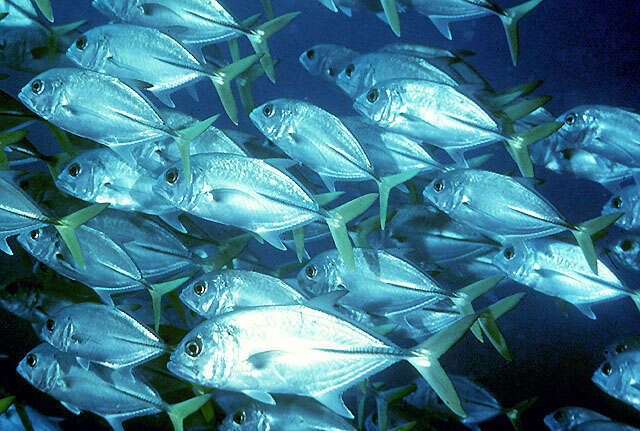
Caranx latus Agassiz, 1831 (Cabali)
A pelagic schooling species usually found in offshore reefs . Juveniles are encountered along shores of sandy beaches, also over muddy bottoms . May penetrate into brackish water and ascend rivers. Feed on fishes, shrimps, and other invertebrates . Often approach divers . Eggs are pelagic .
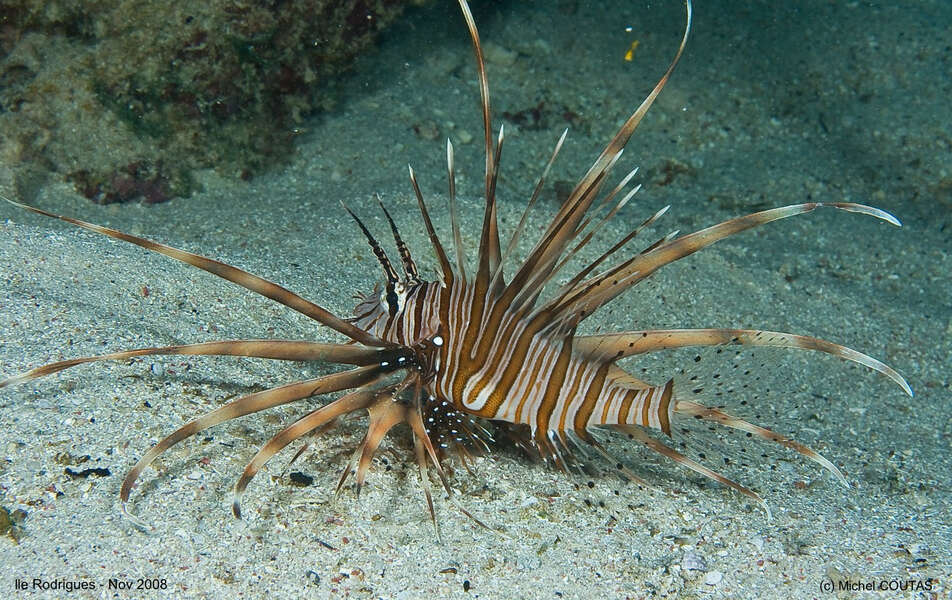
Pterois volitans (Linnaeus, 1758) (Red lionfish)
Scarus vetula Bloch and Schneider, 1801 (Blownose)
Inhabits coral reefs and adjacent habitats. Feeds on algae scraped from rocks or dead coral. Sleeps in a mucus cocoon . Often seen in groups of one super male with several young adults, most of which are probably females . A protogynous hermaphrodite .
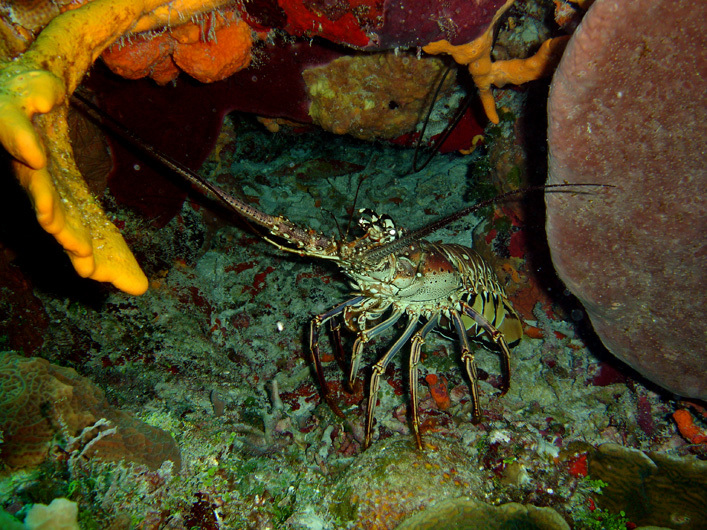
Panulirus argus (Latreille, 1804) (Caribbean spiny lobster)
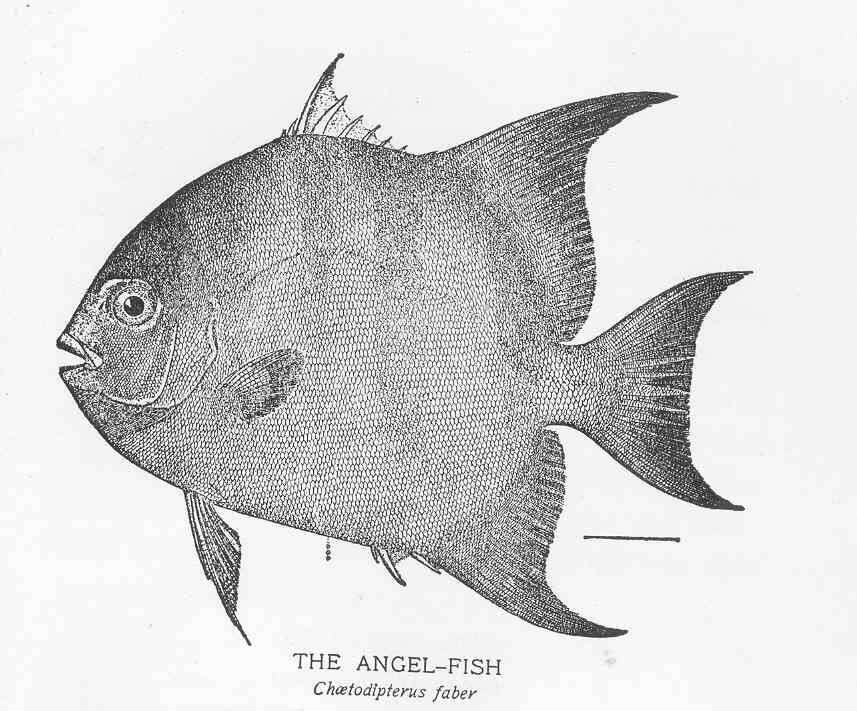
Chaetodipterus faber (Broussonet, 1782) (Atlantic spadefish)
Abundant in shallow coastal waters, from mangroves and sandy beaches to wrecks and harbors. Juveniles are common in estuaries and often found in very shallow water swimming at an angle resembling dead leaves or as infert...
Read More
Read More
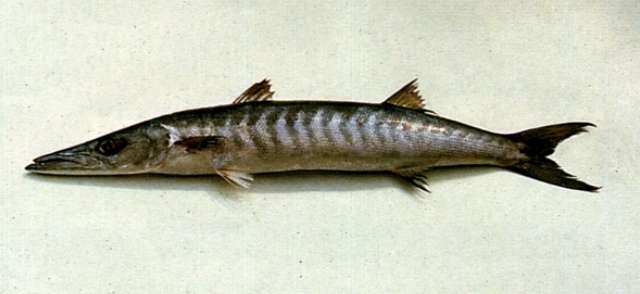
Sphyraena putnamae Jordan & Seale, 1905 (Barracuda)
Found near prominent current-swept lagoons or seaward reefs . Also in bays and inner turbid lagoons . Nocturnally active, but occurring in relatively large schools during the day . Sold fresh or processed into fish cakes .
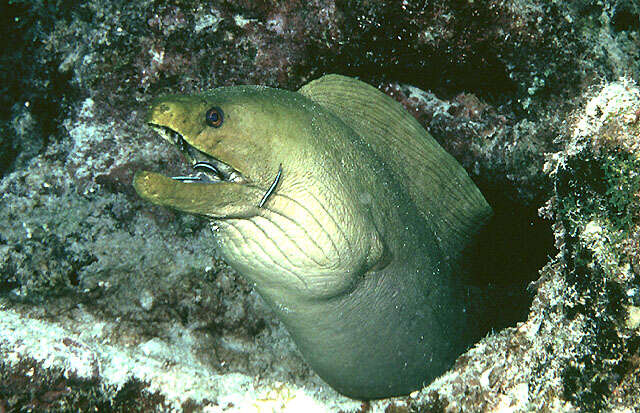
Gymnothorax funebris Ranzani, 1839 (Green cong)
A benthic and solitary species occurring along rocky shorelines, reefs, and mangroves .Usually found shallower than 30 m . Due to its large size and aggressiveness, the bites of this moray are particularly dangerous . F...
Read More
Read More
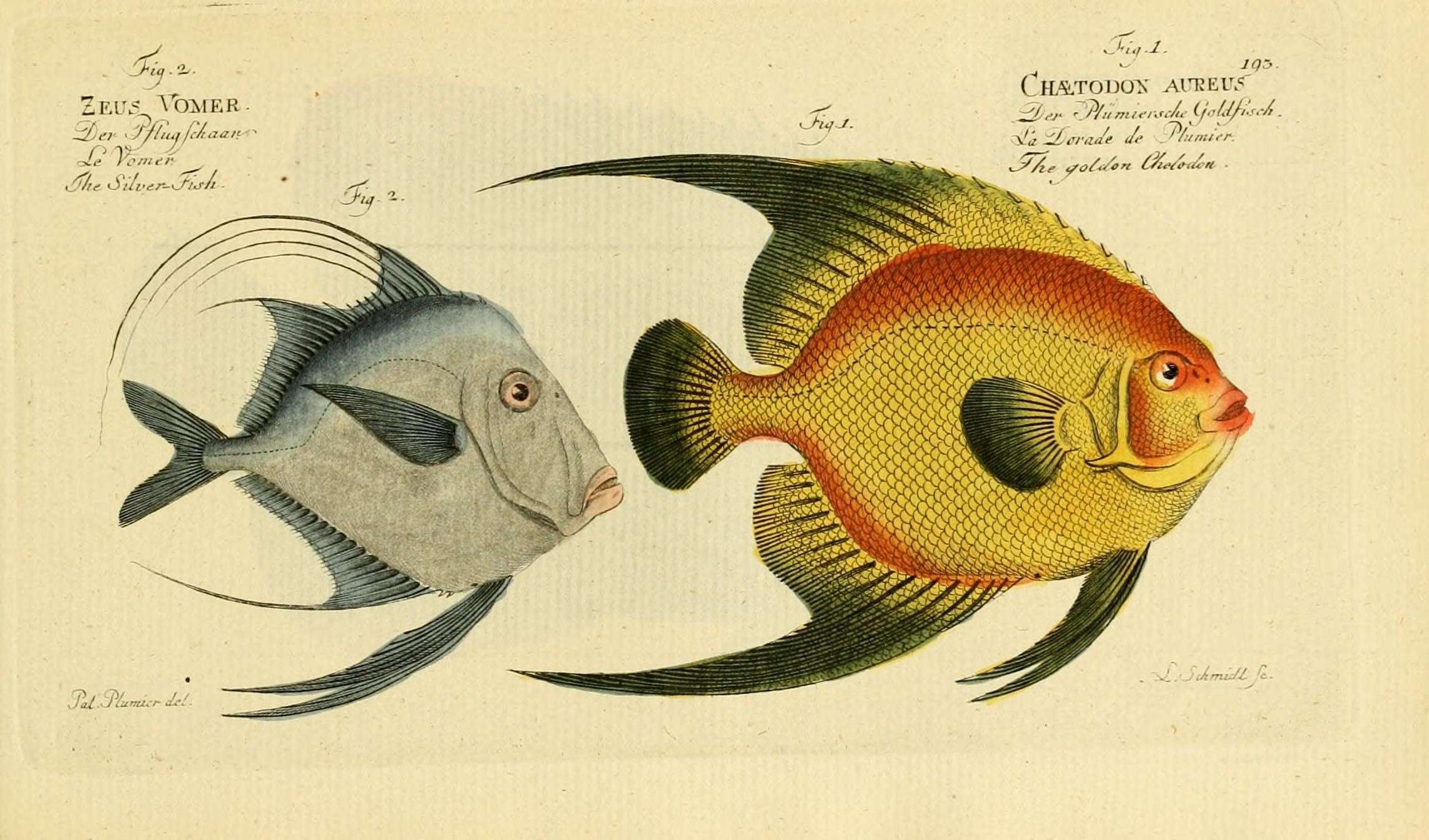
Holacanthus ciliaris (Linnaeus, 1758) (queen angelfish)
Found on coral reefs. Generally occurs solitarily or in pairs. Moves gracefully between seafans, seawhips, and corals . Stomach contents of 26 specimens indicate that the species feeds almost exclusively on sponges supp...
Read More
Read More
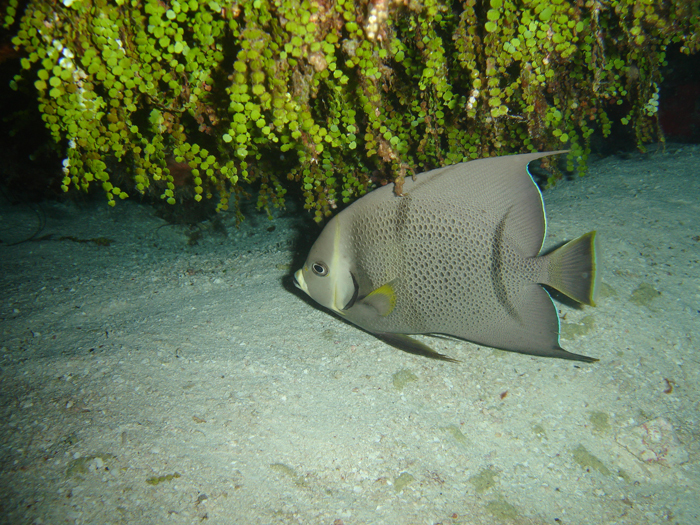
Pomacanthus arcuatus (Linnaeus, 1758) (Grey angelfish)
Common in coral reefs, usually solitary, occasionally in pairs. Juveniles are part-time cleaners. Feed mainly on sponges, but also takes tunicates, algae, zoantharians, gorgonians, hydroids, bryozoans, and seagrasses. O...
Read More
Read More
Pomacanthus paru (Bloch, 1787) (French angelfish)
Common in shallow reefs. Usually in pairs, often near sea fans . Feed on sponges, algae, bryozoans, zoantharians, gorgonians and tunicates . Oviparous , monogamous . Spawning pairs are strongly territorial, with usuall...
Read More
Read More
Share on Social Networks
- Facebook:

personalize your shared text as well as its destination (wall, page...) or send as a private message to a friend
- Twitter: Tweet personalize your tweet
- Google Plus:
Direct link to this dive
- Long link:
- Short link:


 We are participating today in the startup contest Techcrunch Disrupt. Support Diveboard by voting for us!
























































































2nd dive after a break at Little Bay