


 Spain

-
Nº5
 Date: 2015-05-08 - 10:33
-
 Max Depth: 18m Duration: 40mins
Pictures

No pictures for this dive
- Temp: Surf 20°C Bottom 17°C
- Dive type : Recreational
- Visibility: Good Water: Salt
Specific gear used
- Weights: 8 kg
Dive reviews
| Overall review | ||
| Dive difficulty | ||
| Marine life quality |
Recent Divers in Ibiza
Dive Shop & Buddies
 Dive with Eduardo Hornillos from Orca Sub

Link to this spot:
- Spot:
- Country:
- Area:
- Body of water:
Dive Profile
- 1. Air
- 12L Steel 200 → 35 bar
- Average depth: 12m
Data provided by EOL.org
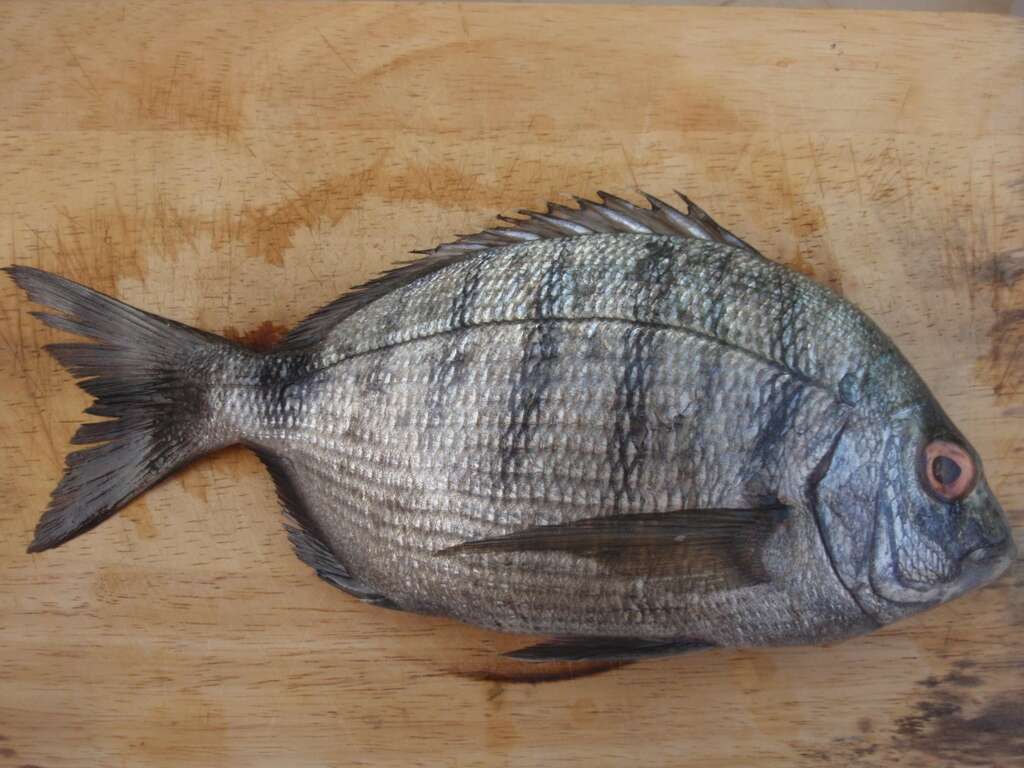


Species Identified
Sparus aurata Linnaeus, 1758 (Gilt head bream)
Found in seagrass beds and sandy bottoms as well as in the surf zone commonly to depths of about 30 m, but adults may occur to 150 m depth. A sedentary fish, either solitary or in small aggregations. In spring, they ofte...
Read More
Read More
Diplodus sargus sargus (Linnaeus, 1758) (White seabream)
Inhabits coastal rocky reef areas and Posidonia oceanica beds. Like other sparids, it is very active and frequents the surf zone, primarily at dawn . Feeds on shellfish and other benthic invertebrates which it picks from the sediment .
Pelagia noctiluca (Forskål, 1775) (purplestripped jelly)
Paracentrotus lividus (Purple sea urchin)
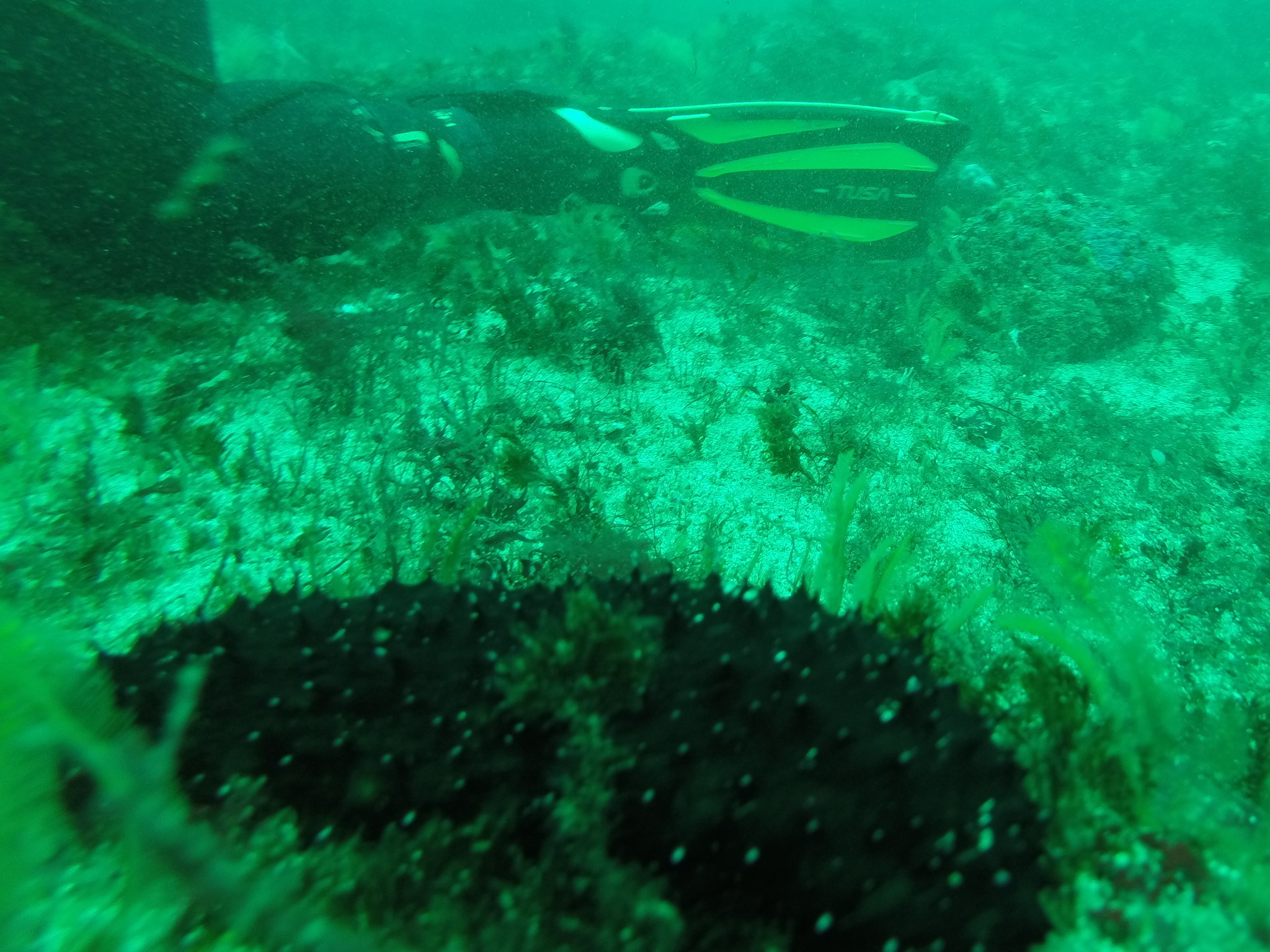
Holothuria forskali Chiaje, 1841
Echinaster sepositus (common starfish)
Diplodus vulgaris (Geoffroy Saint-Hilaire, 1817) (Common two-banded seabream)
A euryhaline species inhabiting rocky and sometimes sandy bottoms to depths of 160 m, but more commonly in less than 50 m. The young are sometimes found in seagrass beds. Adults feed on crustaceans, worms and mollusks . Important food fish.
Diplodus annularis (Linnaeus, 1758) (Annular seabream)
Inhabit chiefly Zostera seagrass beds but also found on Posidonia beds and sandy bottoms, rarely on rocky bottoms. Carnivorous, feed on worms, crustaceans, mollusks, echinoderms and hydrozoans. The sexes are separated, a...
Read More
Read More
Share on Social Networks
- Facebook:

personalize your shared text as well as its destination (wall, page...) or send as a private message to a friend
- Twitter: Tweet personalize your tweet
- Google Plus:
Direct link to this dive
- Long link:
- Short link:


 We are participating today in the startup contest Techcrunch Disrupt. Support Diveboard by voting for us!
























































































Primer contacto después de casi un año. No andábamos finos.
Problemas de reparto de peso.
Hemos perdido 10 min. por problemas con los lastres de un compañero.
Grutilla con un arco bajo el cual se puede pasar. Muy bonito!