


 Egypt
Egypt
-
Nº13
 Date: 2013-03-31 - 10:52
-
 Max Depth: 18.1m Duration: 47mins
Pictures

No pictures for this dive
- Temp: Surf 24°C Bottom 23°C
- Dive type : Recreational
- Visibility: Excellent Water: Salt
Specific gear used
- Weights: 14 kg
Recent Divers in Safaga Soma Bay
Recent Pictures in Safaga Soma Bay


Dive Shop & Buddies
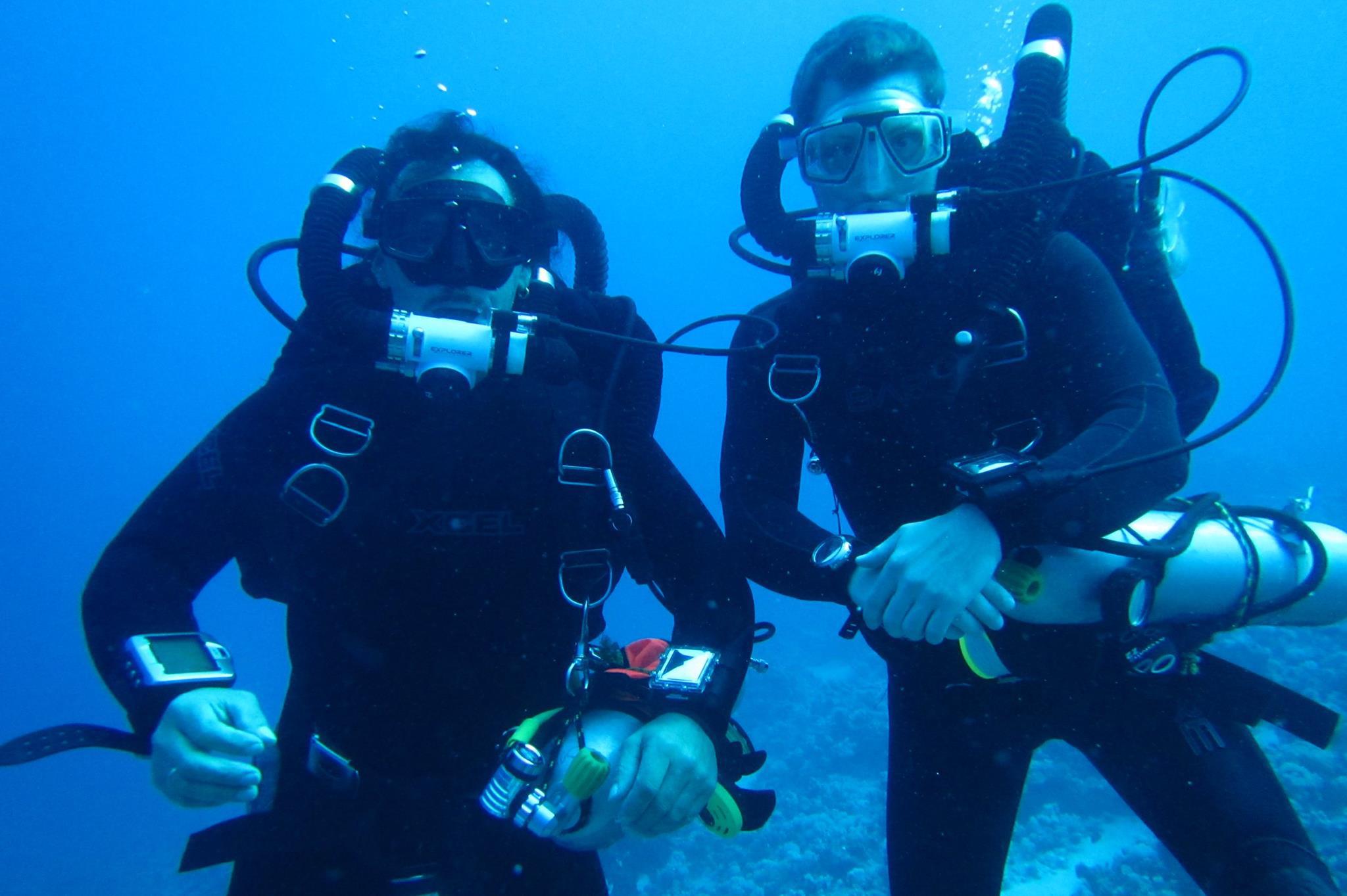
 Dive with Mahmoud from Orca Dive Club Soma Bay
 Dive buddies:
Mahmoud
Dive buddies:
Mahmoud

Link to this spot:
- Spot:
- Country:
- Area:
- Body of water:
Dive Profile
- 1. Nitrox 32
- 12L Aluminium 193 → 47 bar
- Average depth: 10.1m
Data provided by EOL.org





Species Identified
Plectroglyphidodon lacrymatus (Quoy and Gaimard, 1825) (whitespeckled demoiselle)
Inhabits clear lagoon and seaward reefs, in areas with mixed coral and rubble or dead coral rocks. Feeds mainly on benthic algae and associated small invertebrates and fish eggs.
Neopomacentrus xanthurus Allen and Randall, 1980 (Red Sea demoiselle)
Inhabits coral reefs.
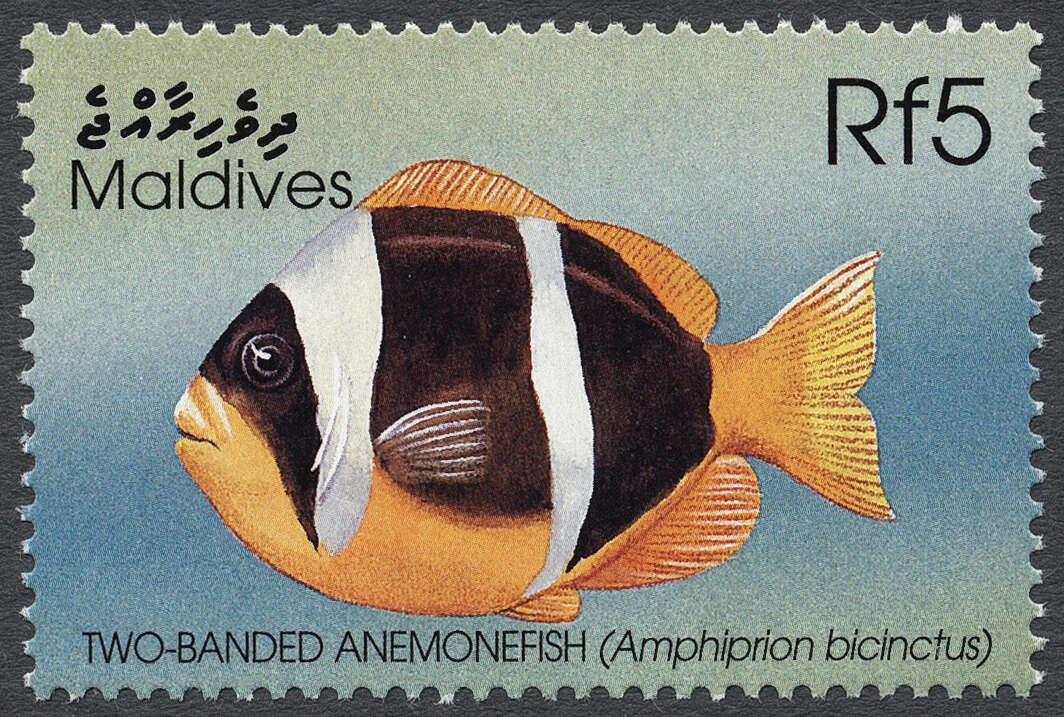
Amphiprion bicinctus Rüppell, 1830 (threebanded anemonefish)
Inhabits lagoons and outer reefs. Oviparous, with elliptical eggs . Monogamous . Has been reared in captivity . Associated with the anemones: Entacmaea quadricolor, Heteractis aurora, Heteractis crispa, Heteractis magnifica, and Stichodactyla gigantea .
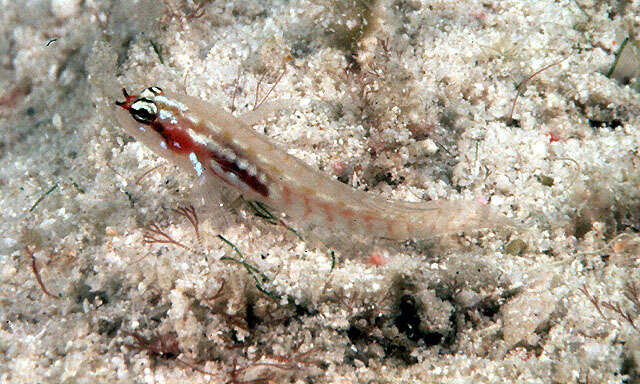
Eviota zebrina Lachner & Karnella, 1978 (Zebra goby)
Zebrasoma xanthurum (Blyth, 1852) (Yellowtail tang)
Often found in groups in coral-rich areas or on rocky bottoms . It small and numerous pharyngeal teeth suggest a diet that consists mainly of filamentous algae .
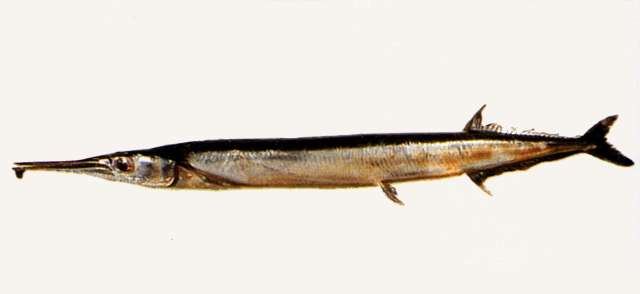
Tylosurus acus (Lacepède, 1803) (agujon)
Priacanthus hamrur (Forsskål, 1775) (Moontail bullseye)
Uncommon species found in outer reef slopes and deep lagoon pinnacles from 8 to at least 80 m. In small aggregations, sometimes schools in oceanic locations . Feeds on small fish, crustaceans, and other small invertebrates . Generally marketed fresh, may be salted or dried .
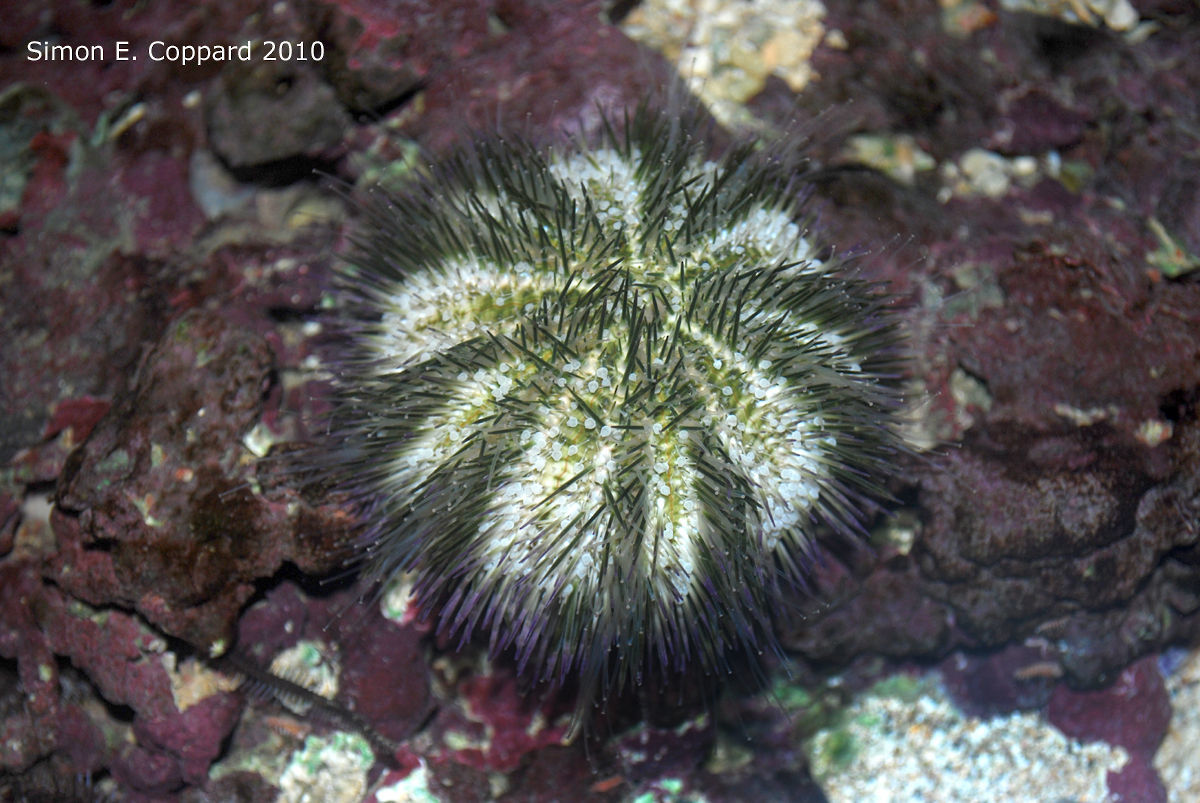
Lytechinus variegatus (Lamarck, 1816) (green sea urchin)
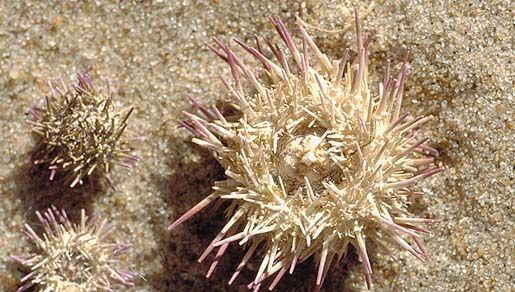
Echinus esculentus (edible sea urchin)
Psammechinus miliaris (Green sea-urchin)
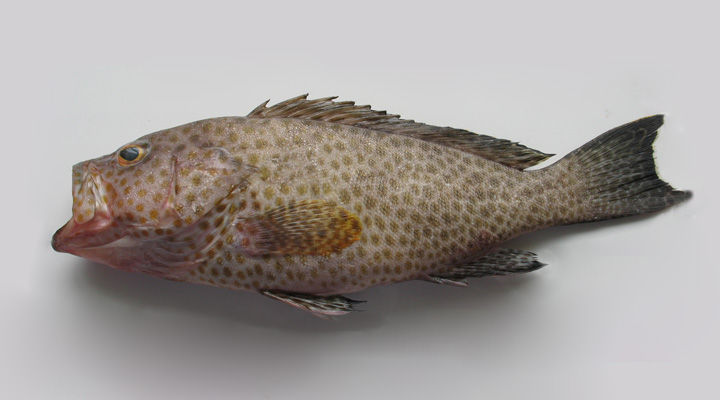
Epinephelus areolatus (Forsskål, 1775) (yellowspotted rockcod)
Usually found in seagrass beds or on fine sediment bottoms near rocky reefs, dead coral, or alcyonarians , in shallow continental shelf waters . Juveniles are common at water depths to 80 m . Probably spawn during restri...
Read More
Read More
Epinephelus flavocaeruleus (Lacepède, 1802) (Blue and yellow grouper)
Juveniles inhabit shallow reefs while adults are found on deeper reefs. Feeds on a variety of fishes, crabs, shrimps, spiny lobsters, squids, and small octopi.
Epinephelus aeneus (Geoffroy Saint-Hilaire, 1817) (Grouper)
Adults are found on rocky or mud-sand bottom; juveniles have been taken in coastal lagoons and estuaries. In the west African waters, diet comprise of fishes (58%), stomatopods (21%), crabs (10%), and cephalopods (10%). ...
Read More
Read More
Neoraja caerulea (Stehmann, 1976) (Blue ray)
Inhabits the deeper parts of the continental slope and on slopes of submarine banks . Feeds on all kinds of bottom animals . Oviparous . Eggs have horn-like projections on the shell .
Share on Social Networks
- Facebook:

personalize your shared text as well as its destination (wall, page...) or send as a private message to a friend
- Twitter: Tweet personalize your tweet
- Google Plus:
Direct link to this dive
- Long link:
- Short link:


 We are participating today in the startup contest Techcrunch Disrupt. Support Diveboard by voting for us!
























































































