


 Greece
-
Nº62
 Date: 2014-09-14 - 12:01
-
 Max Depth: 37.3m Duration: 60mins
Pictures

No pictures for this dive
- Surface interval:53 mins
- Temp: Surf 29°C Bottom 25°C
- Dive type : Recreational
- Visibility: Excellent Water: Salt
Specific gear used
- Wet suit: Waterproof Diving AB - W1
- Hood: Waterproof Diving AB - H1
- Gloves: Waterproof Diving AB - G1
- Boots: Waterproof Diving AB - B2
- BCD: Hollis - Elite 2
- Fins: Tusa - Z3 x-pert
- Regulator: Tabata / Tusa - R 400 / RS 460
- Regulator: Scubapro - MKII / R195 O2 (Nitrox)
- Cylinder: Faber - 18L
- Cylinder: Luxfer - 7L
- Compass: Suunto - SK 7
- Weights: 0.5 kg
Dive reviews
| Overall review | ||
| Dive difficulty | ||
| Marine life quality |
Recent Divers in Crete Island
Recent Pictures in Crete Island

Dive Shop & Buddies
 Dive buddies:
Johny Kalpo,
Oustamanolakis Ilias
Dive buddies:
Johny Kalpo,
Oustamanolakis Ilias

Link to this spot:
- Spot:
- Country:
- Area:
- Body of water:
Dive Profile
- 1. Nitrox 28
- 18L Steel 220 → 80 bar
- Average depth: 0m
- 2. Nitrox 75
- 7L Aluminium 100 → 70 bar
- Started at: 50 mins
- Average depth: 0m
Data provided by EOL.org
Species Identified
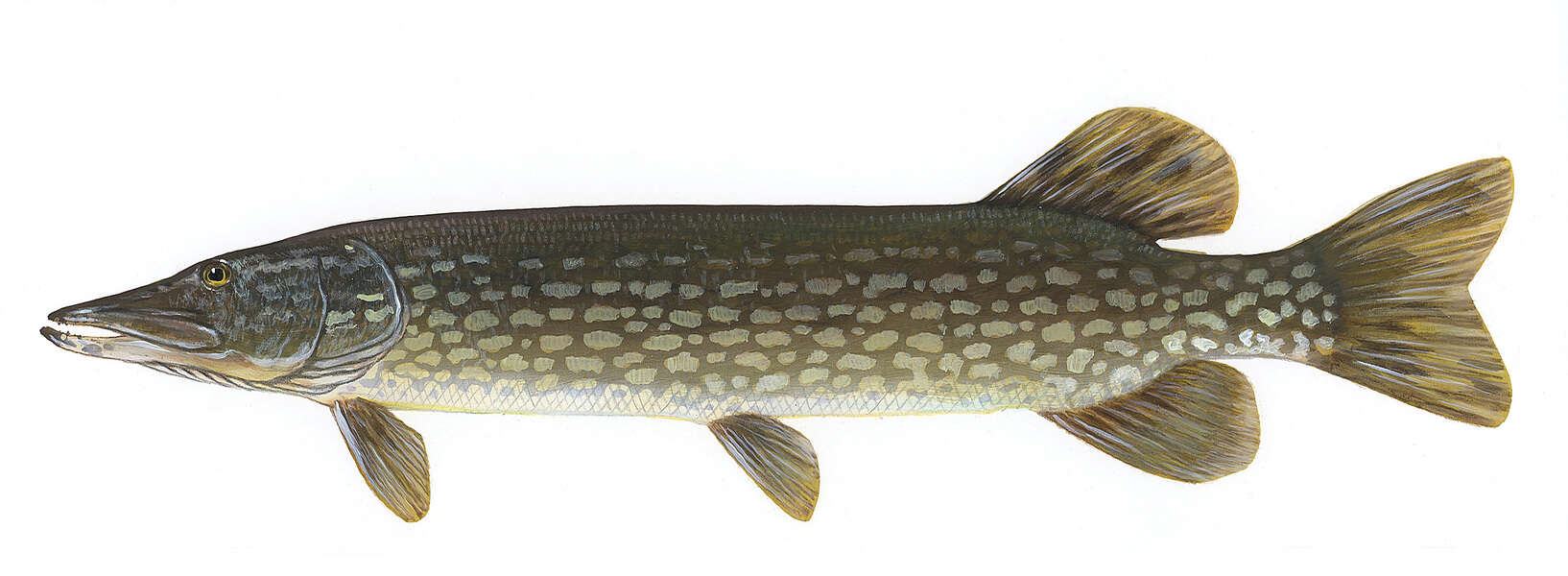
Esox lucius Linnaeus, 1758 (American pike)
Pike spawn from the end of March to the beginning of May, usually in quite shallow water and often using the same places year after year. The spawning process can last several weeks and the number of eggs varies with the a...
Read More
Read More
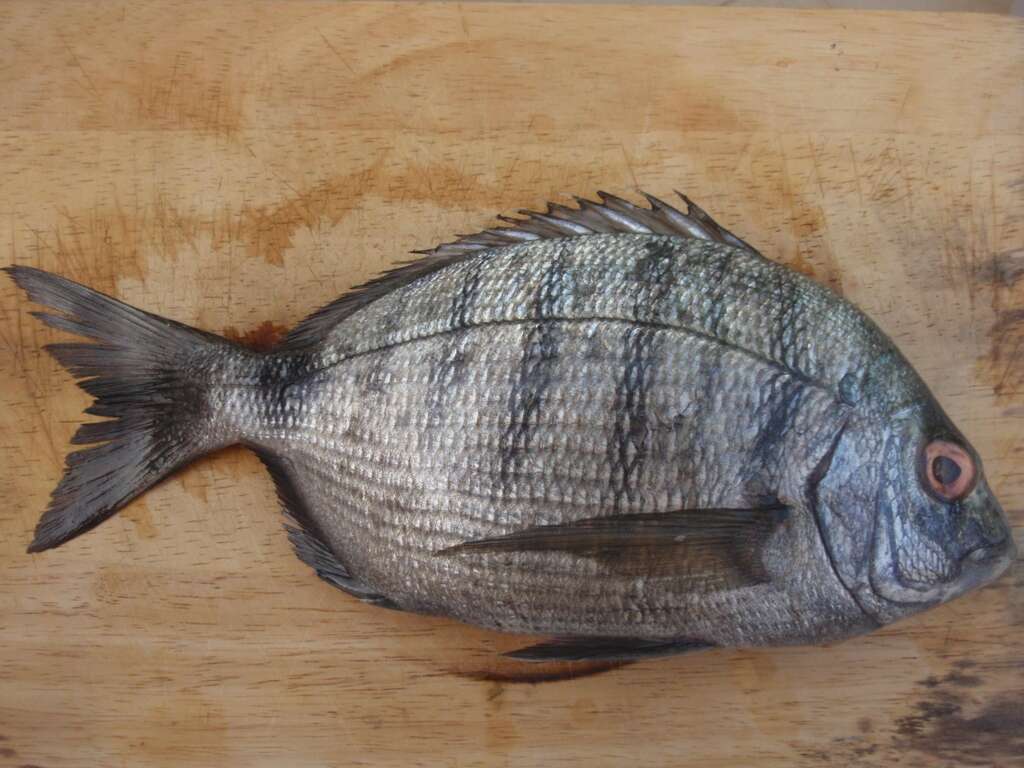
Oblada melanura (Linnaeus, 1758) (Saddled seabream)
Gregarious, forms aggregations over rocky bottoms or seagrass beds . Omnivorous but feeds mainly on small invertebrates . Important food fish.
Lithognathus mormyrus (Linnaeus, 1758) (Striped seabream)
Found on the shelf, over sandy and muddy bottoms as well as seagrass-beds and estuaries. Gregarious, sometimes forming sizeable schools. Feeds on worms, mollusks and small crustaceans. Protandric hermaphrodite . Flesh excellent ; sold fresh and dried.
Diplodus sargus (Linnaeus, 1758) (White seabream)
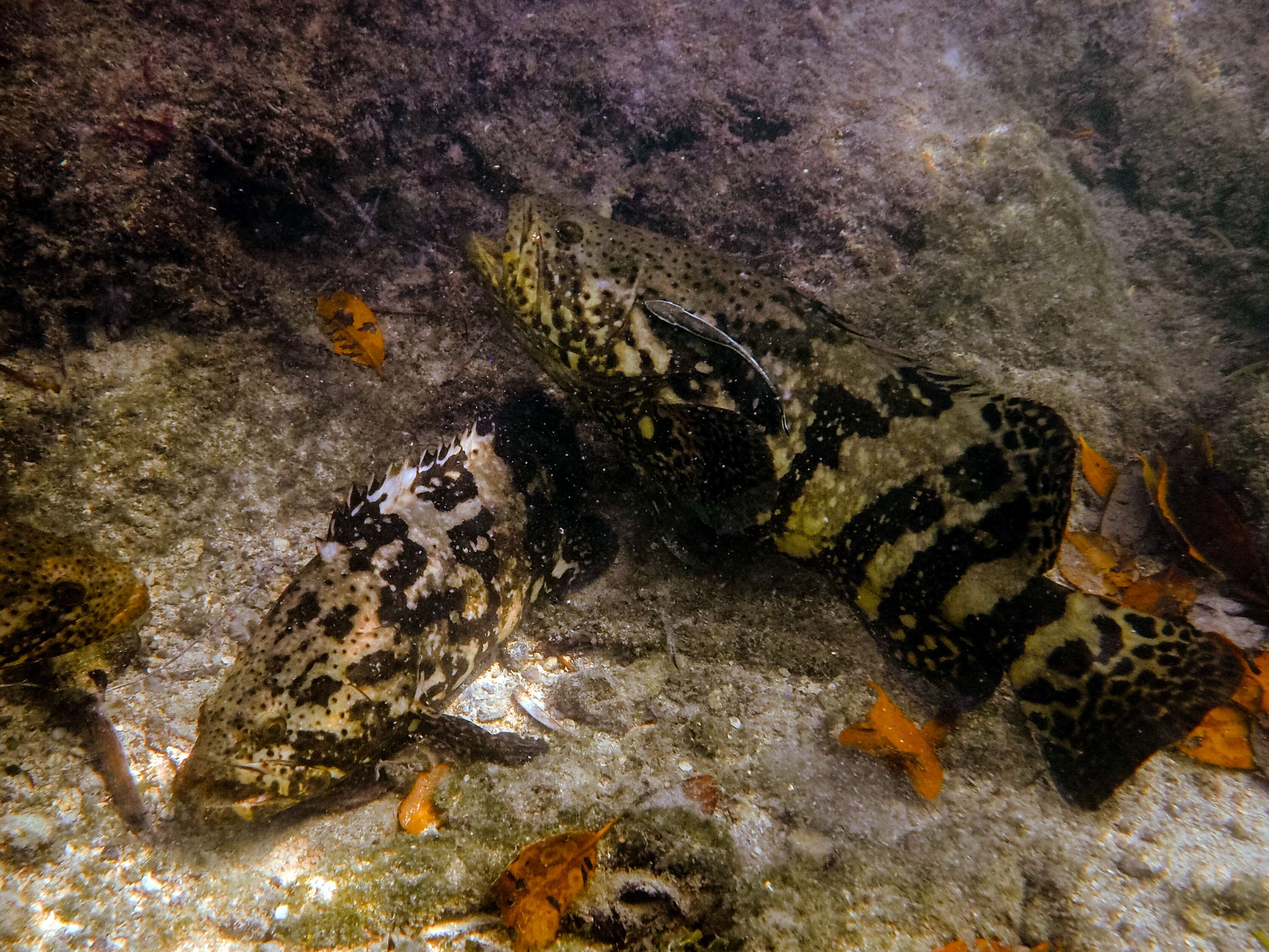
Epinephelus itajara (Lichtenstein, 1822) (Giant grouper)
The goliath grouper may be solitary or occur in groups of up to 50 or more individuals. Home range appears limited and the fish produces a booming sound when threatened by divers or large sharks. Variations of these voca...
Read More
Read More
Seriola dumerili (Risso, 1810) (Greater amberjack)
Share on Social Networks
- Facebook:

personalize your shared text as well as its destination (wall, page...) or send as a private message to a friend
- Twitter: Tweet personalize your tweet
- Google Plus:
Direct link to this dive
- Long link:
- Short link:


 We are participating today in the startup contest Techcrunch Disrupt. Support Diveboard by voting for us!
























































































Recreationa dive at anchor