



 Richard Lao



 Thailand

-
Nº20
 Date: 2014-05-10 - 08:15
-
 Max Depth: 30m Duration: 45mins
Pictures

No pictures for this dive
- Water: Salt
Recent Divers in Koh Tao
Recent Pictures in Koh Tao
Dive Shop & Buddies
 Dive with Johan Normén from Big Blue Diving Center
 Dive buddies:
Emma-Maria Rosengren,
Johan Normén,
落 散

Link to this spot:
- Spot:
- Country:
- Area:
- Body of water:
Dive Profile
Data provided by EOL.org




Species Identified
Cephalopholis argus Bloch and Schneider, 1801 (Grouper)
A generally common species found in a variety of coral habitats from tide pools to depths of at least 40 m; prefers the 1 to 10 m reef zone. Juvenile prefers shallow, protected coral thickets . Benthic and benthopelagi...
Read More
Read More
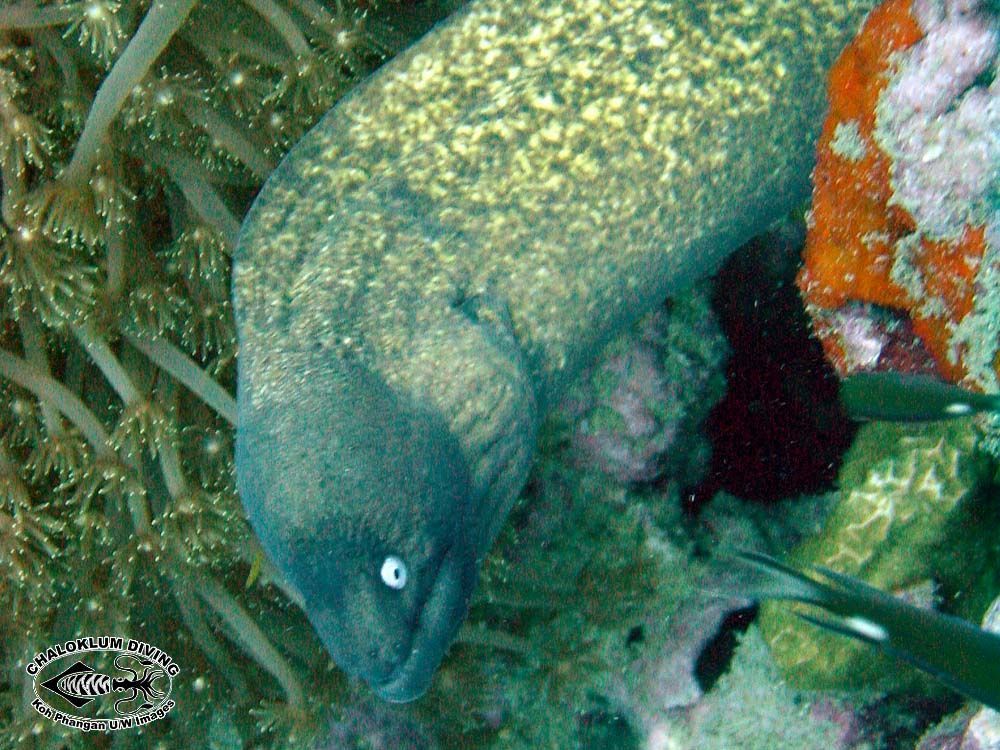
Gymnothorax thyrsoideus (Richardson, 1845) (slender moray)
Fairly common inhabitant of reef flats where it is usually encountered in shallow tidal pools. Often in shipwrecks; usually in pairs or small aggregations, and shares habitat with other morays .
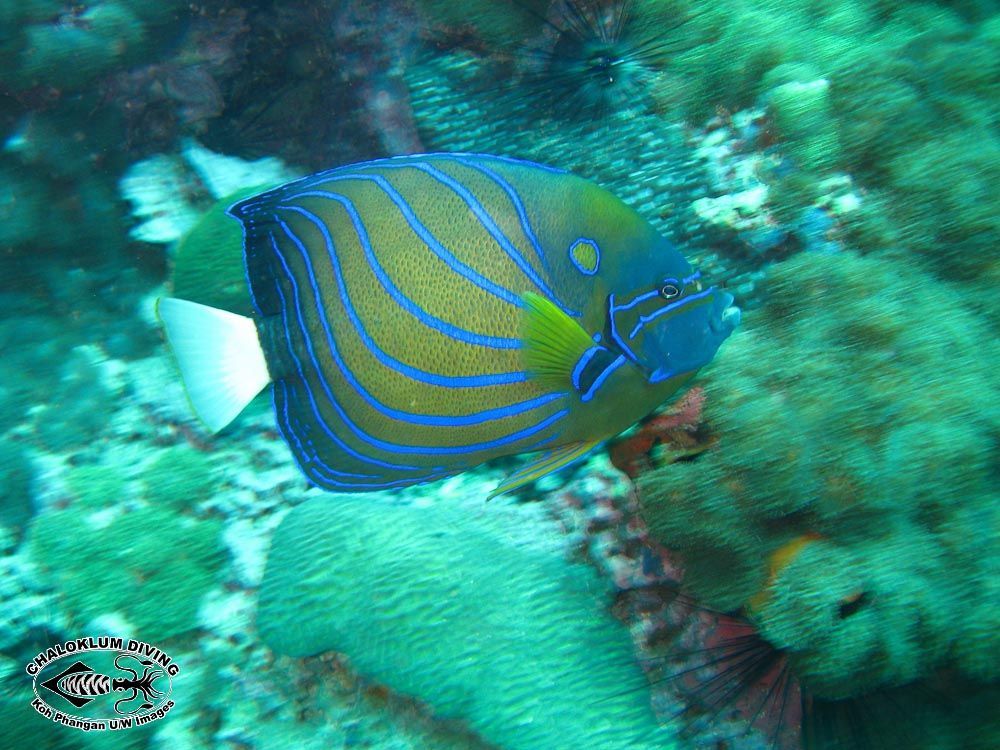
Pomacanthus annularis (Bloch, 1787) (Bluering angelfish)
Inhabits coastal reefs to at least 30 m . Adults often found in pairs inside caves . Juveniles settle in very shallow inshore habitats with short filamentous algae growth on rock or dead coral substrates . Feeds on spon...
Read More
Read More
Acanthocybium solandri (Cuvier, 1832) (Barracuda)
Anampses lineatus Randall, 1972 (Lined wrasse)
Inhabits lagoon and seaward reefs, usually deeper than 20 m to at least 42 m . Juveniles are solitary and adults form small groups, each with several females and a dominant male . Minimum depth reported from Ref. 27115.
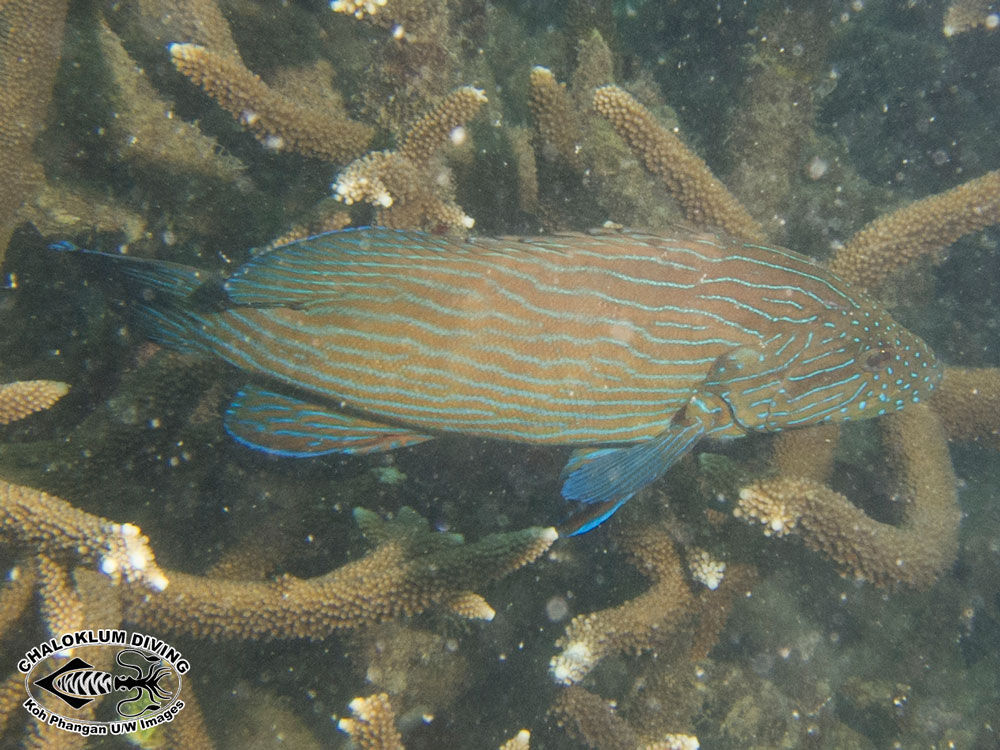
Cephalopholis formosa (Shaw, 1812) (Bluelined rockcod)
Like C. boenak, it prefers shallow dead or silty reefs and this may account for the primarily continental distributions of these two species.
Cephalopholis leopardus (Lacepède, 1801) (red-spotted rock cod)
Occurs in coral-rich areas of lagoon pinnacles, channels, and outer reef slopes. Solitary , a secretive species, usually hiding in caves and crevices in the reefs. One of the smallest species of groupers known. Gut analysis revealed crustacean remains.
Share on Social Networks
- Facebook:

personalize your shared text as well as its destination (wall, page...) or send as a private message to a friend
- Twitter: Tweet personalize your tweet
- Google Plus:
Direct link to this dive
- Long link:
- Short link:


 We are participating today in the startup contest Techcrunch Disrupt. Support Diveboard by voting for us!
























































































