


 Malaysia

-
Nº29
 Date: 2016-09-28 - 14:10
-
 Max Depth: 26.2m Duration: 44mins
Pictures

No pictures for this dive
- Surface interval:0 mins
- Dive type : Reef
- Visibility: Excellent Water: Salt
Specific gear used
- Weights: 6 kg
Dive reviews
| Overall review | ||
| Dive difficulty | ||
| Marine life quality | ||
| Big fish |
Recent Divers in Palau Sipadan Marine Reserve
Recent Pictures in Palau Sipadan Marine Reserve
Dive Shop & Buddies
 Dive with Sipadan Scuba

Link to this spot:
- Spot:
- Country:
- Area:
- Body of water:
Dive Profile
- 1. Air
- 12L Steel 200 → 50 bar
- Average depth: 17.5m
Data provided by EOL.org



Species Identified
Gymnothorax flavimarginatus (Rüppell, 1830) (Yellow-edged moray)
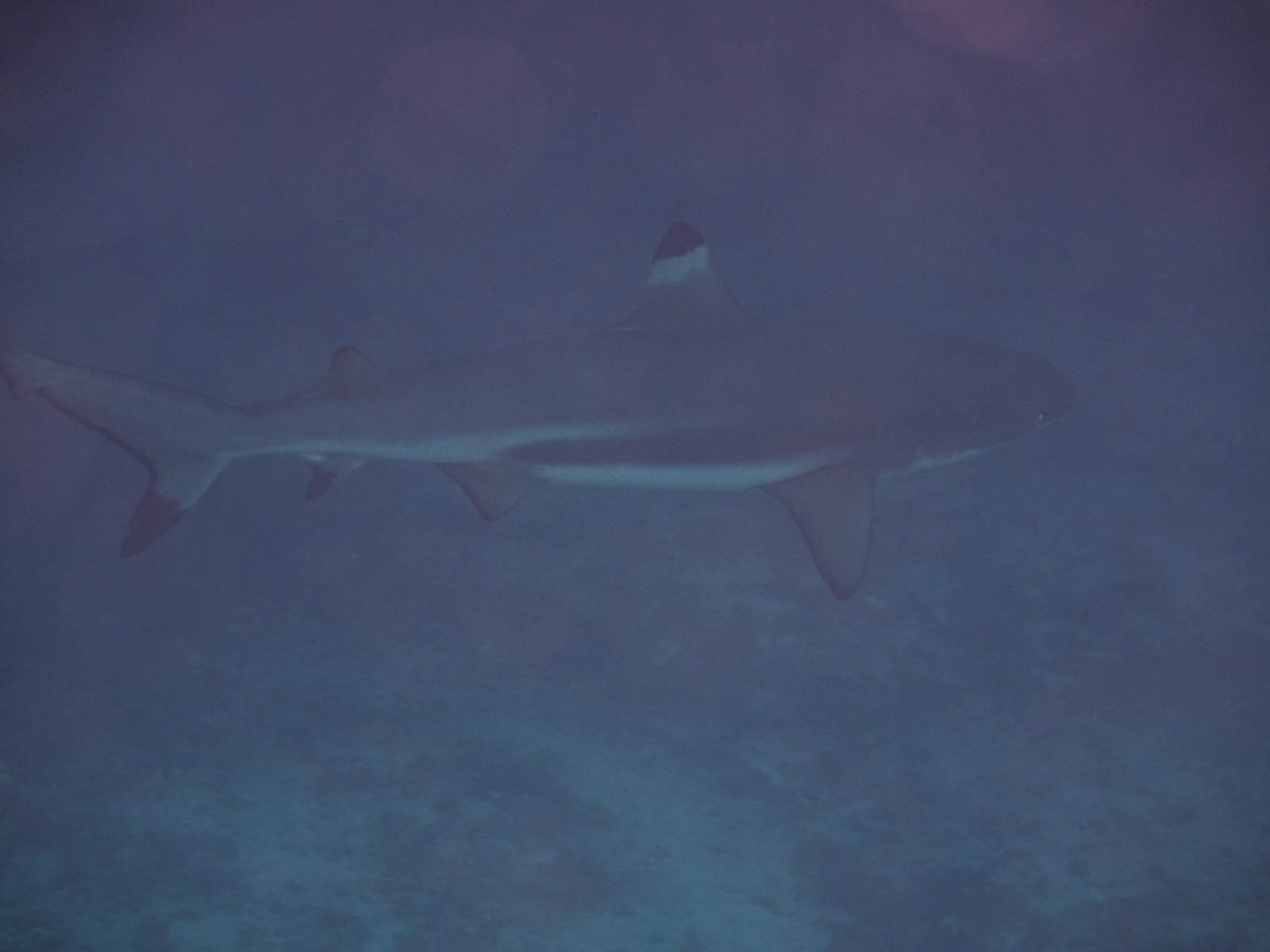
Carcharhinus melanopterus (Quoy and Gaimard, 1824) (blacktip reef shark)
This powerful swimmer is well known for its tendency to enter incredibly shallow water, and is often found in water only 30 centimetres deep or less, with its distinctive dorsal fin protruding from the surface of the water...
Read More
Read More
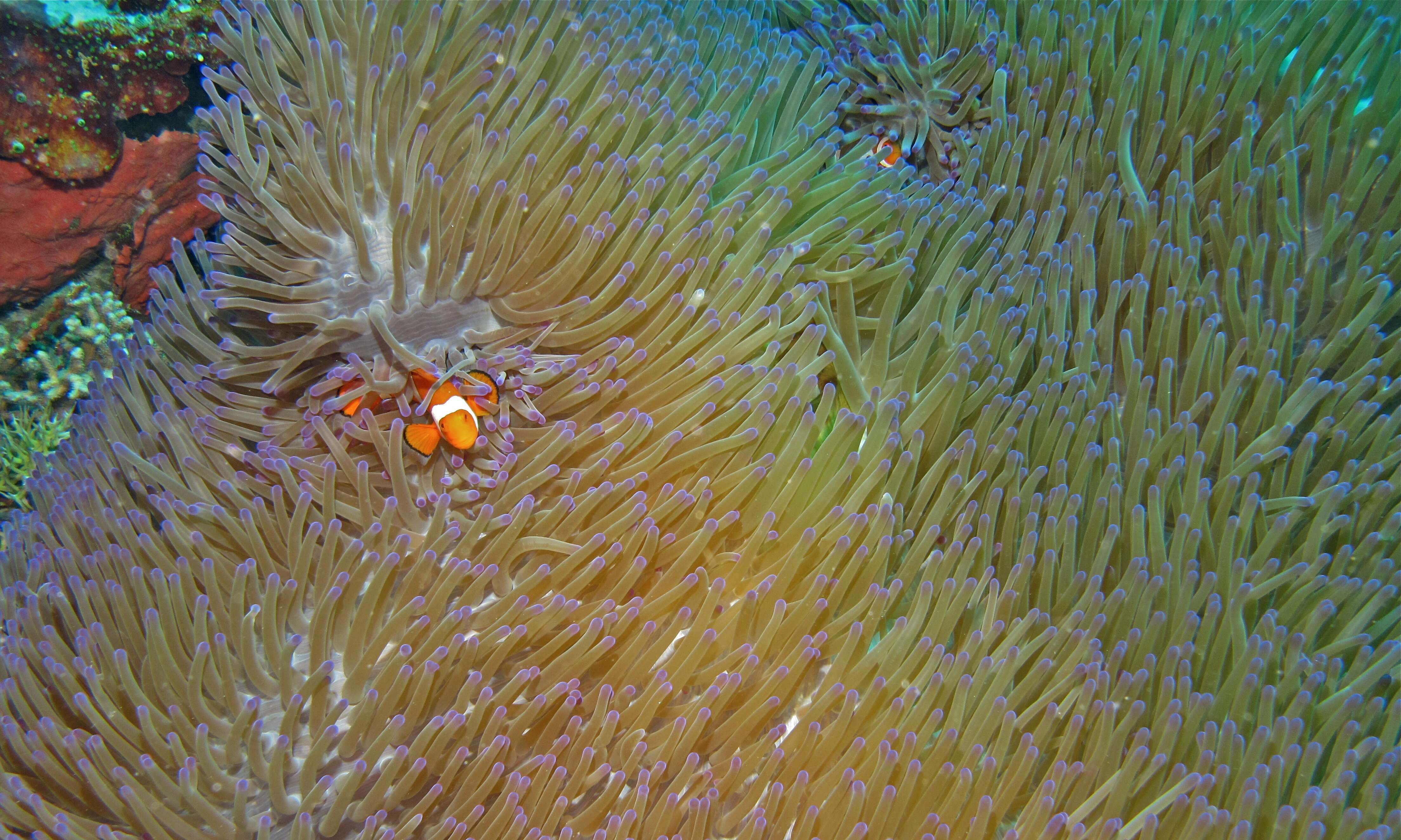
Amphiprion ocellaris Cuvier, 1830 (false clown anemonefish)
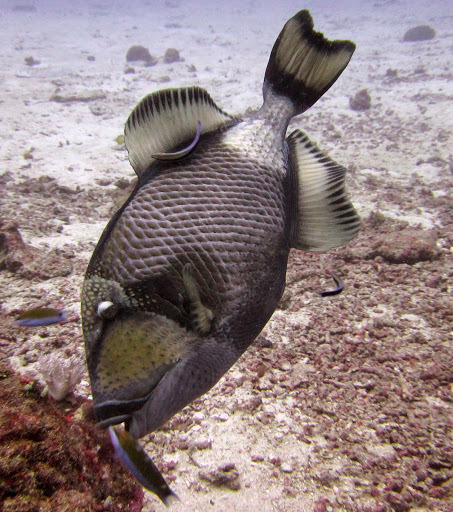
Balistoides viridescens (Bloch and Schneider, 1801) (Titan triggerfish)
Occur in lagoon, seaward reefs and sheltered inner reef slopes . Juveniles often associated with isolated patches of branching coral or rubble of shallow sandy protected areas. Adults occur singly or in pairs on the slo...
Read More
Read More
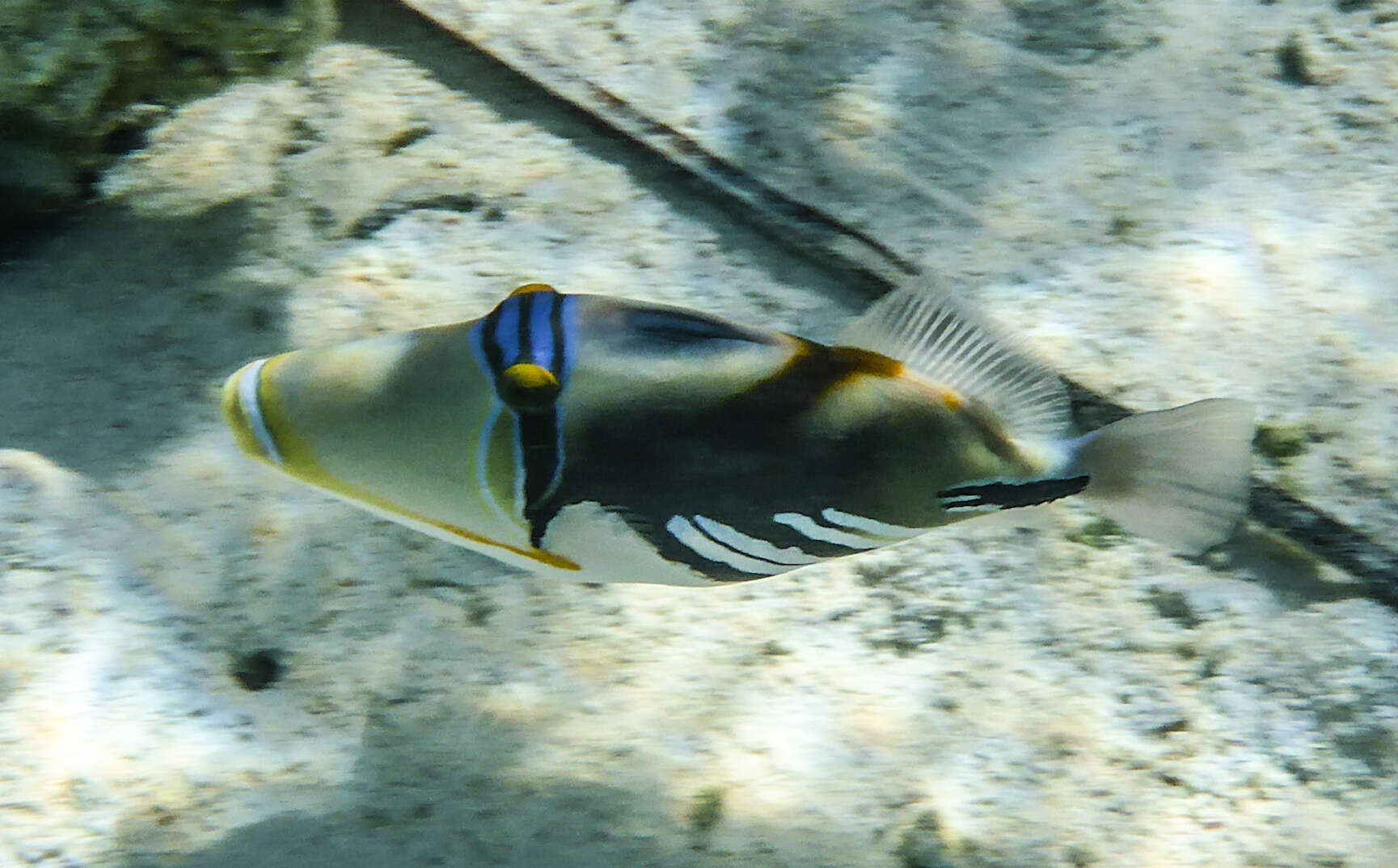
Rhinecanthus aculeatus (Linnaeus, 1758) (Blackbar triggerfish)
Commonly found in subtidal reef flats and shallow protected lagoons, Ref. 48637. Benthopelagic . Juveniles secretive with rubble patches, adults swim about openly but are usually shy . Territorial. Feed on algae, detri...
Read More
Read More
Balistoides conspicillum (Bloch and Schneider, 1801) (Clown triggerfish)
Platygyra sinensis (Milne Edwards & Haime, 1849) (Brain coral)
zooxanthellate
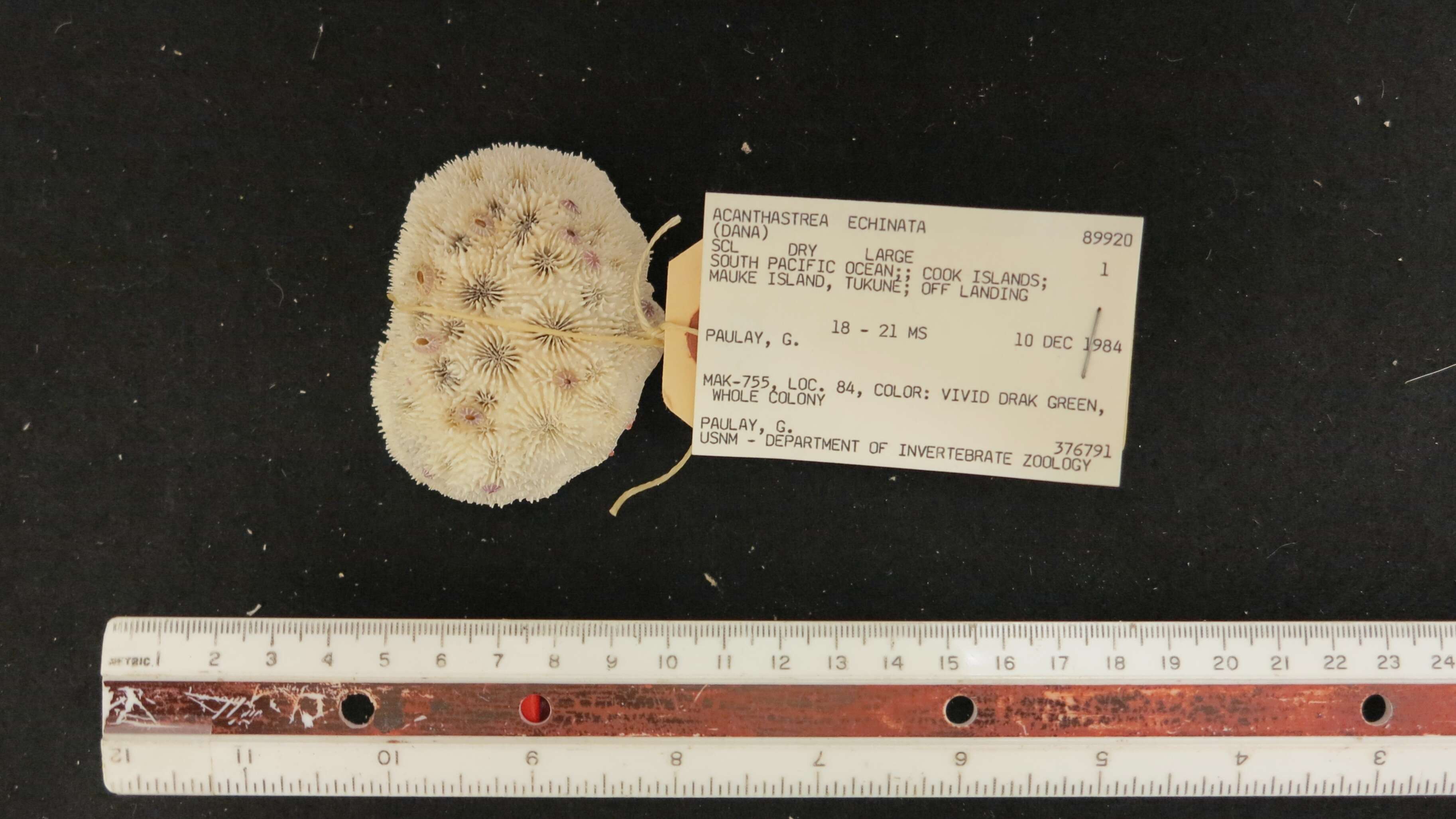
Acanthastrea echinata (Dana, 1846) (Starry cup coral)
zooxanthellate
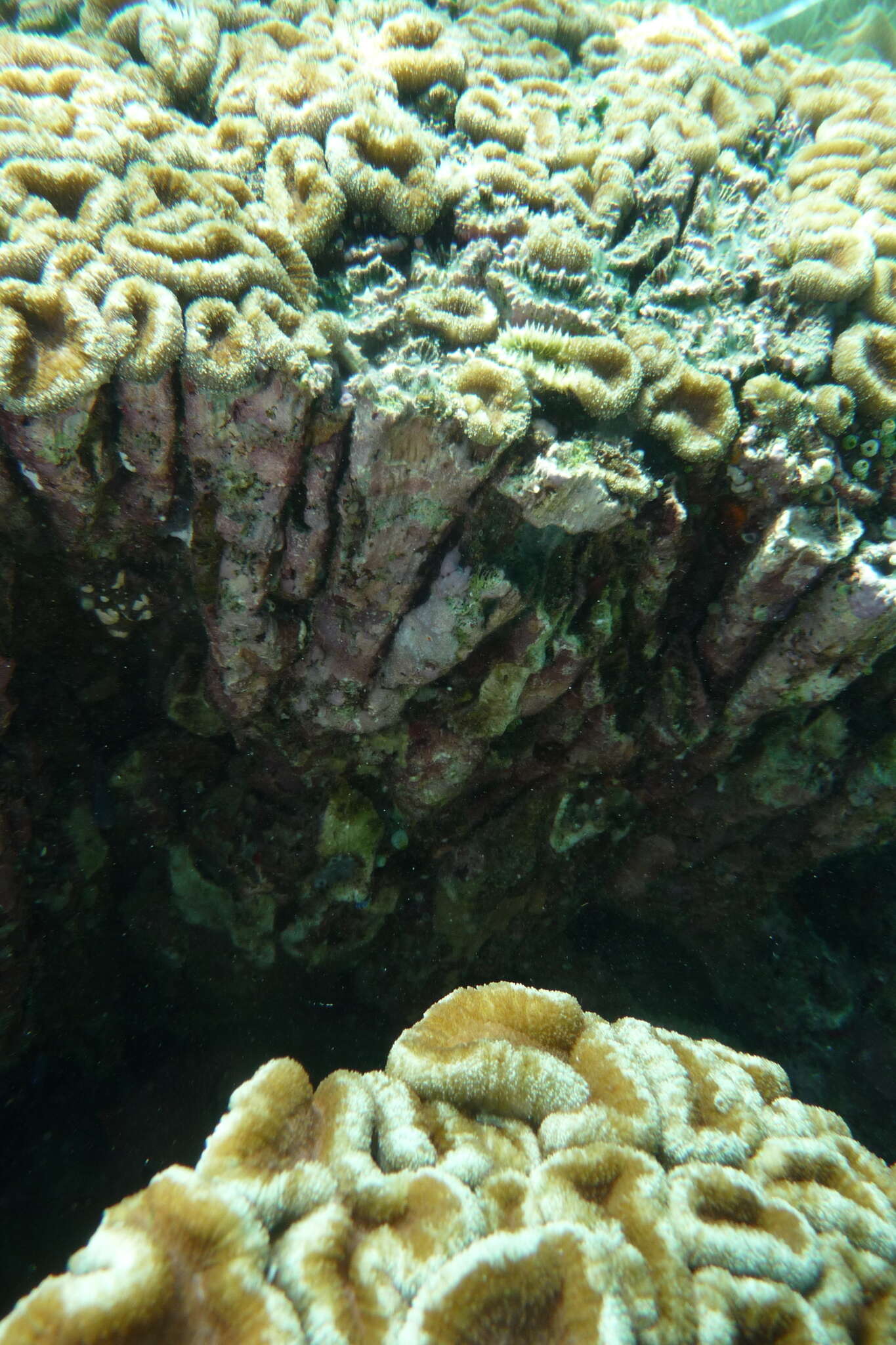
Lobophyllia hemprichii (Ehrenberg, 1834) (Lobed cactus coral)
zooxanthellate
Cynarina lacrymalis (Milne Edwards & Haime, 1848) (Solitary cup coral)
zooxanthellate
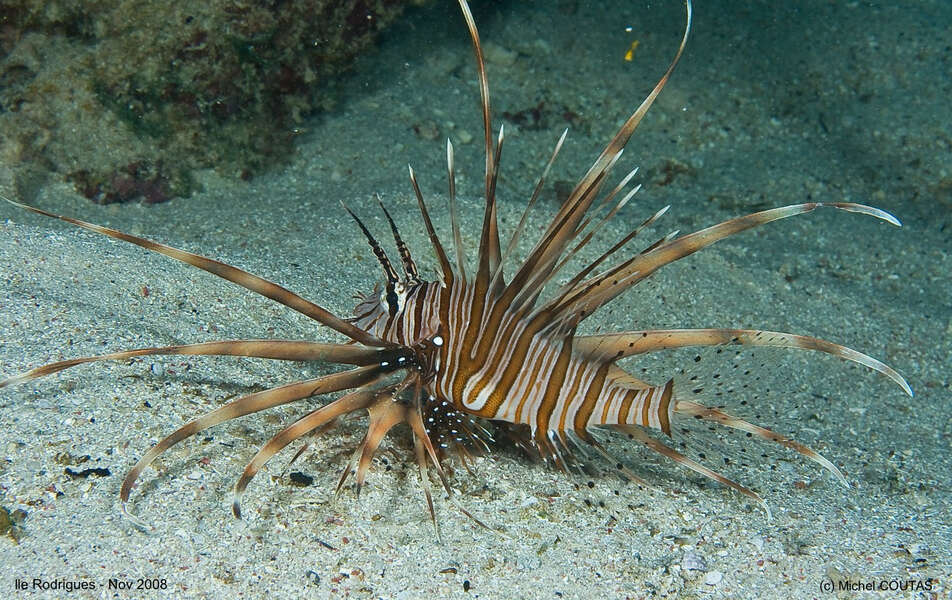
Pterois volitans (Linnaeus, 1758) (Red lionfish)
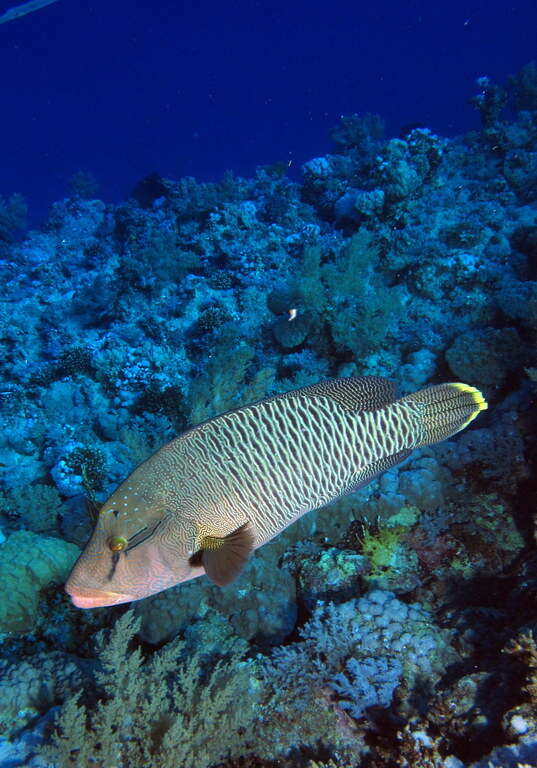
Cheilinus undulatus Rüppell, 1835 (Humphead wrasse)
Humphead wrasses are extremely long-lived, known to survive for at least 30 years, and taking around five to seven years to reach sexual maturity . Adults are usually solitary, spending the day roaming the reef and returni...
Read More
Read More
Eretmochelys imbricata (LINNAEUS) 1766 (Hawksbill Turtle)
Hawksbills may take decades to mature and it could be between 20 to 40 years before they are ready to breed . Upon reaching sexual maturity, a female will typically lay up to five clutches of around 100 to 140 eggs in one ...
Read More
Read More
Chelonia mydas Linnaeus 1758 (Green Turtle)
Green turtles are long-lived and may take up to 59 years to reach sexual maturity Undertaking tremendous feats of navigation, adults return to the same beach to breed each season, part of the population in Brazil astonish...
Read More
Read More
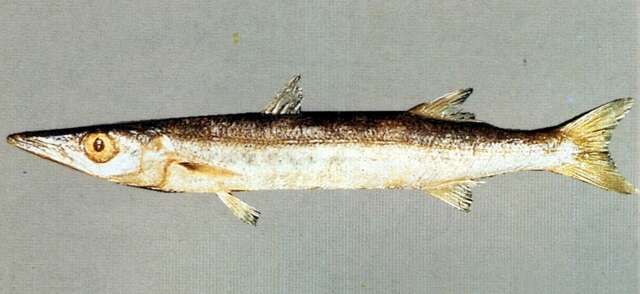
Sphyraena forsteri Cuvier, 1829 (Bigeye barracuda)
Nocturnally active, but occurring in large schools above lagoon patch reefs and along outer reef slopes during the day . Feeds mainly on fishes, but also on penaeid shrimps and squids. Sold fresh, frozen or dried salted. Reports of ciguatera poisoning need confirmation.
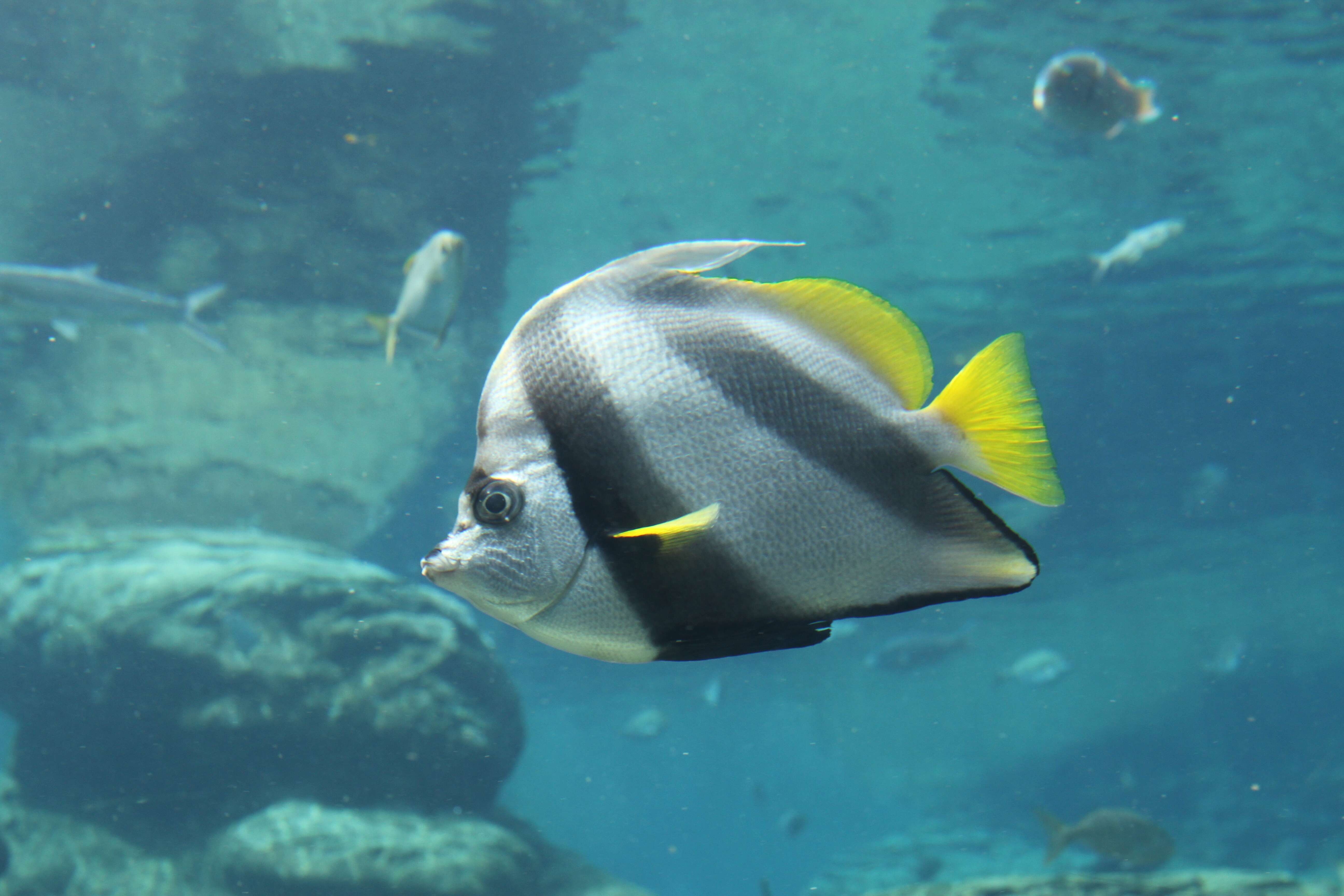
Heniochus diphreutes Jordan, 1903 (False moorish idol)
Occur primarily along outer reef slopes, in current channels. Juveniles in aggregations around isolated patch reefs, adults in large schools well above the bottom . In Indonesia, adults most common in depth 40-50 m, repo...
Read More
Read More
Carcharhinus sorrah (Müller and Henle, 1839) (Black-tip shark)
Found on the continental and insular shelves, primarily near reefs . Sometimes in offshore waters . Live near the seabed during the day and near the surface at night . Shark movements often short but may be more than 1...
Read More
Read More
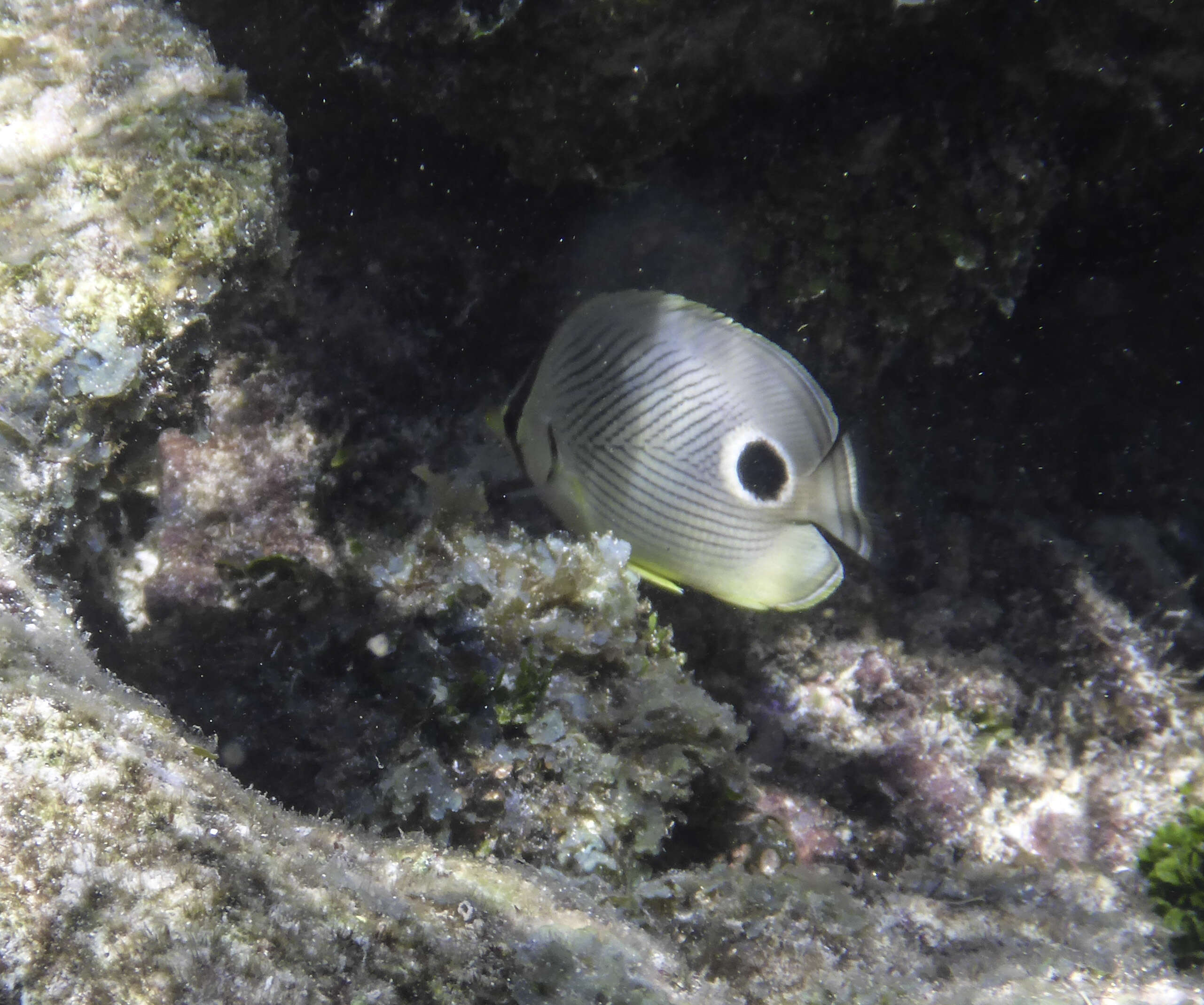
Chaetodon capistratus Linnaeus, 1758 (Butterbun)
Inhabit shallow reefs and generally occurs singly or in pairs. Feed mainly on zoantharians, polychaete worms, gorgonians and tunicates. Easily approached . Oviparous . Form pairs during breeding .
Chaetodon ocellatus Bloch, 1787 (Butterbun)
Inhabit shallow, coral reefs with clear water . Develop dusky bands at night. Generally common . Oviparous . Form pairs during breeding .
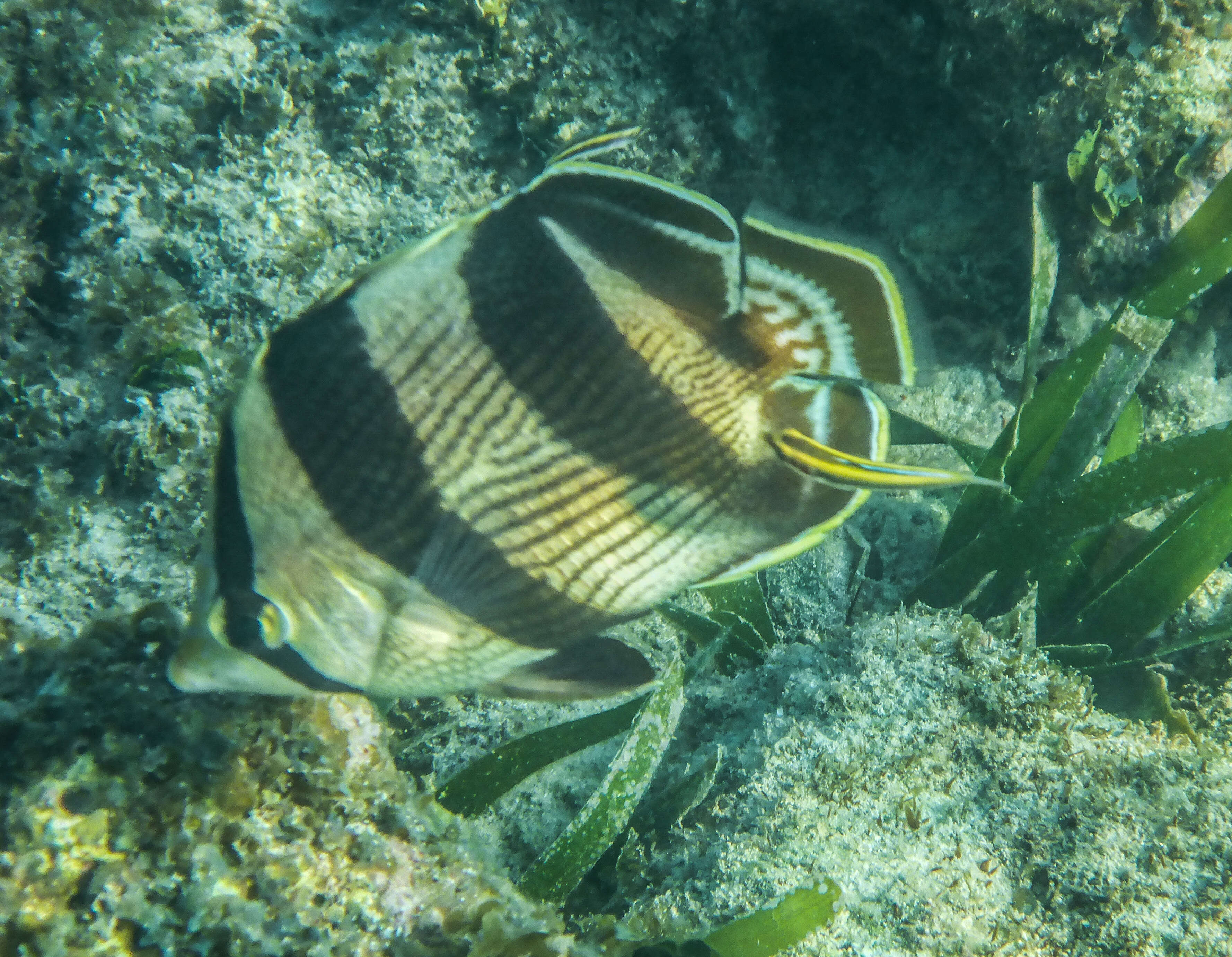
Chaetodon striatus Linnaeus, 1758 (Butterbun)
Inhabit coral reefs. Occur singly or in pairs. Feed on polychaete worms, coral polyps, crustaceans and mollusk eggs. Oviparous , monogamous . Form pairs during breeding . Adults may form plankton-feeding aggregations ...
Read More
Read More
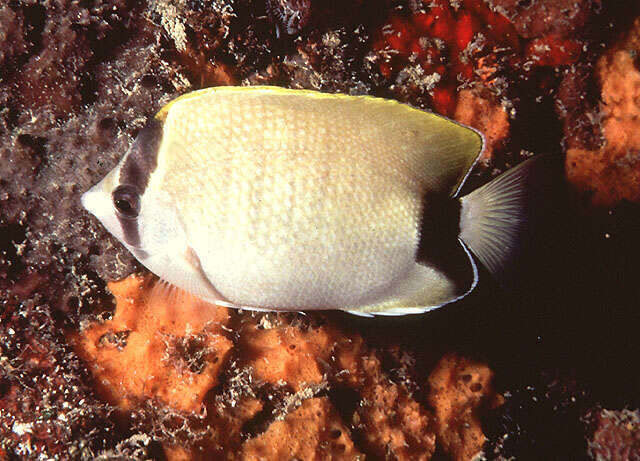
Chaetodon sedentarius Poey, 1860 (Butterbun)
Inhabit coral reefs. Prefer to feed on eggs of Abudefduf saxatilis but also on polychaete worms, shrimps, amphipods and hydroids. Oviparous . Form pairs during breeding .
Share on Social Networks
- Facebook:

personalize your shared text as well as its destination (wall, page...) or send as a private message to a friend
- Twitter: Tweet personalize your tweet
- Google Plus:
Direct link to this dive
- Long link:
- Short link:


 We are participating today in the startup contest Techcrunch Disrupt. Support Diveboard by voting for us!
























































































