


 Sebastien Delvaux


 Egypt

-
Nº20
 Date: 2012-12-30 - 10:30
-
 Max Depth: 14m Duration: 55mins
Pictures

No pictures for this dive
- Temp: Surf 28°C Bottom 23°C
- Dive type : Recreational
- Visibility: Good Water: Salt
Specific gear used
- Weights: 10 kg
Recent Divers in Hurghada


Recent Pictures in Hurghada




Dive Shop & Buddies
 Dive with Essam Mousbah from Euro Divers Club Med El Gouna

Link to this spot:
- Spot:
- Country:
- Area:
- Body of water:
Dive Profile
- 1. Air
- 12L Aluminium 220 → 60 bar
- Average depth: 9.3m
Data provided by EOL.org



Species Identified
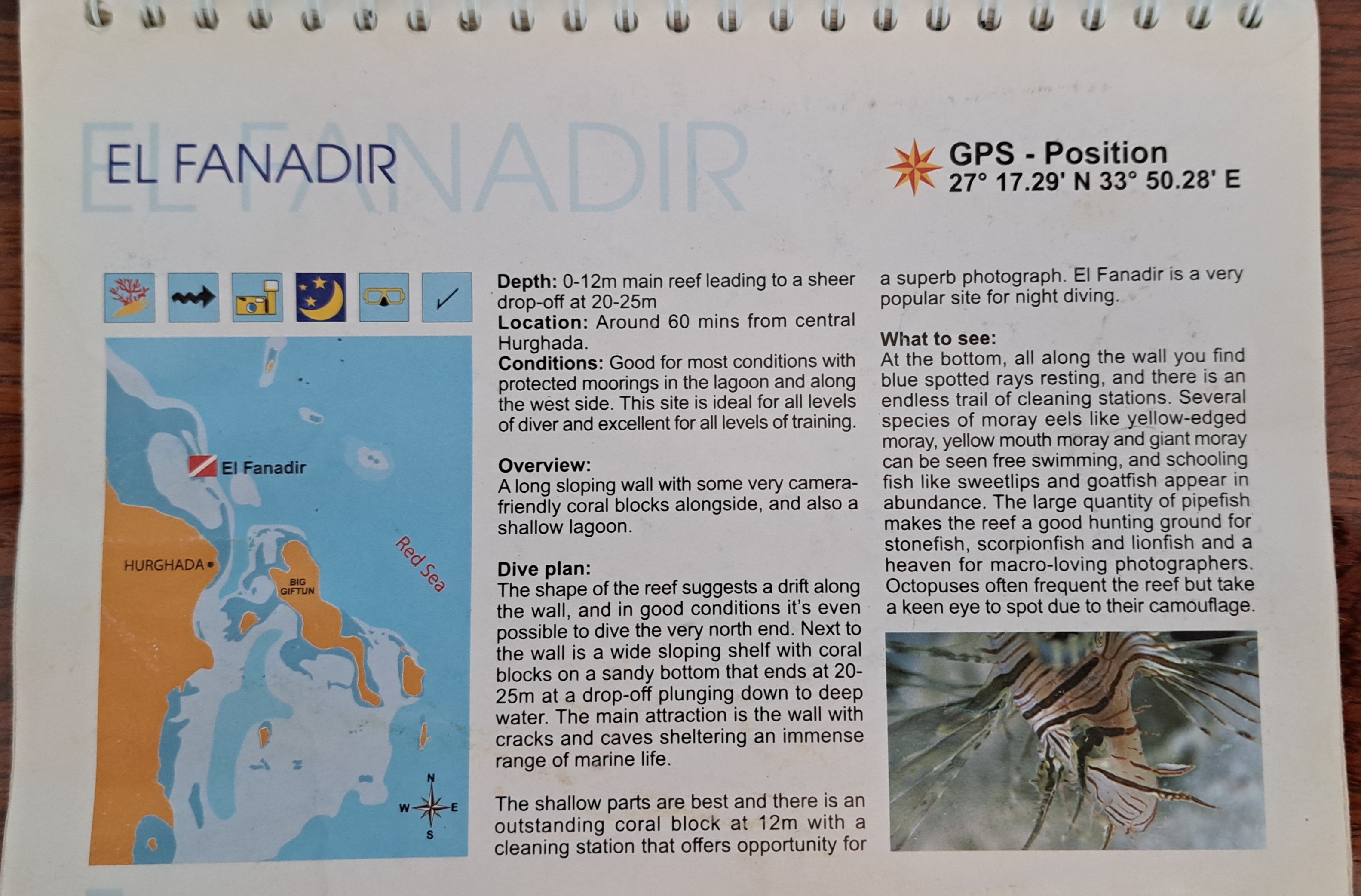
Neotrygon kuhlii (Müller & Henle, 1841) (Bluespotted stingray)
A solitary species found on sandy bottoms near rocky or coral reefs . Usually found in deeper water but moves onto the reef flat and into shallow lagoons at high tide . Occasionally covers itself with sand, leaving only ...
Read More
Read More
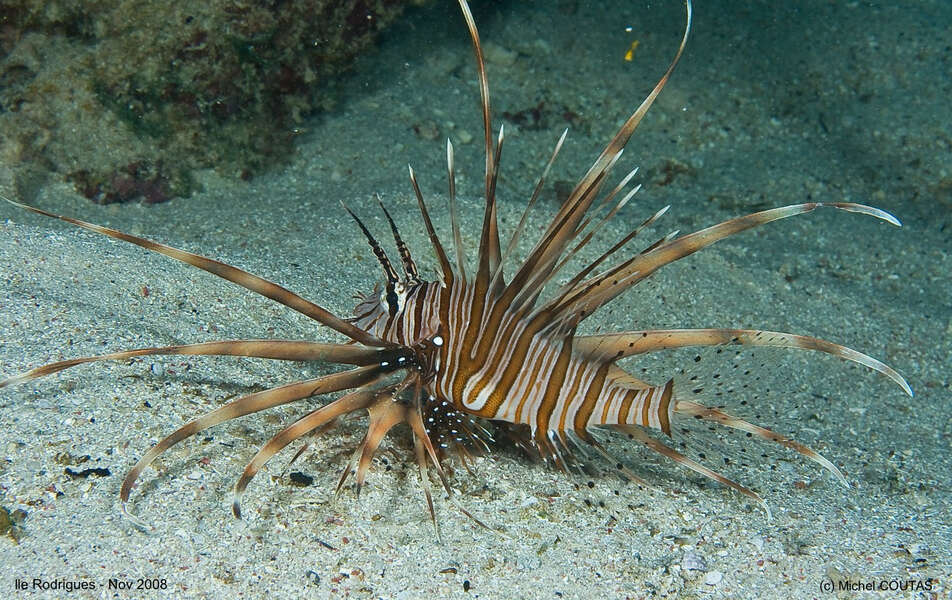
Pterois volitans (Linnaeus, 1758) (Red lionfish)
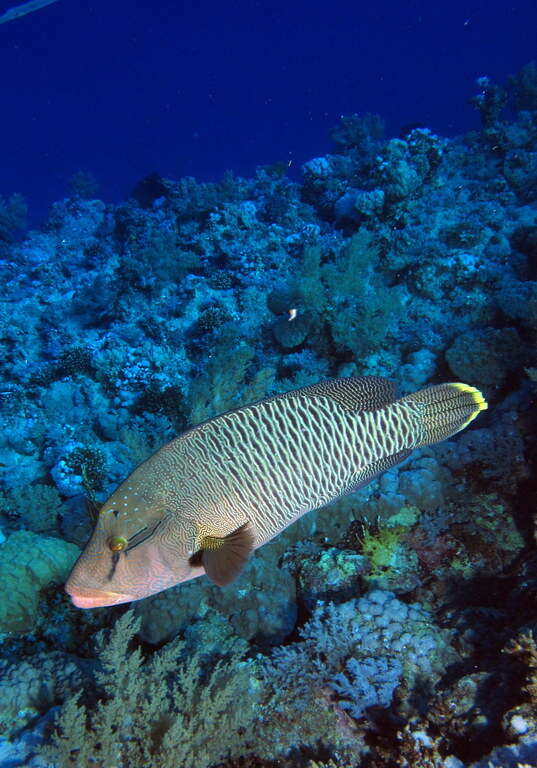
Cheilinus undulatus Rüppell, 1835 (Humphead wrasse)
Humphead wrasses are extremely long-lived, known to survive for at least 30 years, and taking around five to seven years to reach sexual maturity . Adults are usually solitary, spending the day roaming the reef and returni...
Read More
Read More
Thalassoma purpureum (Forsskål, 1775) (Surge wrasse)
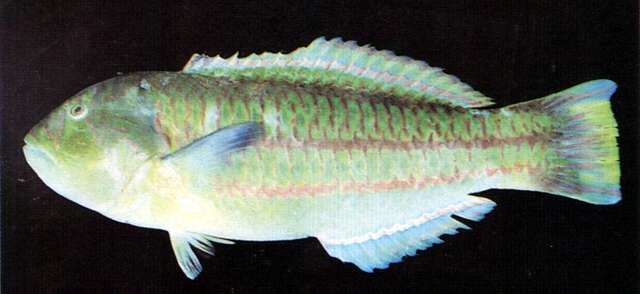
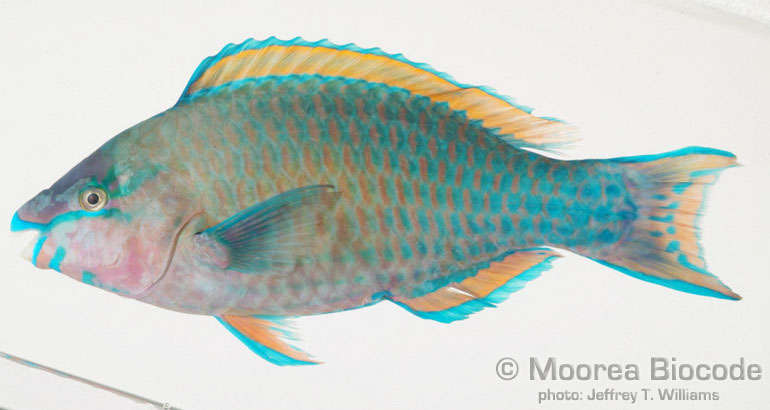
Scarus psittacus Forsskål, 1775 (Common parrotfish)
Inhabit reef flats and lagoon and seaward reefs to at least 25 m depth . Found over corals . Benthopelagic . Initial-phase fish stage usually form small feeding schools . Graze on benthic algae . Secrete a mucus cocoon .
Diplodus noct (Valenciennes, 1830) (Red Sea seabream)
Found above sandy bottoms, around coral reefs and in shallow coastal waters. Young may form aggregations. Feeds on algae and small invertebrates. Sold fresh and whole in markets.
Lutjanus sebae (Cuvier, 1816) (Emperor red snapper)
Occur in the vicinity of coral or rocky reefs , often over adjacent sand flats and gravel patches . Also trawled in deeper water on relatively flat bottoms. Juveniles are frequently commensal with sea urchins . Juvenile...
Read More
Read More
Share on Social Networks
- Facebook:

personalize your shared text as well as its destination (wall, page...) or send as a private message to a friend
- Twitter: Tweet personalize your tweet
- Google Plus:
Direct link to this dive
- Long link:
- Short link:


 We are participating today in the startup contest Techcrunch Disrupt. Support Diveboard by voting for us!






















































































Good Dive!
We saw lots of fauna (see Species tab) and the amazing reef of Dolphin House. Of course, everything in the Red Sea is Beautiful..