


 Sebastian U


 United States

-
Nº128
 Date: 2012-09-15 - 12:17
-
 Max Depth: 5.2m Duration: 34mins
Pictures

No pictures for this dive
- Temp: Surf 29°C Bottom 28°C
- Dive type : Recreational, Reef, Photo
- Visibility: Bad Water: Salt
Specific gear used
- BCD: Aqualung - Balanced
- Compass: Suunto - SK7
- Computer: Suunto - Zoop
- Fins: AquaLung - SlingShot
- Mask: Mares - liquid Skin
- Regulator: Aqualung - Legend XL
- Weights: 4.1 kg
Recent Divers in Dania Beach, Florida
Dive Shop & Buddies
 Dive with Self
 Dive buddies:
Karian,
Karina Hazan Kaboudi

Link to this spot:
- Spot:
- Country:
- Area:
- Body of water:
Dive Profile
- 1. Air
- 10L Aluminium 207 → 138 bar
- Average depth: 4m
Data provided by EOL.org



Species Identified
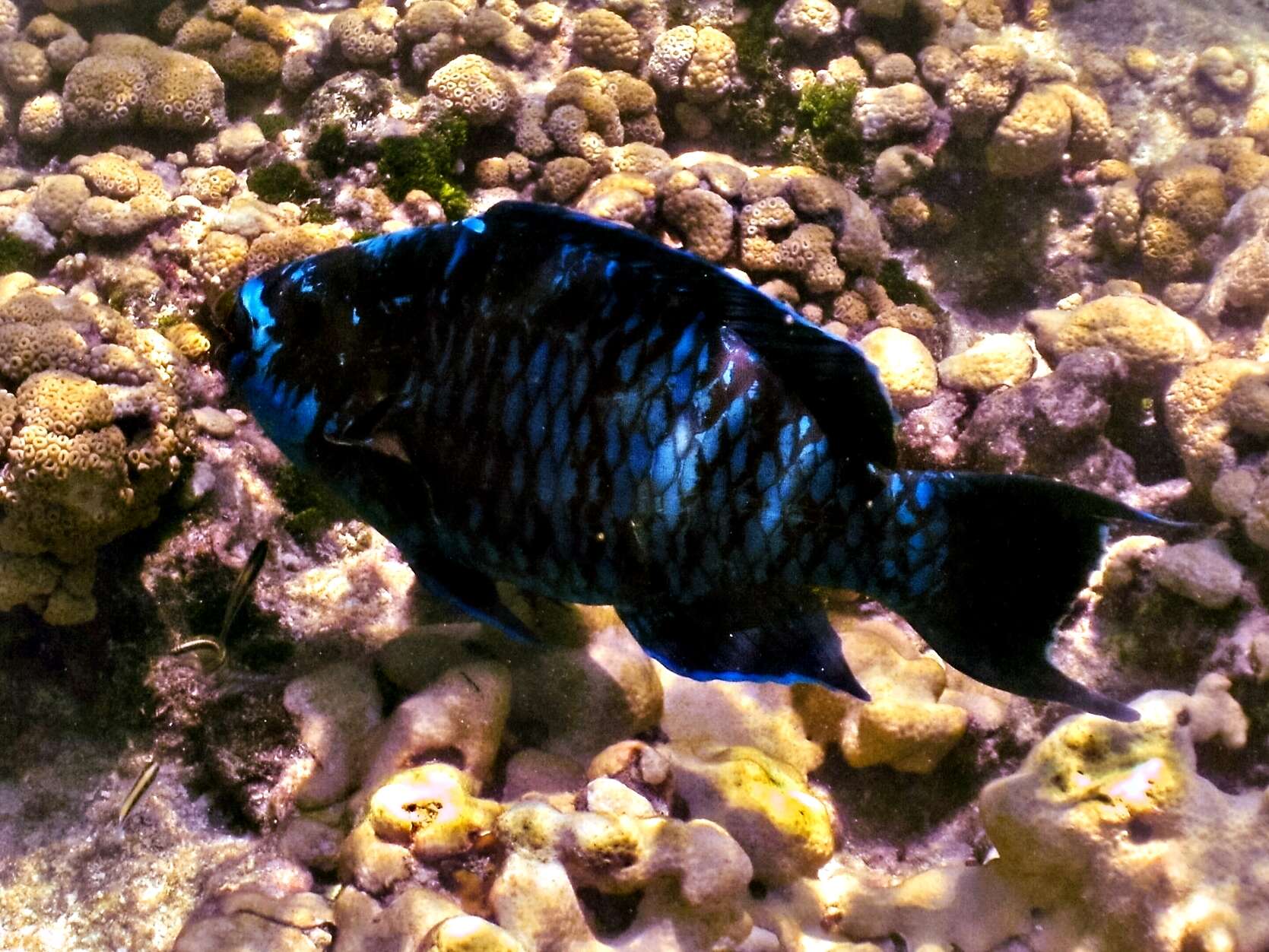
Scarus coelestinus Valenciennes, 1840 (Nightowl parrot)
Occurs from rocky coastal reefs to seaward reefs . Often in schools, feeding with surgeonfishes by scraping off algae from rocks or dead coral . Marketed fresh and salted .
Scarus vetula Bloch and Schneider, 1801 (Blownose)
Inhabits coral reefs and adjacent habitats. Feeds on algae scraped from rocks or dead coral. Sleeps in a mucus cocoon . Often seen in groups of one super male with several young adults, most of which are probably females . A protogynous hermaphrodite .
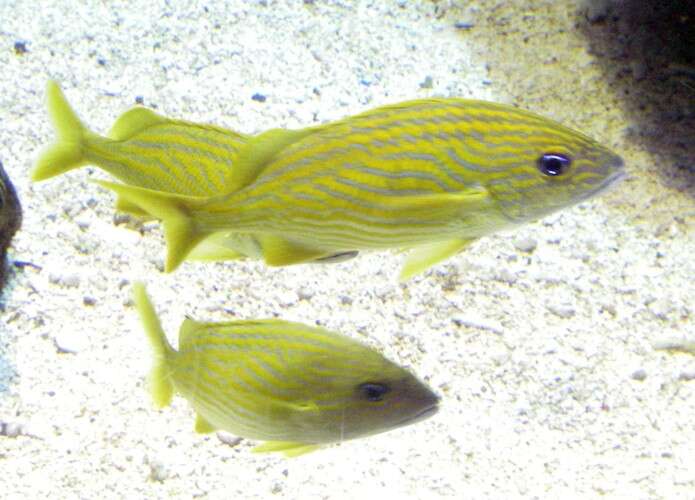
Haemulon flavolineatum (Desmarest, 1823) (French grunt)
Occurs in large schools on rocky and coral reefs, often under ledges or close to elkhorn coral . Juveniles abundant in near-shore seagrass beds . Feeds mainly on small crustaceans . Marketed fresh .
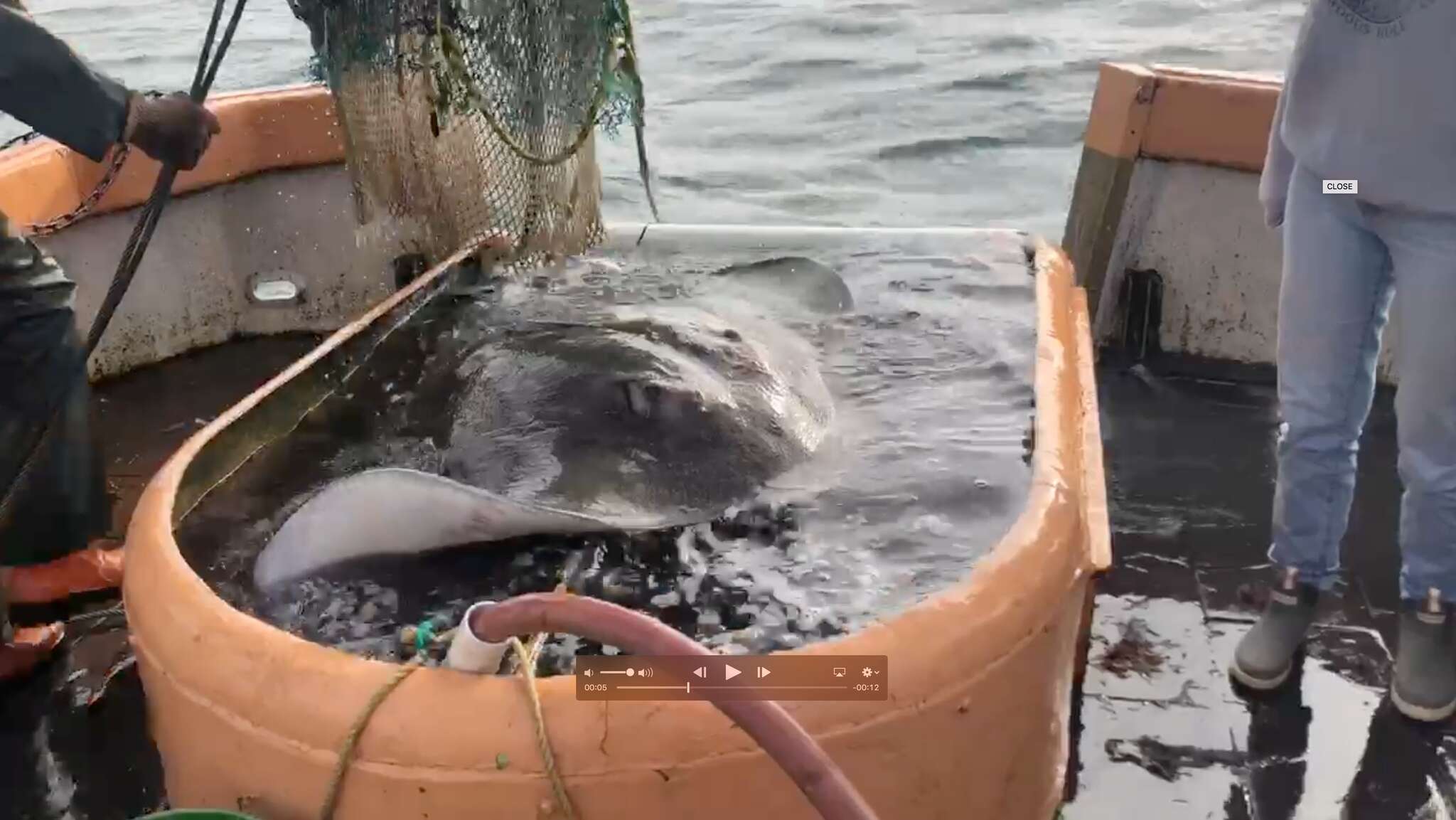
Dasyatis centroura (Mitchill, 1815) (clam cracker)
Found over sandy and muddy bottoms. Feeds on bottom-living invertebrates and fishes. Ovoviviparous . Wings marketed fresh, smoked, dried-salted; used for fishmeal and oil. Harmful to shellfish banks; dangerous to bather...
Read More
Read More
Ginglymostoma cirratum (Bonnaterre, 1788) (Nurse shark)
During the day the nurse shark is a sluggish animal, spending most of its time resting on sandy bottoms, or in crevices in rocks and coral reefs. Often several nurse sharks may congregate when resting, sometimes even pili...
Read More
Read More
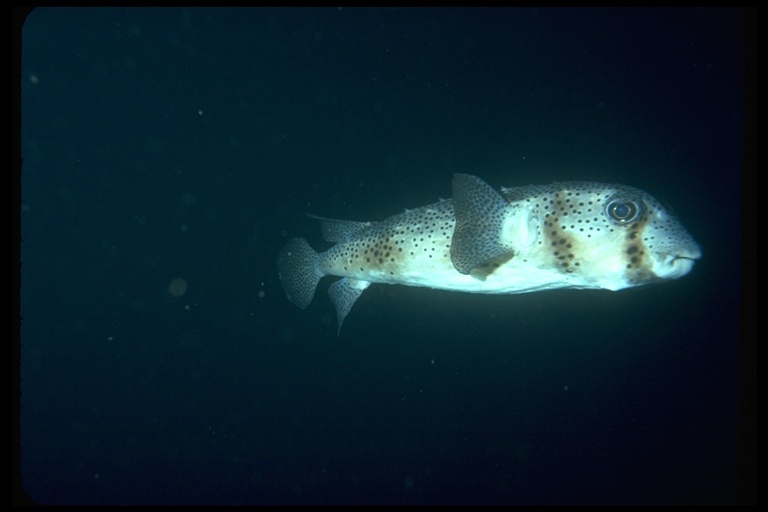
Chilomycterus atringa (Linnaeus, 1758) (Porcupine fish)
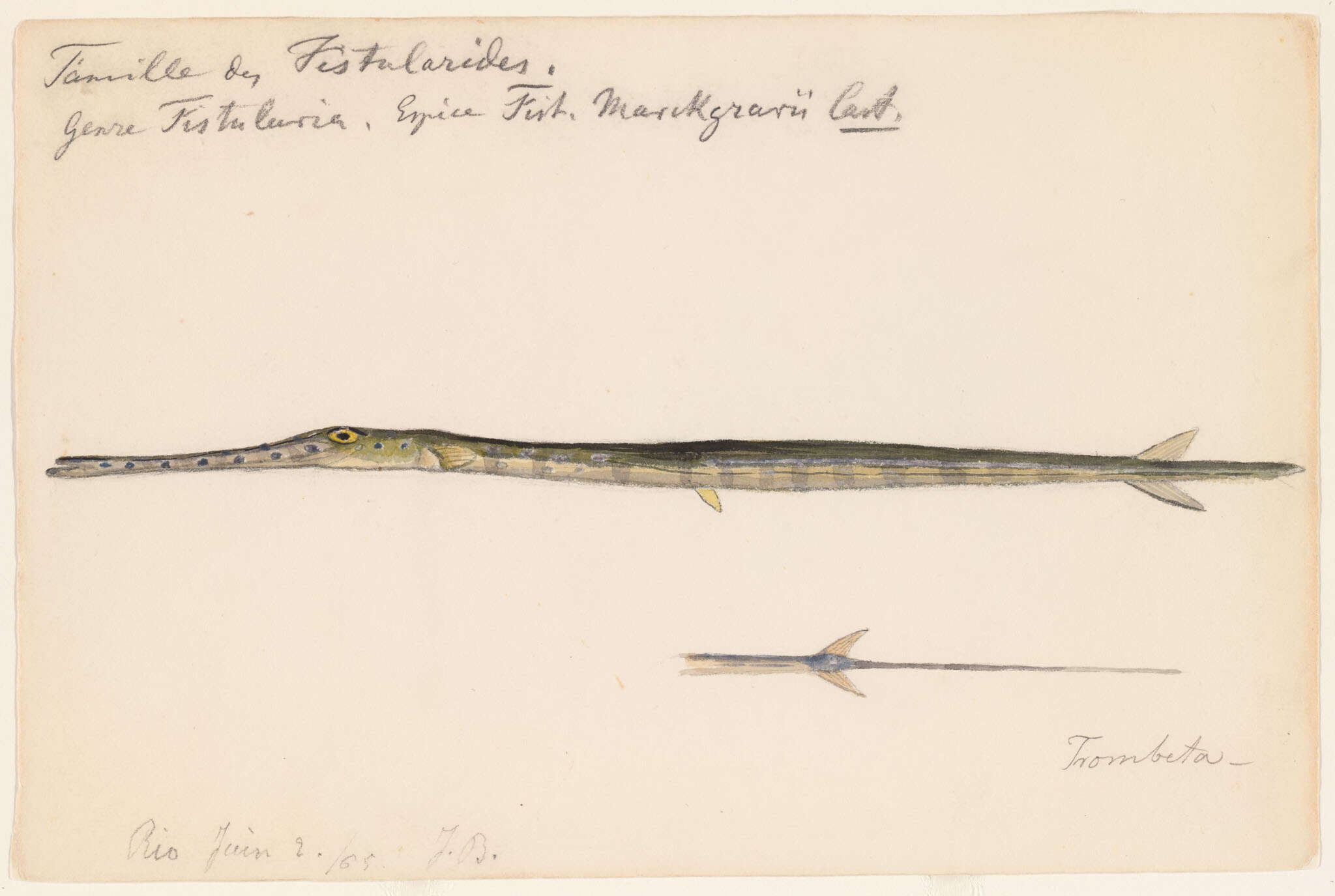
Fistularia tabacaria Linnaeus, 1758 (bluespotted cometfish)
A solitary species occurs over grass flats and reefs, and on hard and rocky bottoms . Feeds on fishes, small crustaceans or invertebrates.
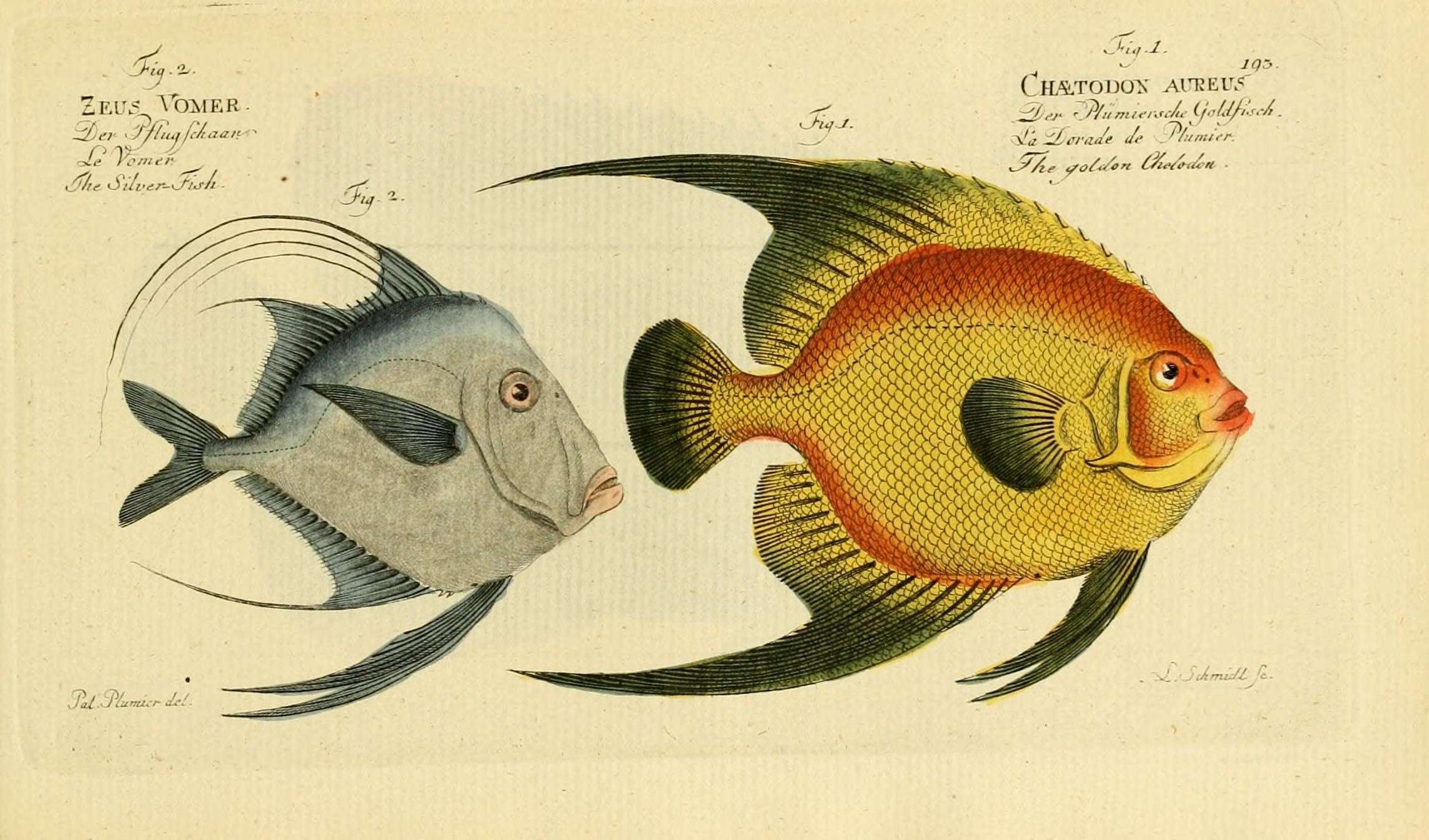
Holacanthus ciliaris (Linnaeus, 1758) (queen angelfish)
Found on coral reefs. Generally occurs solitarily or in pairs. Moves gracefully between seafans, seawhips, and corals . Stomach contents of 26 specimens indicate that the species feeds almost exclusively on sponges supp...
Read More
Read More
Pomacanthus paru (Bloch, 1787) (French angelfish)
Common in shallow reefs. Usually in pairs, often near sea fans . Feed on sponges, algae, bryozoans, zoantharians, gorgonians and tunicates . Oviparous , monogamous . Spawning pairs are strongly territorial, with usuall...
Read More
Read More
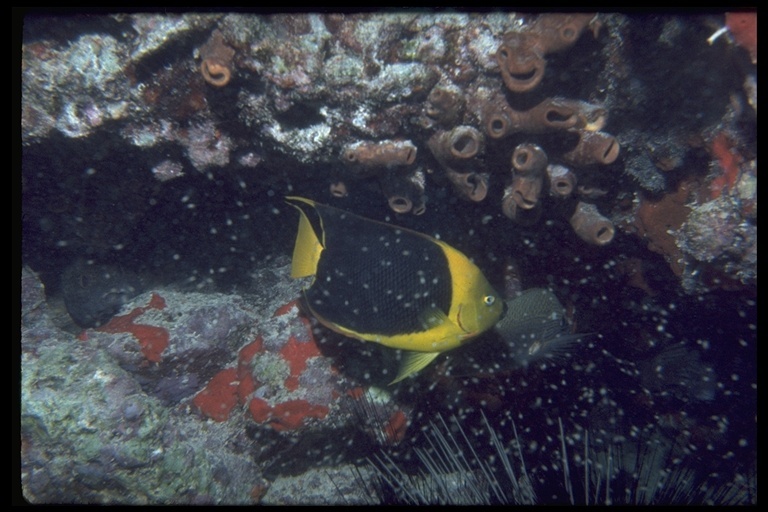
Holacanthus tricolor (Bloch, 1795) (Angelfish)
Inhabits rock jetties, rocky reefs and rich coral areas. Juveniles often associated with fire corals . Feeds on tunicates, sponges, zoantharians and algae. Marketed fresh .
Sargocentron coruscum (Poey, 1860) (reef squirrelfish)
Inhabit sandy, rocky and coral bottoms . More common on seaward reefs than on protected reefs. Retreat into recesses when alarmed . Nocturnal . Secretive, found deep in crevices between branches of live corals . Oviparous, with planktonic eggs and larvae .
Share on Social Networks
- Facebook:

personalize your shared text as well as its destination (wall, page...) or send as a private message to a friend
- Twitter: Tweet personalize your tweet
- Google Plus:
Direct link to this dive
- Long link:
- Short link:


 We are participating today in the startup contest Techcrunch Disrupt. Support Diveboard by voting for us!
























































































