


 Seif Nabhan

 Egypt
Egypt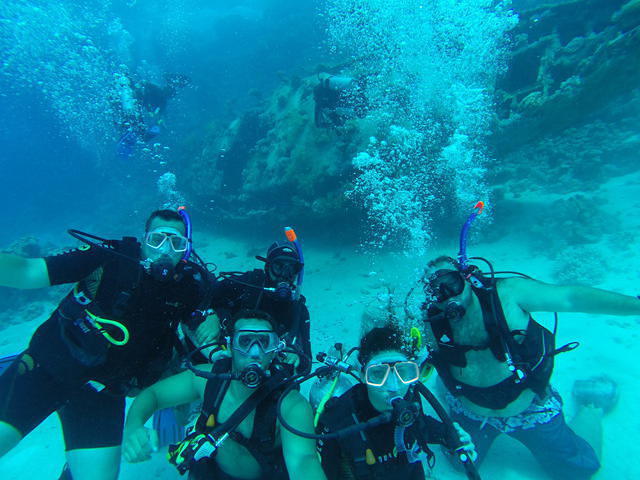
-
Nº2
 Date: 2014-10-08 - 09:00
-
 Max Depth: 18m Duration: 45mins
Dive Location

- Dive type : Recreational
Specific gear used
- Weights: 12 kg
Recent Divers in Hamata & Ras Banas
Recent Pictures in Hamata & Ras Banas

Dive Shop & Buddies
 Dive with Hossam from Wadi Lahami Village

Link to this spot:
- Spot:
- Country:
- Area:
- Body of water:
Dive Profile
Data provided by EOL.org








Species Identified
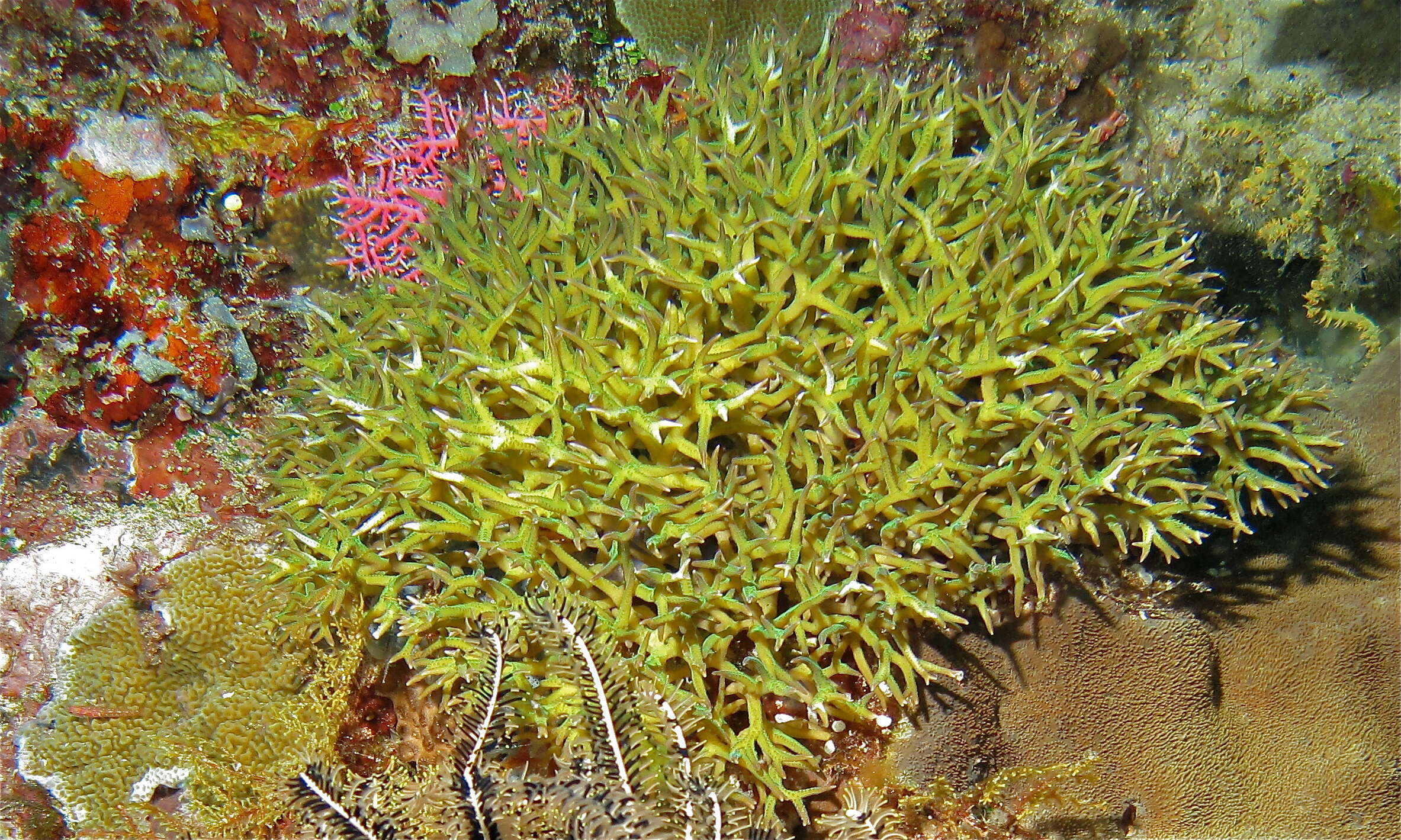
Pocillopora damicornis (Linnaeus, 1758) (Cauliflower coral)
zooxanthellate
Seriatopora hystrix Dana, 1846 (Bush coral)
zooxanthellate
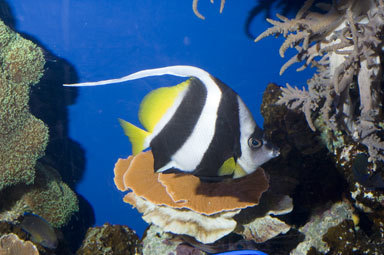
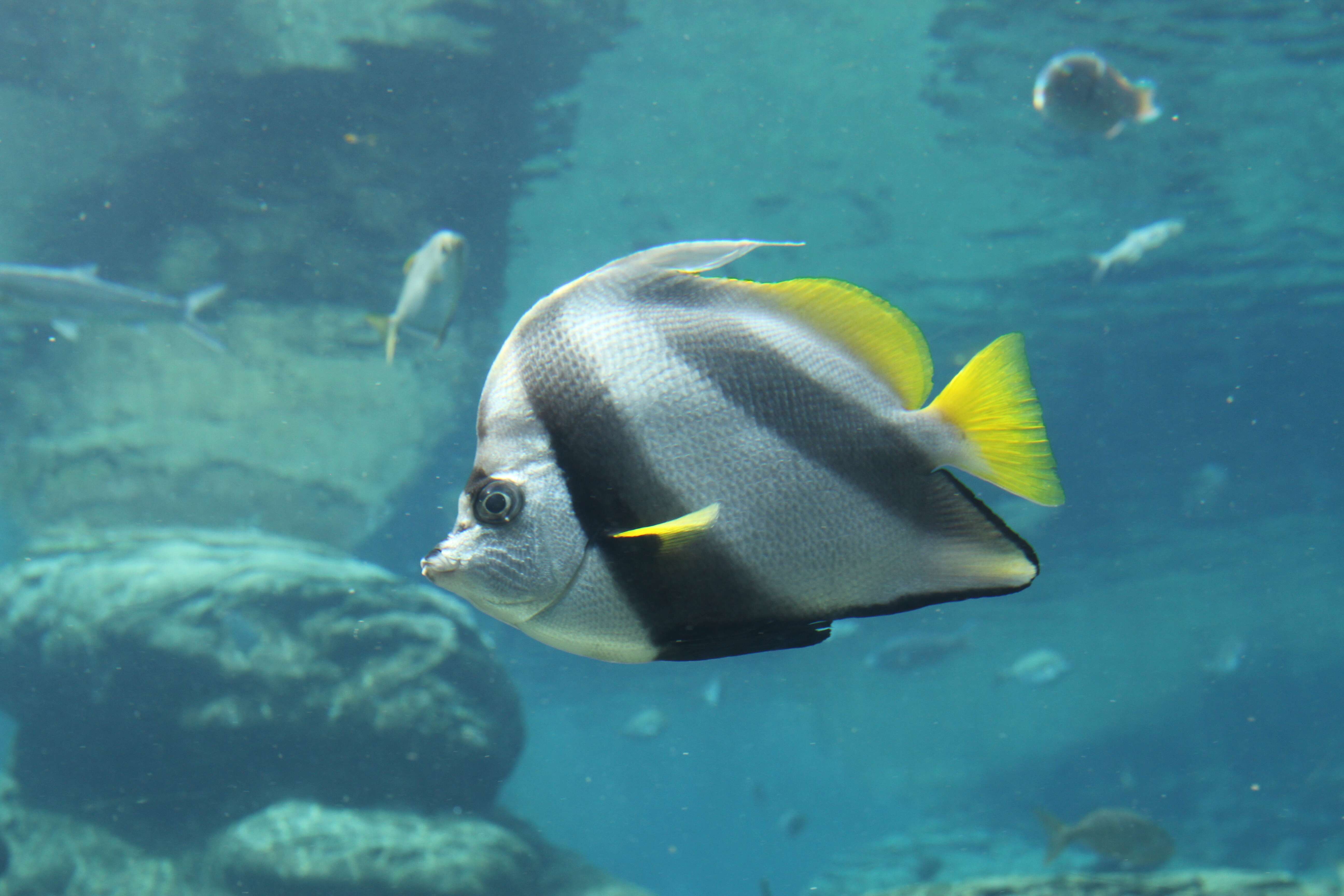
Heniochus acuminatus (Linnaeus, 1758) (Pennant coralfish)
Inhabit deep, protected lagoons and channels, and the deeper parts of outer reef slopes. Juveniles are often solitary while adults occur in pairs . A planktivorous species that generally remains within a few meters of th...
Read More
Read More
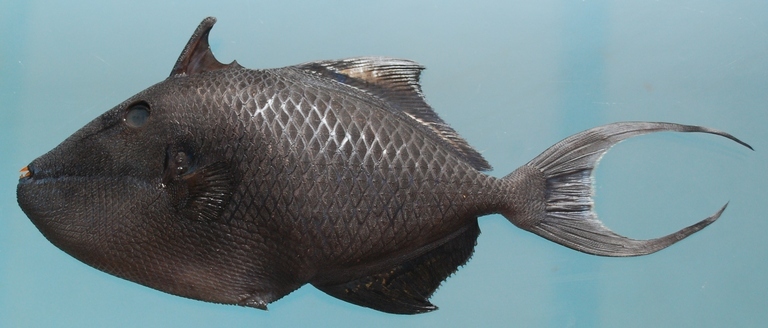
Odonus niger (Rüppell, 1836) (Redtoothed triggerfish)
Inhabits reef channels or along slopes that are subject to strong currents . Occur in current-swept seaward coral reefs. Usually form aggregations and feed on zooplankton as well as sponges . Juveniles associated with i...
Read More
Read More
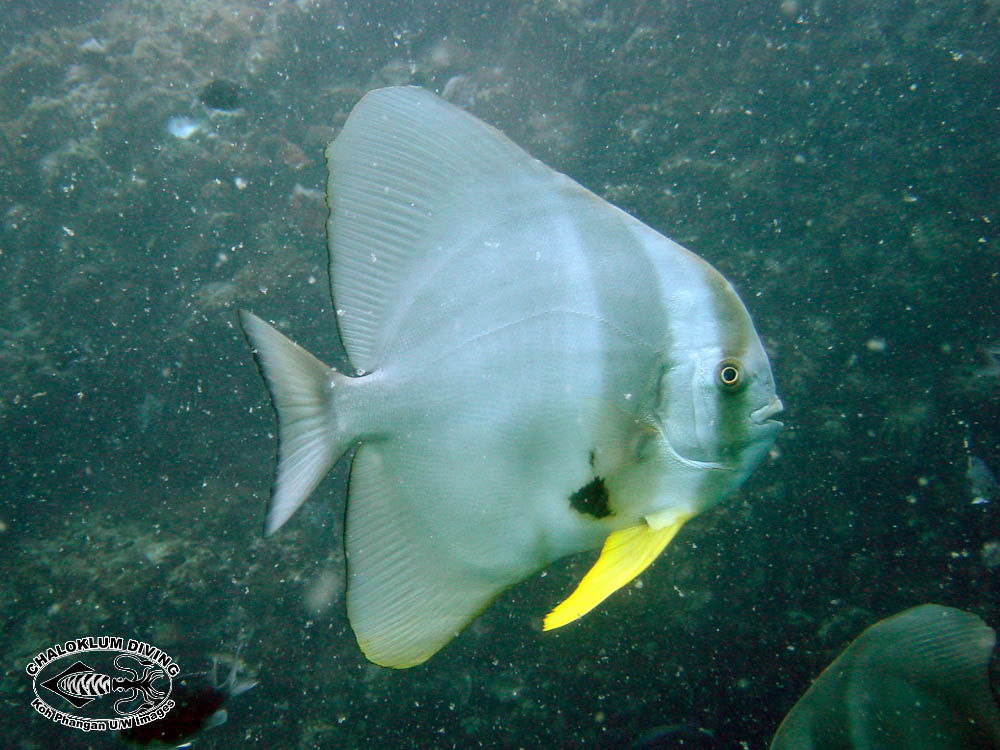
Platax orbicularis (Forsskål, 1775) (Orbicular batfish)
Live in shallow protected coastal waters to deep, somewhat silty habitats. Often with deep shipwrecks . Adults are found singly or in small groups and occasionally in large schools in some areas. Juveniles occur singly ...
Read More
Read More
Zebrasoma xanthurum (Blyth, 1852) (Yellowtail tang)
Often found in groups in coral-rich areas or on rocky bottoms . It small and numerous pharyngeal teeth suggest a diet that consists mainly of filamentous algae .
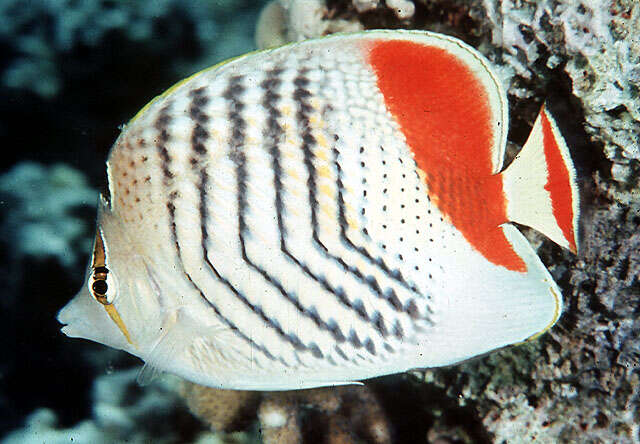
Chaetodon paucifasciatus Ahl, 1923 (Eritrean butterflyfish)
Found over coral and rubble areas, in pairs or in small groups. Found to depths of 65 m . Feed on coral polyps, gorgonians, algae, polychaete worms and small crustaceans. Oviparous , monogamous . Form pairs during breed...
Read More
Read More
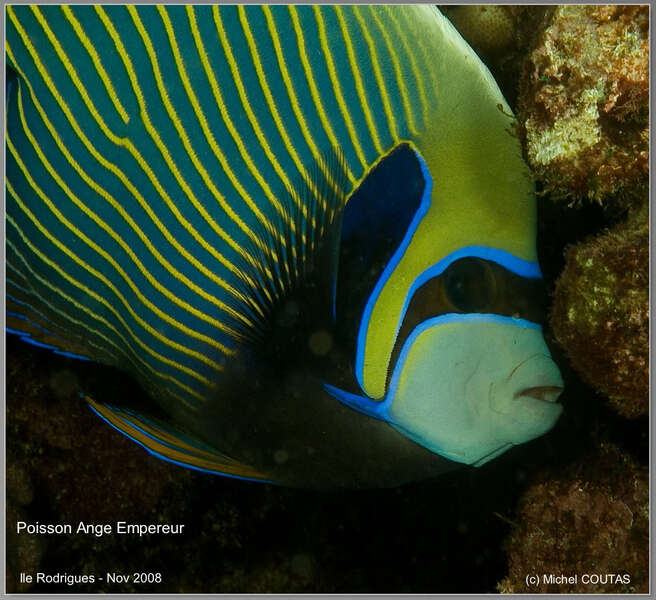
Pomacanthus imperator (Bloch, 1787) (Angel fish)
Juveniles are encountered under ledges, or in holes of outer lagoon patch reefs or semi-protected areas of exposed channels and outer reef flats. Subadults move to reef front holes and surge channels. Large adults inhabi...
Read More
Read More
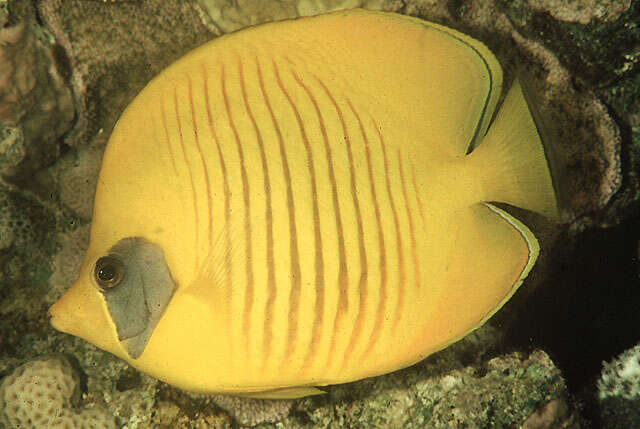
Chaetodon semilarvatus Cuvier, 1831 (Bluecheek butterflyfish)
A common species found in areas where there is rich coral growth. Often seen in pairs or small aggregations. Occasionally observed hovering in a stationary position for extended periods under ledges of Acropora plate corals . Oviparous . Form pairs during breeding .
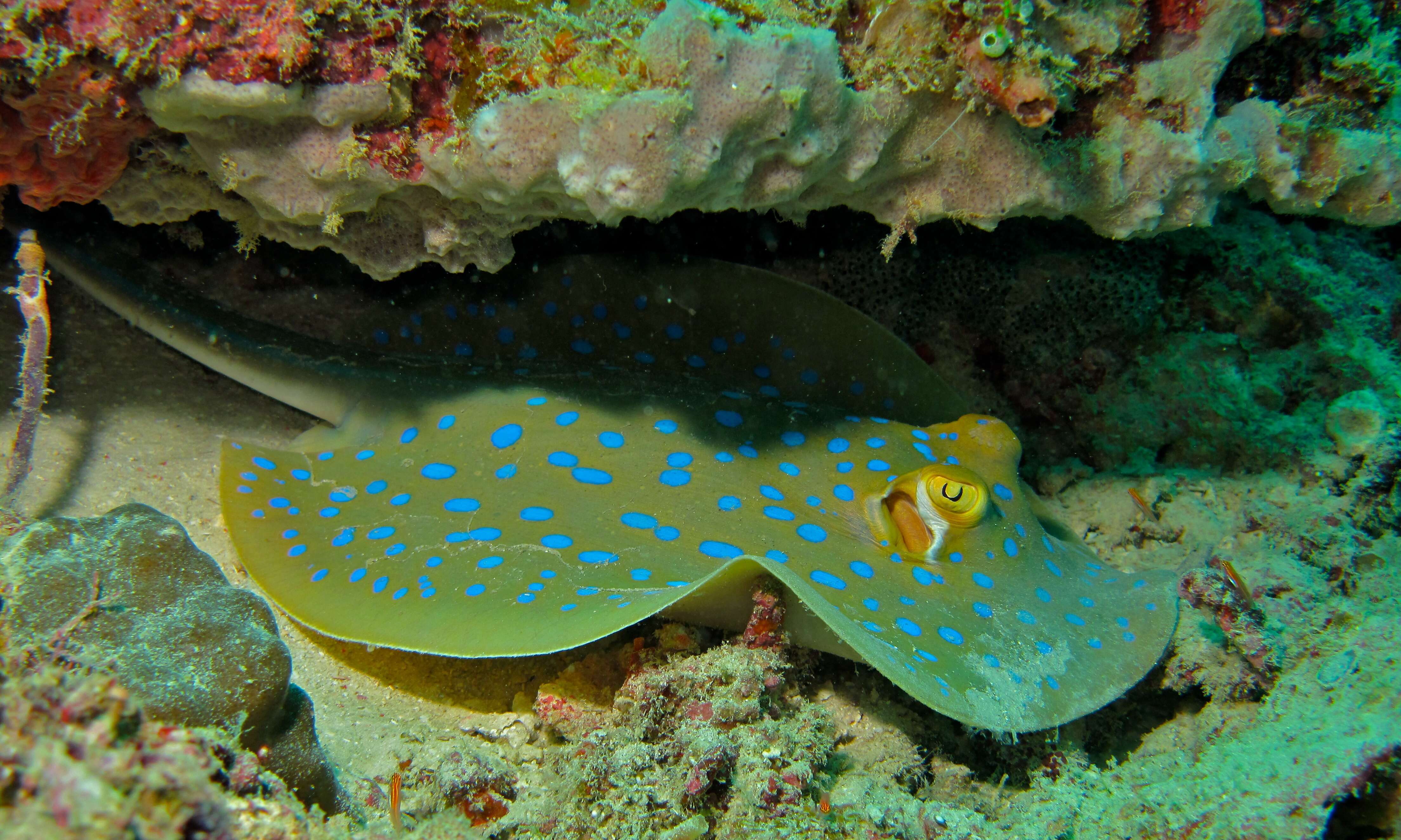
Taeniura lymma (Forsskål, 1775) (Bluespotted ribbontail ray)
Blue-spotted stingrays live alone or in small groups , migrating in large schools into shallow sandy areas on the rising tide in order to feed, and dispersing back into the ocean as the tide falls to shelter in the coral c...
Read More
Read More
Heniochus diphreutes Jordan, 1903 (False moorish idol)
Occur primarily along outer reef slopes, in current channels. Juveniles in aggregations around isolated patch reefs, adults in large schools well above the bottom . In Indonesia, adults most common in depth 40-50 m, repo...
Read More
Read More
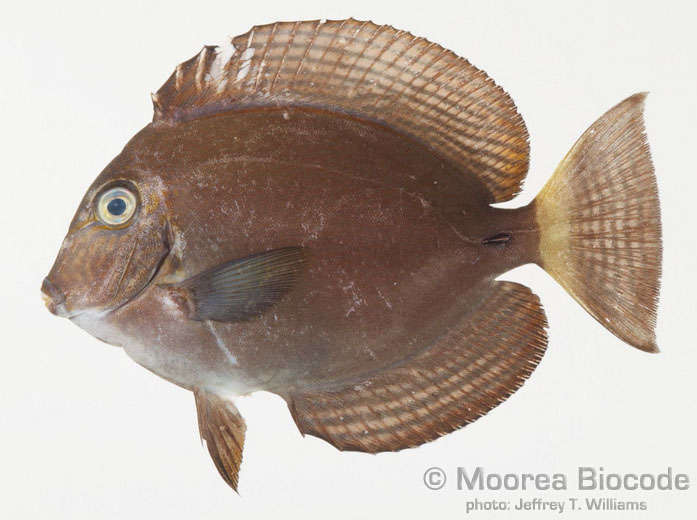
Acanthurus blochii Valenciennes, 1835 (whitetail surgeonfish)
Occurs in outer lagoon and seaward reefs, usually seen in small groups and school in some oceanic locations . Benthopelagic . Feeds primarily on the algal film covering compacted sand, ingesting the usual component of sa...
Read More
Read More
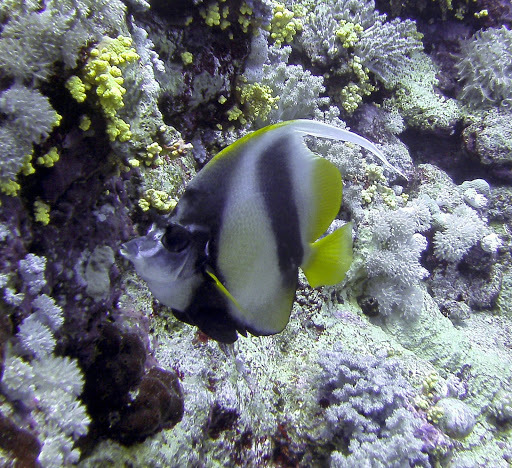
Heniochus intermedius Steindachner, 1893 (Red Sea bannerfish)
Found on coral slopes Juveniles in large groups at base of reef, sometimes with H. diphreutes; adults usually solitary or paired, occasionally in groups . Feed on zooplankton and benthic invertebrates . Oviparous , monogamous . Form pairs during breeding .
Gymnothorax johnsoni (Smith, 1962) (Whitespotted moray)
Inhabits crevices .
Sargocentron ittodai (Jordan and Fowler, 1902) (Samurai squirrelfish)
Occurs in outer reef slopes. A nocturnal species that feeds mainly on benthic crabs and shrimps. Spine of preopercle venomous.
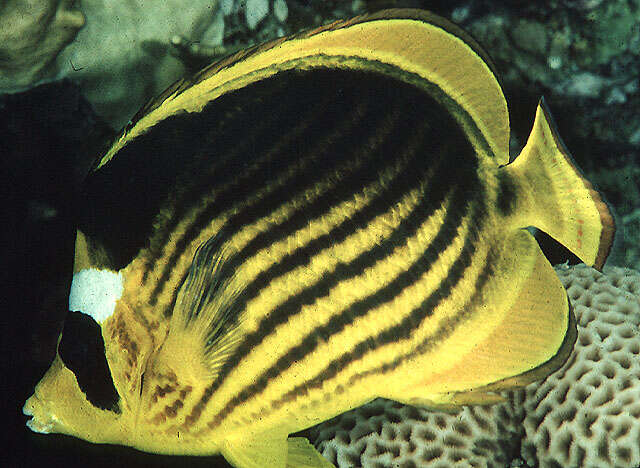
Chaetodon fasciatus Forsskål, 1775 (Diagonal butterflyfish)
Commonly found on reef flats . Usually solitary or in pairs in areas with rich coral growth. Monogamous . Feed mainly on coral polyps . Oviparous . Form pairs during breeding .
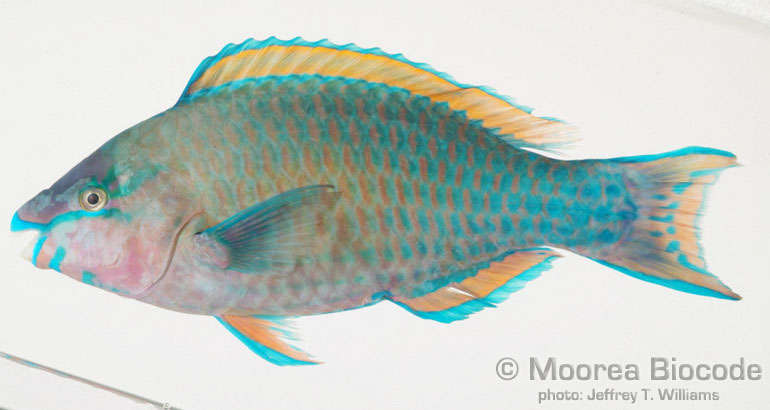
Chlorurus microrhinos (Bleeker, 1854) (Blunt-head parrotfish)
Occurs in lagoon and seaward reefs. Juveniles generally solitary; large adults often school together.
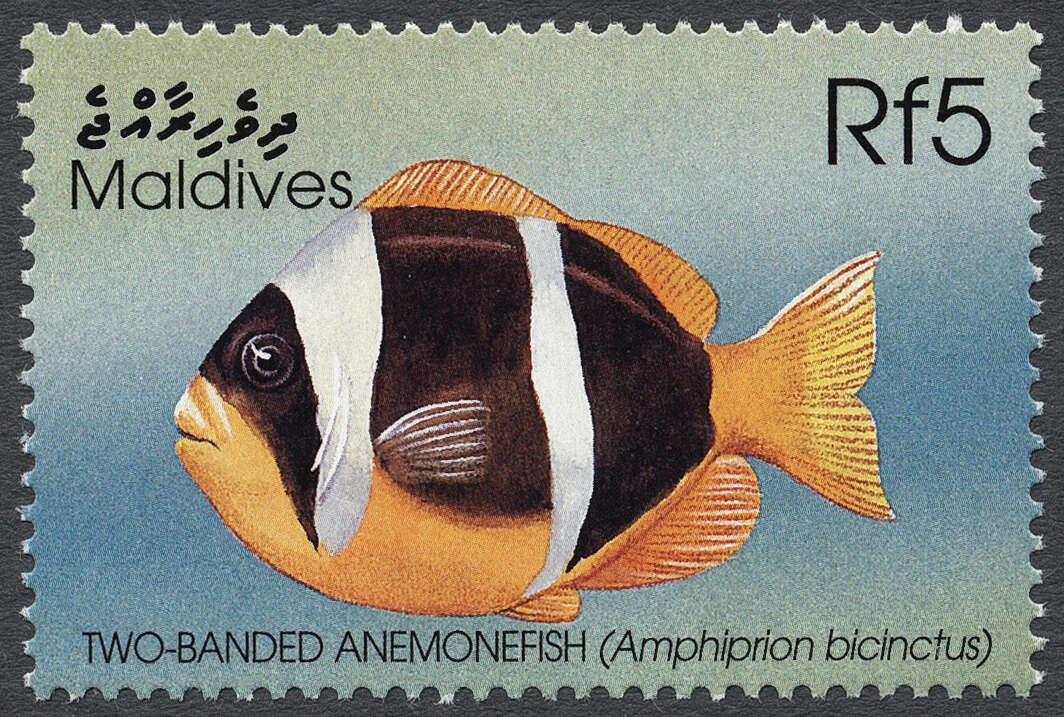
Amphiprion bicinctus Rüppell, 1830 (threebanded anemonefish)
Inhabits lagoons and outer reefs. Oviparous, with elliptical eggs . Monogamous . Has been reared in captivity . Associated with the anemones: Entacmaea quadricolor, Heteractis aurora, Heteractis crispa, Heteractis magnifica, and Stichodactyla gigantea .
Chelonia mydas Linnaeus 1758 (Green Turtle)
Green turtles are long-lived and may take up to 59 years to reach sexual maturity Undertaking tremendous feats of navigation, adults return to the same beach to breed each season, part of the population in Brazil astonish...
Read More
Read More
Caranx melampygus Cuvier, 1833 (Bayad)
Tylosurus choram (Rüppell, 1837) (Red Sea houndfish)
Oviparous . Eggs may be found attached to objects in the water by tendrils on the egg's surface .
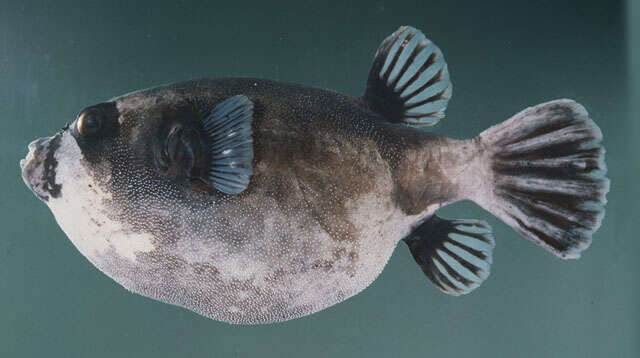
Arothron diadematus (Rüppell, 1829) (Masked puffer)
Inhabits coral-rich fringing reefs .
Rhinecanthus assasi (Forsskål, 1775) (Picasso triggerfish)
Inhabits shallow sandy and rubble areas of coral reefs . Juveniles are commonly found on reef flats . Feeds on benthic invertebrates . Caught with artisanal gear, mainly pots .
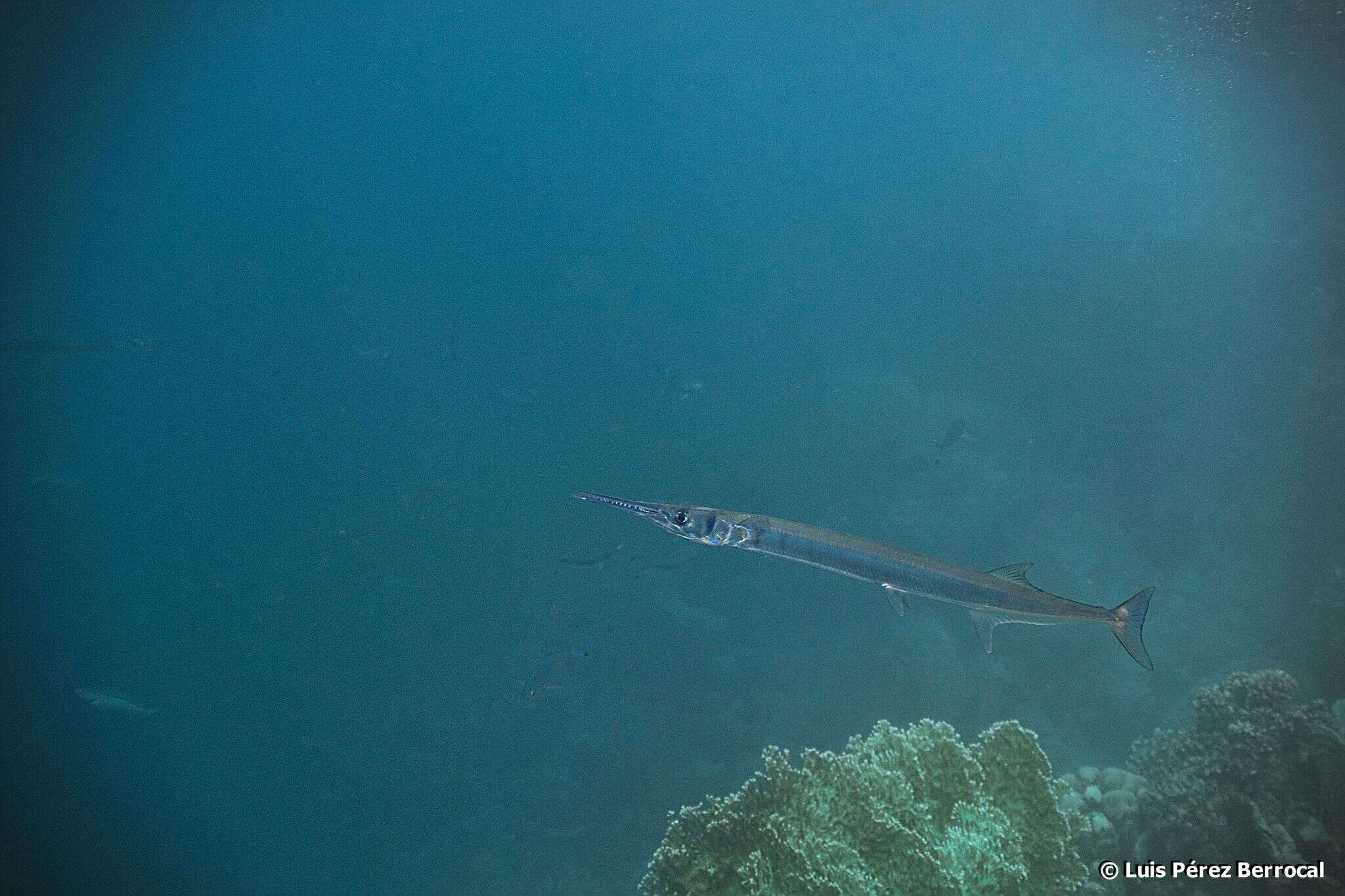
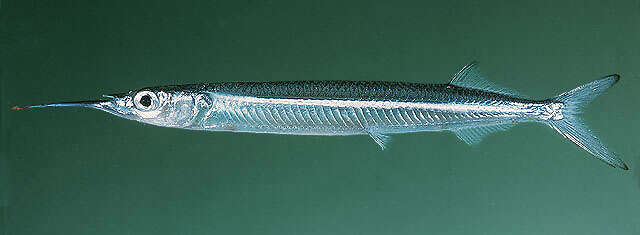
Hyporhamphus gamberur (Rüppell, 1837) (Red Sea halfbeak)
Common around reefs .
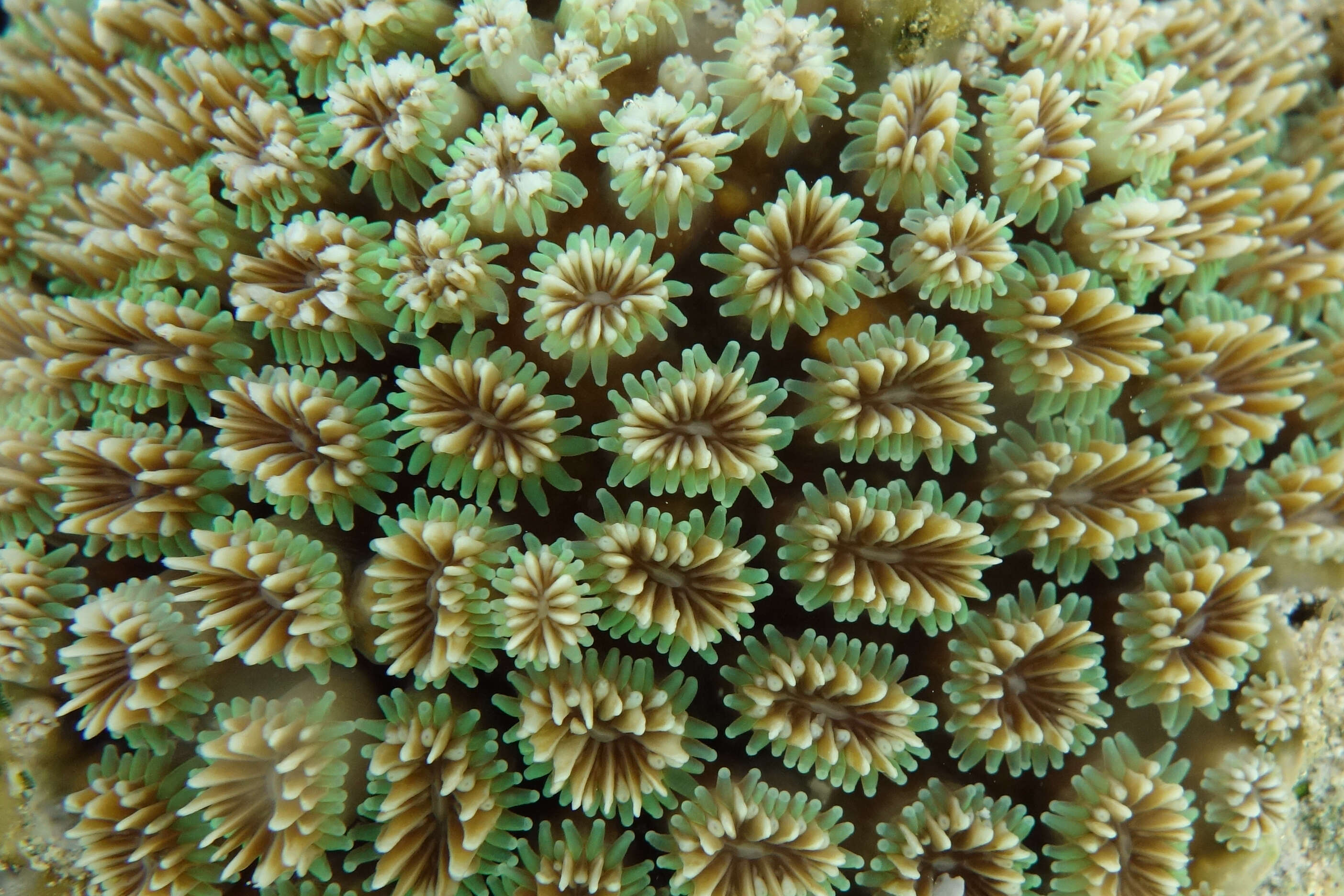
Galaxea fascicularis (Linnaeus, 1767) (Octopus coral)
zooxanthellate
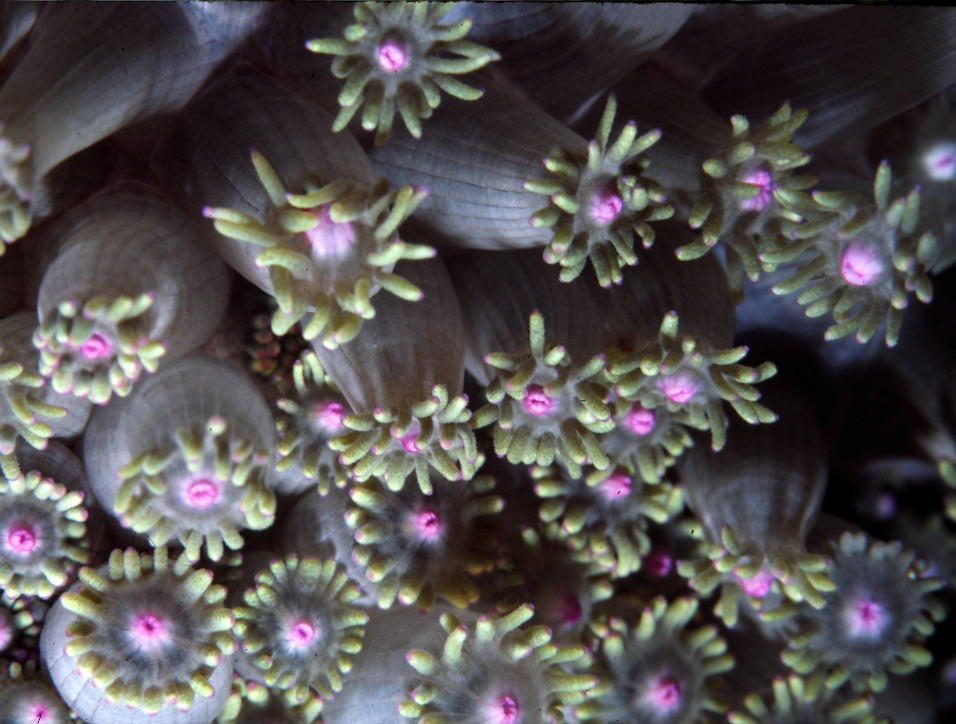
Goniopora lobata Milne Edwards & Haime, 1860 (Anemone coral)
zooxanthellate
Scarus psittacus Forsskål, 1775 (Common parrotfish)
Inhabit reef flats and lagoon and seaward reefs to at least 25 m depth . Found over corals . Benthopelagic . Initial-phase fish stage usually form small feeding schools . Graze on benthic algae . Secrete a mucus cocoon .
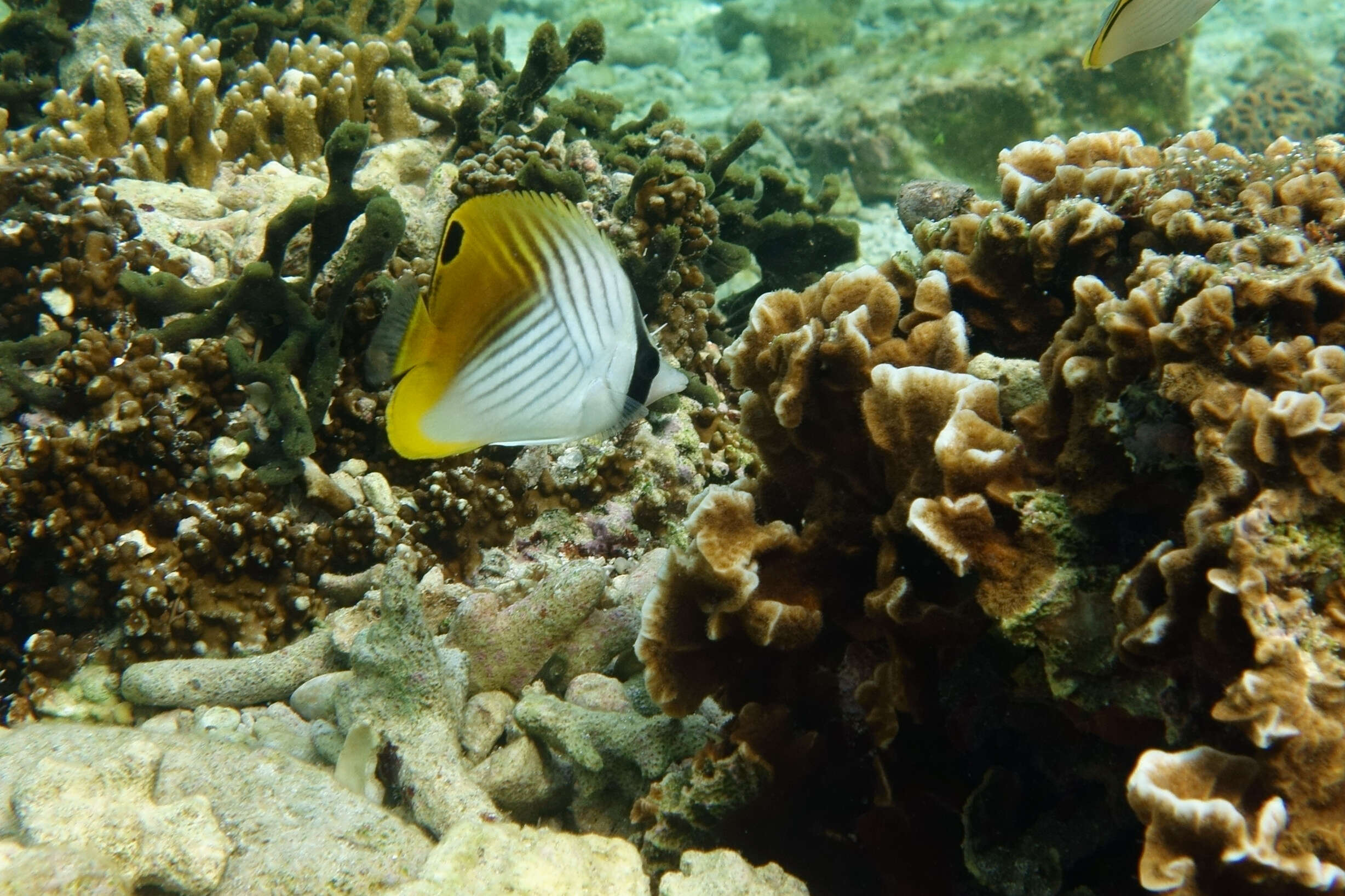
Chaetodon auriga Forsskål, 1775 (Cross-stripe butterfly)
Share on Social Networks
- Facebook:

personalize your shared text as well as its destination (wall, page...) or send as a private message to a friend
- Twitter: Tweet personalize your tweet
- Google Plus:
Direct link to this dive
- Long link:
- Short link:


 We are participating today in the startup contest Techcrunch Disrupt. Support Diveboard by voting for us!
























































































