


 TahitiDive29

 France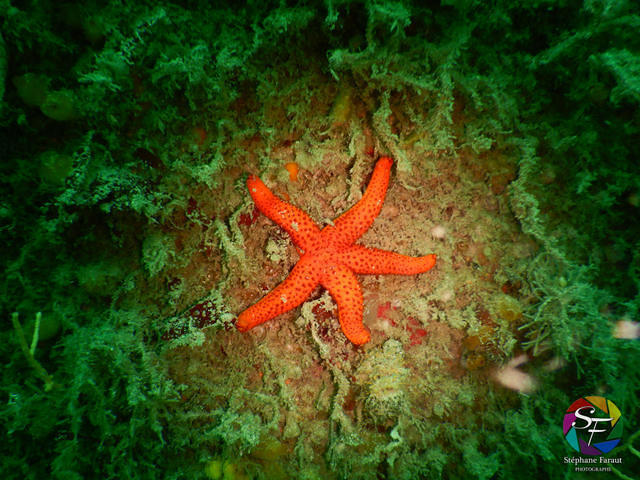
-
Nº42
 Date: 2018-08-06 - 10:20
-
 Max Depth: 21m Duration: 41mins
Dive Location

- Temp: Surf 22°C Bottom 16°C
- Dive type : Recreational, Photo
- Visibility: Average Water: Salt
Specific gear used
- Weights: 9 kg
Dive reviews
| Overall review | ||
| Dive difficulty | ||
| Marine life quality |
Dive Shop & Buddies
 Dive with Dominique Le Strat from Plougasnou Plongée

Link to this spot:
- Spot:
- Country:
- Area:
- Body of water:
Dive Profile
- 1. Air
- 15L Steel 190 → 50 bar
- Average depth: 14m
Data provided by EOL.org
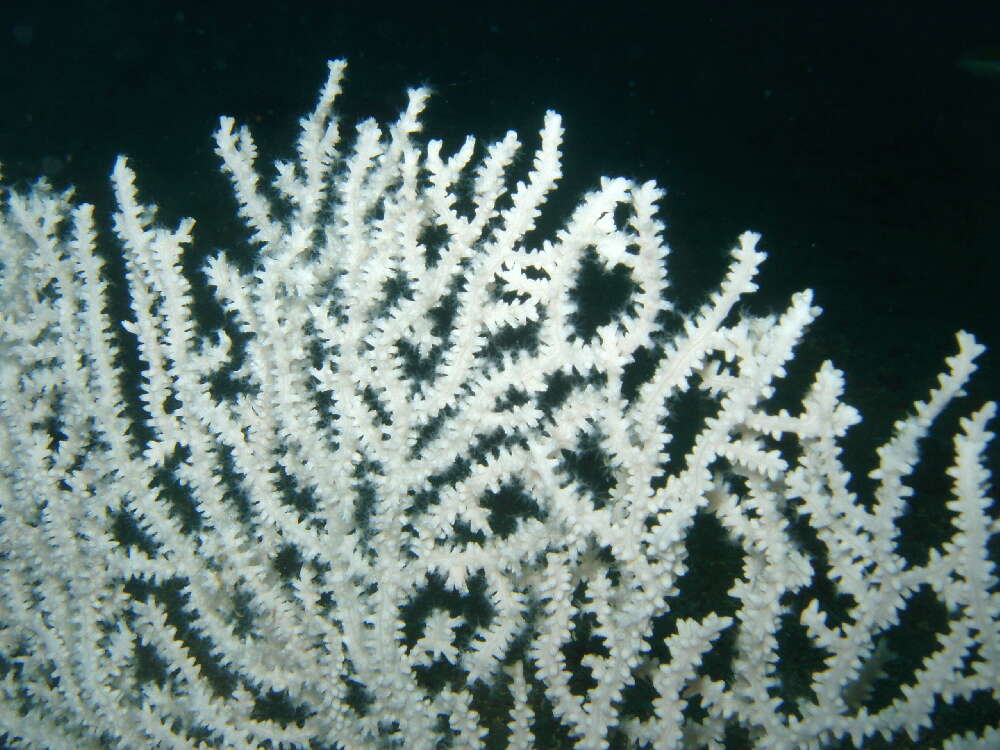
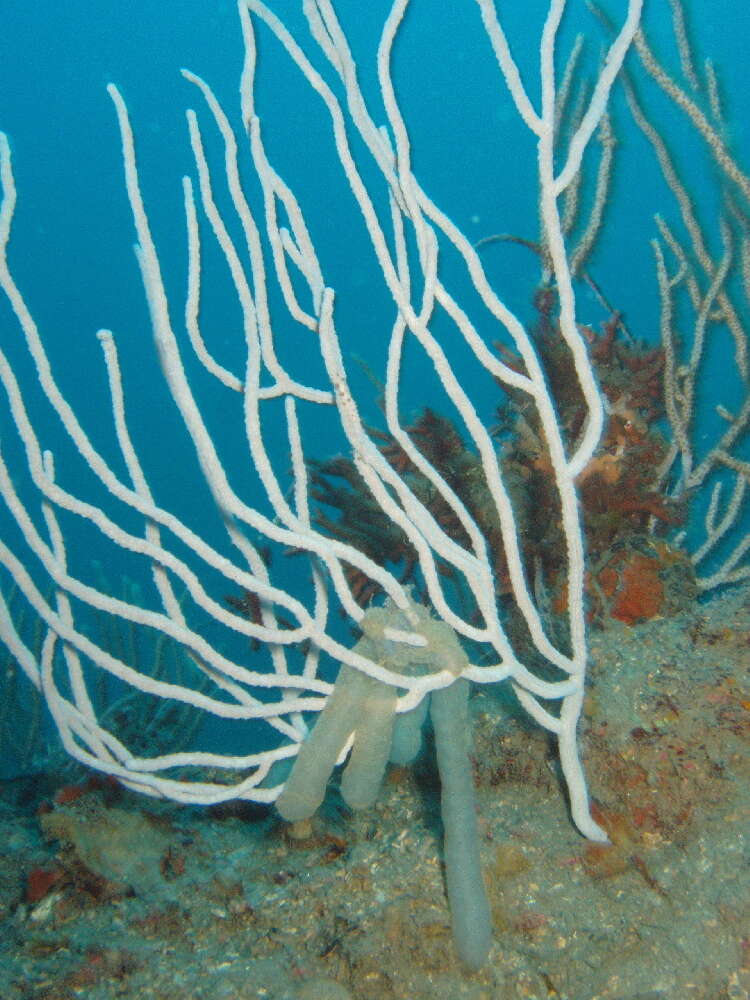

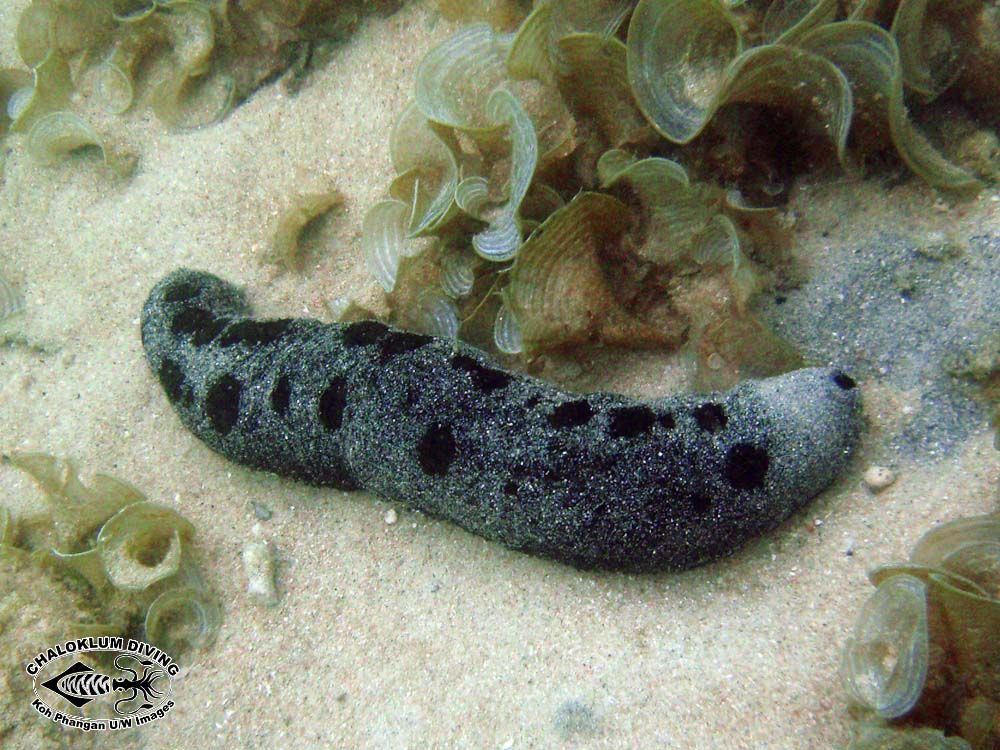
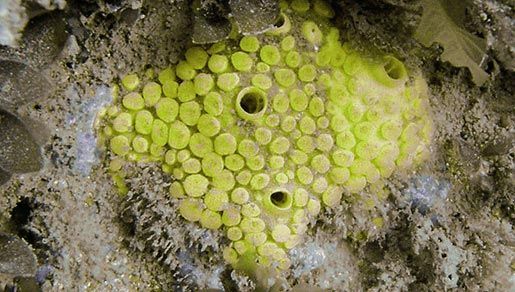
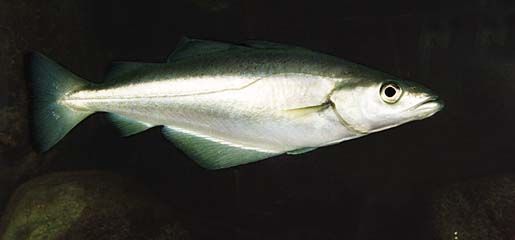
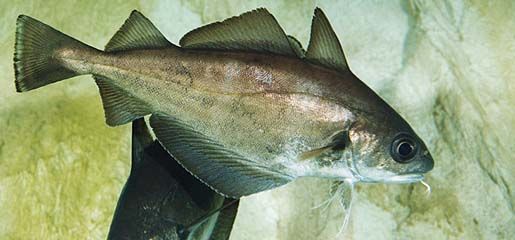
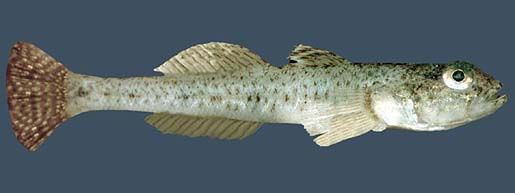
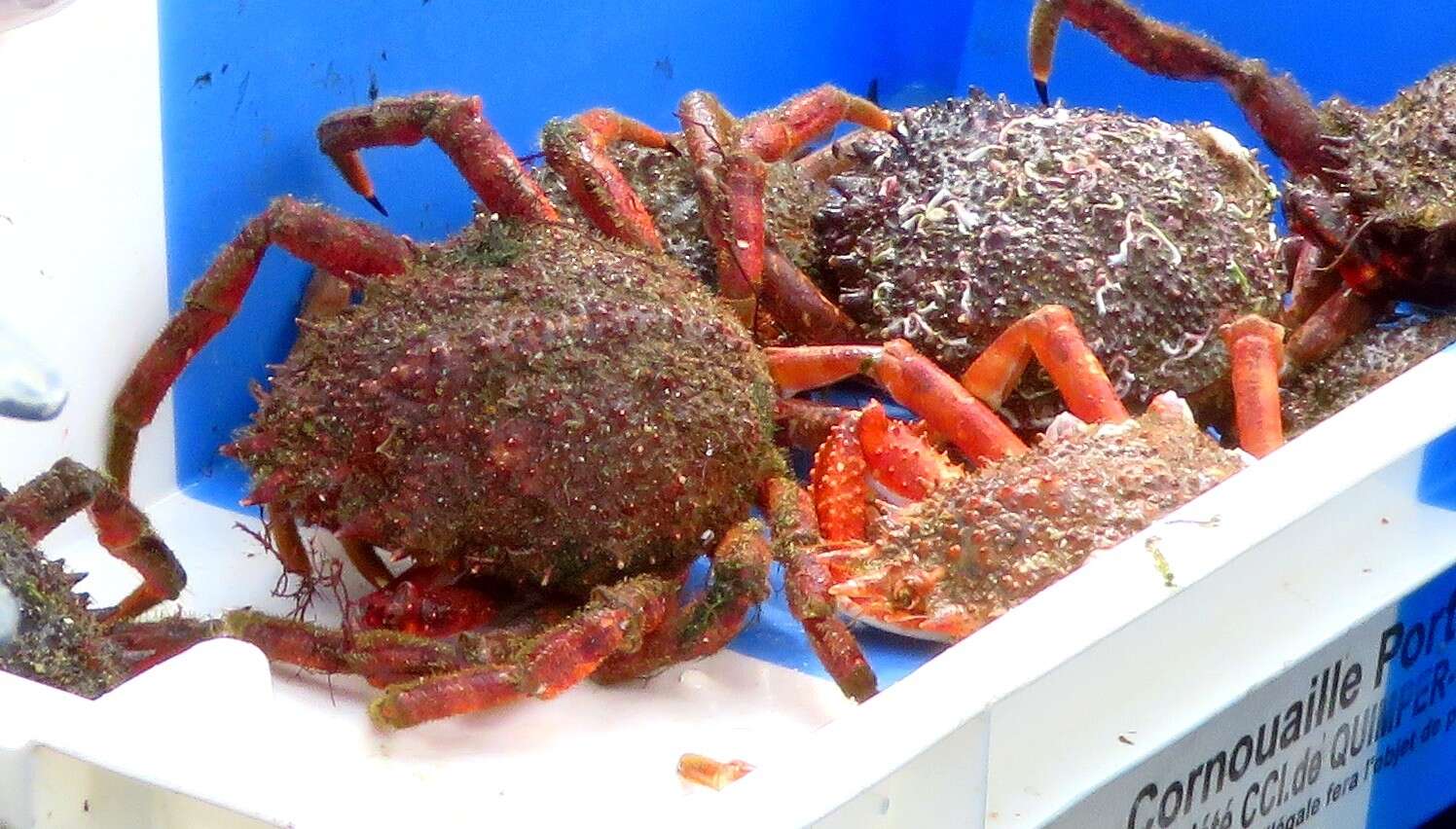

Species Identified
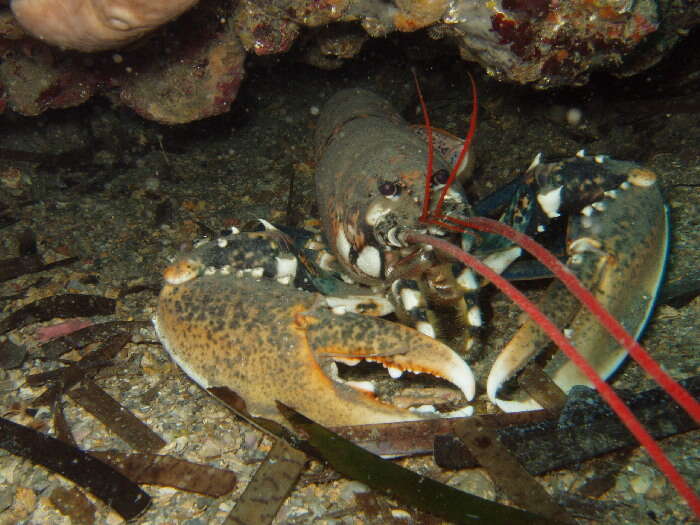
Homarus gammarus (Linnaeus, 1758) (European lobster)
The common lobster is a scavenger, and uses its pincers to manipulate food items . The sexes are separate, spawning occurs once a year in summer, and after mating, the female carries the eggs on her walking legs for a...
Read More
Read More
Eunicella verrucosa (Pallas, 1766) (Broad sea fan)
Although there is no direct information on the reproduction of the pink sea fan, it is thought that larvae are short-lived and settle soon after release . It is a slow growing and long-lived species and if a population is...
Read More
Read More
Eunicella singularis (Esper, 1791)
Echinaster sepositus (common starfish)
Holothuria atra Jaeger (lolly fish (holothurian))
Cliona celata Grant, 1826 (boring sponge)
Pollachius pollachius (Linnaeus, 1758) (European pollock)
Trisopterus luscus (Linnaeus, 1758) (Whiting pout)
Pomatoschistus microps (Krøyer, 1838) (Common goby)
Maja brachydactyla Balss 1922 (Common spider crab)
Trapania maculata Haefelfinger, 1960
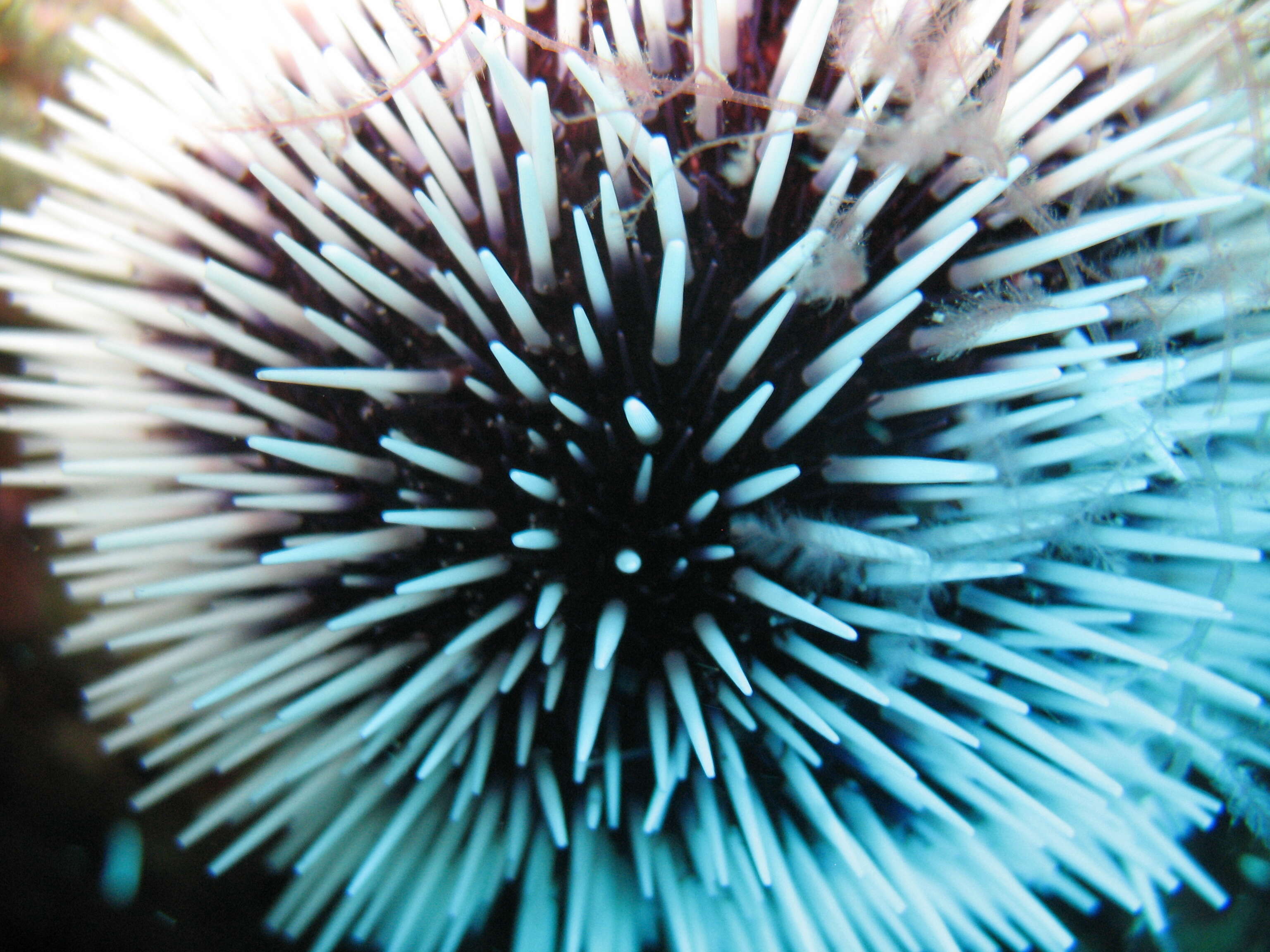
Echinus esculentus (edible sea urchin)
Sphaerechinus granularis (Lamarck, 1816) (Purple sea urchin)
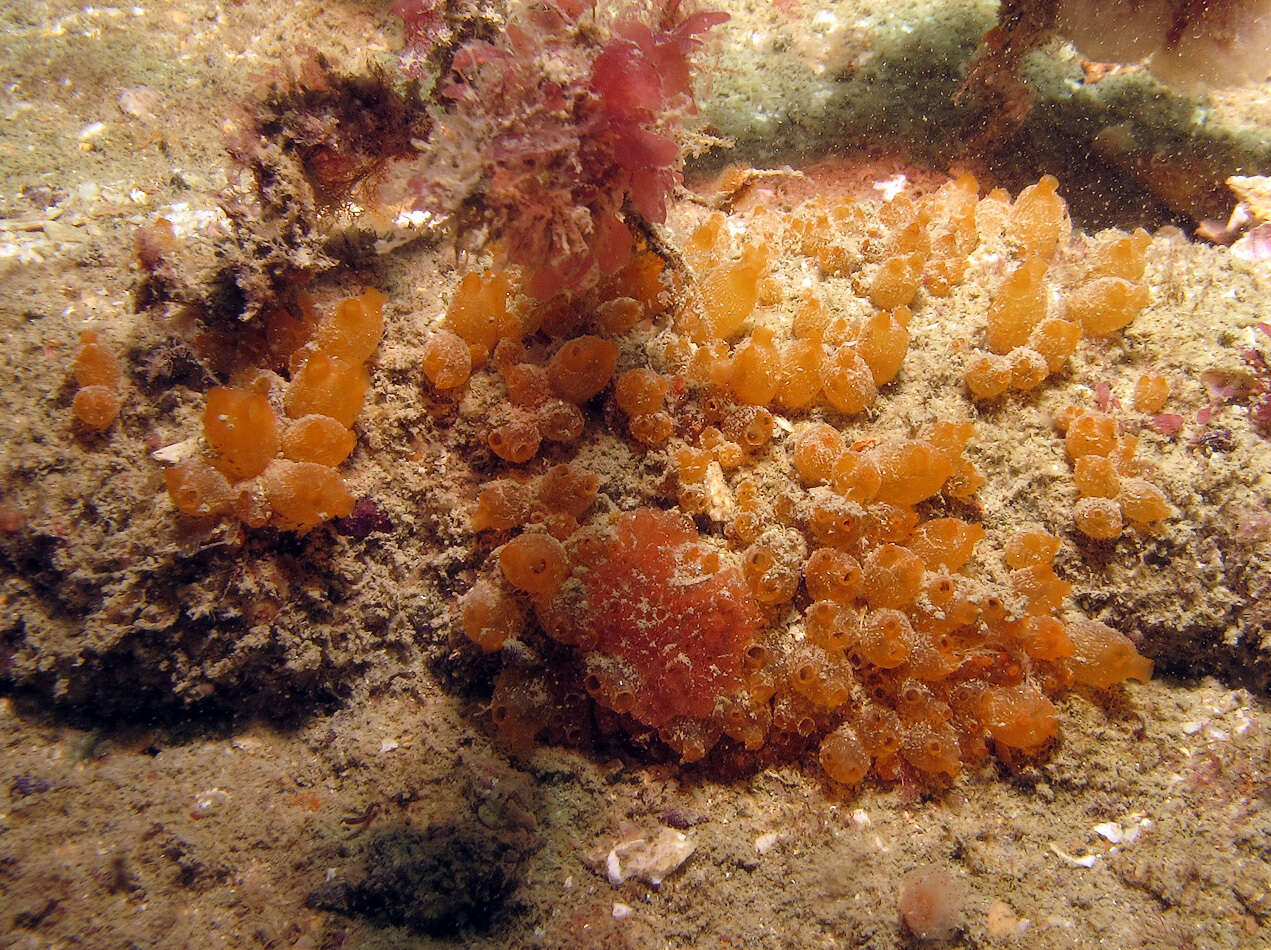
Stolonica socialis Hartmeyer, 1903
Alcyonium digitatum Linnaeus, 1758 (dead man's fingers)
Colonies of dead man's fingers actively feed at various times of the day, with the polyps extended . They feed on plankton which is brought into the polyps by the generation of a water current caused by the beating of tin...
Read More
Read More
Laminaria digitata (Hudson) J. V. Lamouroux (An Choirleach,)
This perennial species lives for 4-6 years . New growth occurs at the base of the stipe, where it joins to the frond; although growth occurs throughout the year, it seems to be fastest during the spring .Kelp beds are impo...
Read More
Read More
Share on Social Networks
- Facebook:

personalize your shared text as well as its destination (wall, page...) or send as a private message to a friend
- Twitter: Tweet personalize your tweet
- Google Plus:
Direct link to this dive
- Long link:
- Short link:


 We are participating today in the startup contest Techcrunch Disrupt. Support Diveboard by voting for us!
























































































