


 Tanya_test


 Egypt
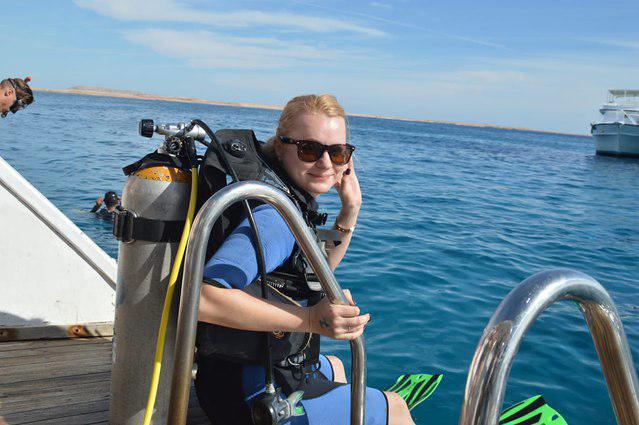
-
Nº1
 Date: 2018-12-23 - 02:40
-
 Max Depth: 5m Duration: 40mins
Dive Location

- Surface interval:1 mins
- Dive type : Training
- Visibility: Excellent Water: Salt
Dive reviews
| Overall review | ||
| Dive difficulty | ||
| Marine life quality |
Recent Divers in Ras Mohammed
Recent Pictures in Ras Mohammed

Link to this spot:
- Spot:
- Country:
- Area:
- Body of water:
Dive Profile
Data provided by EOL.org

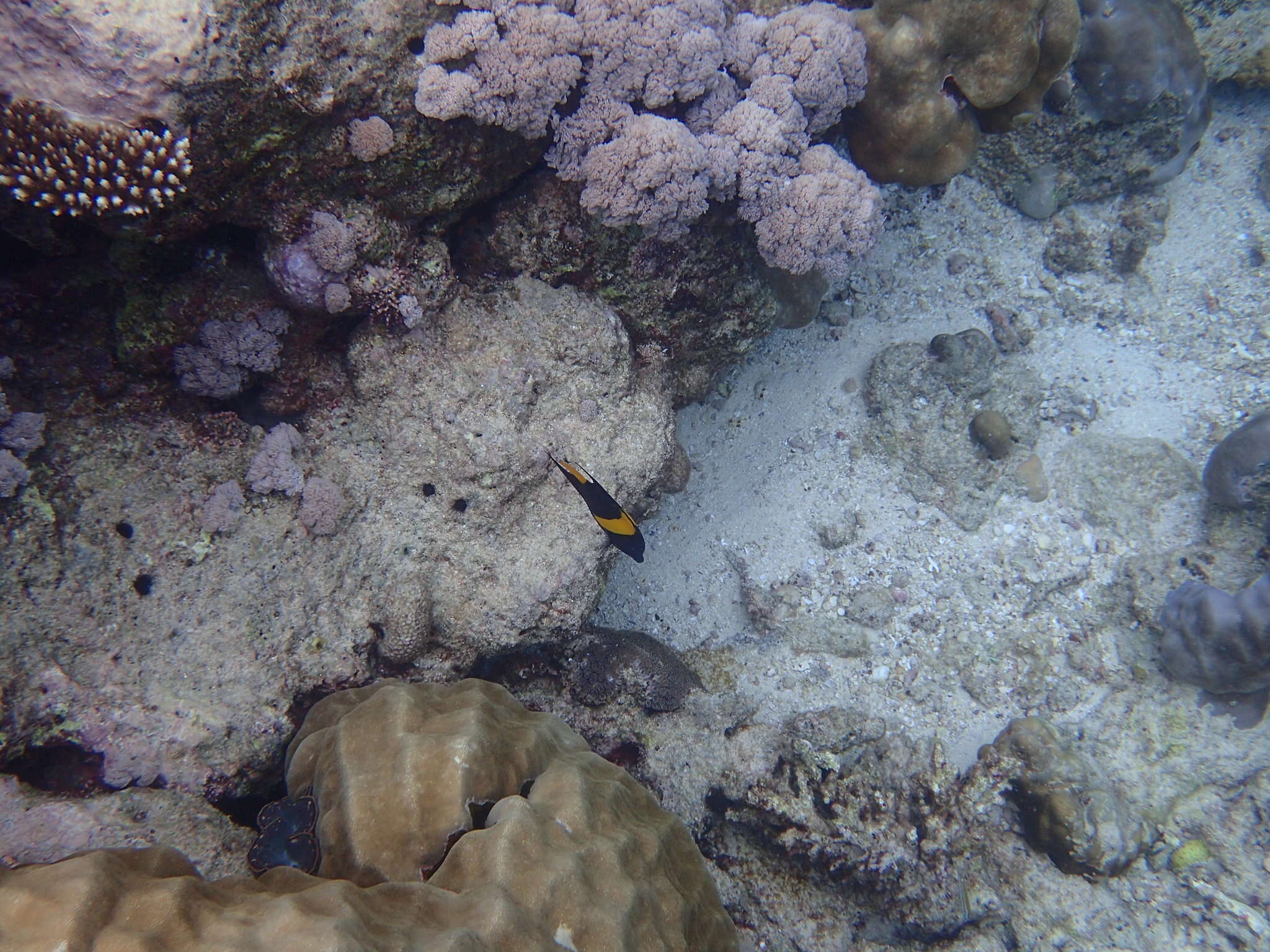


Species Identified
Genicanthus caudovittatus (Günther, 1860) (Zebra angelfish)
Inhabits shallow waters in the Red Sea; deeper in the Andaman Sea, usually at depths of 40 m or more. Caudal fin tips very long . A single male is usually seen with several females, commonly on steep slopes. Feeds on planktonic food several meters above the bottom.
Pomacanthus asfur (Forsskål, 1775) (Arabian angelfish)
Common around semi-protected inshore reefs with rich soft and hard coral growth, occasional patches of silt bottom. Very aggressive toward its own species, unless paired. Feeds mainly on sponges and tunicates . Minimum depth reported taken from Ref. 9710.
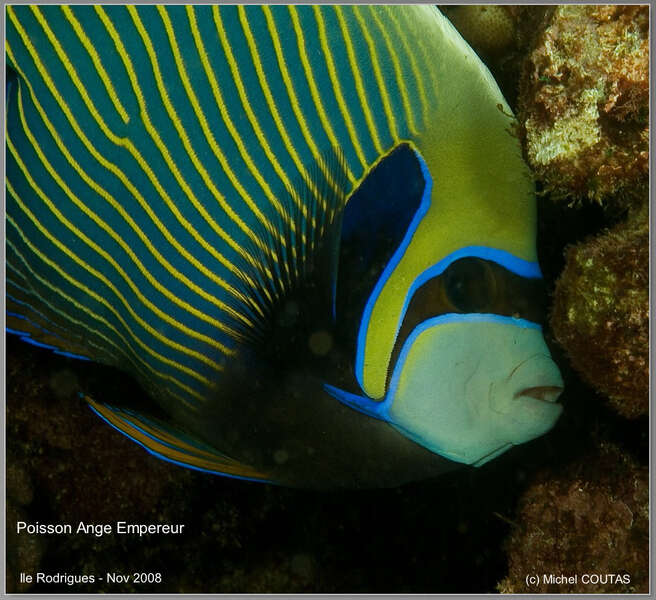
Pomacanthus imperator (Bloch, 1787) (Angel fish)
Juveniles are encountered under ledges, or in holes of outer lagoon patch reefs or semi-protected areas of exposed channels and outer reef flats. Subadults move to reef front holes and surge channels. Large adults inhabi...
Read More
Read More
Pygoplites diacanthus (Boddaert, 1772) (Bluebanded angelfish)
Occurs in coral rich areas of lagoon and seaward reefs to a depth of 48 m or more. Often found in the vicinity of caves and feeds on sponges and tunicates. Solitary or in pairs, or in groups. Frequently exported through the aquarium trade . Rarely survives in the aquarium.
Scarus niger Forsskål, 1775 (loro)
Inhabits coral-rich areas of clear lagoons, channels, and outer reef slopes . Generally solitary . Juveniles in small groups on algae and coral reefs inshore . Feeds on benthic algae . Males maintain small harems and pair spawn .
Calotomus spinidens (Quoy and Gaimard, 1824) (Spinytooth parrotfish)
Found in coastal bays and deep lagoons . Inhabits seagrass beds or dense beds of algae. Well-camouflaged and easily overlooked . Feeds on these or the associated epiphytes. Caught nets and other types of artisanal gear.
Share on Social Networks
- Facebook:

personalize your shared text as well as its destination (wall, page...) or send as a private message to a friend
- Twitter: Tweet personalize your tweet
- Google Plus:
Direct link to this dive
- Long link:
- Short link:


 We are participating today in the startup contest Techcrunch Disrupt. Support Diveboard by voting for us!
























































































