




 Indonesia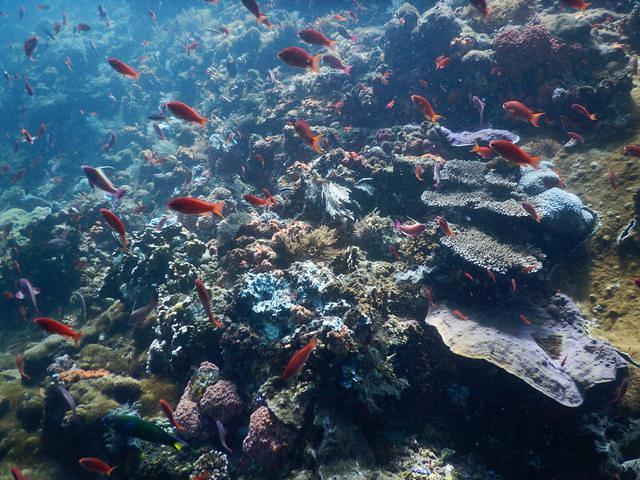
-
Nº11
 Date: 2016-02-24 - 09:30
-
 Max Depth: 23m Duration: 42mins
Dive Location

- Temp: Bottom 24°C
- Dive type : Recreational
- Visibility: Good Water: Salt
Specific gear used
- Weights: 5 kg
Dive reviews
| Overall review |
Recent Divers in TN Komodo


Recent Pictures in TN Komodo
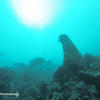
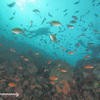
Dive Shop & Buddies
 Dive with Sardy from Komodo Dive Enter
 Dive buddies:
Tessa
Dive buddies:
Tessa

Link to this spot:
- Spot:
- Country:
- Area:
- Body of water:
Dive Profile
Data provided by EOL.org




Species Identified
Triaenodon obesus (Rüppell, 1837) (Whitetip reef shark)
Despite its docile nature during the day this nocturnal shark can become aggressive when hunting at night, thrashing through coral reefs looking for potential prey. The whitetip reef shark usually hunts alone, but is non-t...
Read More
Read More
Cephalopholis argus Bloch and Schneider, 1801 (Grouper)
A generally common species found in a variety of coral habitats from tide pools to depths of at least 40 m; prefers the 1 to 10 m reef zone. Juvenile prefers shallow, protected coral thickets . Benthic and benthopelagi...
Read More
Read More
Plectorhinchus obscurus (Günther, 1872) (Giant sweetlips)
Occurs along outer reef slopes. Adults usually solitary but may occur in pairs. Juveniles in shallow turbid coastal areas .
Pterois volitans (Linnaeus, 1758) (Red lionfish)
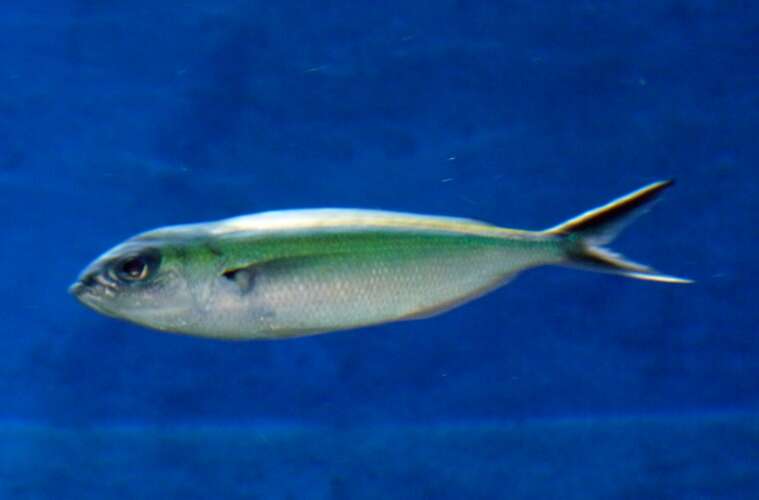
Caesio caerulaurea Lacepède, 1801 (Blue and gold fusilier)
Inhabits coastal areas, primarily around coral reefs. Found in schools in deep lagoons and along seaward reefs , mixing with other species of fusiliers . Juveniles used as tuna bait fish. Oviparous, with small pelagic eggs .
Caesio varilineata Carpenter, 1987 (Lama G. Cuvier, 1800)
Inhabits deep lagoons and seaward reefs. Feeds on zooplankton in midwater aggregations. Forms schools with other caesionids. Oviparous, with numerous, small pelagic eggs . Juveniles used as tuna bait fish.
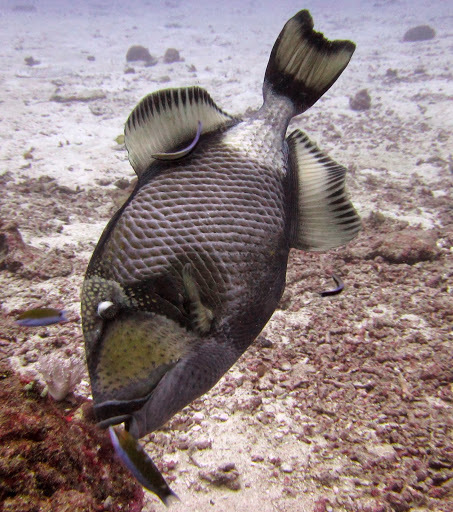
Balistoides viridescens (Bloch and Schneider, 1801) (Titan triggerfish)
Occur in lagoon, seaward reefs and sheltered inner reef slopes . Juveniles often associated with isolated patches of branching coral or rubble of shallow sandy protected areas. Adults occur singly or in pairs on the slo...
Read More
Read More
Share on Social Networks
- Facebook:

personalize your shared text as well as its destination (wall, page...) or send as a private message to a friend
- Twitter: Tweet personalize your tweet
- Google Plus:
Direct link to this dive
- Long link:
- Short link:


 We are participating today in the startup contest Techcrunch Disrupt. Support Diveboard by voting for us!
























































































Great dive, colourful corals. Luckily current was not so strong.