


 United States

-
Nº9
 Date: 2014-08-02 - 08:45
-
 Max Depth: 12.8m Duration: 52mins
Pictures

No pictures for this dive
- Temp: Surf 27°C Bottom 24°C
- Dive type : Recreational, Cave, Reef
- Visibility: Average Water: Salt
Specific gear used
- Weights: 6.4 kg
Dive reviews
| Overall review | ||
| Dive difficulty | ||
| Marine life quality | ||
| Big fish |
Recent Divers in Hawaii Oahu
Recent Pictures in Hawaii Oahu
Dive Shop & Buddies
 Dive buddies:
Jim Kysar,
Katie Kysar,
Tlc

Link to this spot:
- Spot:
- Country:
- Area:
- Body of water:
Dive Profile
- 1. Trimix 21/0
- 0L Aluminium 200 → 50 bar
- Average depth: m
- 2. Trimix 21/0
- 0L Steel 200 → 50 bar
- Average depth: m
- 3. Trimix 21/0
- 0L Steel 200 → 50 bar
- Average depth: 7.5m
Data provided by EOL.org


Species Identified
Chlorurus genazonatus (Randall and Bruce, 1983) (Sinai parrotfish)
Inhabits reef slopes . Feeds on benthic algae .
Sphyraena novaehollandiae Günther, 1860 (Australian barracuda)
Occurs in channels and other semi-protected areas. Found in schools. Feeds on various small fish .
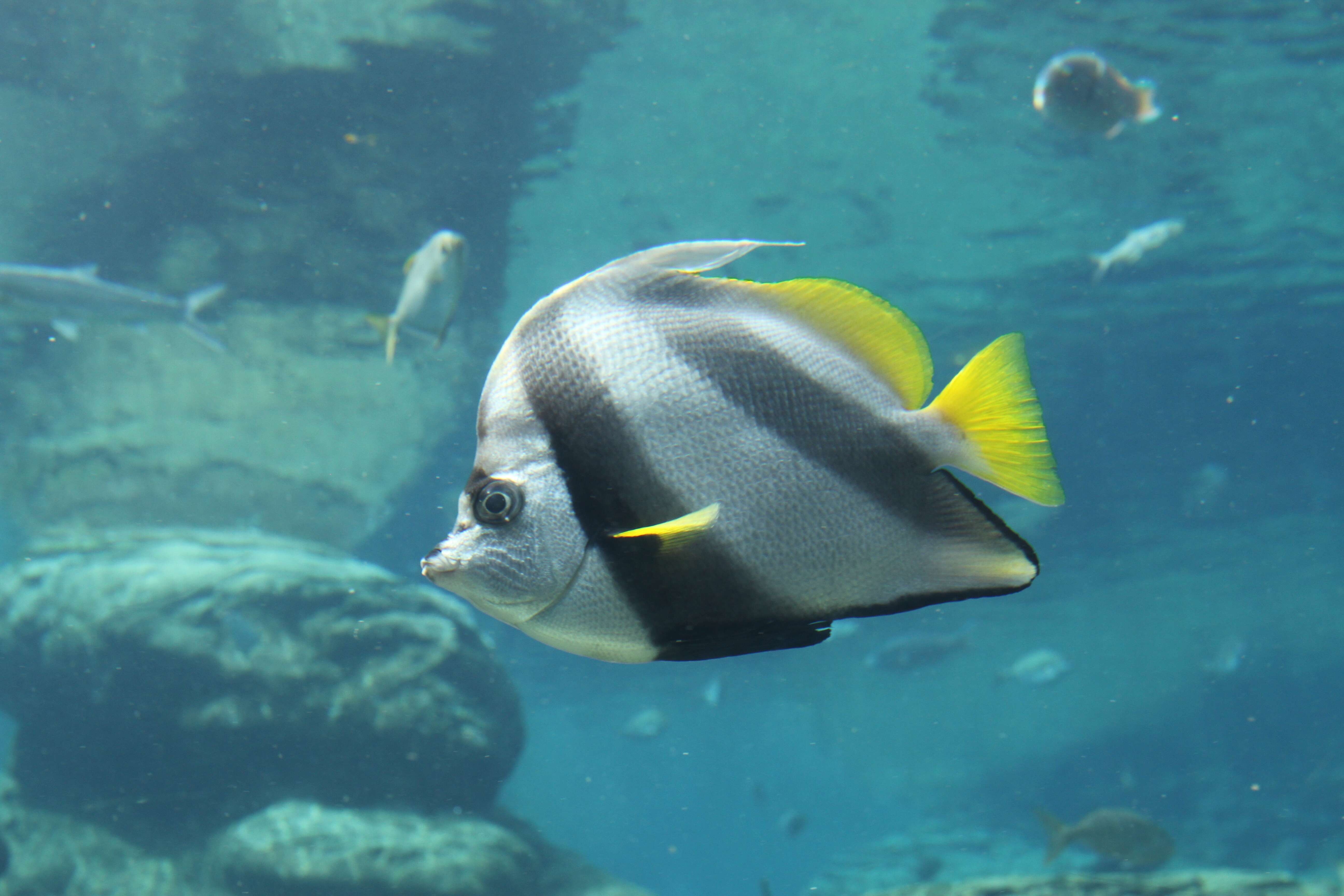
Heniochus diphreutes Jordan, 1903 (False moorish idol)
Occur primarily along outer reef slopes, in current channels. Juveniles in aggregations around isolated patch reefs, adults in large schools well above the bottom . In Indonesia, adults most common in depth 40-50 m, repo...
Read More
Read More
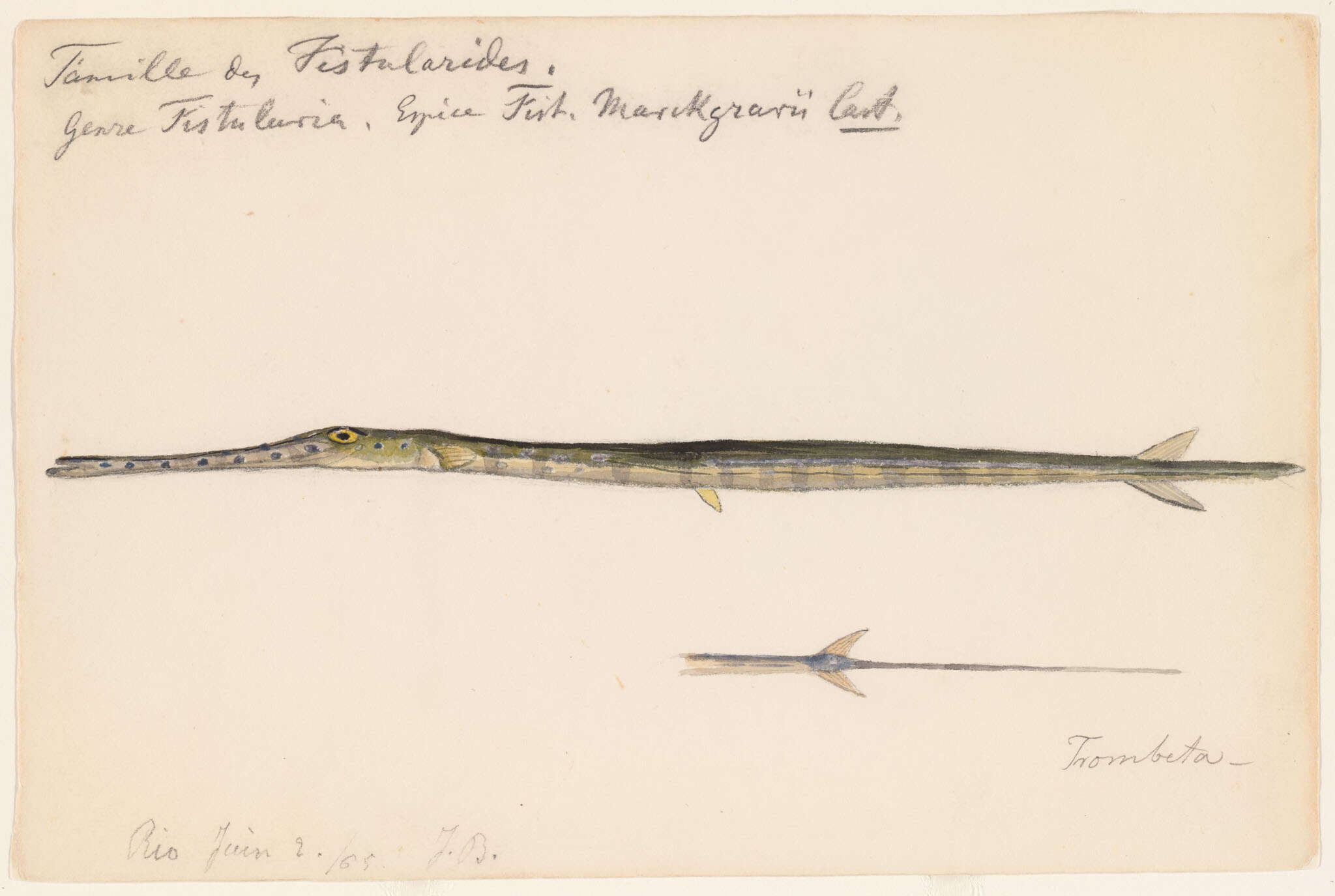
Fistularia tabacaria Linnaeus, 1758 (bluespotted cometfish)
A solitary species occurs over grass flats and reefs, and on hard and rocky bottoms . Feeds on fishes, small crustaceans or invertebrates.
Aetobatus narinari (Euphrasen, 1790) (Bishop ray)
Large groups of spotted eagle rays may be seen outside of the breeding season. These rays swim close to the surface and can occasionally be seen jumping clear out of the water (known as 'breaching') . Females give birth to...
Read More
Read More
Share on Social Networks
- Facebook:

personalize your shared text as well as its destination (wall, page...) or send as a private message to a friend
- Twitter: Tweet personalize your tweet
- Google Plus:
Direct link to this dive
- Long link:
- Short link:


 We are participating today in the startup contest Techcrunch Disrupt. Support Diveboard by voting for us!
























































































It was a good dive. We started through the elevator shaft and I met up with Tina and we headed left through the reef. There were lots of statue-like figures and we saw a comet-fish, a spotted eagle ray, a school of barracuda and a clown-fish. At the safety stop we did reg recovery and headed up.