




 Spain

-
Nº79
 Date: 2013-09-09
-
 Max Depth: 35.6m Duration: 53mins
Pictures

No pictures for this dive
- Temp: Surf 23°C Bottom 19°C
- Dive type : Recreational, Cave
- Visibility: Good Water: Salt
Specific gear used
- Computer: Scubapro - Xtender
- Weights: 4 kg
Recent Divers in Majorca & Cabrera Islands
Recent Pictures in Majorca & Cabrera Islands
Dive Shop & Buddies
 Dive with Nice Latvian Girl With Blonde Hair?? from Mar Balear Dive Center
 Dive buddies:
MAtt The Hatt

Link to this spot:
- Spot:
- Country:
- Area:
- Body of water:
Dive Profile
- 1. Air
- 12L Steel 190 → 50 bar
- Average depth: 23.7m
Data provided by EOL.org



Species Identified
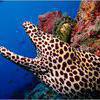
Muraena helena Linnaeus, 1758 (Mediterranean moray)
A nocturnal and territorial species , commonly lurking in holes, and writhing snakelike through crevices, under rocks or corals. Feeds on fish, crabs and squid . It seldom attacks unless provoked . A gonochoristic speci...
Read More
Read More
Epinephelus marginatus (Lowe, 1834) (Duskey grouper)
The dusky grouper is a protogynous hermaphrodite, meaning that it matures as a female but later develops into a male as it grows larger and older . Sexual maturity is attained fairly late, when females are around five year...
Read More
Read More
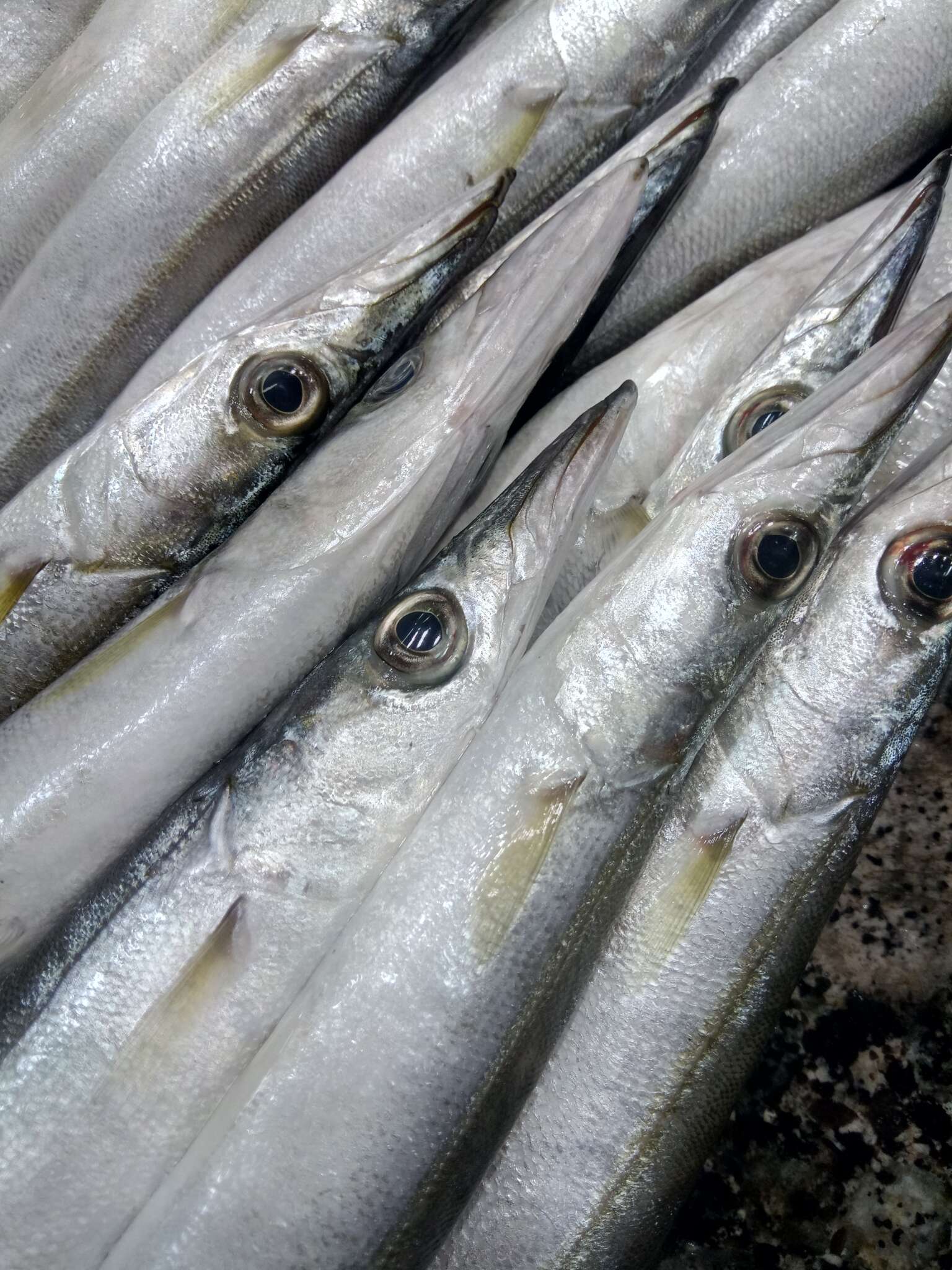
Sphyraena sphyraena (Linnaeus, 1758) (Mediterranean barracuda)
Found in coastal and offshore waters . Feeds mostly on fish, less often on cephalopods and crustaceans .
Coris julis (Linnaeus, 1758) (Mediterranean rainbow wrasse)
Occurs in the littoral zone, near rocks and eelgrass beds. Usually found between 1-60 m, but old males stay in deeper water. Found in deeper waters during winter. Sometimes solitary, among rocks, often with numerous spe...
Read More
Read More
Symphodus cinereus (Bonnaterre, 1788) (grey wrasse)
Found in littoral areas, in eel-grass beds, sometimes on soft bottoms (1-20 m), often in lagoons and estuaries with plenty of vegetation and detritus . Often in aggregation . Feed on shrimps, amphipods, isopods, small ga...
Read More
Read More
Pasiphaea multidentata Esmark, 1866 (pink glass shrimp)
Gobius bucchichi Steindachner, 1870 (Bucchich's goby)
Occur inshore over sand and mud with seagrass, taking refuge among tentacles of snakelocks sea anemone Anemonia sulcata . Also found in inshore pools . Feed on polychaetes, crustaceans mollusks and algae. Sexually mature at one year, 3.4-3.8 cm .
Gobius niger Linnaeus, 1758 (Black goby)
Scorpaena notata Rafinesque, 1810 (Small red scorpionfish)
Common in rocky littoral habitats. Feeds on crustaceans and small fishes . Flesh is tasty and used in making 'bouillabaisse' .
Apogon imberbis (Linnaeus, 1758) (Cardinal fish)
Occasionally forms schools; sometimes solitary. Inhabits muddy or rocky bottoms and caves. Feeds on small invertebrates and fishes . Oral brooding by males .
Parablennius rouxi (Cocco, 1833) (longstriped blenny)
Occurs in the shallow littoral zone to the zone beyond the influence of water movements, over light rocks or pebbles without algal cover and on secondary hard bottoms of coralligenous origin. Feeds on periphyton, harpacti...
Read More
Read More
Share on Social Networks
- Facebook:

personalize your shared text as well as its destination (wall, page...) or send as a private message to a friend
- Twitter: Tweet personalize your tweet
- Google Plus:
Direct link to this dive
- Long link:
- Short link:


 We are participating today in the startup contest Techcrunch Disrupt. Support Diveboard by voting for us!
























































































Dived with Matt the Hatt (Padi Instructor)
DM was a German girl who i dont remembers name!! But she was pretty cool.
-lots of moreys,
-groupers, mostly small except one huge one!
-at 5m on safety stop, went into small cave and saw lots of small shrimp